Sierra Leone
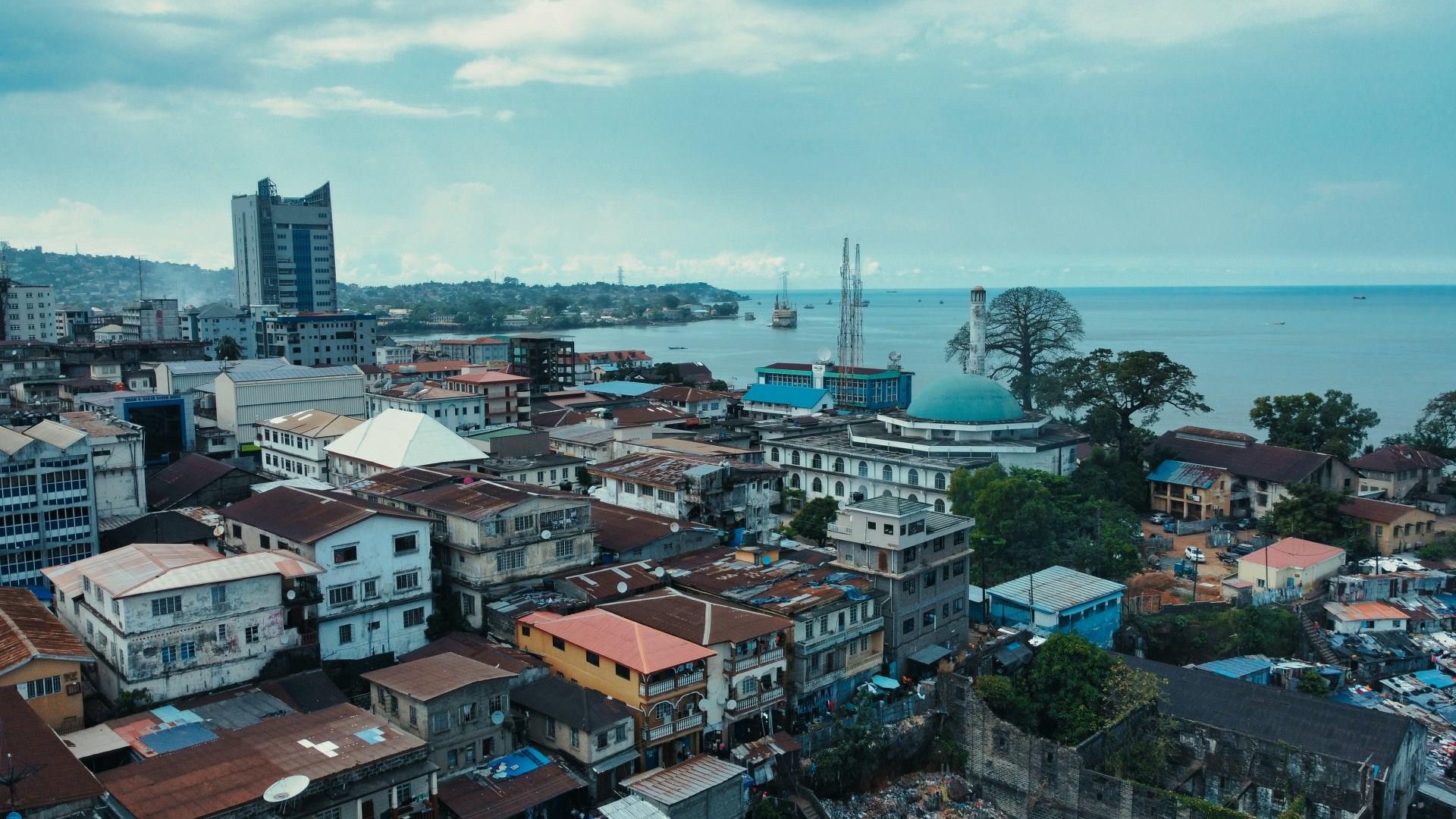
Sierra Leone, on the coast of West Africa, is a country of striking contrasts, where white-sand beaches meet green mountains and vibrant cities. Its Atlantic shoreline stretches for miles, offering quiet escapes as well as lively coastal communities.

Haugesund
Haugesund, located on the southwestern coast of Norway, is known for its rich Viking heritage and natural landscapes. The town's maritime history is celebrated at the Nordvegen History Centre, where you can learn about the Viking kings who once ruled the area. Nature enthusiasts will appreciate the proximity to the Folgefonna Glacier, where they can enjoy guided glacier hikes and breathtaking views of the surrounding fjords.
Lukla
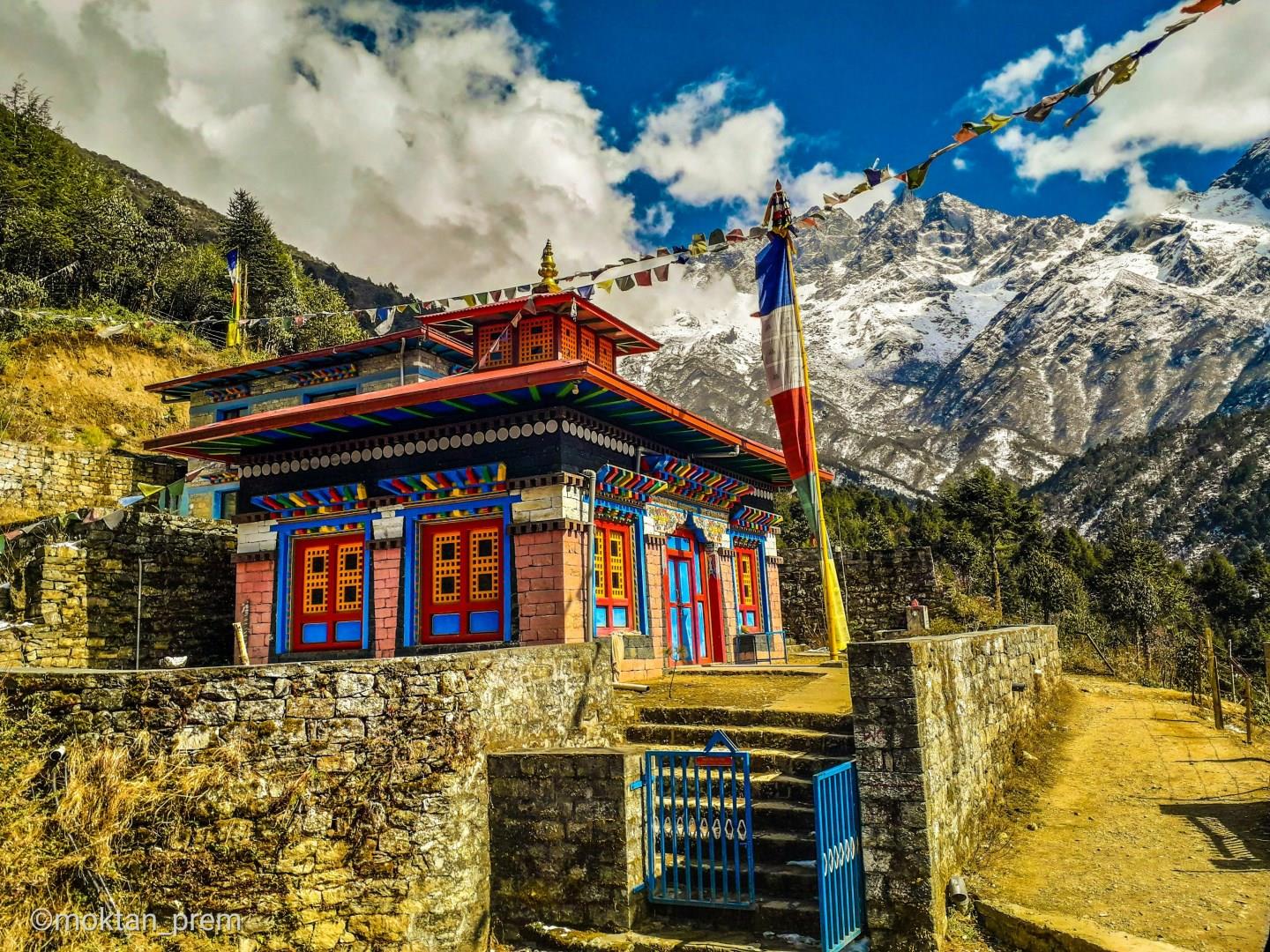
Lukla, a mountain town perched at 2,860 meters in eastern Nepal, is best known as the gateway to the Everest region. The town is home to Tenzing-Hillary Airport, one of the world’s most thrilling landing strips, named after the legendary climbers who first reached Everest’s summit in 1953. The short, sloped runway hugs the mountain, offering a once-in-a-lifetime arrival that travelers remember long after their journey ends.

Saint Andrews
Saint Andrews, a picturesque town on Scotland's east coast, is a captivating blend of history, culture, and natural beauty. Known as the "Home of Golf," it is celebrated worldwide for its historic Old Course, one of the oldest golf courses in the world, dating back to the early 15th century. Golf enthusiasts will find a pilgrimage to the iconic Swilcan Bridge or the 18th hole of the Old Course to be an unforgettable experience.
Kaikōura
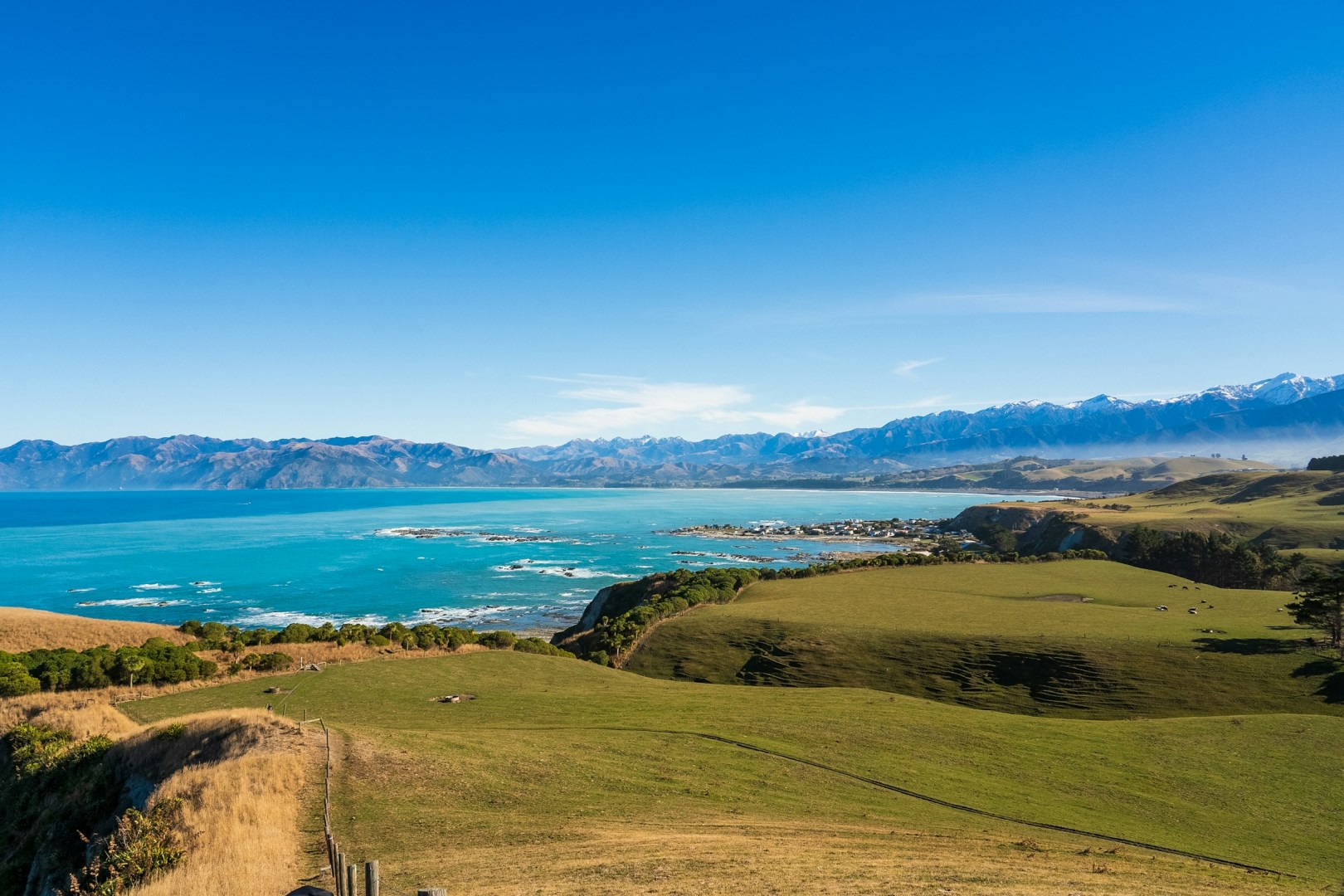
What sets Kaikōura apart are the extraordinary marine encounters that begin just off the shoreline. The Kaikōura Canyon, an underwater gorge that plunges to great depths close to land, creates currents rich with nutrients that attract a remarkable array of sea life year-round. Sperm whales are a common sight here and are frequently spotted on local boat tours. Dusky dolphins twist and leap in large pods, and colonies of New Zealand fur seals laze on rocky outcrops along the coast.