Tayrona National Natural Park, located on Colombia’s northern Caribbean coast, is where the Sierra Nevada mountains plunge into the sea, creating a landscape of wild beaches, dense rainforest, and ancient archaeological sites. Just an hour from Santa Marta, this protected area stretches over 150 square kilometers of land and marine territory. Its coastline is dotted with hidden coves, palm-fringed bays, and massive boulders sculpted by wind and time.
Puebla, a city nestled in the heart of Mexico, is a captivating blend of colonial charm, vibrant culture, and rich history. Known as the "City of Angels," Puebla's well-preserved historic center is a UNESCO World Heritage site, filled with stunning baroque architecture, colorful tiled buildings, and bustling markets. Puebla is also a haven for food lovers, celebrated as the birthplace of some of Mexico’s most iconic dishes.
Monteverde, located in the Tilarán Mountains of northwestern Costa Rica, is known for its cloud forests, winding trails, and biodiversity that has drawn researchers and travelers for decades. The area was settled in the 1950s by Quakers from the United States who were looking for a peaceful place to raise dairy cattle. They also played a major role in preserving the local ecosystem, helping to establish the Monteverde Cloud Forest Reserve in 1972.
Le Havre is a captivating port city in Normandy, France where the English Channel meets the Seine River. Having evolved from a small fishing village into a bustling maritime hub, it is a blend of rich history, modern architecture, and stunning natural beauty. The city's historic roots are especially evident in landmarks such as the Graville Abbey, one of the oldest monuments in the area, and the impressive St. Joseph's Church, a modern architectural marvel designed by Auguste Perret.
Tristan da Cunha is a remote volcanic island in the South Atlantic Ocean, forming part of a small archipelago along with Inaccessible Island and Nightingale Island. Known as the most isolated inhabited island in the world, it is accessible only by a week-long boat journey from South Africa.
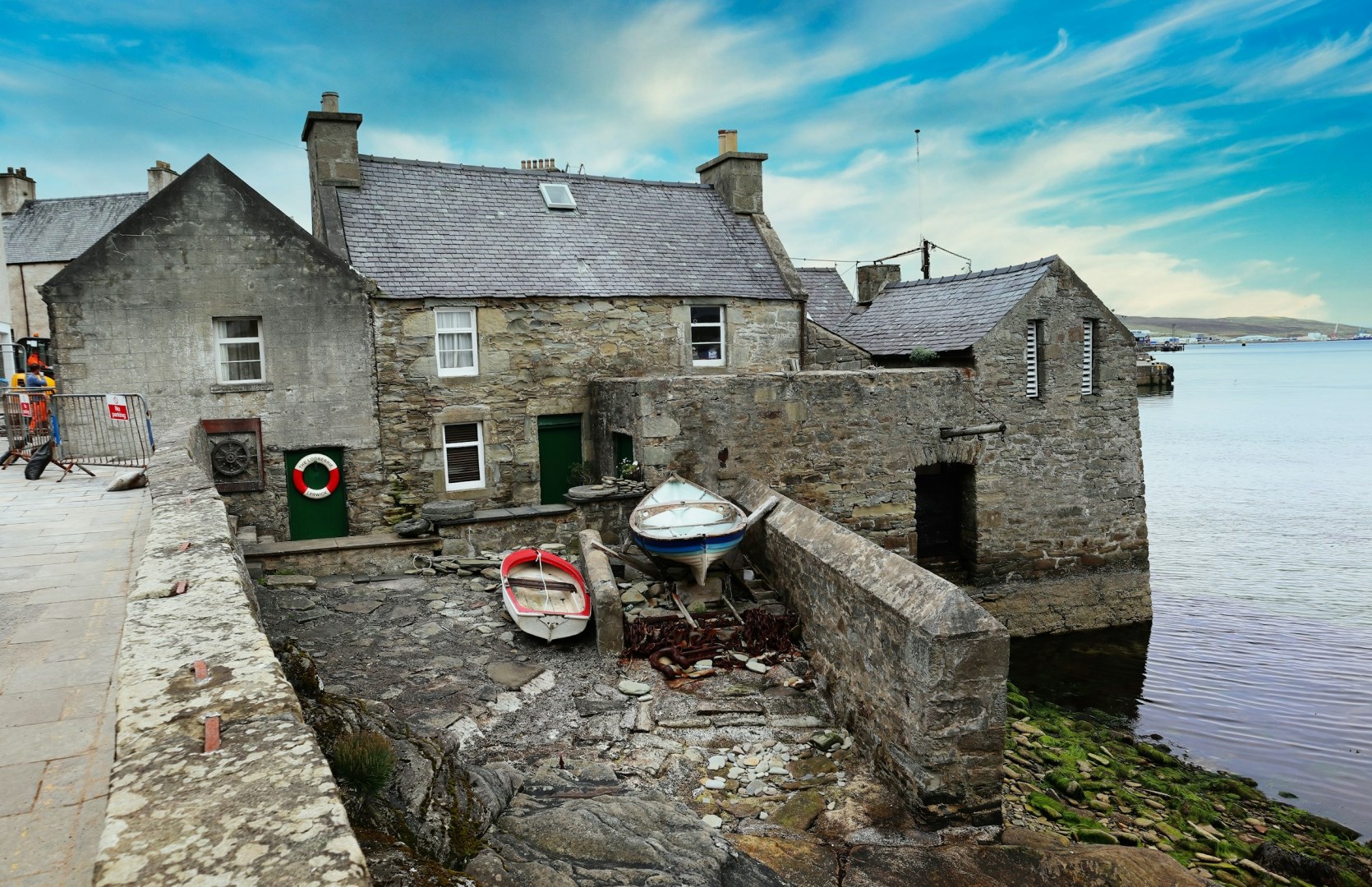
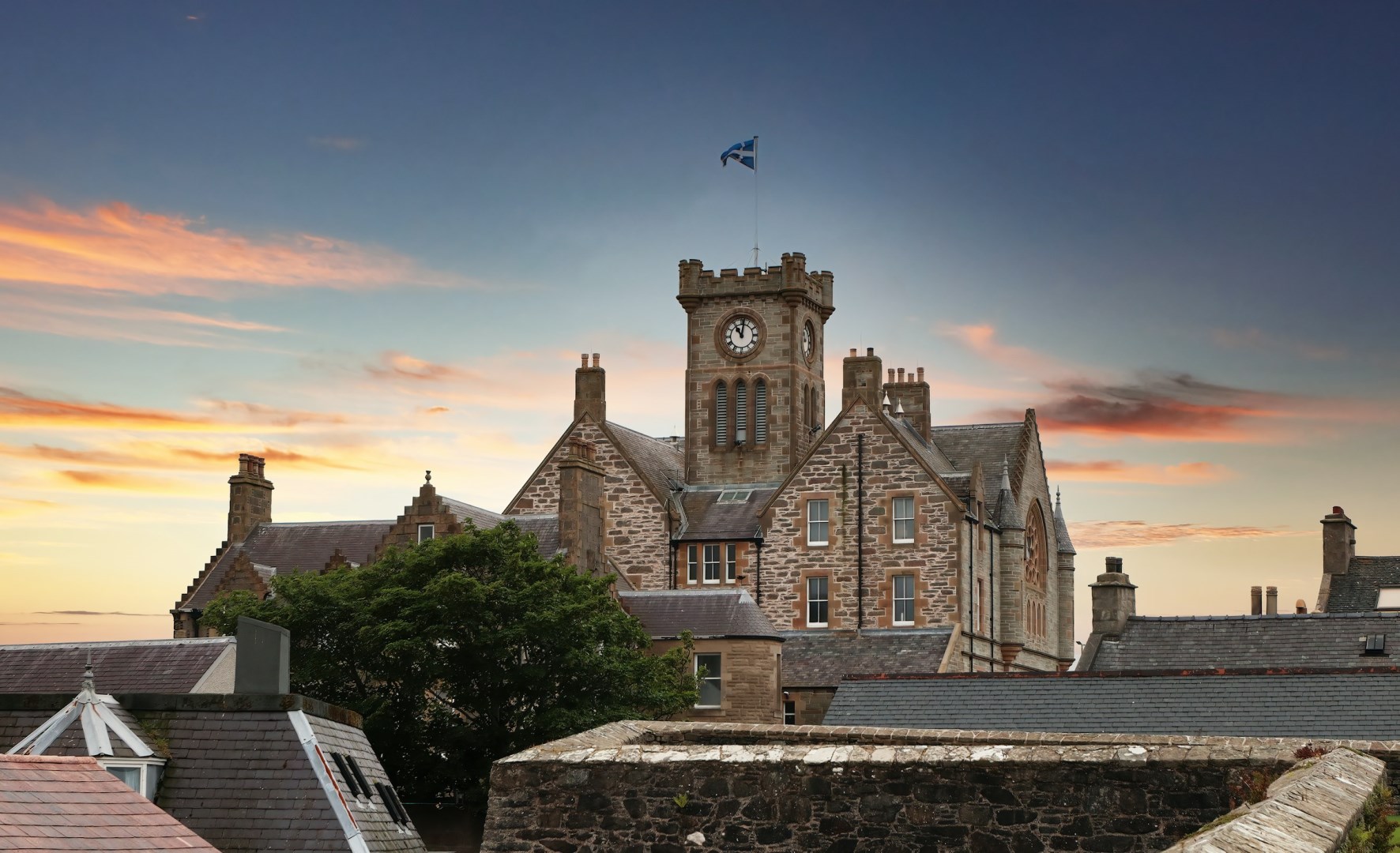
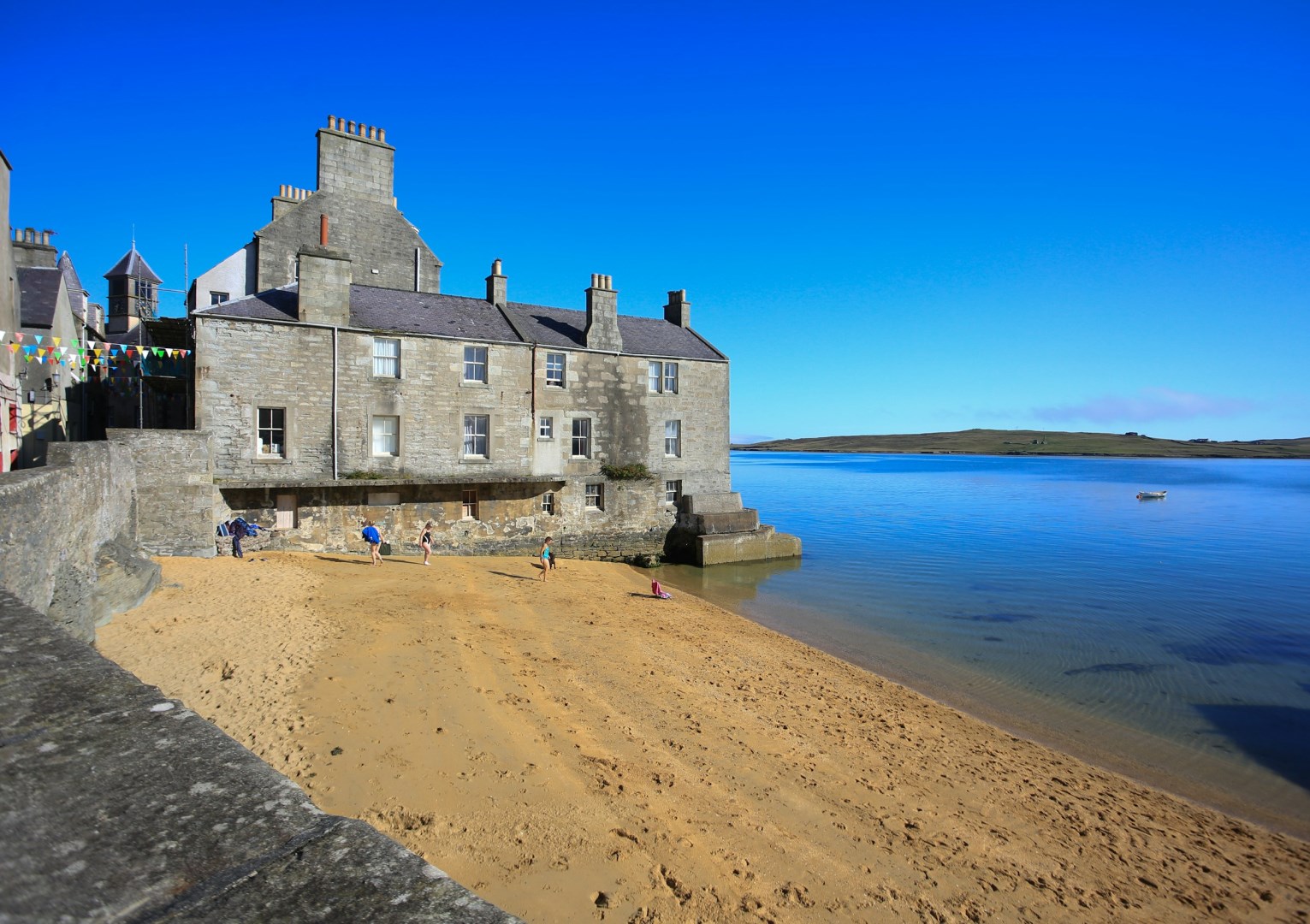
Lerwick, the charming capital of the Shetland Islands, is a captivating destination where maritime history and natural beauty converge. Located on the edge of Scotland, this quaint town offers a rich tapestry of experiences for visitors. Explore the historic Shetland Museum and Archives, where exhibits delve into the region’s seafaring heritage and cultural history. The museum’s collection includes artifacts from the Viking era, which highlight Lerwick’s deep historical roots.
The town’s picturesque harbor is a focal point, where colorful fishing boats and traditional sailboats create a vibrant maritime scene. Take a leisurely stroll along the Victoria Pier to enjoy stunning views of the waterfront and the surrounding hills. For a taste of local life, the bustling Lerwick Market offers a variety of Shetland crafts, fresh produce, and regional specialties. Don’t miss the chance to sample traditional Shetland dishes at local eateries.
Nature enthusiasts will find much to admire in and around Lerwick. The Shetland Islands are renowned for their rugged landscapes and diverse wildlife. Venture to the scenic Sumburgh Head for dramatic coastal views and a chance to spot seabirds like puffins and gannets. The island’s unique geology and rich flora make it a paradise for hikers and nature lovers alike.
A fun fact about Lerwick is that it hosts the annual Up Helly Aa fire festival, one of Europe’s largest fire festivals, held every January. This vibrant event celebrates Shetland’s Viking heritage with a torch-lit procession and the burning of a Viking longship, creating a spectacular and memorable experience. Lerwick’s blend of history, culture, and natural beauty ensures it is a destination worth exploring for any traveler.