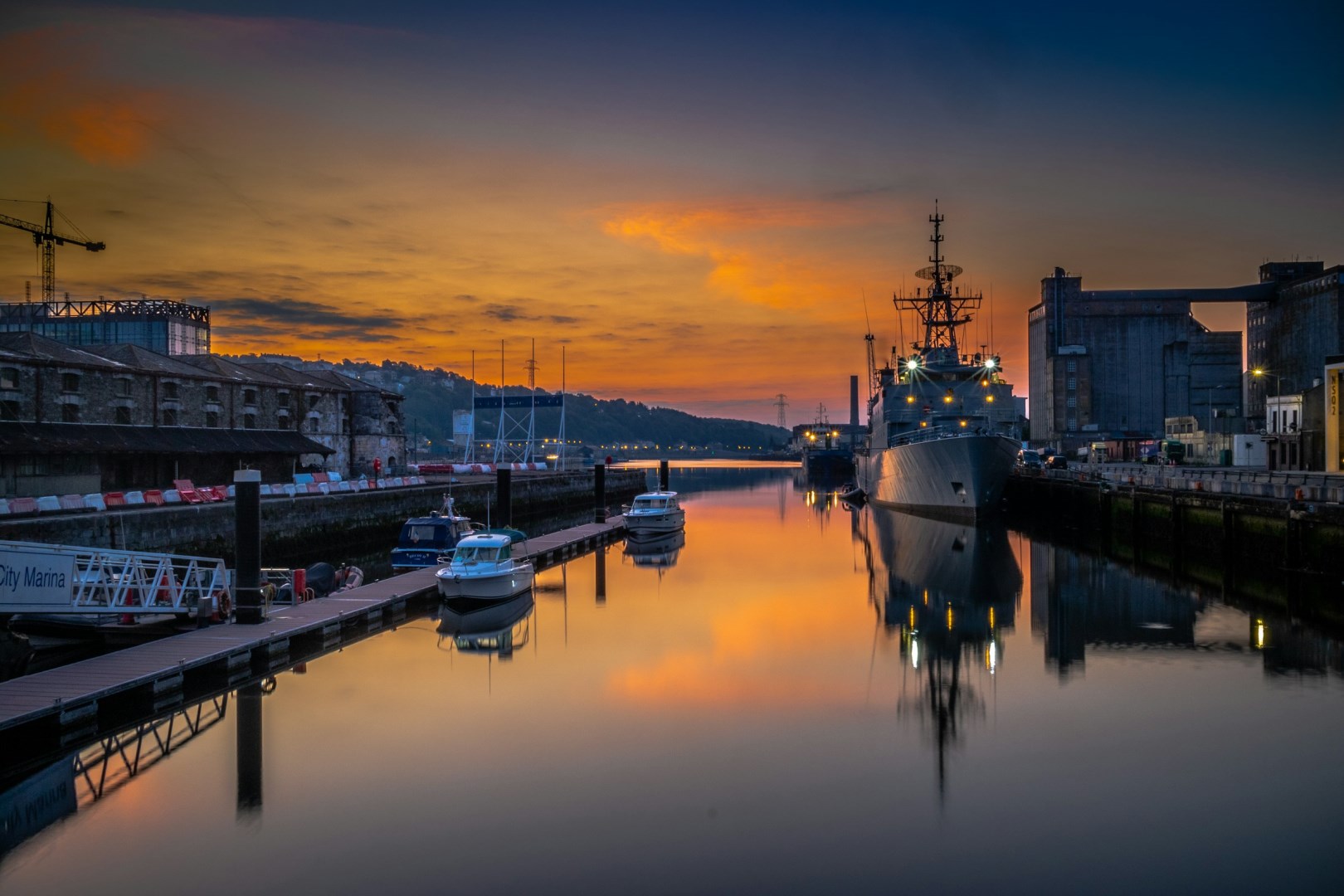
Shanghai
Shanghai is a city where contrasting timelines meet at every corner. Once a small fishing village along the Huangpu River, it grew rapidly during the 19th century into a major trading port. Today, its skyline tells a story of that transformation. On one side, the Bund’s colonial-era buildings stand tall in limestone and granite; on the other, the futuristic towers of Pudong, like the Shanghai Tower and Jin Mao, stretch into the clouds.

Novi Sad
Novi Sad, Serbia’s second-largest city, sits along the banks of the Danube River and has long served as a cultural meeting point in the Balkans. Its centerpiece is Petrovaradin Fortress, a massive 18th-century stronghold nicknamed the "Gibraltar on the Danube." The fortress is known not just for its historic architecture but also for its network of underground tunnels and the iconic clock tower where the hands are reversed, meaning the large hand shows the hour.
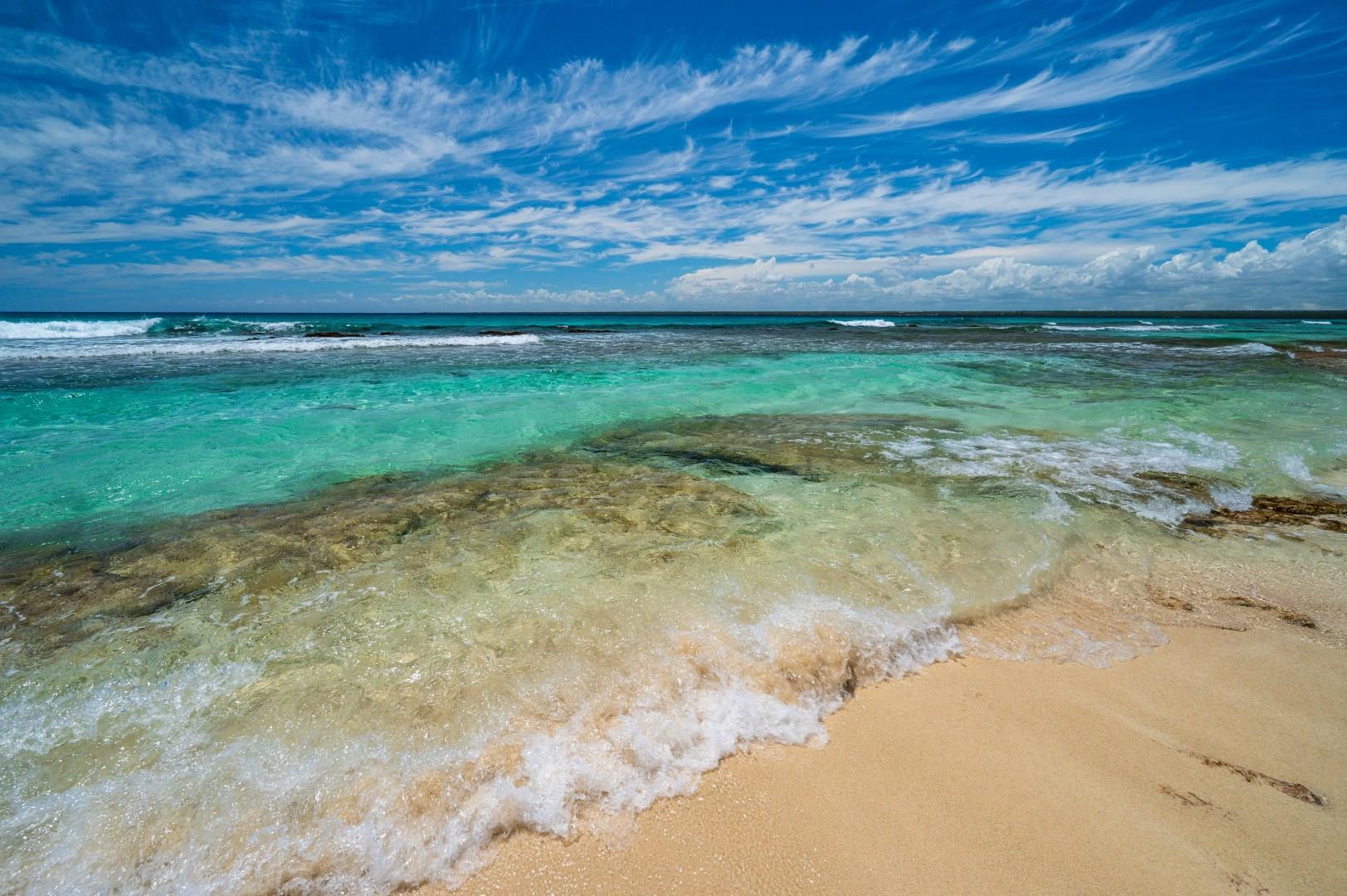
Catalina Island
Catalina Island, located just 1.5 miles off the southeastern coast of the Dominican Republic, is a serene tropical escape known for its pristine beaches and vibrant coral reefs.
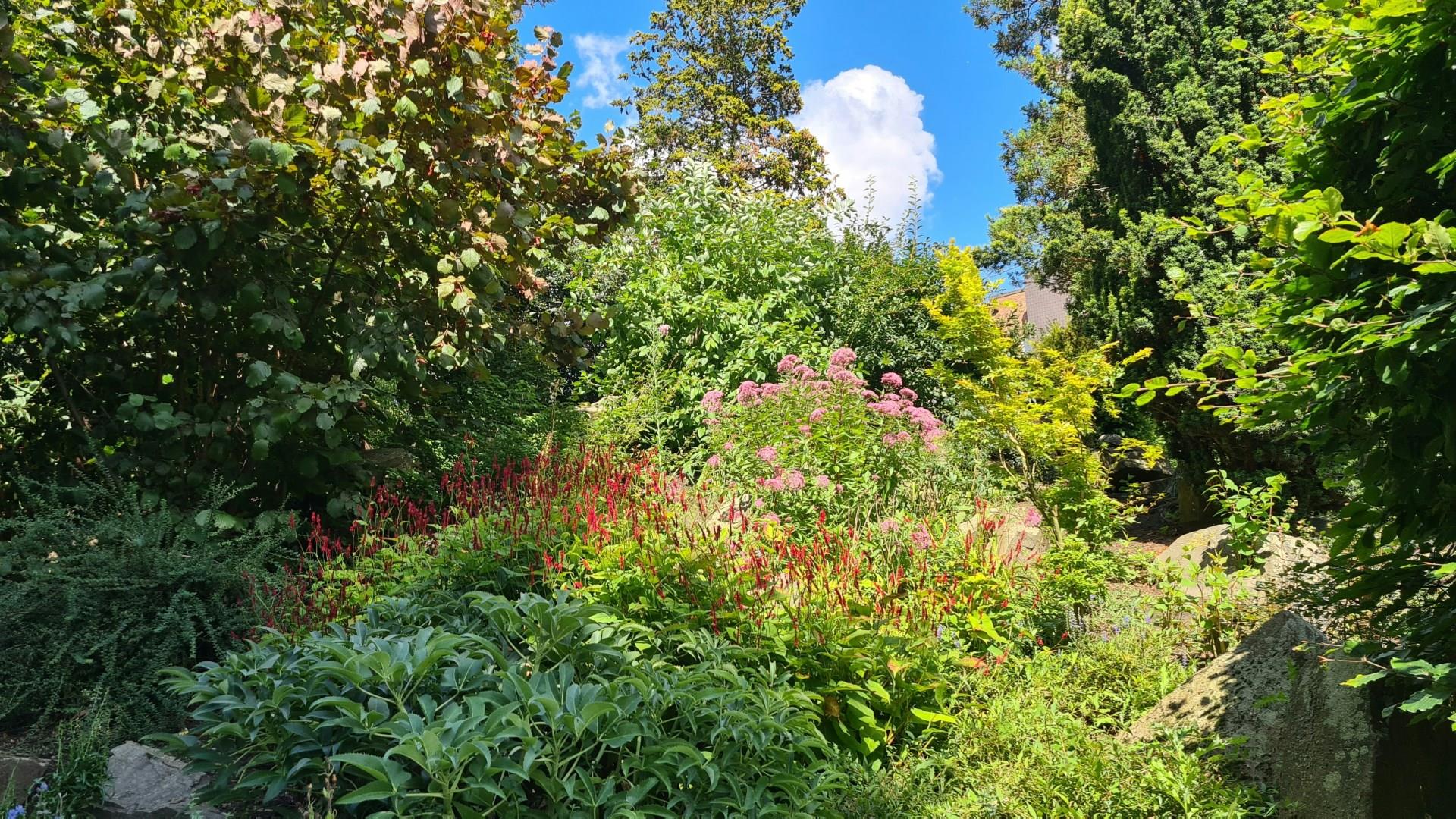
Liège
Liège, located along the Meuse River in eastern Belgium, is a city shaped by industry, resilience, and an independent spirit that dates back centuries. Once the capital of a powerful prince-bishopric, Liège has always done things its own way and is lived-in and layered with working neighborhoods, student cafés, and markets that tell the city’s real story. Every Sunday, locals gather at La Batte, one of the oldest and largest outdoor markets in Belgium.

Marrakesh
Marrakesh, a vibrant jewel in the heart of Morocco, is a city where ancient traditions blend seamlessly with modern allure. Known as the "Red City" for its rose-hued buildings and walls, Marrakesh offers a sensory experience unlike any other. The city’s medina, a UNESCO World Heritage Site, is a labyrinth of narrow alleyways, bustling souks, and hidden courtyards.