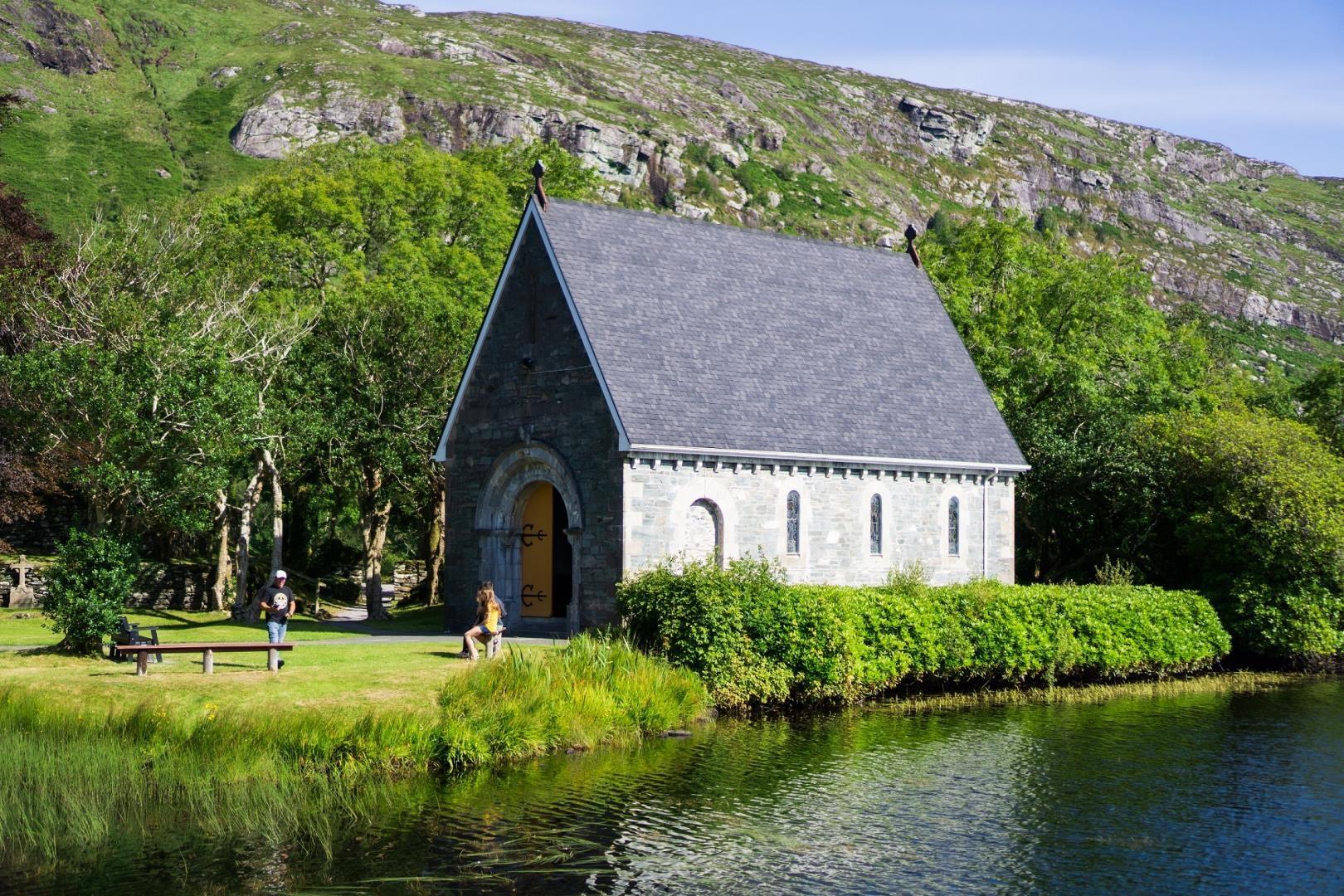
Malta
Malta is a Mediterranean gem known for its warm climate, stunning coastline and vibrant culture. Whether wandering through its historic cities, relaxing by the sea, or discovering its unique traditions, visitors will find endless reasons to explore this island nation.

Agadir
Agadir, a vibrant coastal city in southwestern Morocco, is renowned for its beautiful beaches and modern amenities. Located on the Atlantic Ocean, Agadir is famous for its long, sandy coastline which stretches for over 10 kilometers (6 miles). The city's beach is perfect for sunbathing, swimming, and engaging in water sports such as surfing and jet skiing. Agadir's temperate climate, with mild winters and warm summers, makes it a year-round destination for beachgoers.

A Coruna
Perched on the northern coast of Spain, A Coruña (or La Coruña) is a captivating city with a rich maritime heritage and scenic beauty. Dominated by its iconic lighthouse, the Torre de Hércules, which is the oldest functioning lighthouse in the world, A Coruña offers a unique glimpse into ancient engineering.
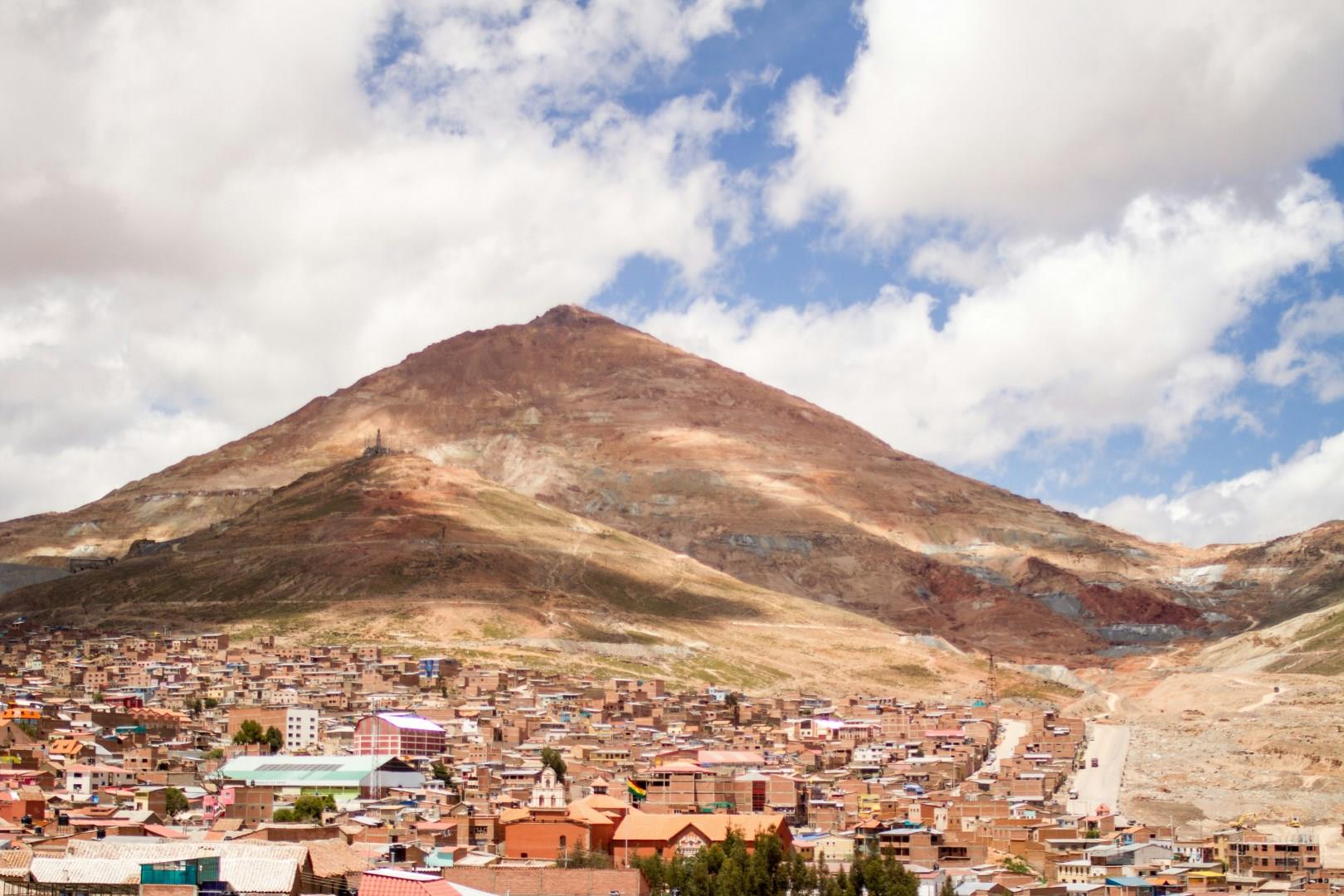
Potosi
Potosí rises on the Altiplano of southern Bolivia and for centuries it was one of the richest cities in the world because of what lies just beyond its streets. At the foot of Cerro Rico (“Rich Mountain”), silver was discovered in the mid-1500s, and within a few decades the city became a center of mining and wealth that shaped global trade and economies.

Chile
Stretching over 4,200 kilometers along the southwestern coast of South America, Chile is a country of dramatic contrasts and hidden surprises. From the world’s driest desert in the north to the icy fjords of Patagonia in the south, Chile offers a landscape that constantly reinvents itself. Visitors can walk through the Atacama Desert, where NASA tests Mars rovers, or gaze at the clearest night skies on Earth from the high-altitude observatories near San Pedro de Atacama.