Dutch Harbor
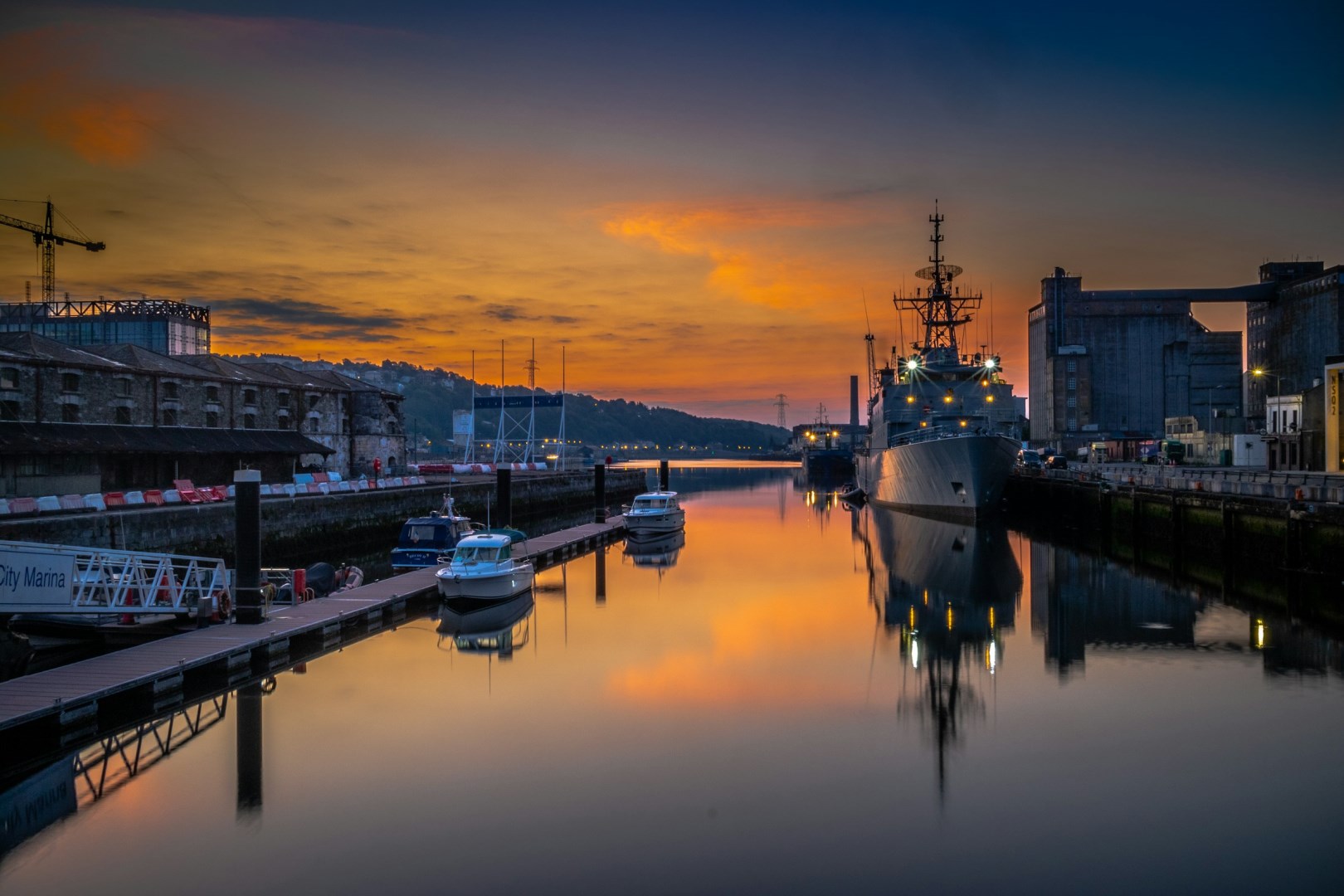
Dutch Harbor, Alaska, located on Unalaska Island in the Aleutian chain, is a remote yet captivating destination that offers a unique blend of natural beauty, rich history, and vibrant culture.
Mérida
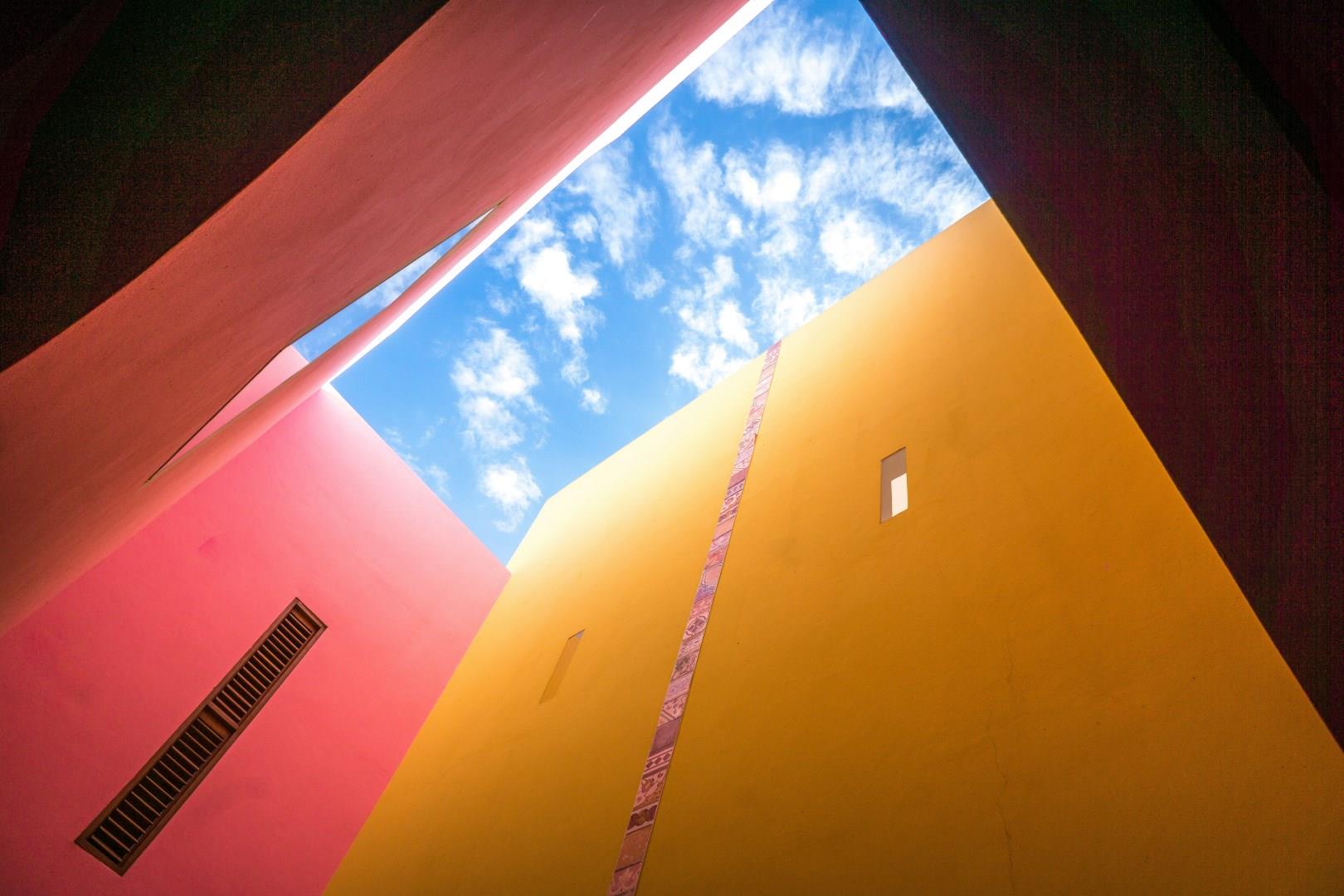
Merida was once the sprawling capital of the Mayan empire and the center of their universe. Merida is now the center of a cosmopolitan universe, built on Mayan heritage, and given a unique twist by French and Mediterranean immigrants. Days are spent exploring the city's many museums and equally fascinating shopping districts. At night, local music can be heard from just about every park in the city, inviting newcomers to enjoy a romantic and fun-filled evening.

Newcastle
Newcastle is the capital of the Hunter Valley Region, in New South Wales. Lakes, beaches, rivers and bays, combine with lush countryside to make the Hunter region surrounding Newcastle almost unlimited in its appeal.

Seattle
Seattle is a city shaped by water, mountains, and innovation. Its skyline, dominated by the Space Needle, tells only part of the story. Beneath it lies a vibrant mix of neighborhoods, each with its own character. Seattle was the birthplace of grunge music and remains a stronghold for independent arts. The Museum of Pop Culture (MoPOP), located at the Seattle Center, celebrates the city’s creative spirit with exhibits on everything from Nirvana and Jimi Hendrix to science fiction and gaming.
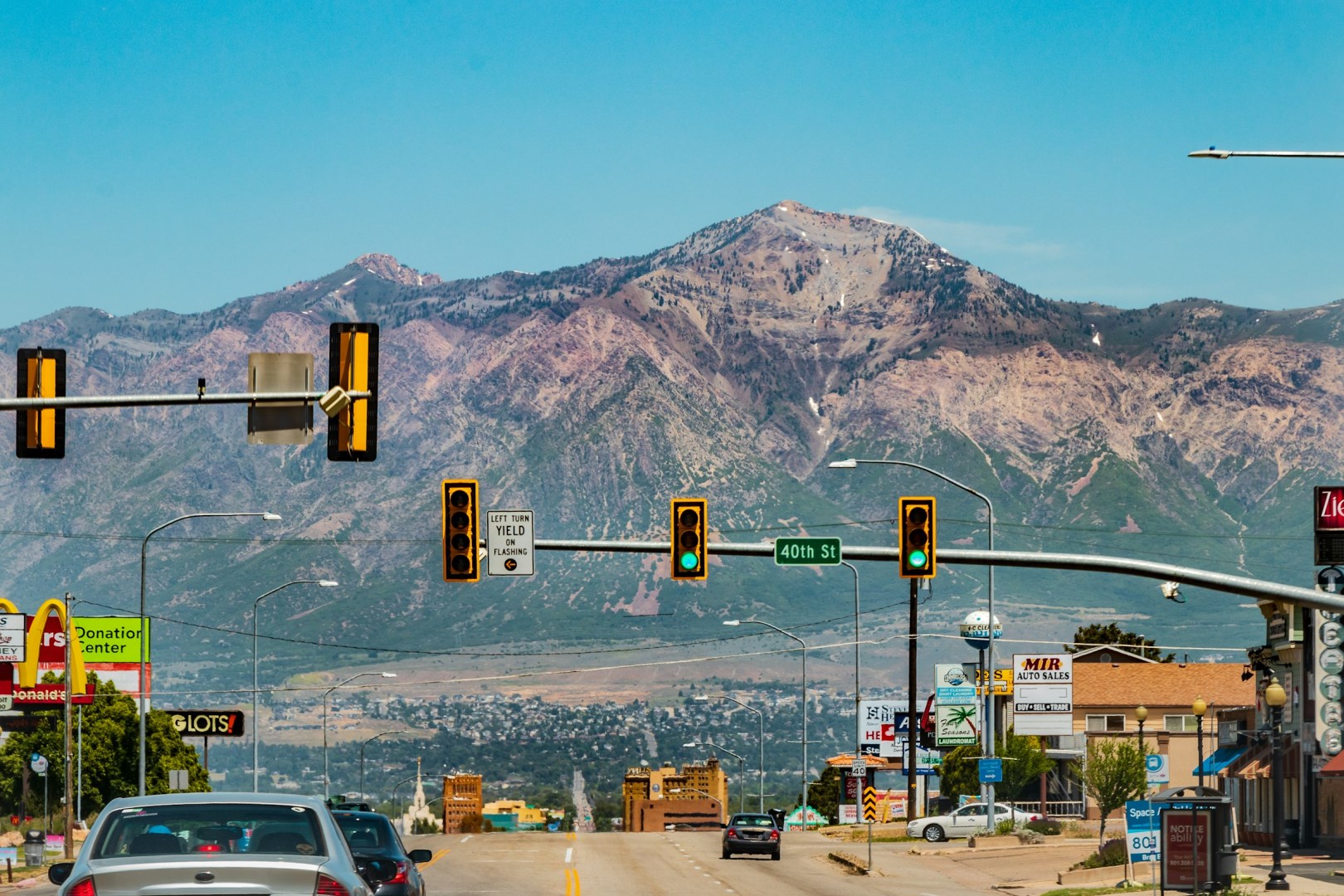
Ogden
Ogden, city, seat of Weber County, northern Utah, at the confluence of the Ogden and Weber rivers, near Salt Lake City; incorporated 1851. It is an industrial and transportation center. Major manufactures include aerospace equipment, high-technology products, and motor-vehicle products. Construction, tourism, Hill Air Force Base, and the Ogden Defense Depot are of economic importance. Ogden is the site of Weber State University (1889); the Ogden Tabernacle and Temple; the Daughters of Utah Pione