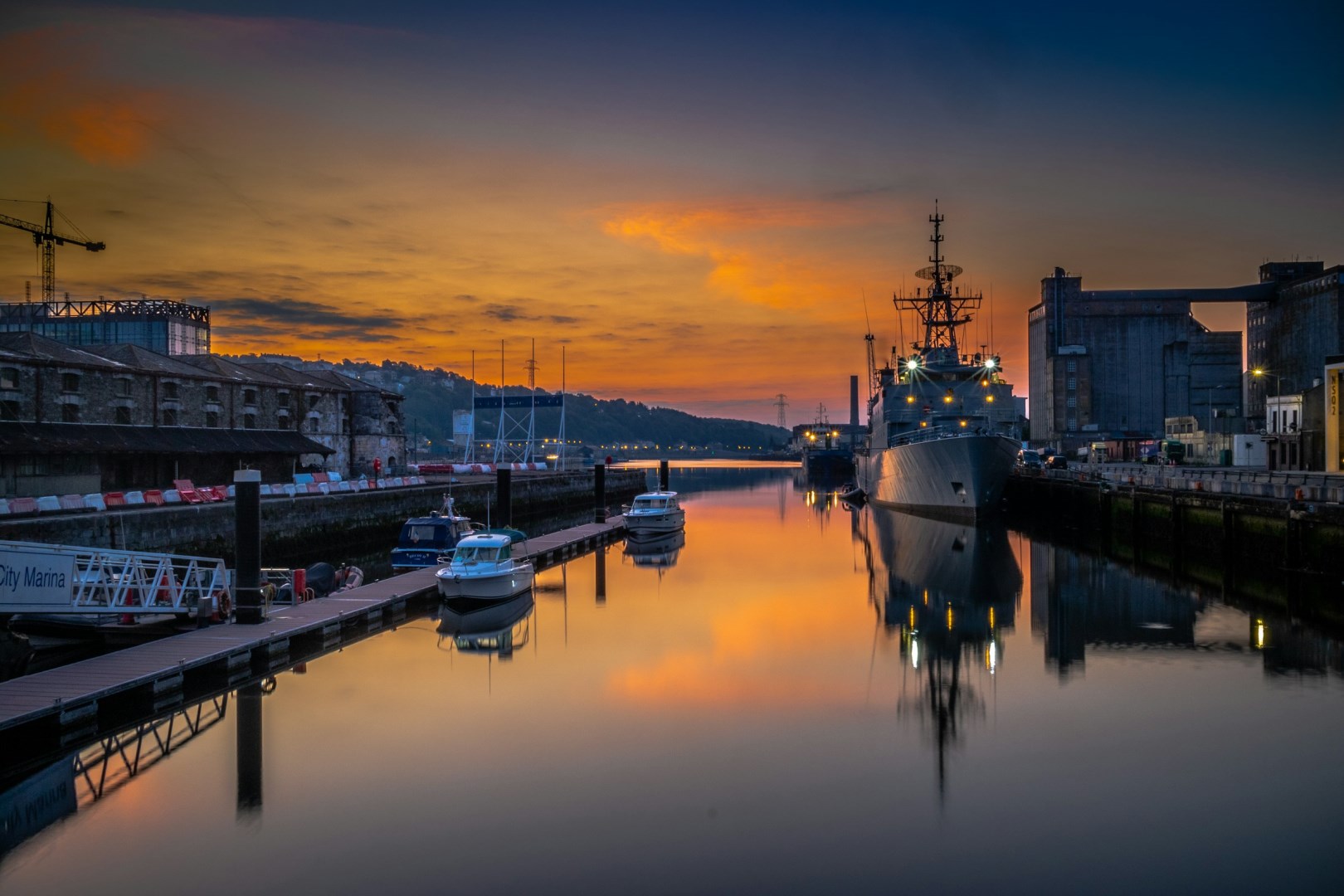
Nafplion
Nafplion, a picturesque coastal town in the Peloponnese, is often hailed as one of Greece's most charming and romantic destinations. As the first capital of modern Greece, Nafplion boasts a rich history, evident in its well-preserved neoclassical buildings, Venetian fortresses, and Ottoman influences.

Colorado Springs
Modern-day Colorado Springs is flourishing, as the second largest city in Colorado. Fortunately, the unique features which attracted people long ago still remain. Nature entices with her array of textures and striking colors. People from all over the world visit to appreciate the countless natural and man-made attractions the Pikes Peak region has to offer.
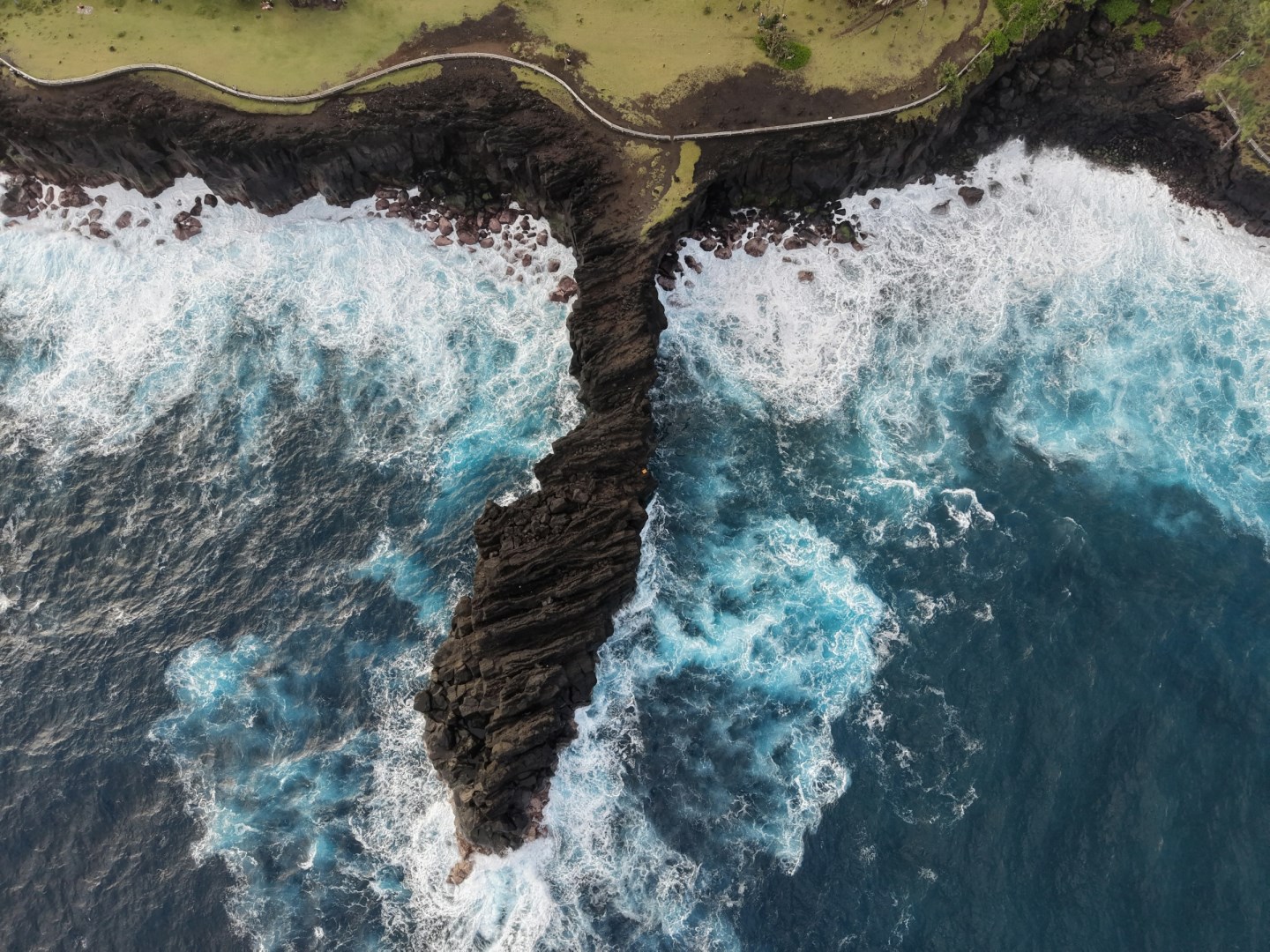
Saint Philippe
Saint-Philippe is a commune on the southeastern coast of Réunion, a French island in the southwestern Indian Ocean. Situated between Saint-Joseph and Sainte-Rose, it lies along the lower slopes of Piton de la Fournaise, one of the world’s most active volcanoes.
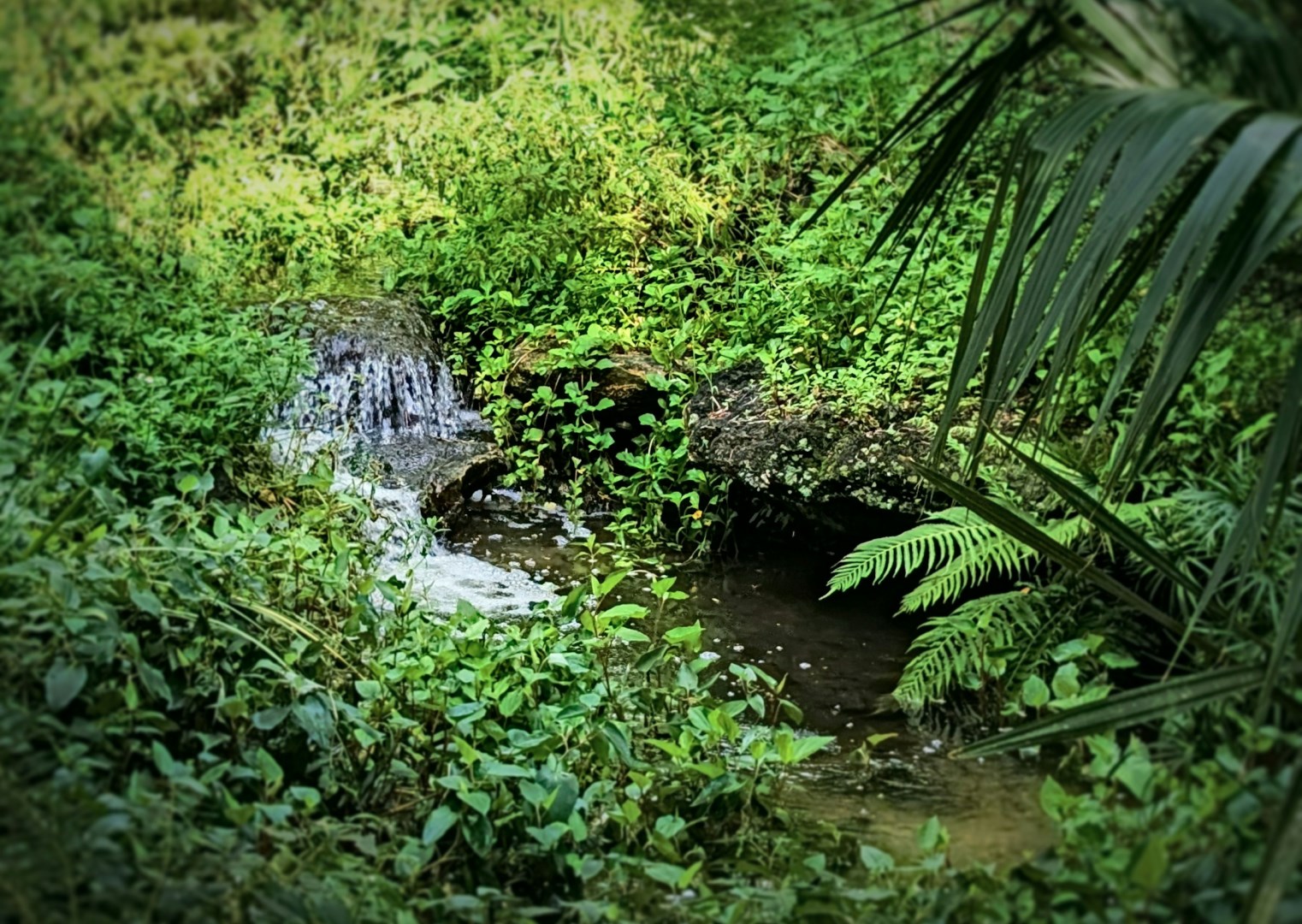
Gainesville
Gainesville is a north-central Florida city known for its university community, natural areas, and strong connection to education and research. The city is home to the University of Florida, whose campus is a major part of local life and culture. Gainesville is surrounded by rolling terrain, freshwater springs, forests, and wetlands, giving it a landscape that differs from Florida’s coastal cities.
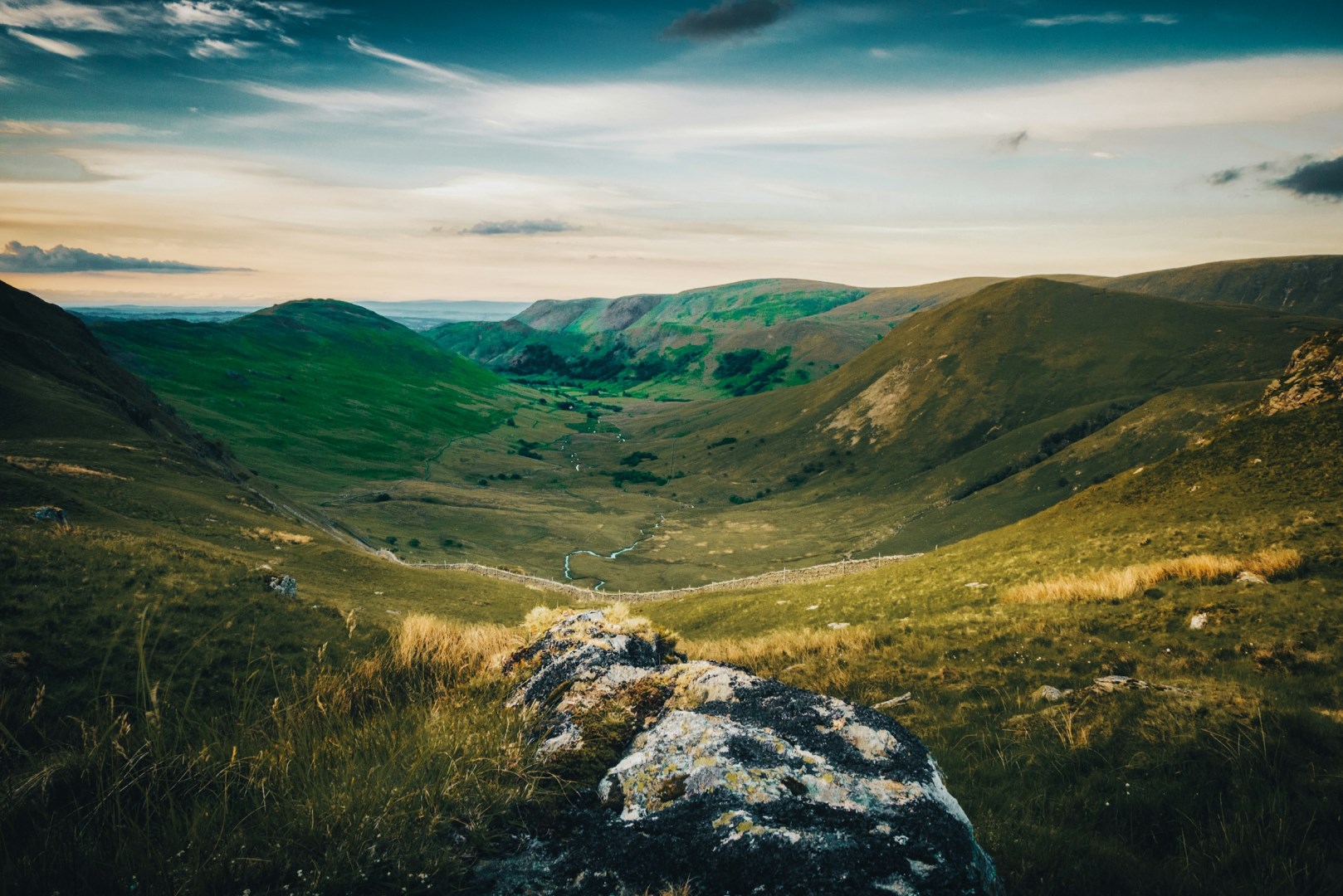
Penrith
Penrith is a market town in Cumbria, northern England, situated between the Lake District and the northern Pennines. Its location has long made it a useful stopping point for journeys across the region, while its town centre retains a traditional market-town character with stone buildings, independent shops, cafés, and a central market square.