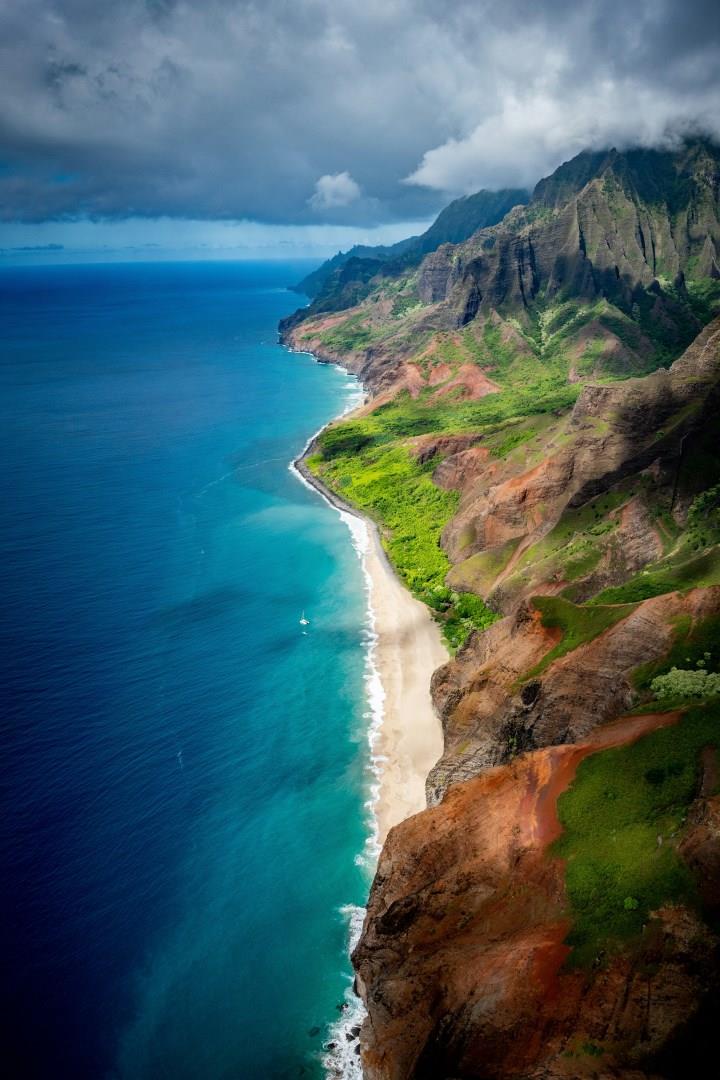
Napali Coast State Wilderness Park
Napali Coast State Wilderness Park, located on the northwestern edge of Kauai, is one of Hawaii’s most visually dramatic landscapes. The coastline stretches for 17 miles and is defined by towering cliffs, known locally as "pali," that rise over 4,000 feet above the Pacific Ocean. These rugged ridges are carved by centuries of rainfall and volcanic activity, creating a landscape only accessible by foot, boat, or air.
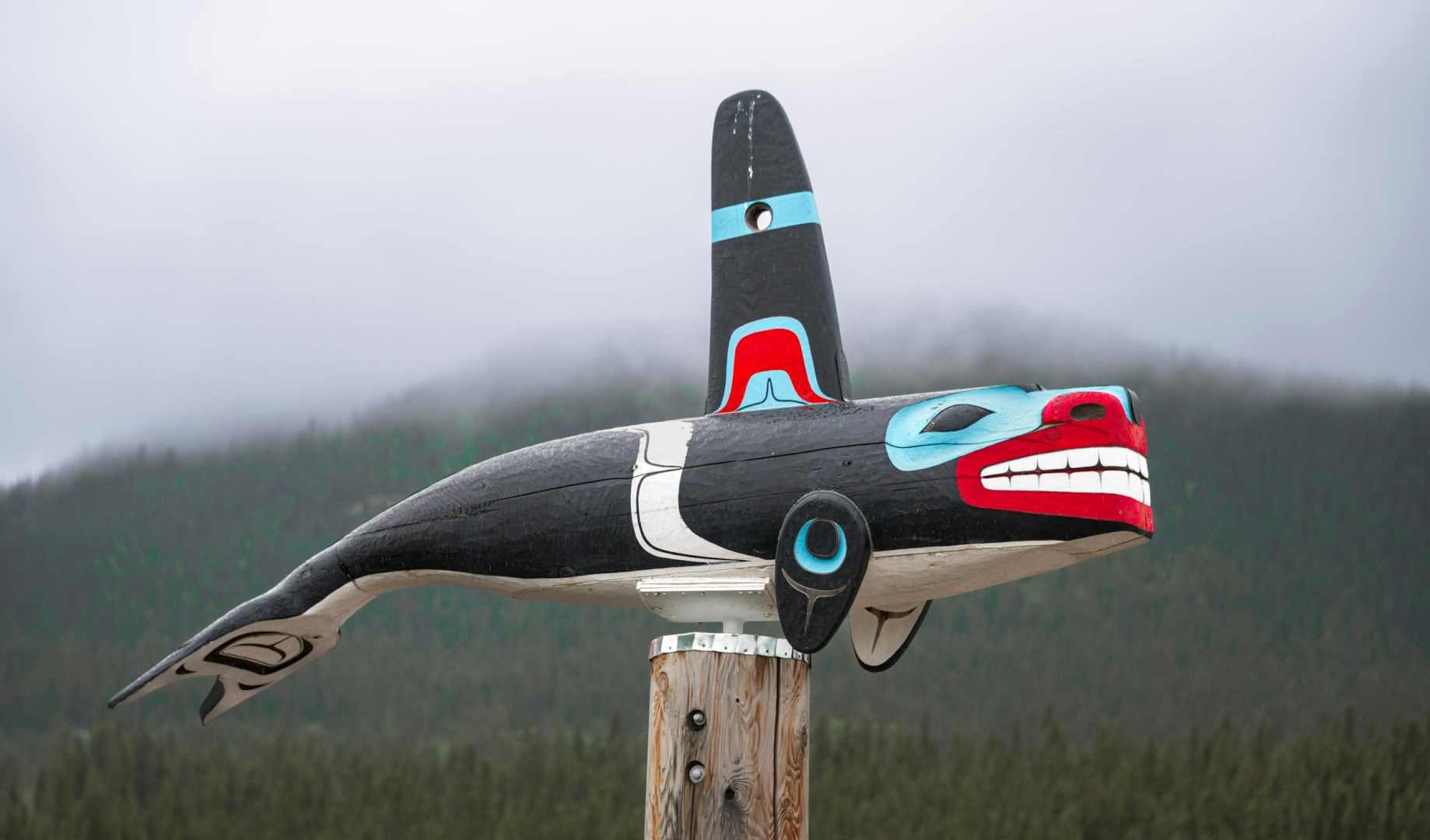
Carcross
Carcross is a small community in Yukon’s Southern Lakes region, located at the narrow passage between Bennett Lake and Nares Lake. Its setting combines sandy dunes, forested mountains, and glacier-fed lakes, with the community lying along the South Klondike Highway between Whitehorse and Skagway. Carcross is within the Traditional Territory of the Carcross/Tagish First Nation and remains closely connected to the surrounding land and waterways. Th
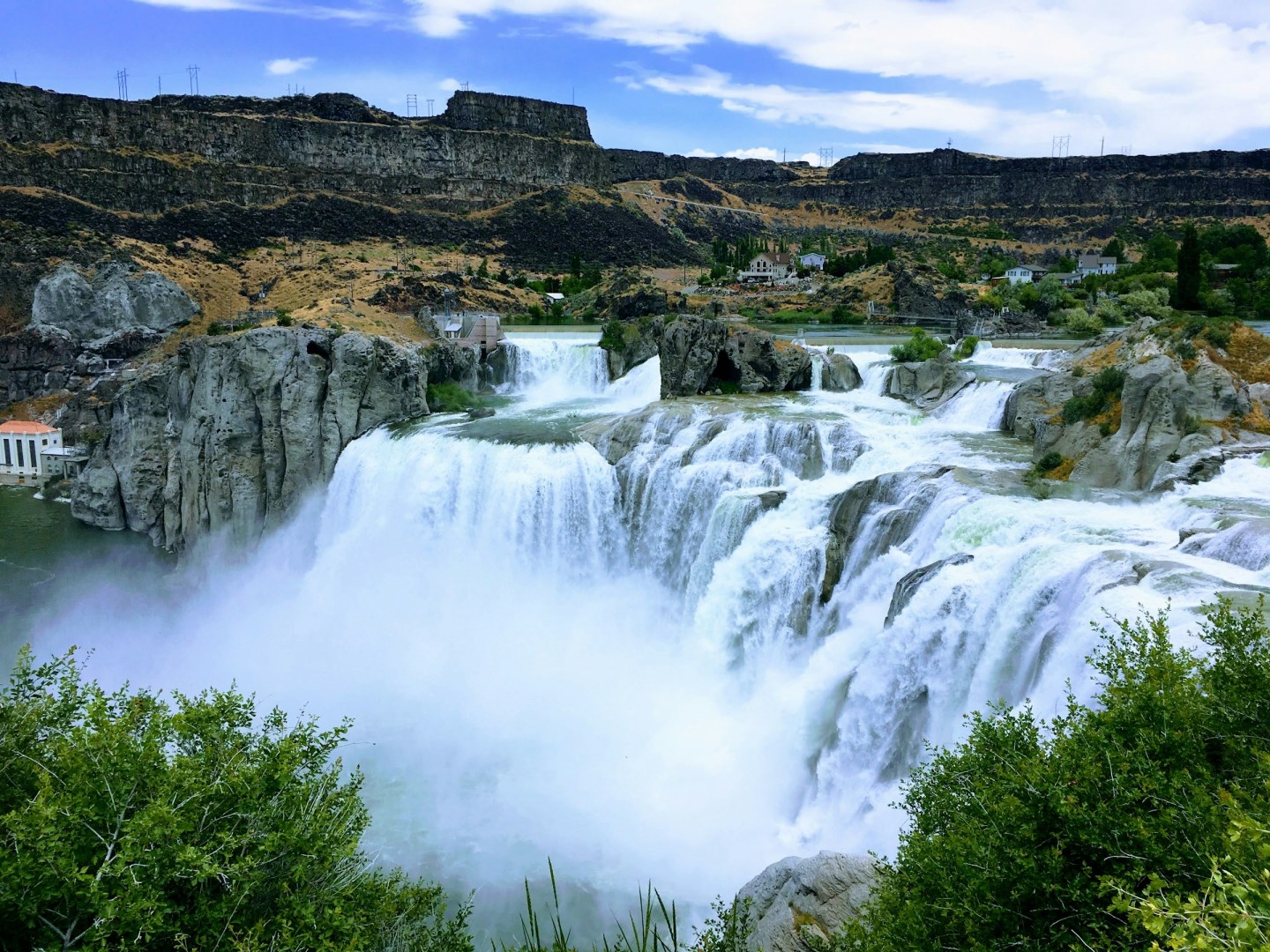
Twin Falls
Twin Falls is a city in southern Idaho overlooking the Snake River Canyon, where the Snake River has cut through the surrounding basalt landscape. The city serves as a regional center for the Magic Valley and is known for its access to canyon viewpoints, waterfalls, farmland, and river recreation. The Perrine Bridge crosses the canyon at the northern edge of the city and is a prominent local landmark.
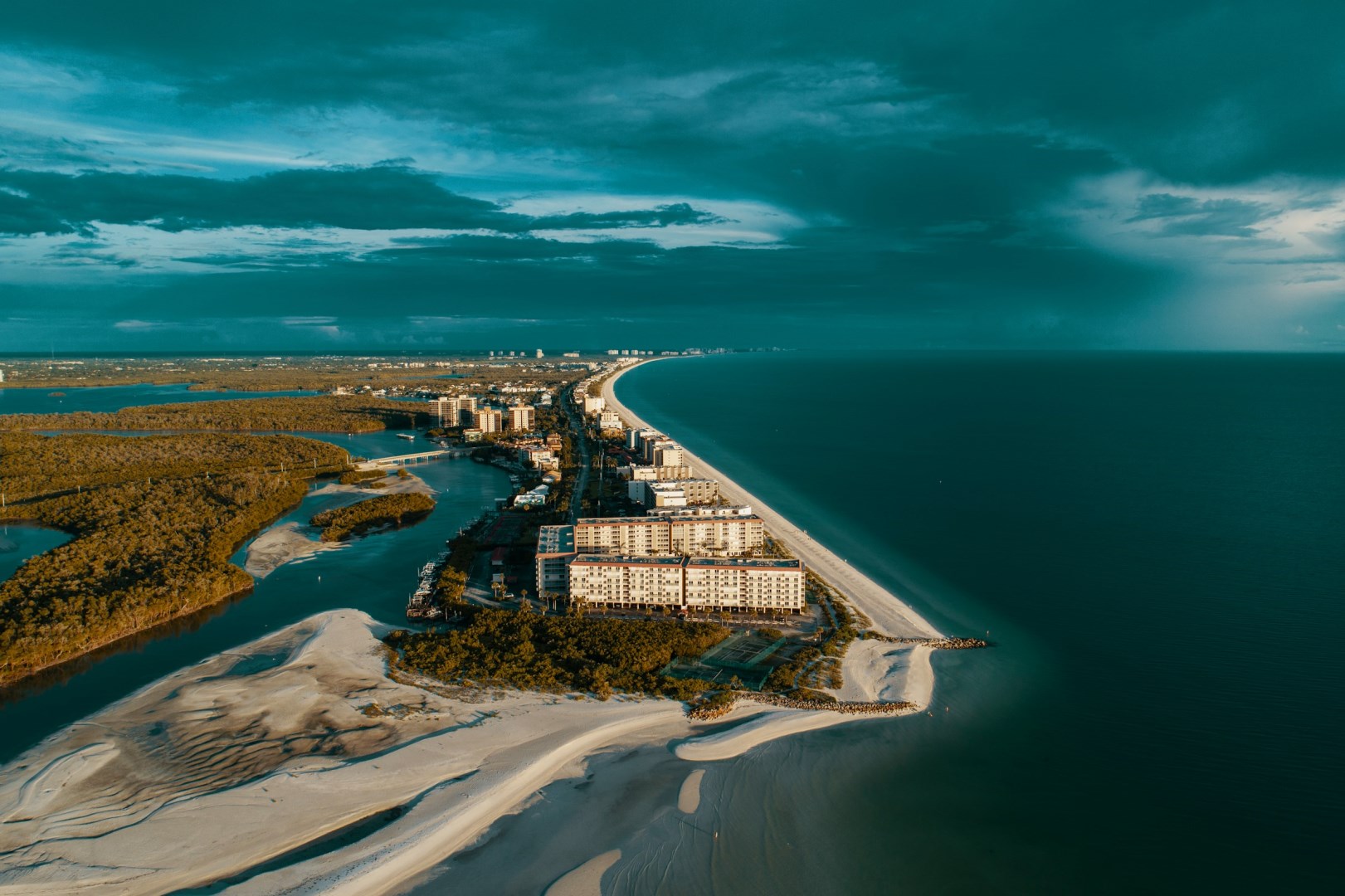
Bonita Springs
Bonita Springs is a coastal city in Southwest Florida, positioned between Fort Myers and Naples along the Gulf of Mexico. The community extends from the inland waters of the Imperial River to beaches and barrier islands along the Gulf, giving it a strong connection to both freshwater and saltwater environments. Its landscape includes mangrove forests, sandy beaches, pine flatwoods, and wetlands.

Nairobi
Nairobi, the capital of Kenya, is a vibrant city where modern energy meets untamed nature. Known as the “Green City in the Sun,” it blends bustling urban life with remarkable wildlife experiences.