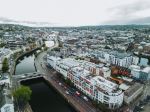
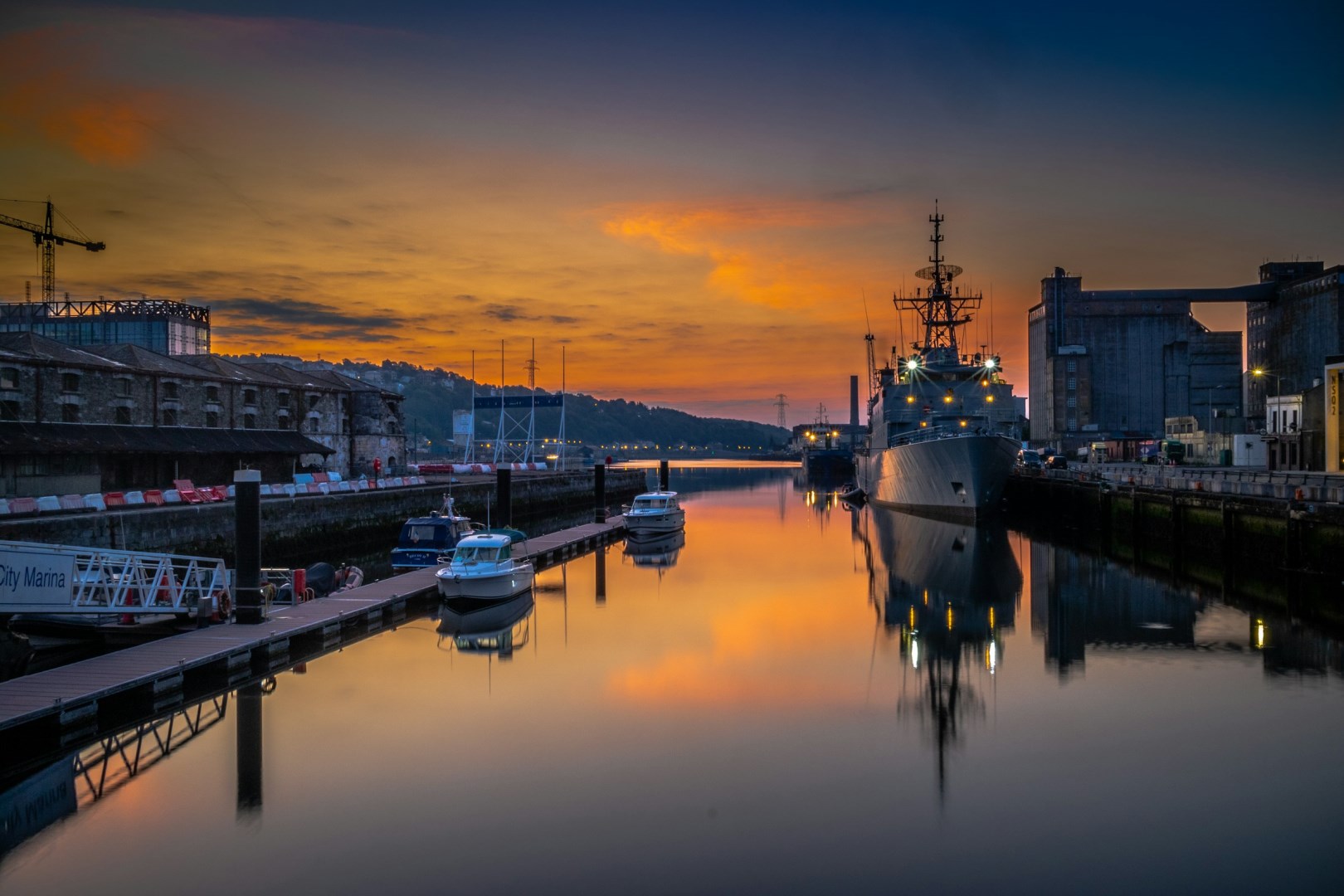
Puerto Blest
Puerto Blest is a remote destination within Nahuel Huapi National Park in Argentina’s Río Negro Province, set at the western end of Lago Nahuel Huapi near the border with Chile. Surrounded by dense Andean-Patagonian forest, steep mountains, and clear waterways, it has a more secluded character than the resort city of Bariloche. Puerto Blest is most commonly reached by boat across Lago Nahuel Huapi, making the journey itself an important part of the experience.
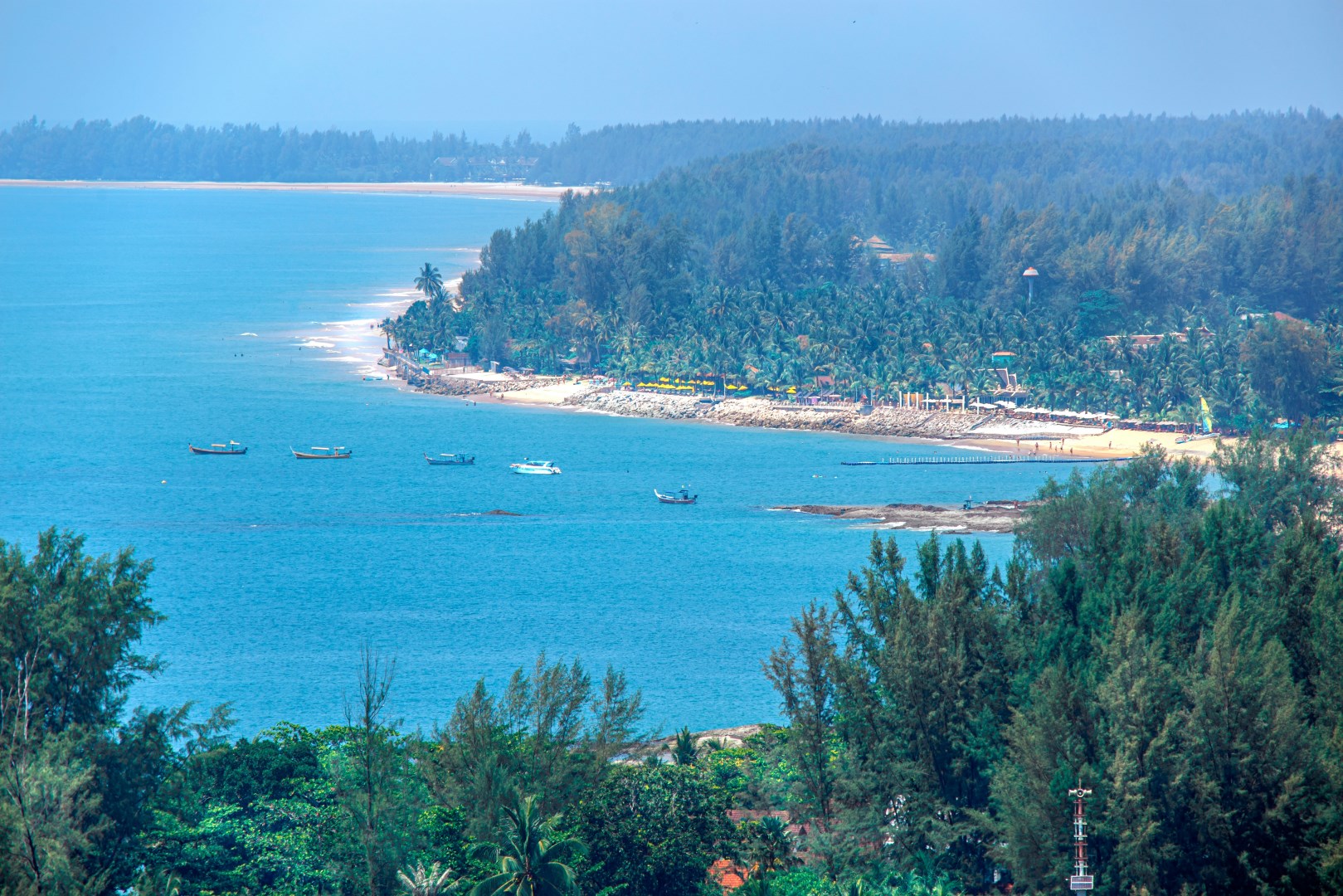
Khao Lak
Khao Lak rests quietly along Thailand’s Andaman coastline, about an hour north of Phuket, yet it feels worlds apart. This stretch of shoreline runs for miles, with wide sandy beaches that often seem almost untouched. The name itself comes from the nearby mountain that rises behind the coast, giving the area a dramatic backdrop where forest meets sea.
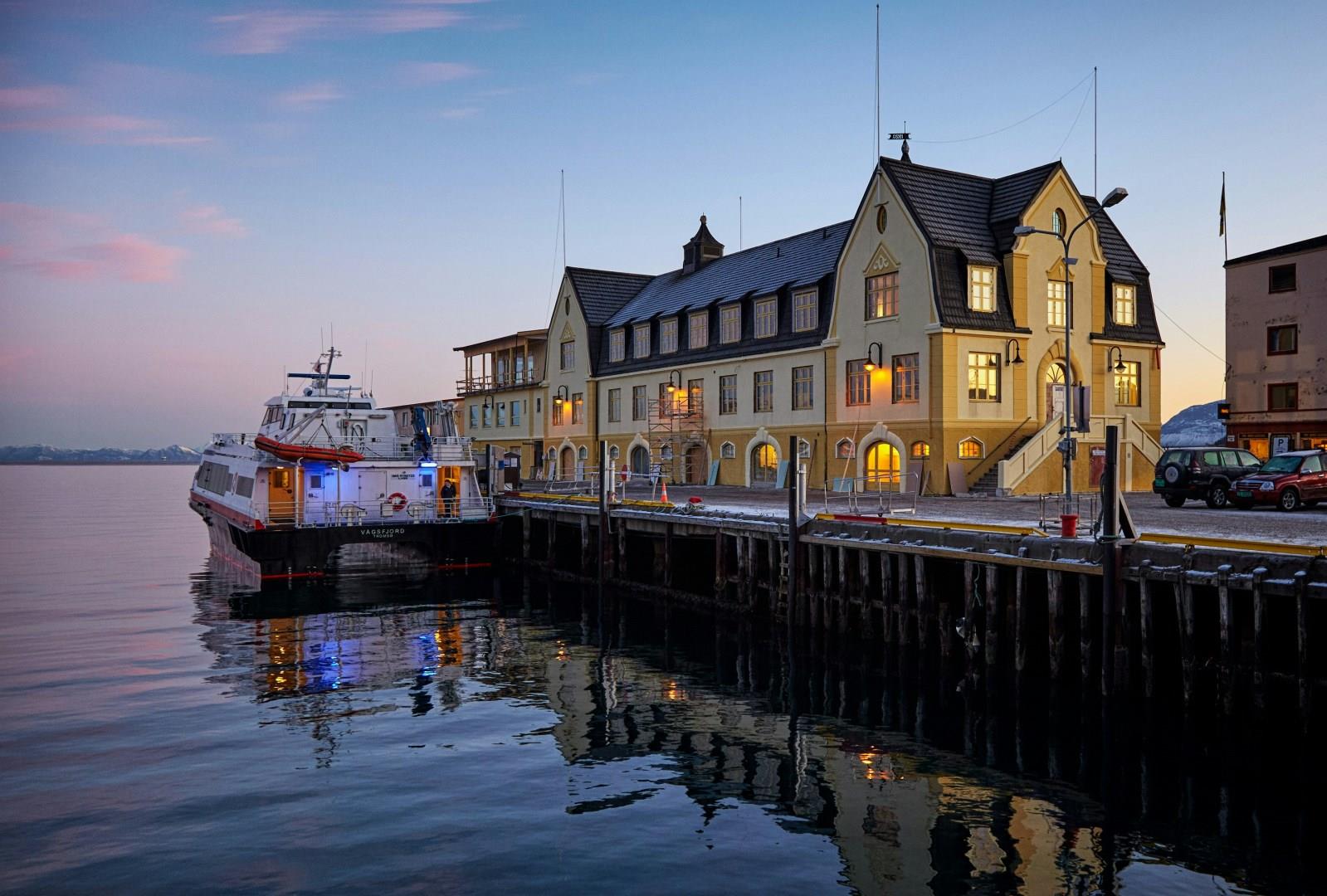
Harstad
Harstad is a coastal town in northern Norway, located on Hinnøya, the country’s largest island, and overlooking the strategic waters of Vågsfjorden. Its history spans from Viking settlements to modern fishing and shipping, giving the town a blend of maritime heritage and regional importance.
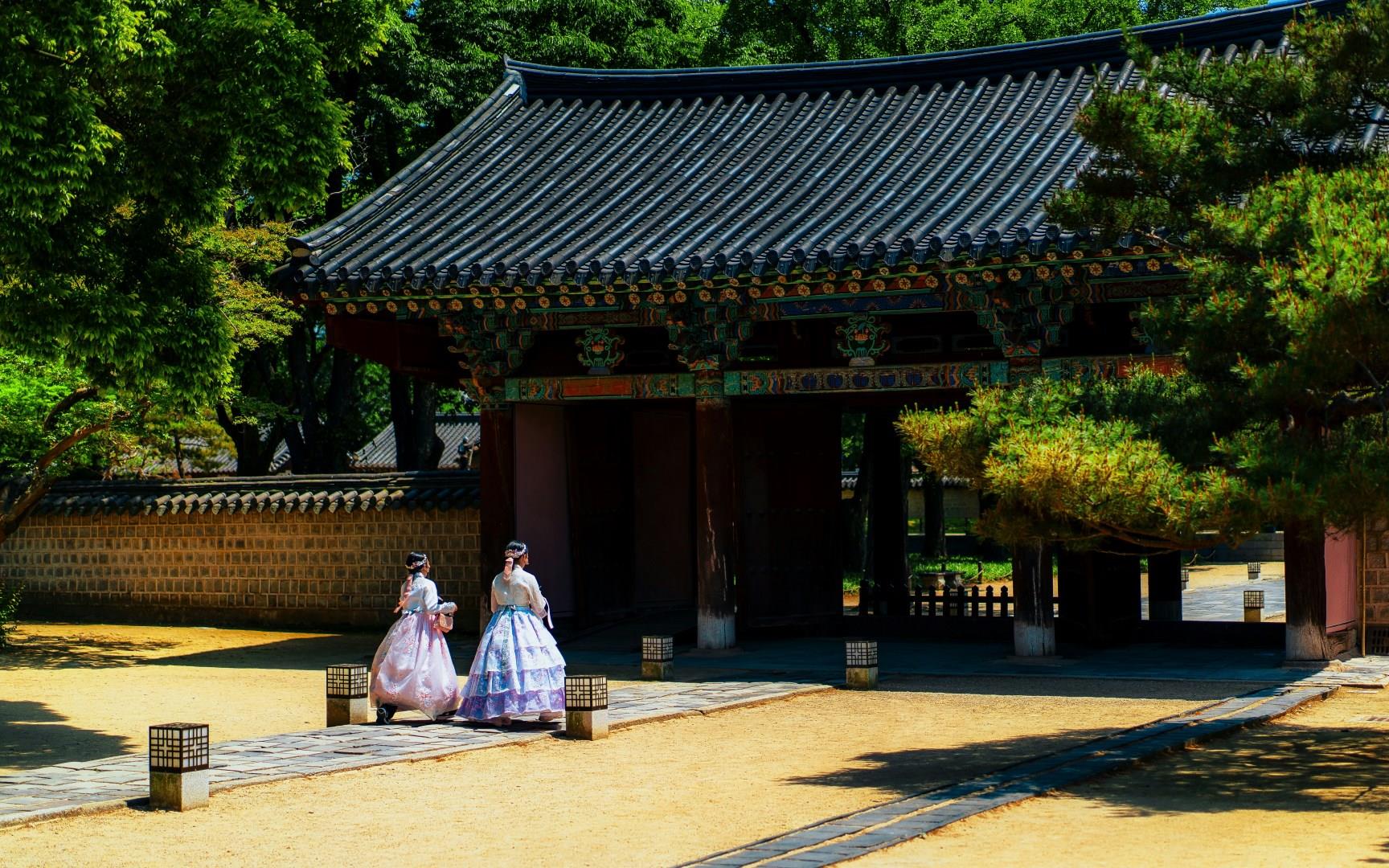
Jeonju-si
Jeonju-si, in South Korea’s North Jeolla Province, is widely associated with preservation rather than spectacle. The city’s identity is closely tied to its role as a former provincial capital during the Joseon Dynasty and as the birthplace of the royal Yi family.
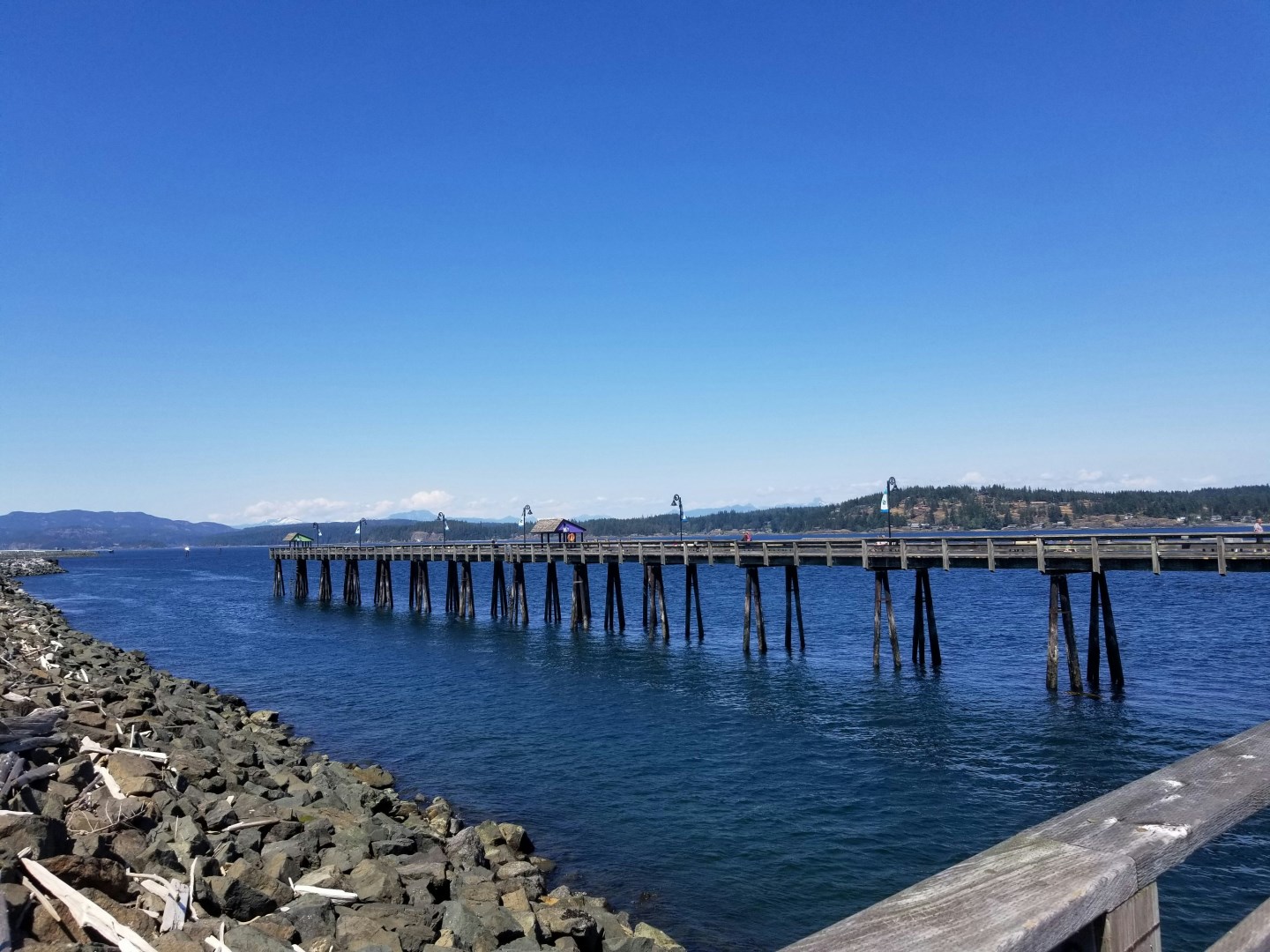
Campbell River
Campbell River is a coastal city on the eastern side of Vancouver Island in British Columbia, positioned where the Strait of Georgia meets the Discovery Passage.