Gibraltar
Perched at the southern tip of the Iberian Peninsula, Gibraltar is a captivating destination where British and Mediterranean influences seamlessly blend. Dominated by the iconic Rock of Gibraltar, this British Overseas Territory is a haven for travelers seeking both adventure and history. The Rock itself is a limestone monolith that stands 426 meters high and offers breathtaking views over the Strait of Gibraltar, where the Mediterranean Sea meets the Atlantic Ocean.

Bayonne
Bayonne, nestled in the heart of France's Basque Country, offers a delightful blend of history, culture, and gastronomy. This charming city, with its half-timbered houses and narrow cobbled streets, sits at the confluence of the Nive and Adour rivers, creating a picturesque setting that invites leisurely exploration. The Gothic Bayonne Cathedral, a UNESCO World Heritage Site offers stunning views and an opportunity to admire its breathtaking 13th-century architecture.

Hamburg
Located in northern Germany, Hamburg is an important commercial hub on the Elbe River and unique for the expansive system of canals which divide the city in two. Replete with fascinating architecture and scenic waterfront promenades, Hamburg offers plenty to see and explore!
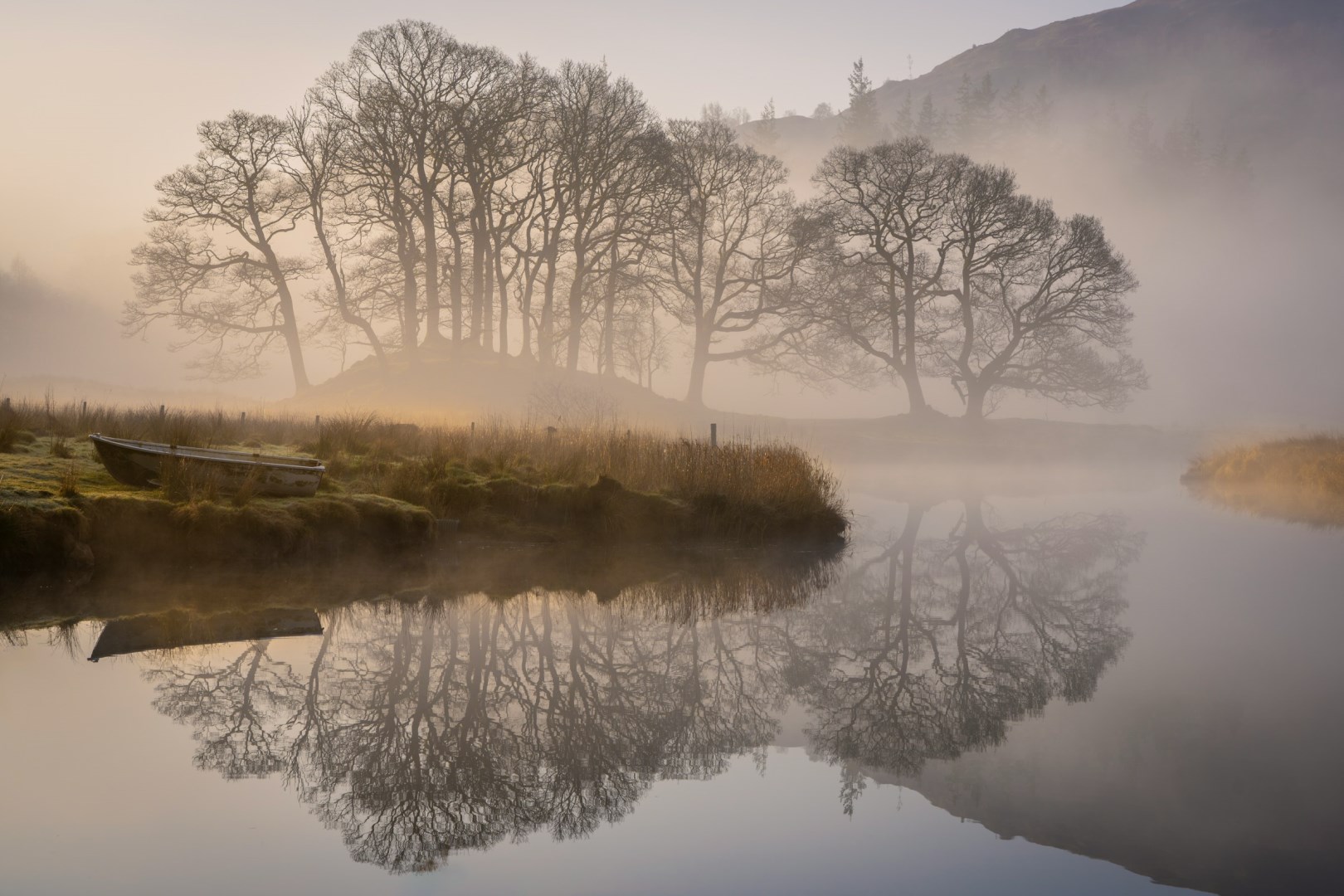
Ambleside
Ambleside lies on the main north/south road through the central lakes (A591) at the northern end of Lake Windermere. Its central location makes it an ideal base for walking, climbing or touring. Various attractions include St. Mary's Church, the Dolls House Museum, and The Lake District History Centre.
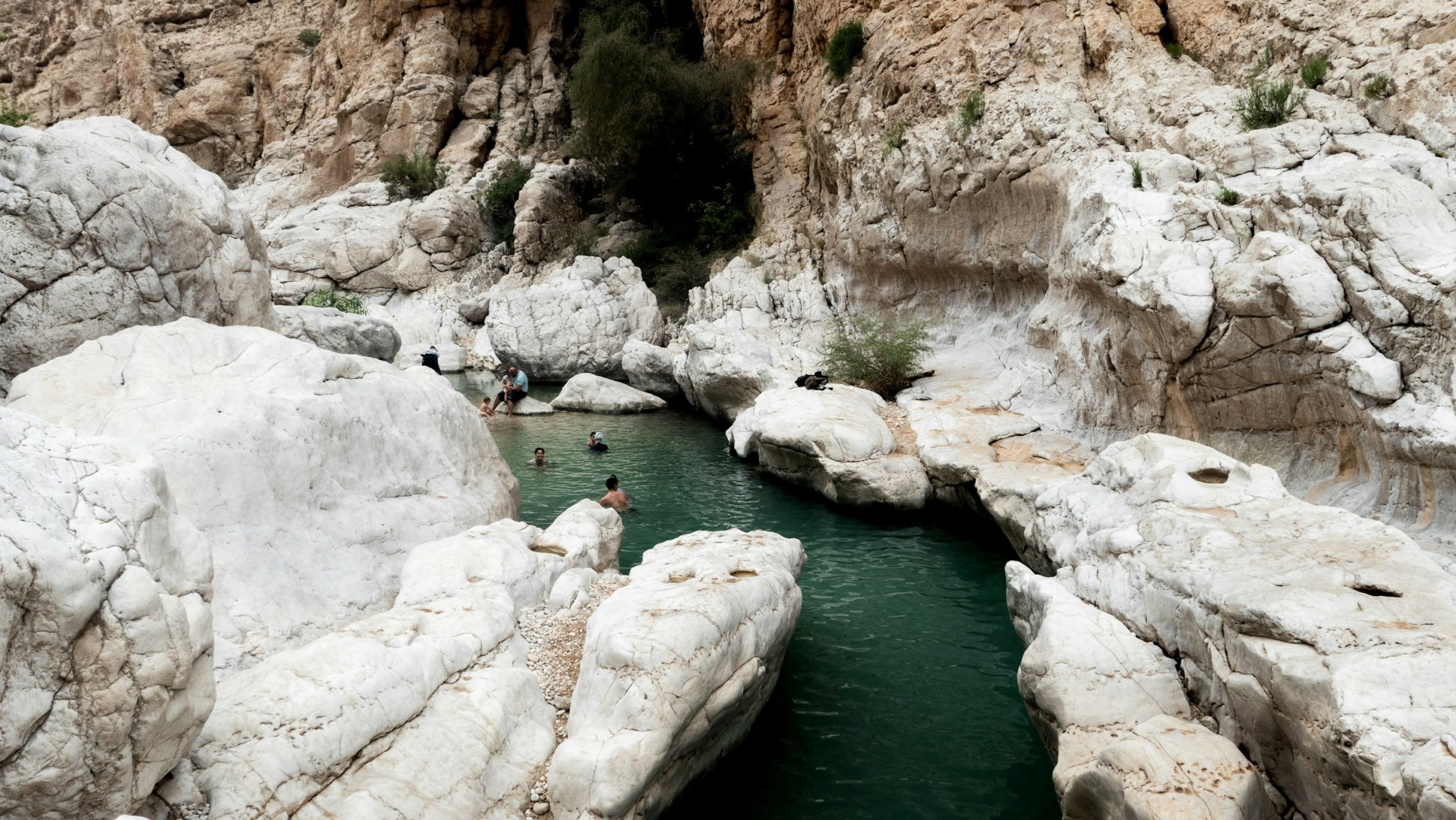
Wadi Bani Khalid
Wadi Bani Khalid is a major valley in Oman's Al Sharqiyah North Governorate, extending from the Hajar Mountains toward the desert landscapes of the Sharqiyah Sands. It is known for its year-round watercourses, pools, rocky gorges, and clusters of date palms. Unlike many wadis that can become dry, Wadi Bani Khalid retains flowing water in parts of its upper valley, creating a green contrast with the surrounding arid terrain.