Blarney
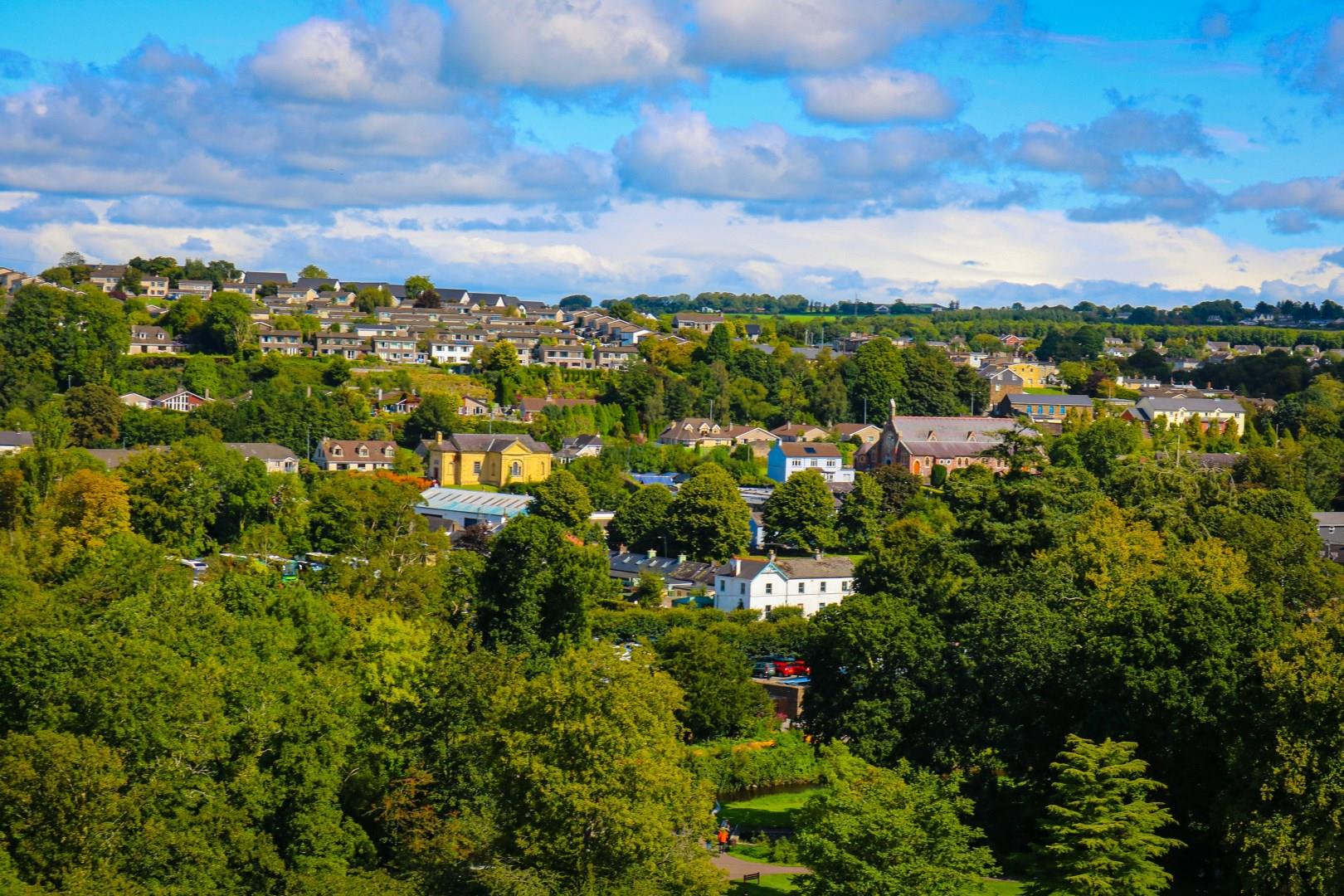
Blarney, a village just outside Cork in Ireland, is best known for its legendary Blarney Castle, where travelers from around the world come to kiss the famous Blarney Stone.
Antalya
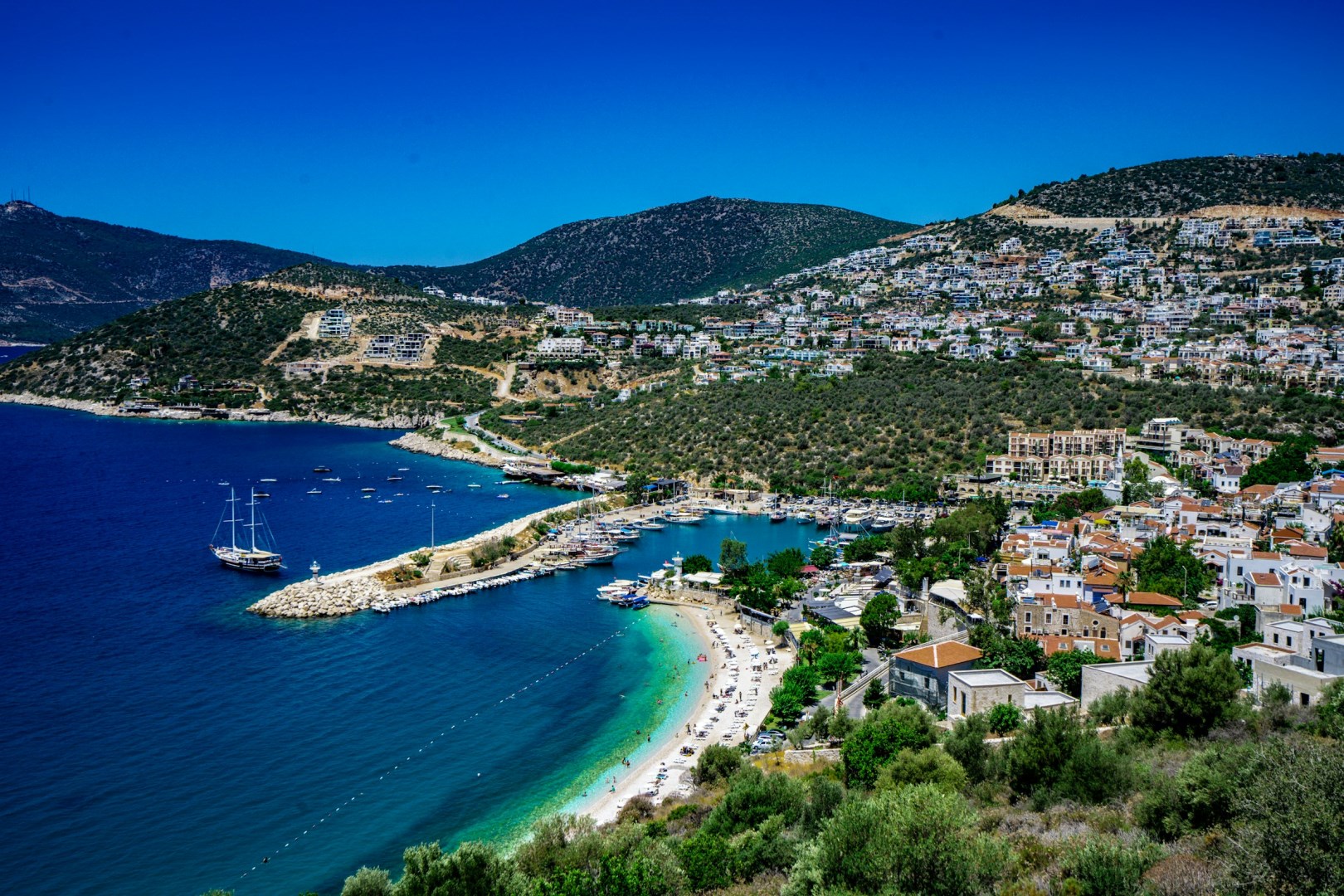
One of Turkey's popular holiday vacation spots, Antalya is an engaging city. The region is immersed in sunshine for 300 days of the year, making it a hot spot for sunbathing, swimming and activities like wind-surfing, water-skiing, sailing, mountain climbing and caving.

Washington D.C.
Washington, D.C., the vibrant capital of the United States, offers a perfect blend of history, politics, and culture that makes it a must-visit destination for travelers. Known for its iconic landmarks, such as the Lincoln Memorial, the Washington Monument, and the U.S. Capitol, D.C. offers endless opportunities to explore the country’s history through its architecture and museums.
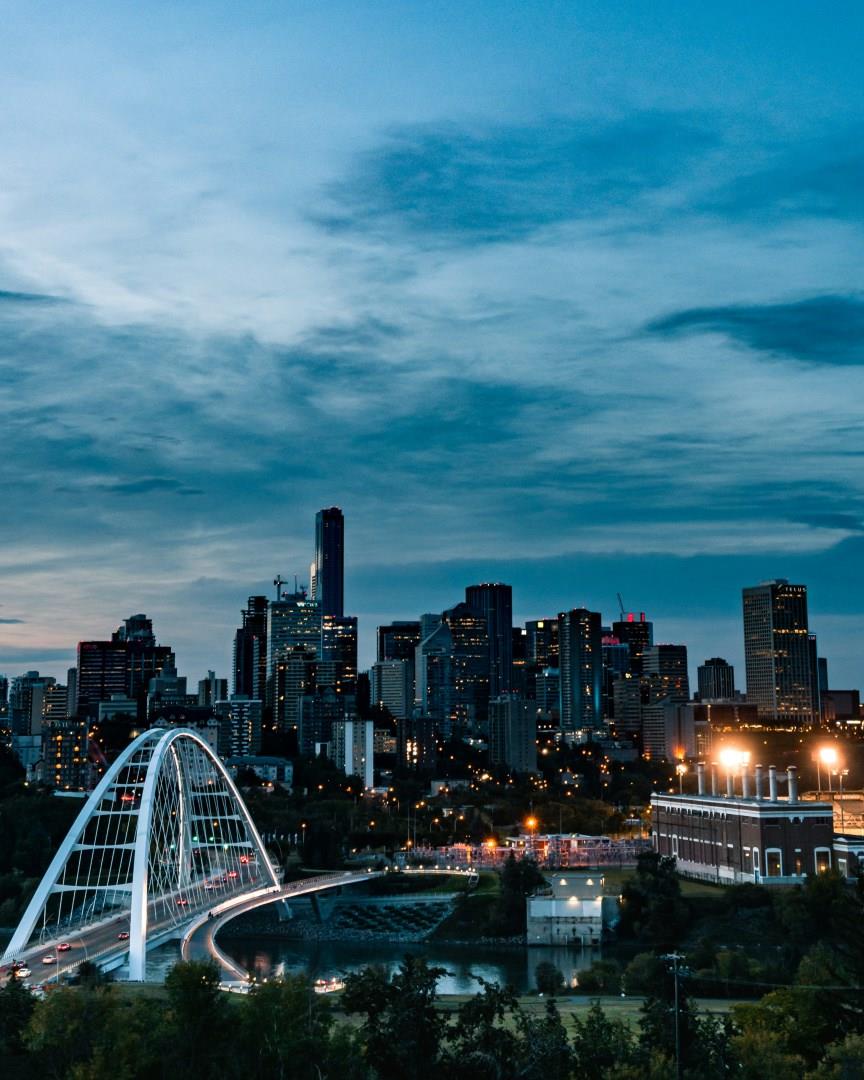
Edmonton
Edmonton, the capital of Alberta, is a city shaped by the meeting of prairie landscapes and the powerful North Saskatchewan River. With deep Indigenous roots and a history tied to fur trading posts, it has grown into a cultural and political hub of Western Canada.
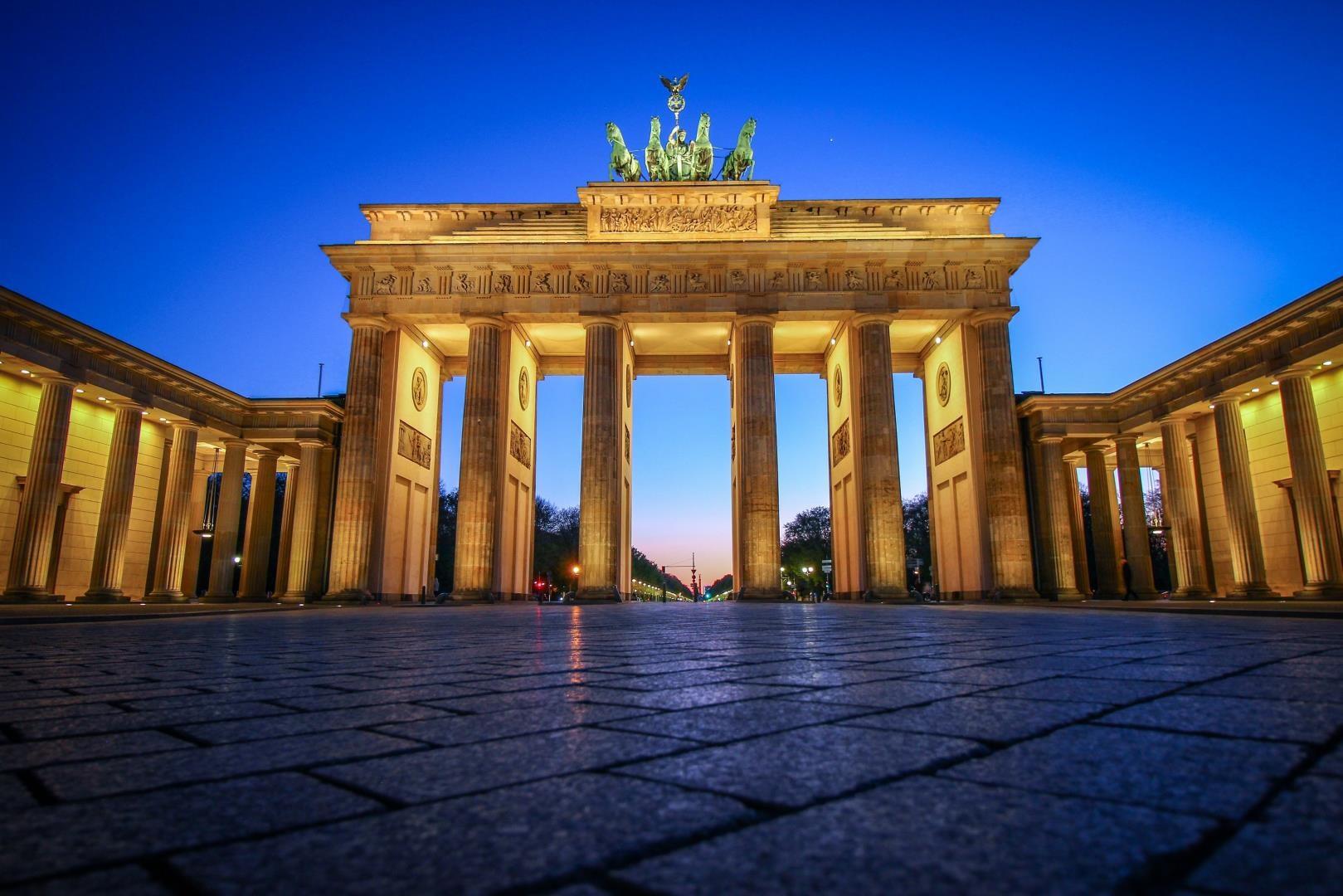
Berlin
Berlin has an undeniable history. The horrors of World War II, division, reunification, revolution all profoundly impacted the city in the 20th century. Today, visitors will find a sophisticated, high-energy city with endless cultural, architectural and gastronomic attractions.