Punakaiki
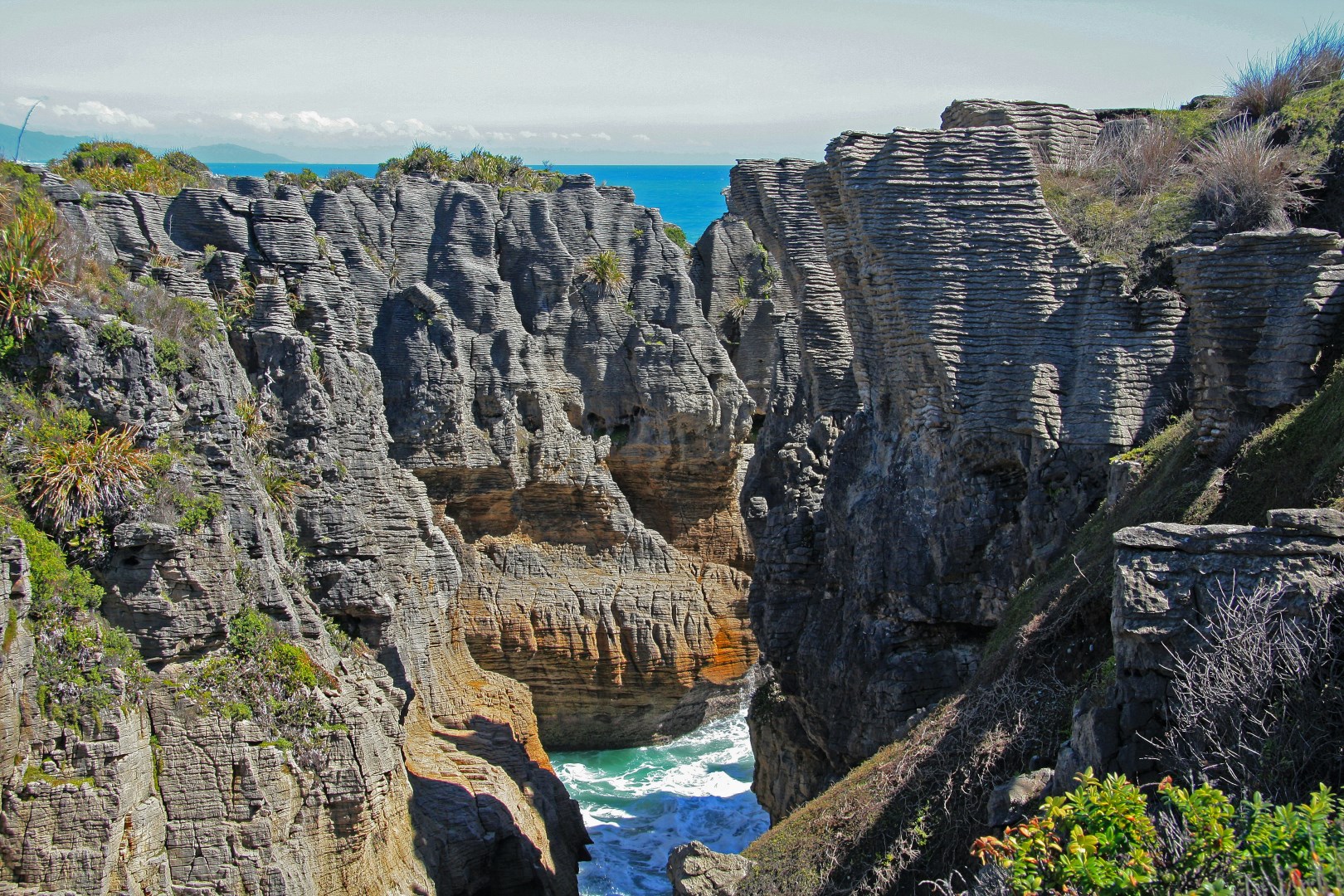
Punakaiki is a small coastal settlement on New Zealand’s South Island, located along the rugged West Coast within Paparoa National Park. It is widely recognized for its distinctive limestone formations and its position between dense rainforest and the Tasman Sea.
Sault Sainte Marie
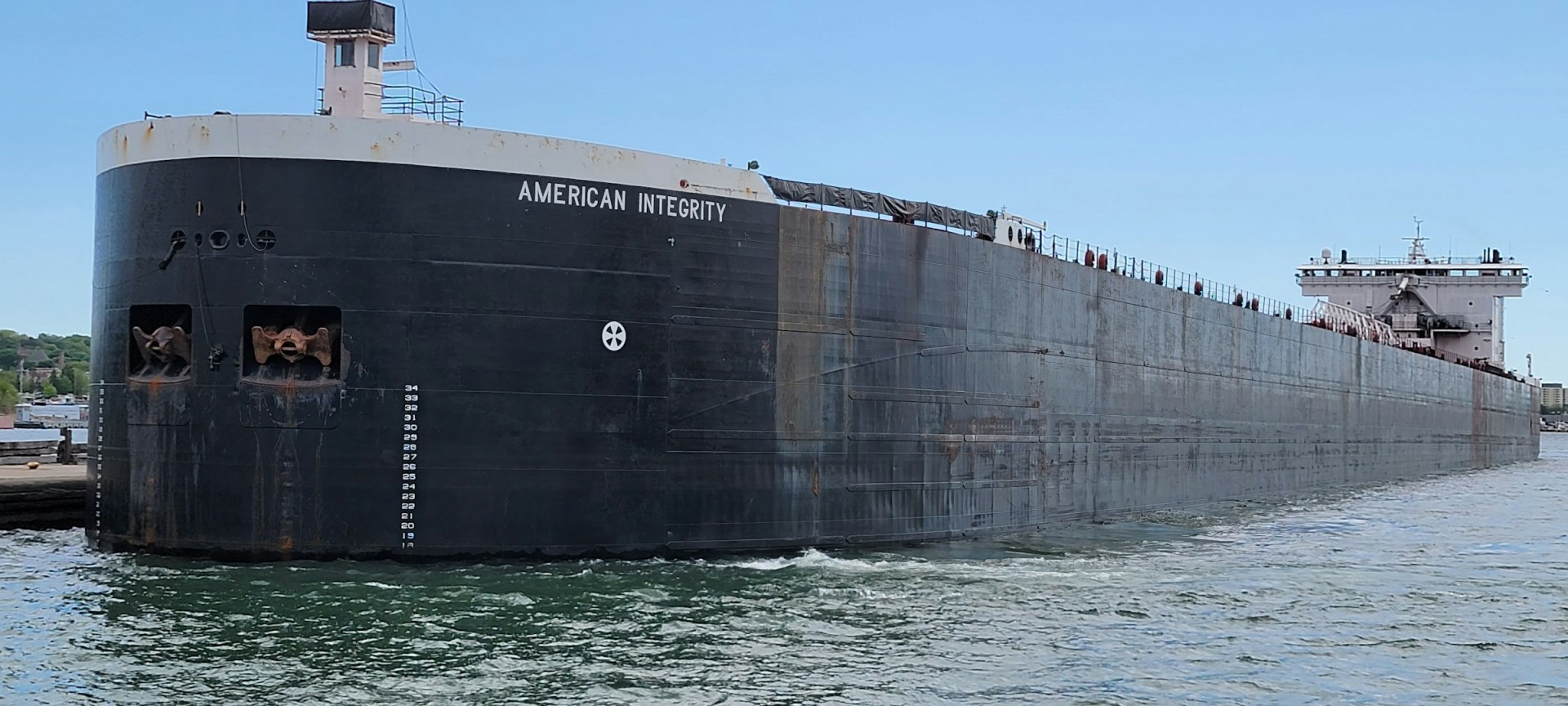
On the Canadian border where Lake Huron and Lake Superior meet, a canal built in 1895 still is used to have boats bypass the rapids of the St. Mary's river.
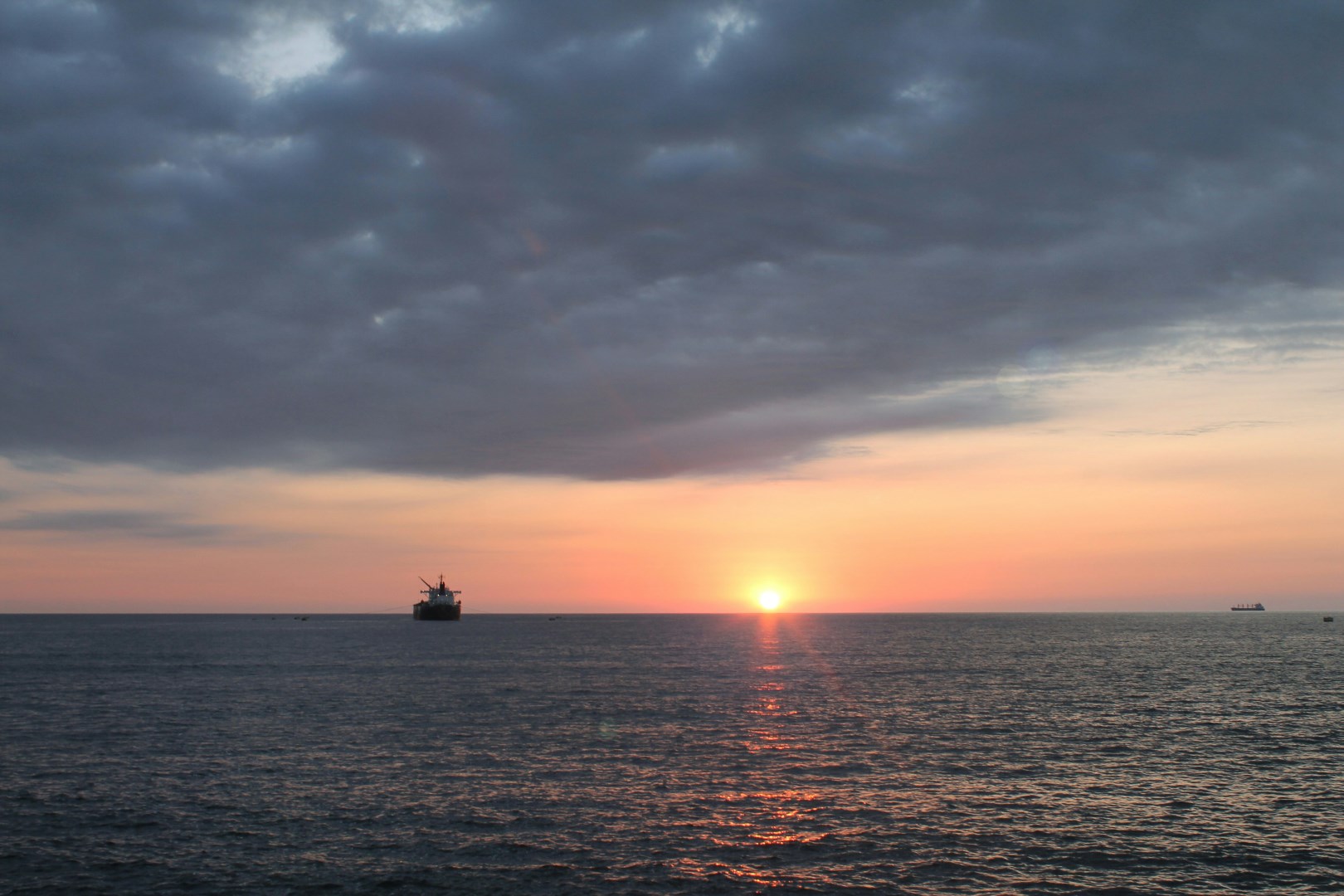
Acajutla
Acajutla is the principal Pacific port of El Salvador, located in the department of Sonsonate along the country’s western coastline. The city plays an important role in trade and transportation, with cargo ships, fishing boats, and industrial facilities shaping much of the waterfront activity.
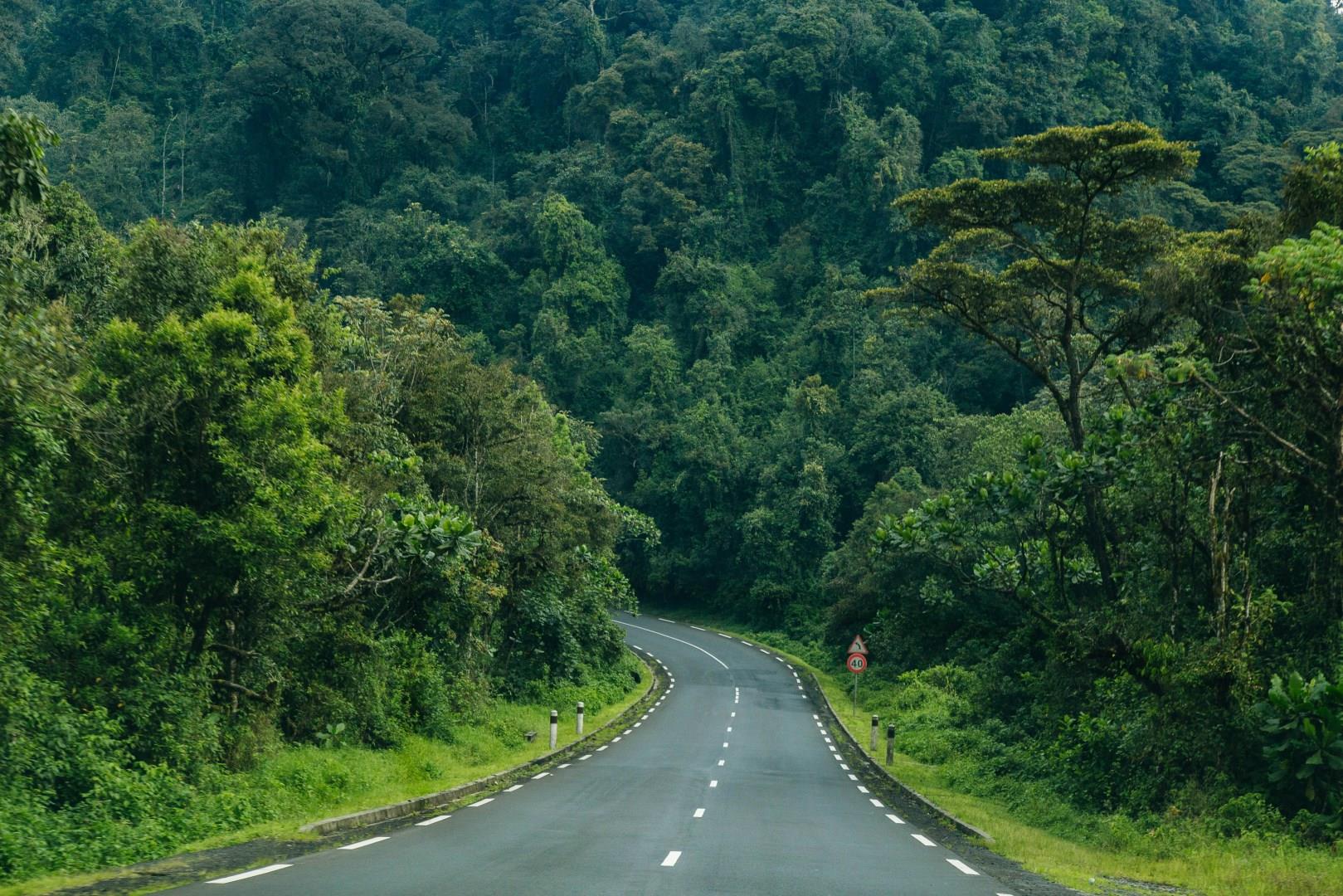
Nyungwe Forest National Park
Nyungwe Forest National Park, in southwestern Rwanda, is one of Africa’s oldest rainforests and a sanctuary of biodiversity. Spanning more than 1,000 square kilometers, the park shelters a wealth of wildlife, including over 300 bird species, 1,000 plant species, and an impressive 13 primate species.
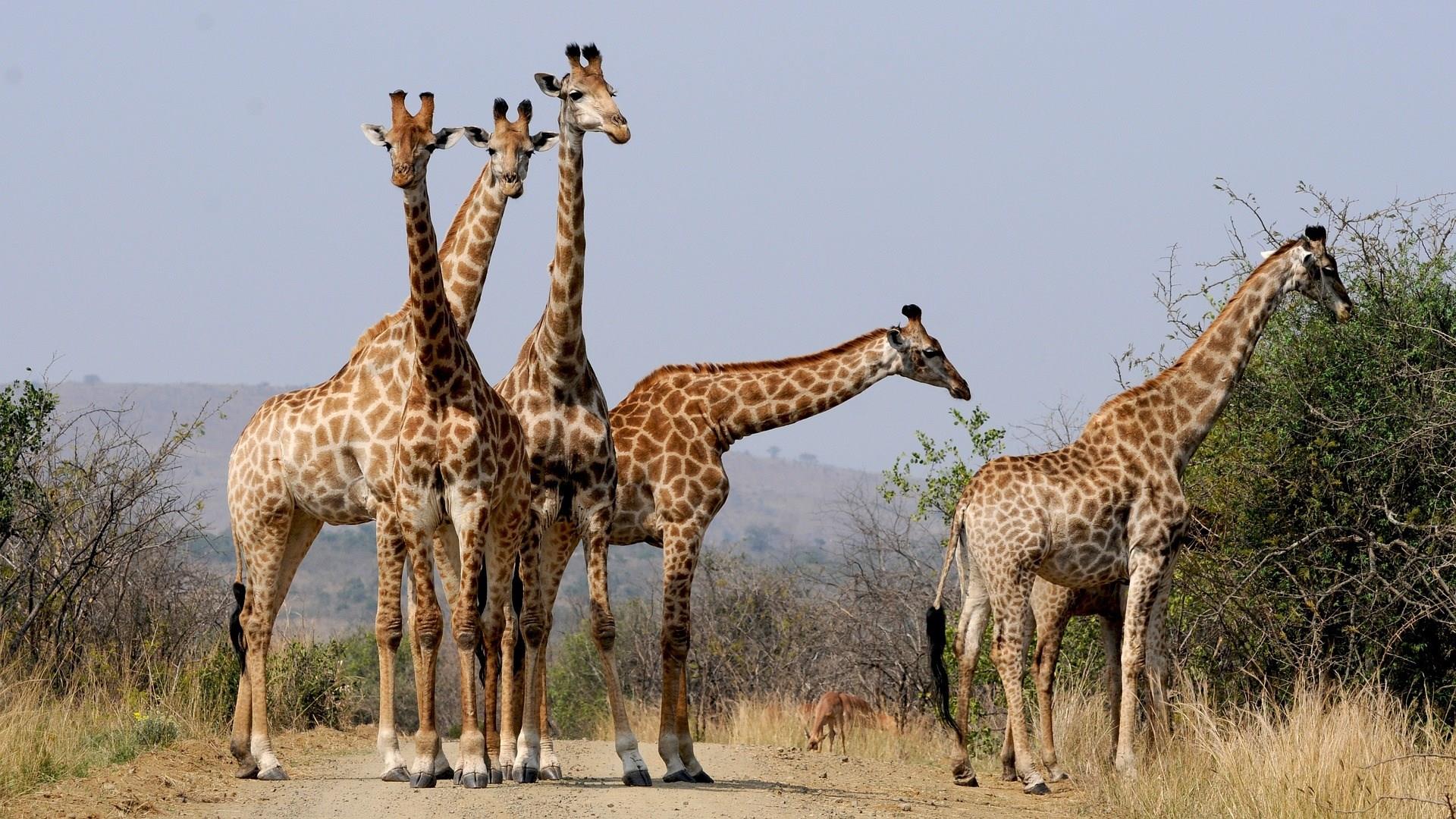
Hluhluwe
Nestled in the heart of KwaZulu-Natal, South Africa, Hluhluwe is a gateway to one of the country’s most remarkable conservation areas, the Hluhluwe-iMfolozi Park. This park, renowned for its successful rhino conservation efforts, offers visitors an unparalleled wildlife experience. As the oldest proclaimed reserve in Africa, Hluhluwe-iMfolozi Park is a haven for both the critically endangered white rhino and the more elusive black rhino.