Las Vegas
Las Vegas, Nevada, is an electrifying city where glitz and glamour meet entertainment and excitement. Known as "The Entertainment Capital of the World," Las Vegas offers an unparalleled array of attractions, from its iconic casinos and luxurious hotels to its world-class dining and live shows. The city's entertainment scene is second to none, featuring legendary headliners, cutting-edge performances, and an array of themed attractions.
Nouakchott
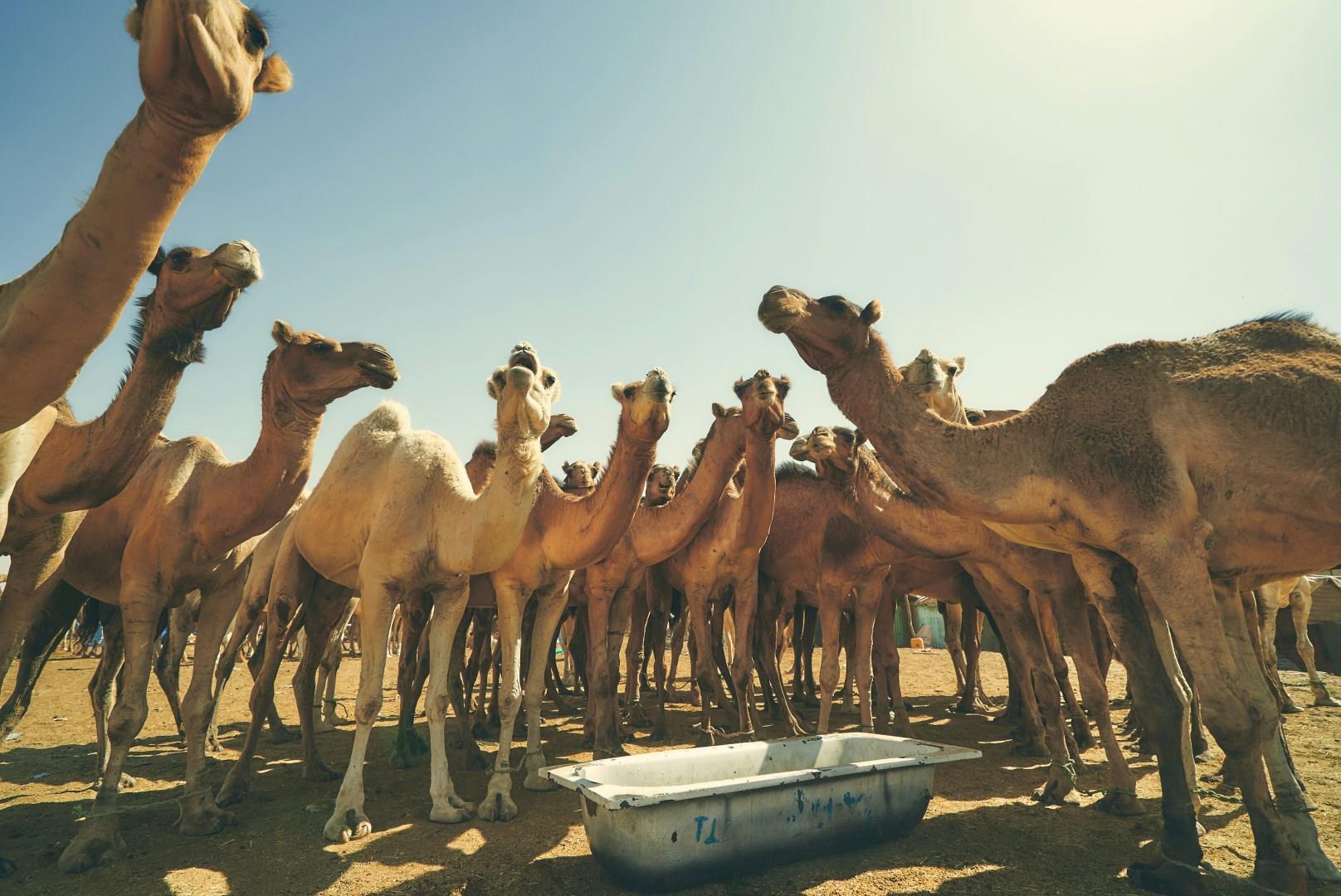
Nouakchott, the capital of Mauritania, is a city that blends the desert’s quiet rhythms with the daily life of a growing urban center. Its coastal setting, unique cultural traditions, and access to the desert make Nouakchott both an introduction to Mauritania and a gateway to exploring the country further.

Papua New Guinea
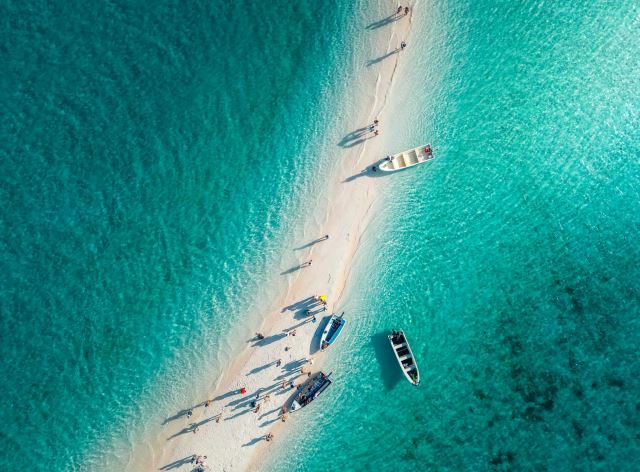
Papua New Guinea is a land of surprises, where misty highlands give way to tropical coasts and vibrant festivals stir every sense. In the Highlands, the air carries the echoes of ceremonial drums and elaborate sing‑sings like the famed Goroka Show, where over 100 tribes gather in September to perform dances adorned with feathered headdresses, body paint, and the haunting clay masks of the Asaro Mudmen.
Sanur Bali
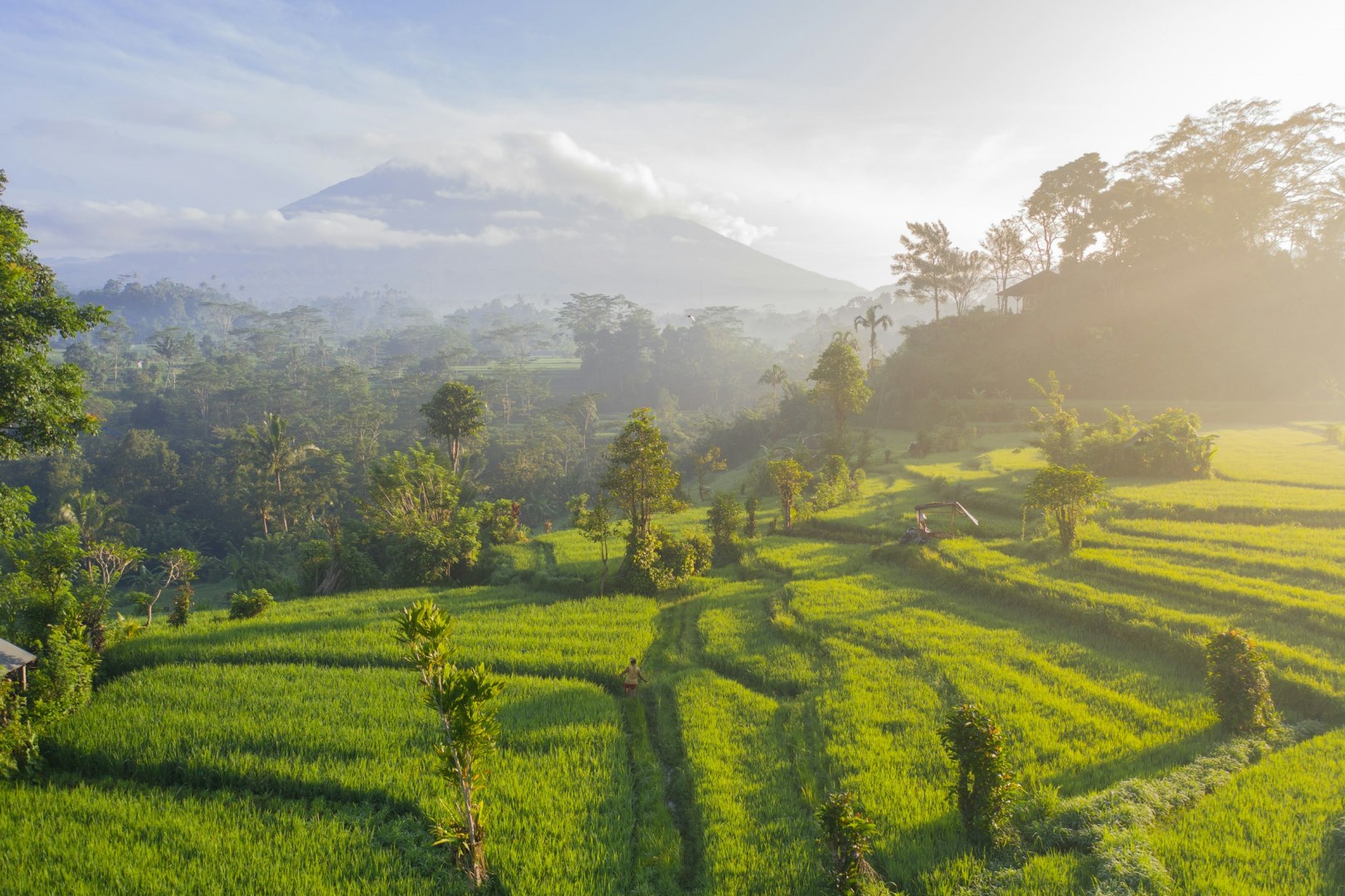
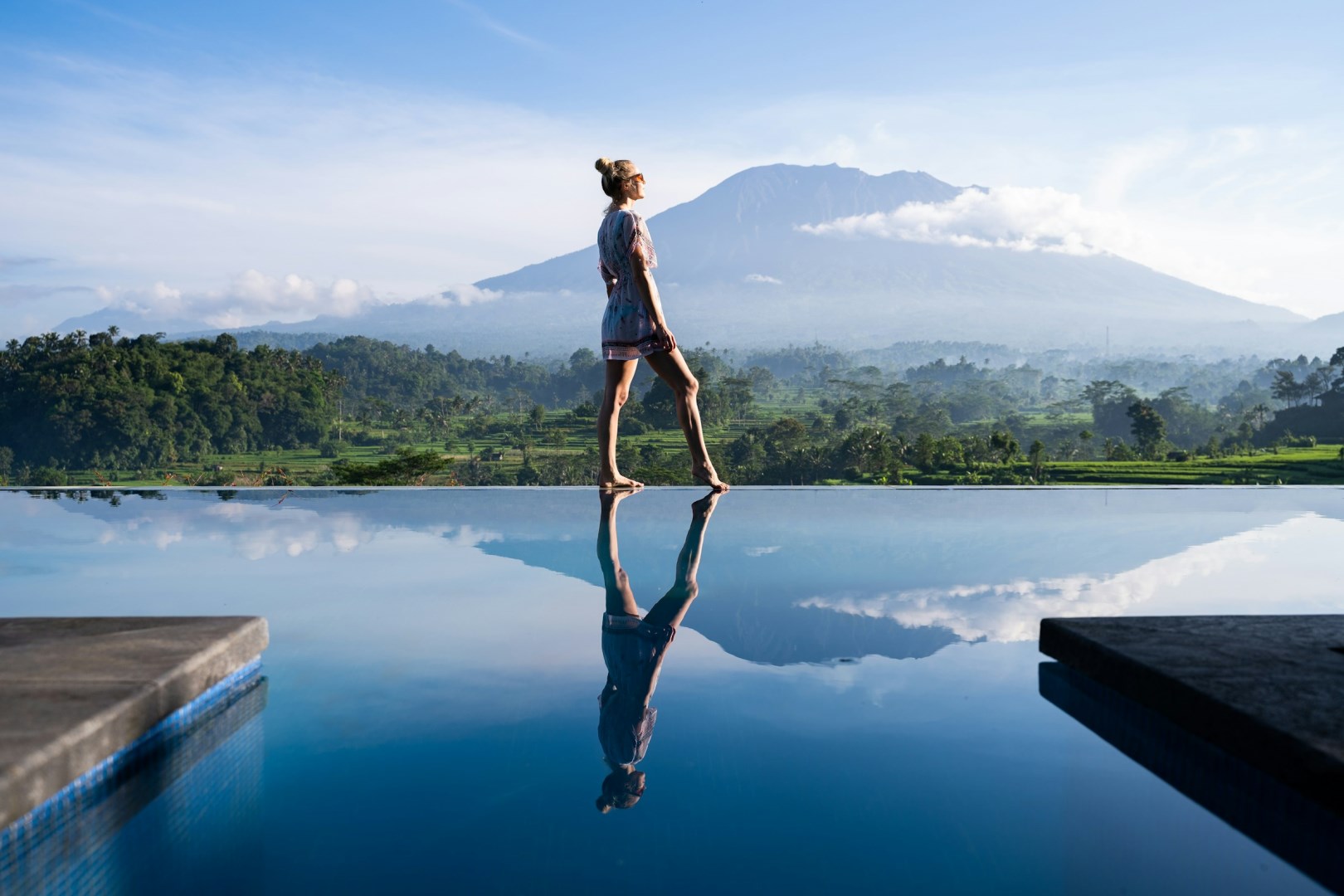
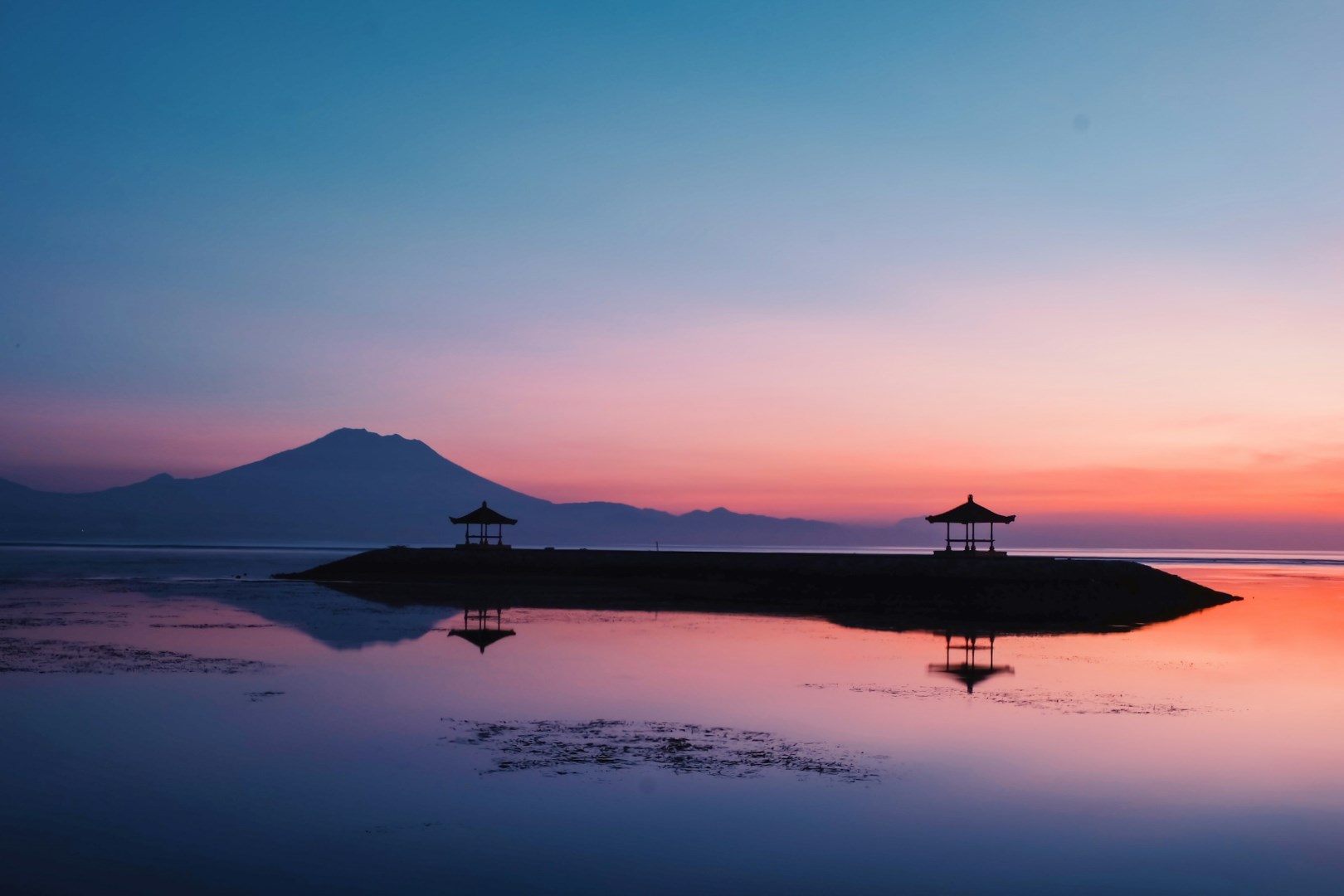
Sanur, Bali's oldest resort village, has an atmosphere rich in culture, unmatched beauty and charm. Hotels are nestled among fragrant tropical gardens, and shops line tree shaded lanes. Far from the hustle and bustle of Kuta, Sanur's relaxed atmosphere has remained unchanged for centuries.

Monterey
Monterey, California, is a coastal gem with a rich maritime history and stunning natural beauty. Located on the rugged Pacific coastline, this charming city is renowned for its world-class aquarium, the Monterey Bay Aquarium, which offers visitors a chance to explore the vibrant marine life of the region. Monterey's historic Cannery Row, once the center of the sardine-packing industry, has been transformed into a lively waterfront area brimming with shops, restaurants, and cultural attractions.