La Romana
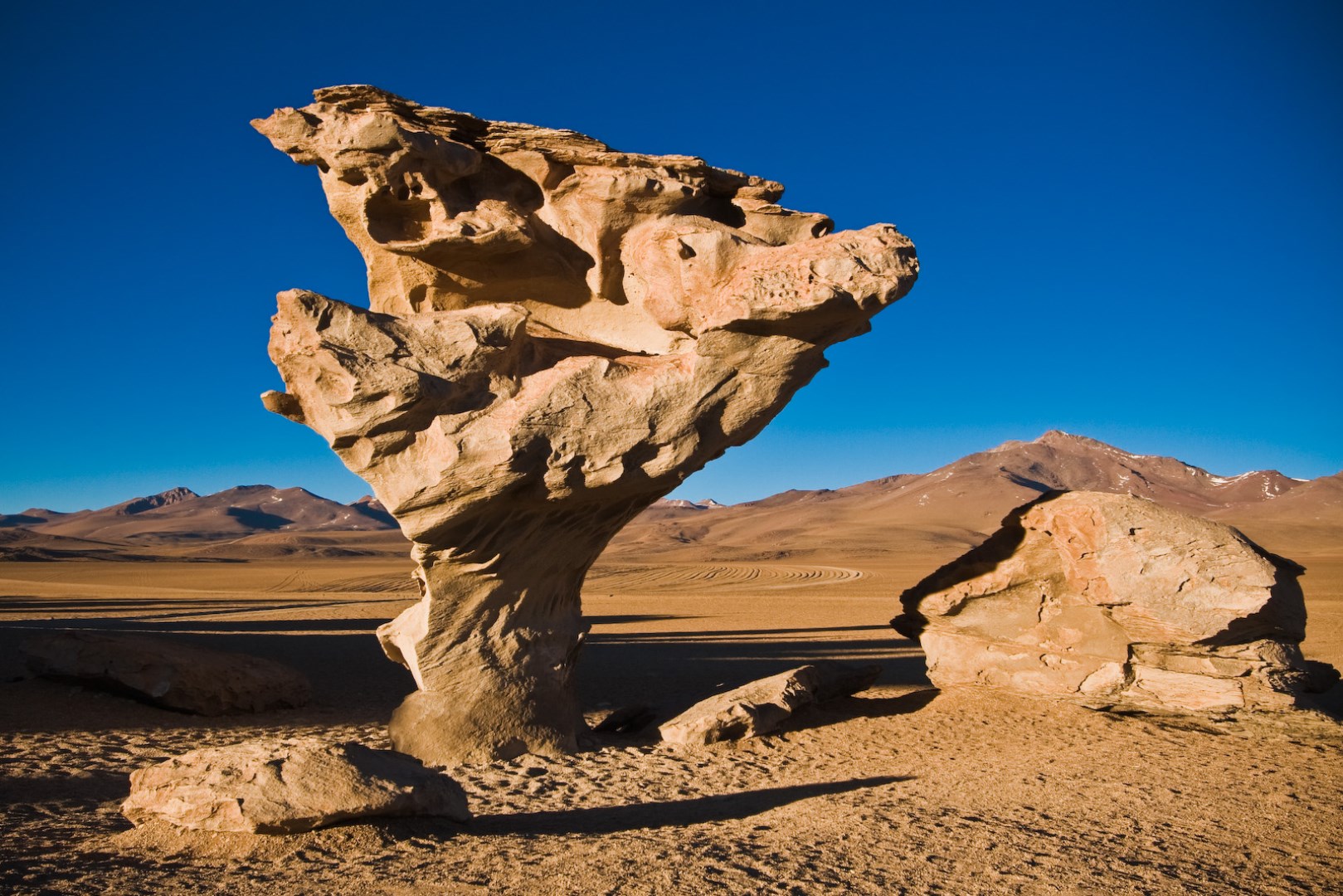
Whether you're a golf enthusiast, beach lover, or history buff, La Romana offers something for everyone. Its perfect mix of relaxation, culture, and adventure makes it an ideal destination for all types of travelers.
Genovesa Island
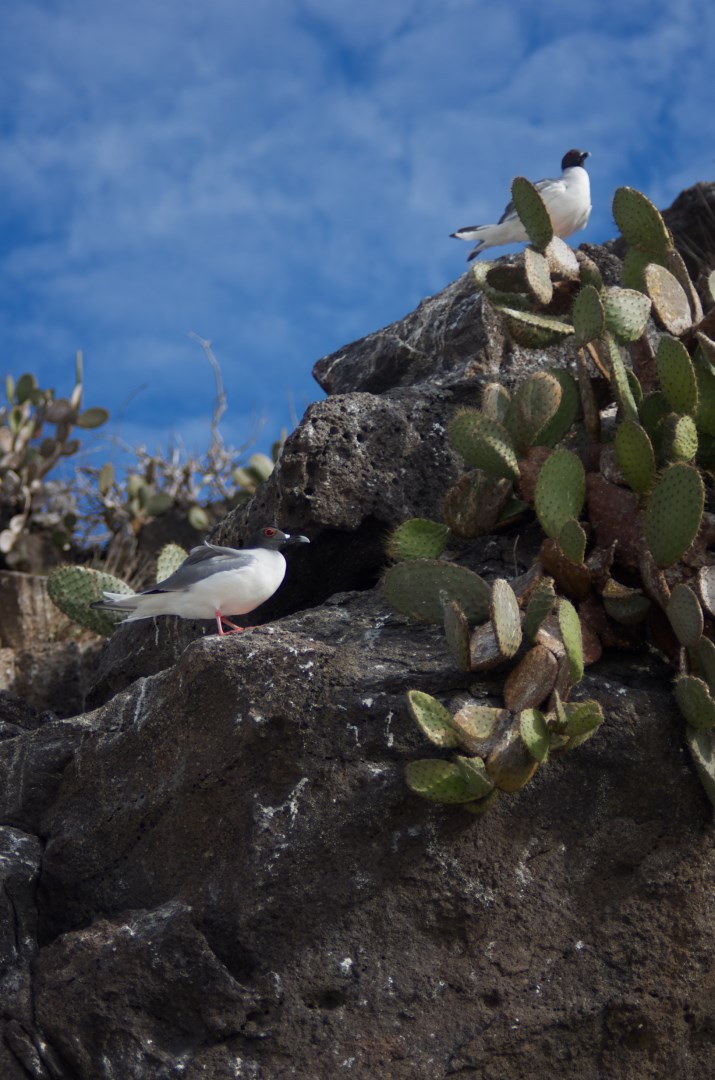
Named after the Italian city of Genoa, Genovesa Island is a dormant volcano in the Galápagos Islands. Its nickname, Bird Island, stems from the large and diverse bird population including storm petrels, red-footed boobies, swallow-tailed gulls and more.
Great Yarmouth
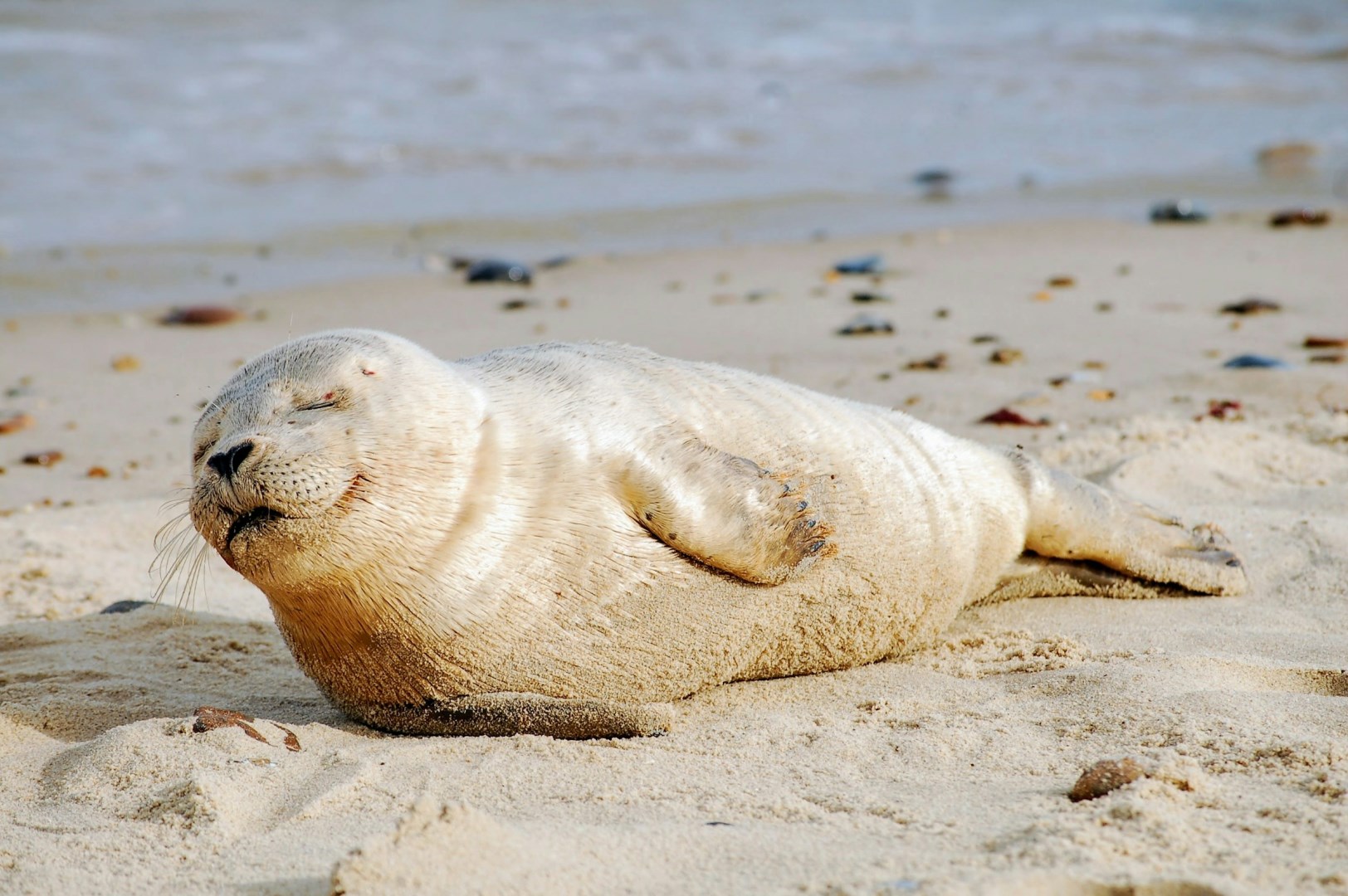
Great Yarmouth is a coastal town in Norfolk, eastern England, positioned where the North Sea meets the River Yare and the Broads. Its long sandy coastline and broad seafront have shaped the town's identity as a major seaside resort, while the harbour and waterfront retain strong links to fishing and maritime trade.
Nome
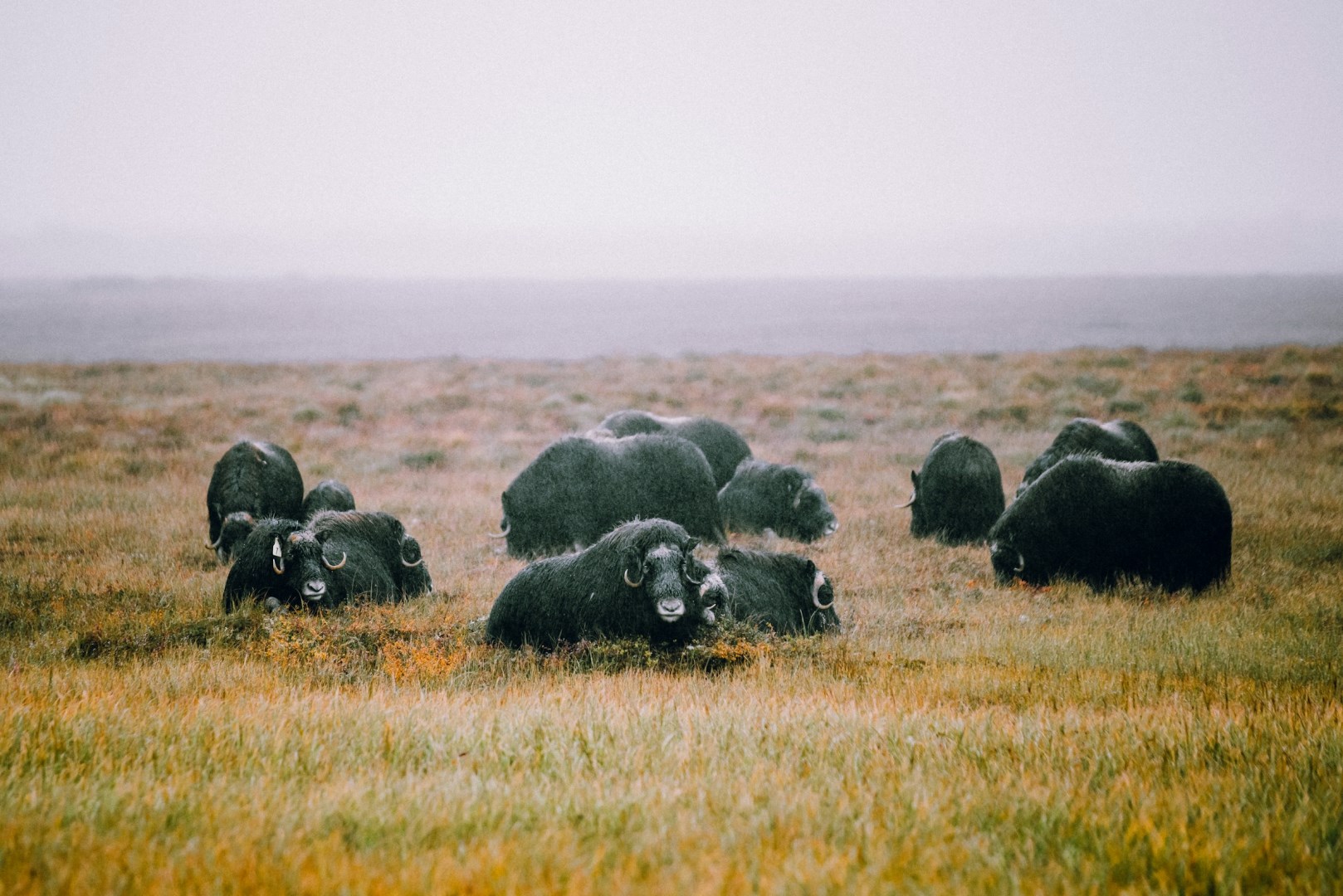
Nome is a coastal city on the southern Seward Peninsula in western Alaska, facing Norton Sound and the Bering Sea. Its remote location places it far from Alaska's major road network, with access primarily by air and seasonal sea travel. The surrounding landscape consists of tundra, low mountains, wetlands, beaches, and broad coastal plains. Nome is best known for its connection to gold mining and its role as a regional center for communities across western Alaska.
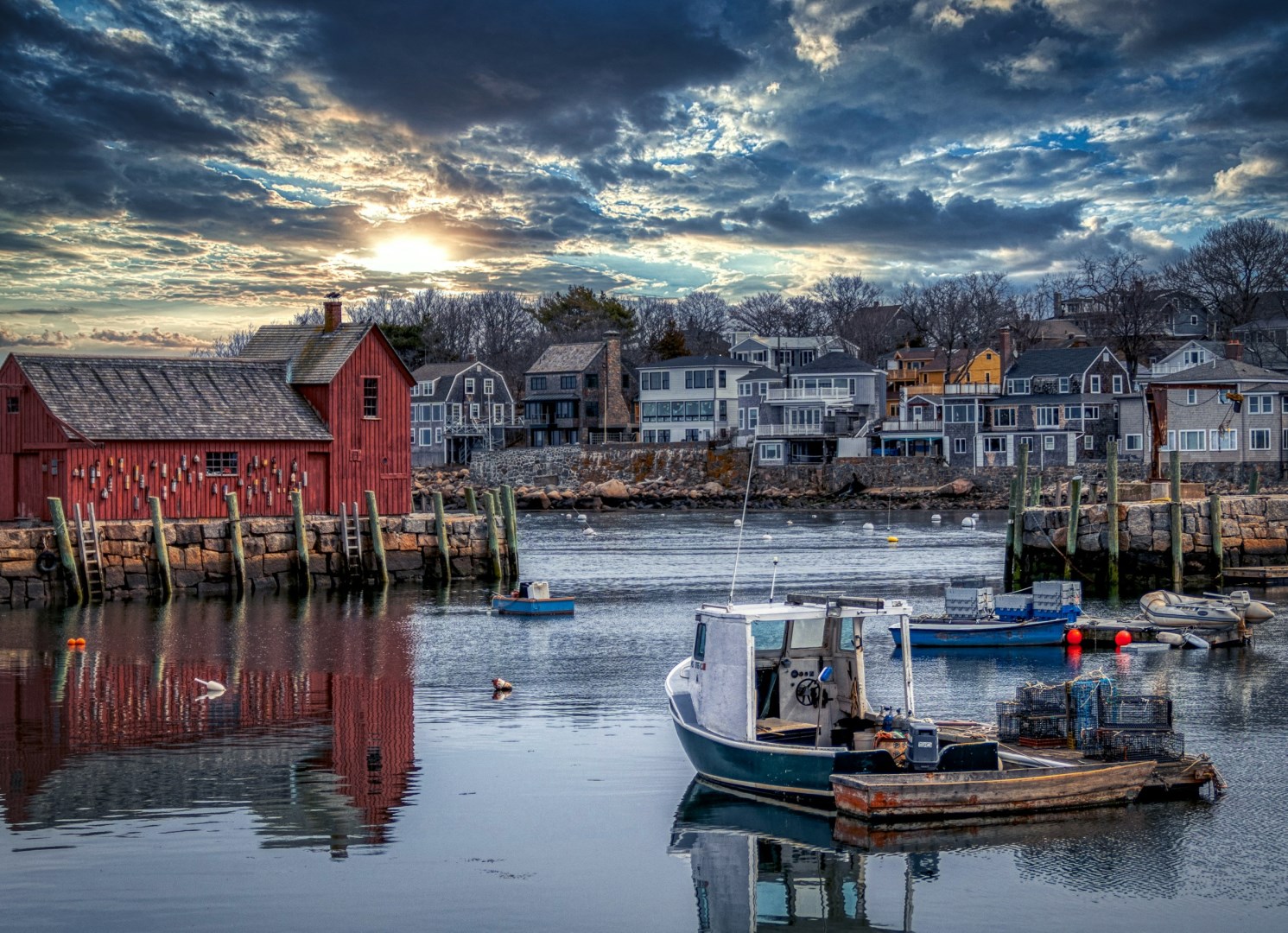
Rockport
Rockport is a coastal town on the tip of Cape Ann in northeastern Massachusetts, surrounded by rocky shoreline, small coves, and the waters of the Atlantic Ocean. The town developed from fishing, quarrying, and maritime trade, and its harbor remains central to its identity. Bearskin Neck, a narrow waterfront peninsula, contains galleries, shops, restaurants, and working boats. Rockport’s landscape is marked by granite ledges and exposed coastal rock, while wooded inland areas provide a contrast