El Chaltén
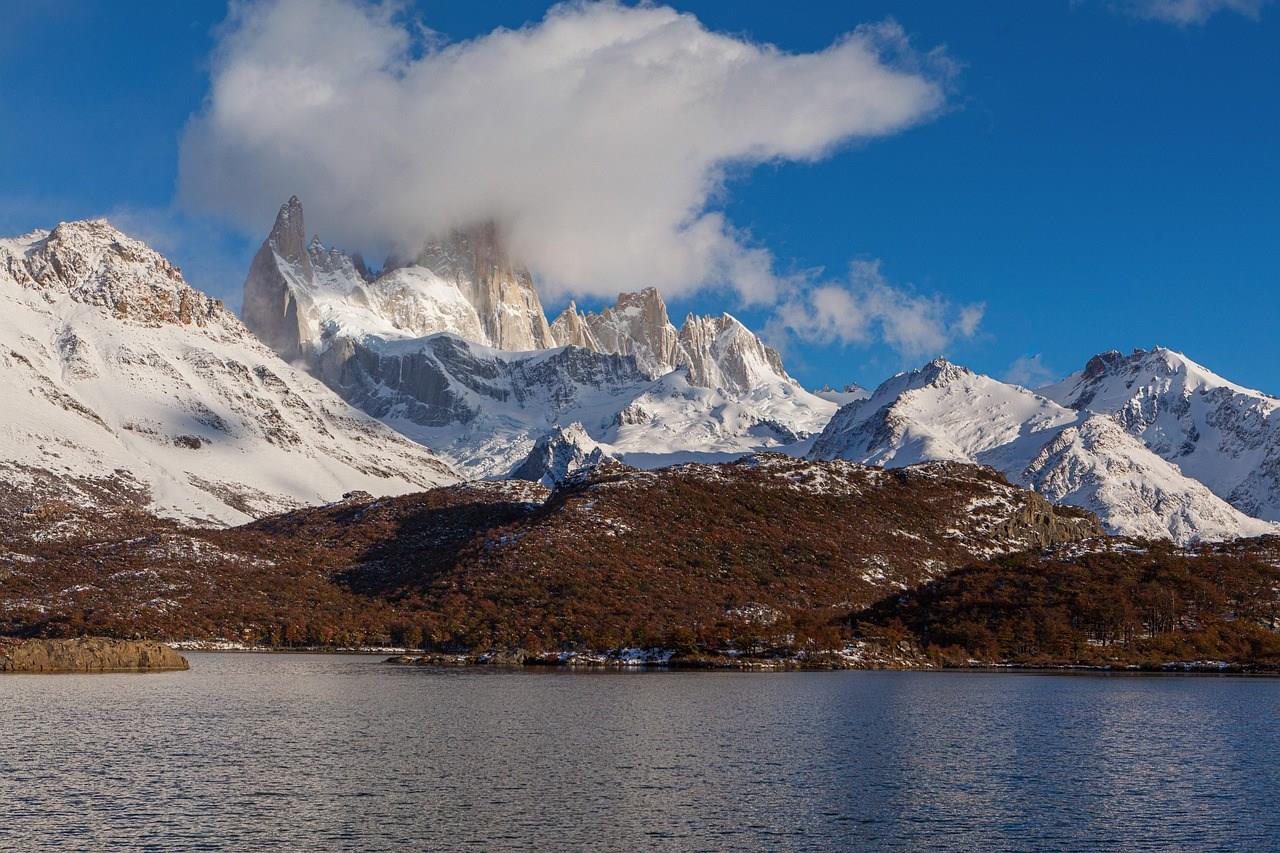
El Chaltén sits at the edge of Los Glaciares National Park in Argentina’s Patagonia region, framed by the iconic peaks of Cerro Fitz Roy and Cerro Torre. Its remote location beside the Río de las Vueltas makes it a gateway to dramatic landscapes of granite spires, glacial streams and wide steppe plains.
Atlantic City
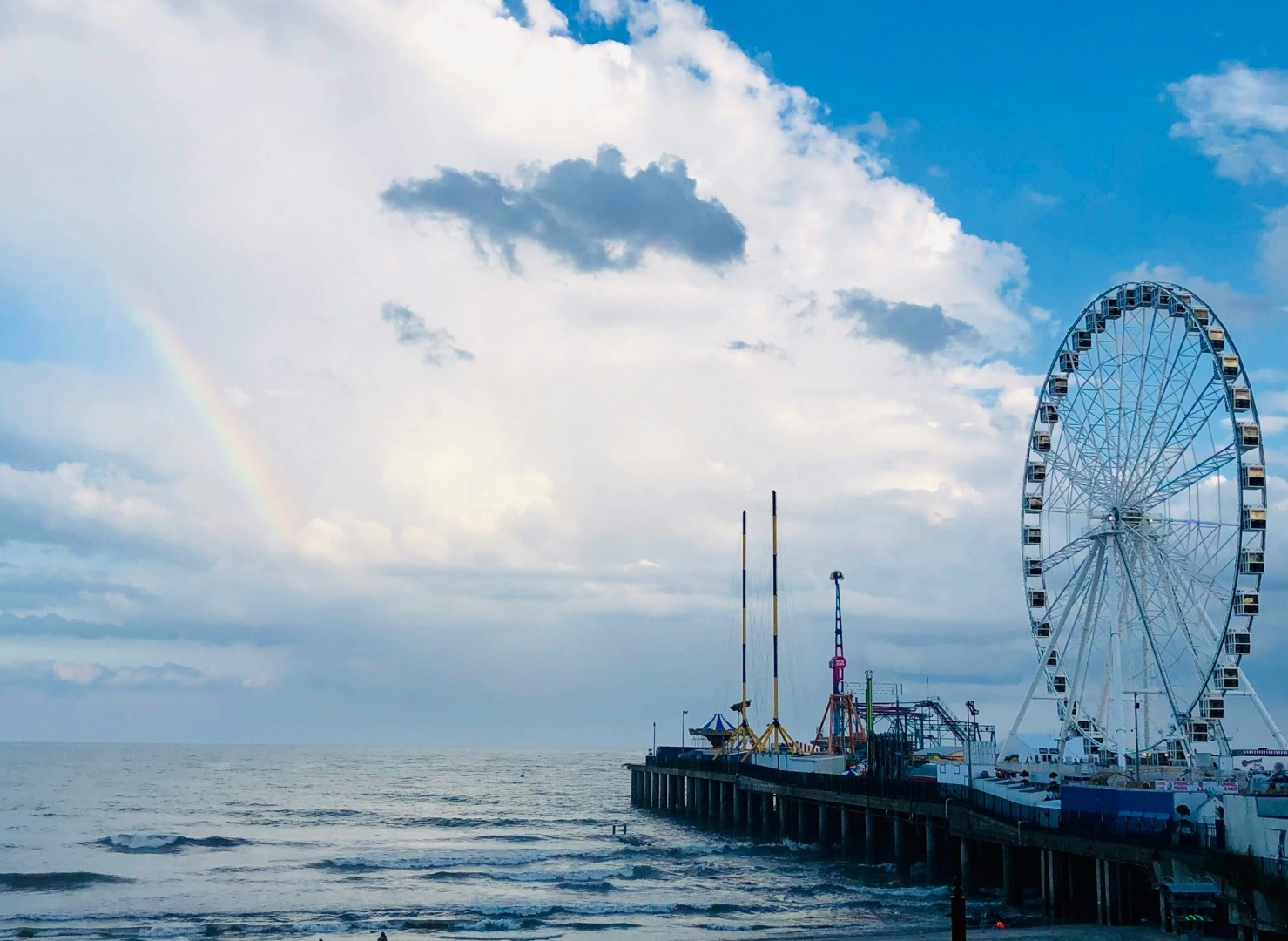
Atlantic City, New Jersey is more than bright casinos and lively boardwalk, it’s a coastal city with stories stretching back over 150 years. Once a fashionable 19th-century resort town, Atlantic City introduced the first boardwalk in the United States in 1870. Today, it remains the city’s centerpiece, stretching over 5 miles along the beach, lined with shops, arcades, and a mix of vintage charm and modern attractions.
Eskisehir
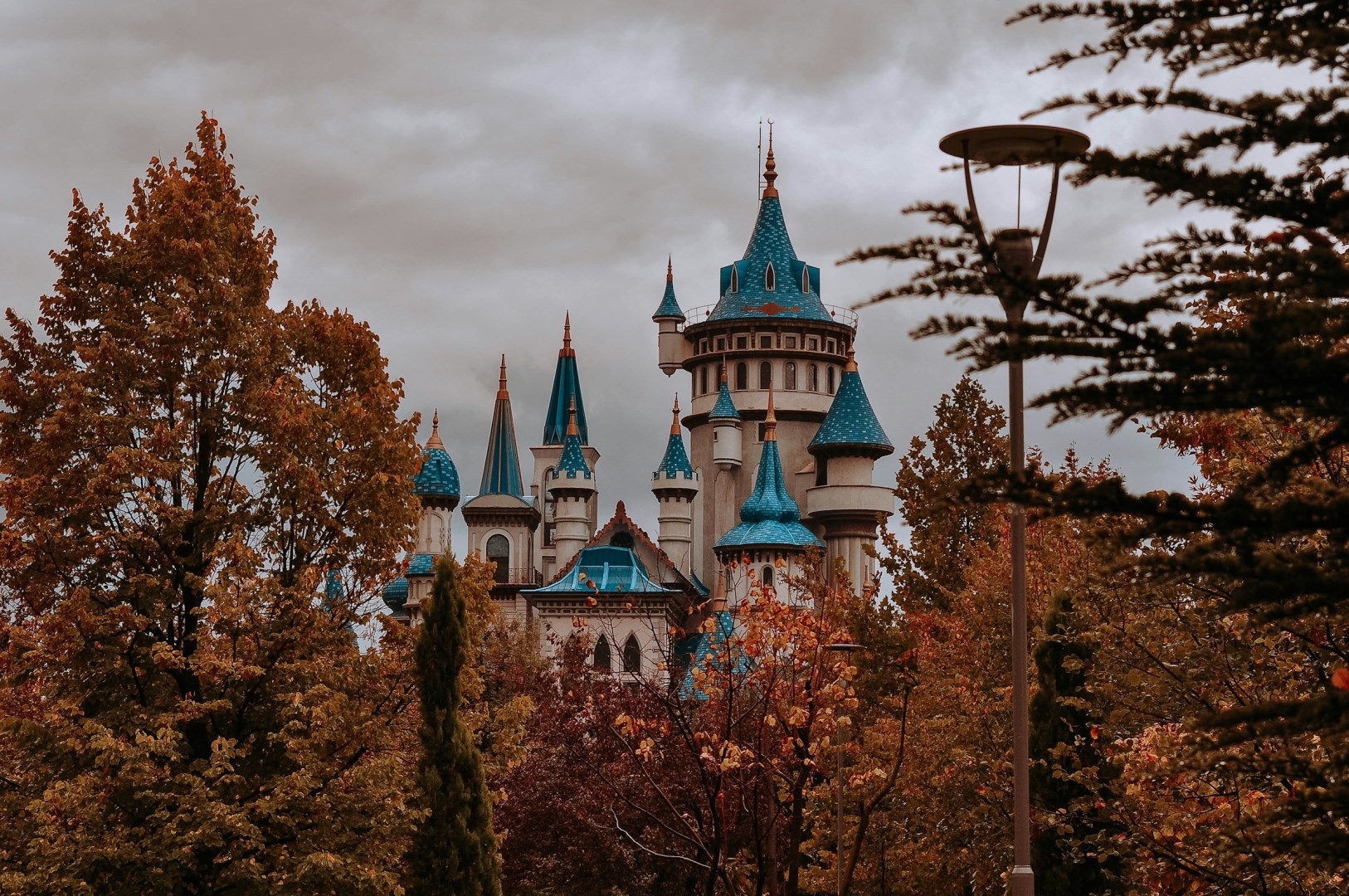
Eskişehir, located in northwestern Turkey, is a city where old meets new in unexpected ways. Known for its youthful vibe due to its two major universities, the city is also deeply rooted in history. It sits along the Porsuk River, which winds through lively neighborhoods and parks. The riverfront, once mostly industrial, has been transformed into a place where gondolas pass under bridges and locals gather at riverside cafes.
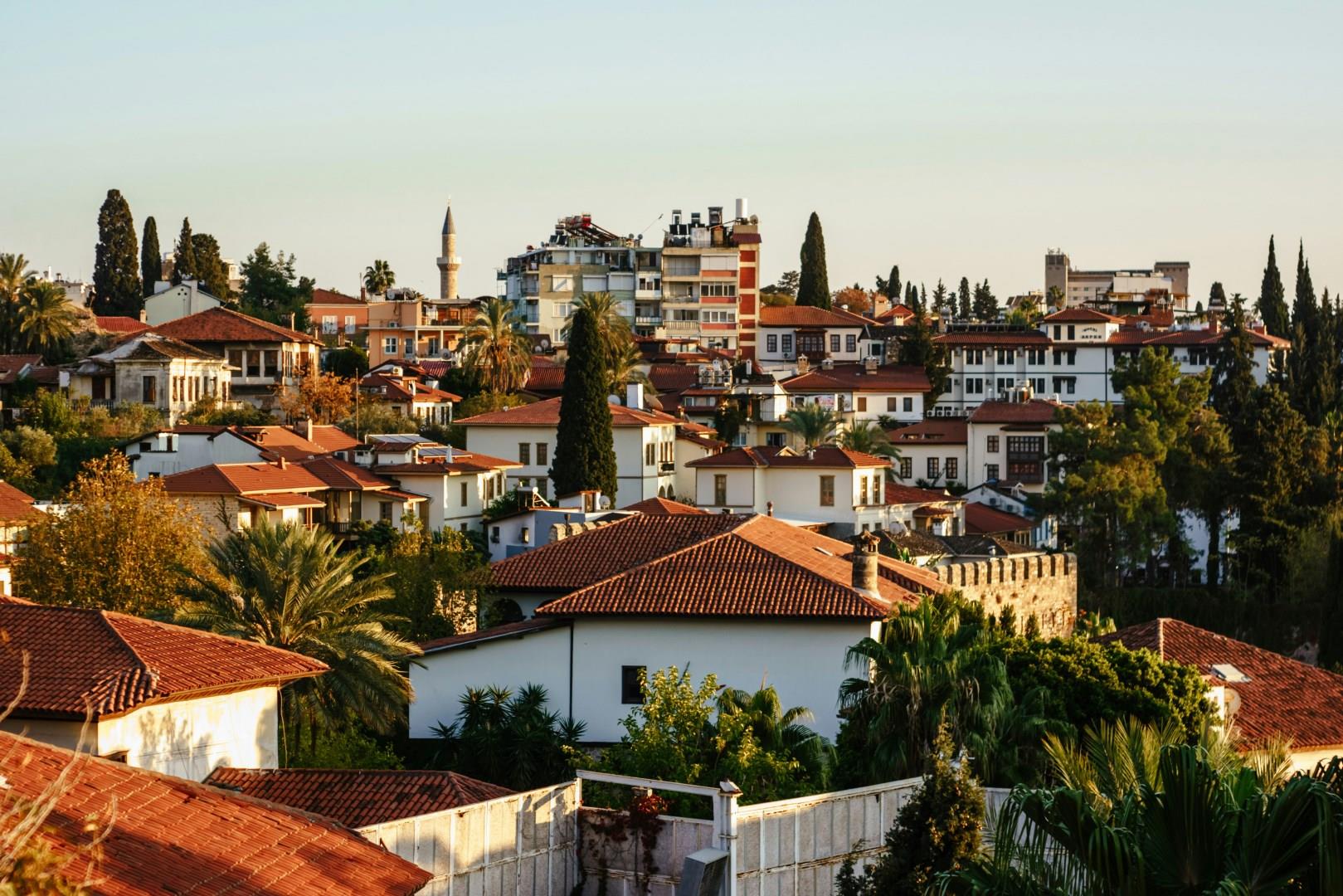
Selçuk
Selcuk, a small town in western Turkey’s İzmir Province, is one of the country’s richest destinations for history lovers. It sits at the foot of the ancient city of Ephesus, once one of the great cities of the classical world and home to the Temple of Artemis, one of the Seven Wonders of the Ancient World.
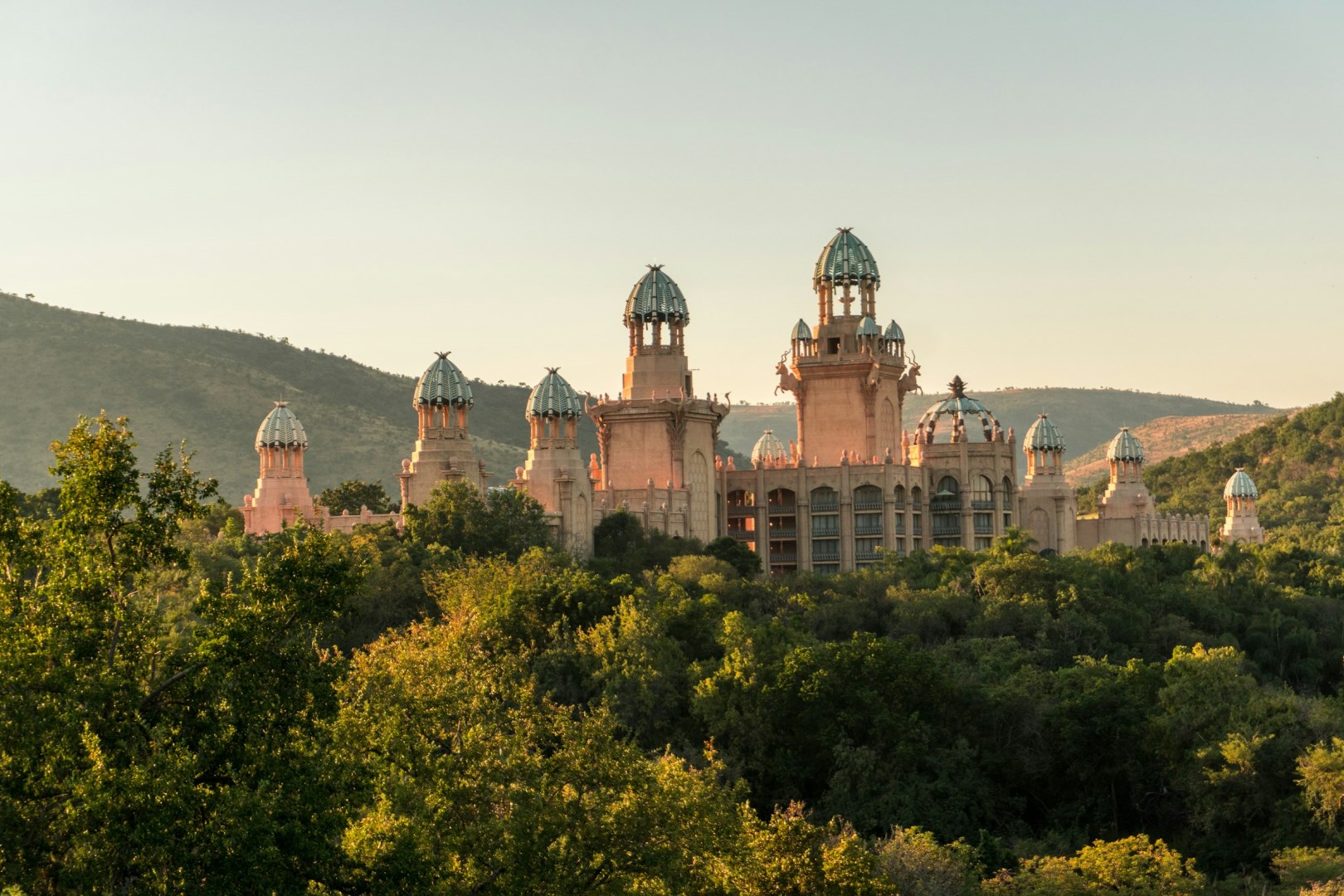
Sun City
Suncity South Africa is internationally renowned as Africa 's premier holiday resort. Suncity offers a myriad of different entertainment and relaxation opportunities, as well as enough attractions and activities to keep everyone busy.