Eger
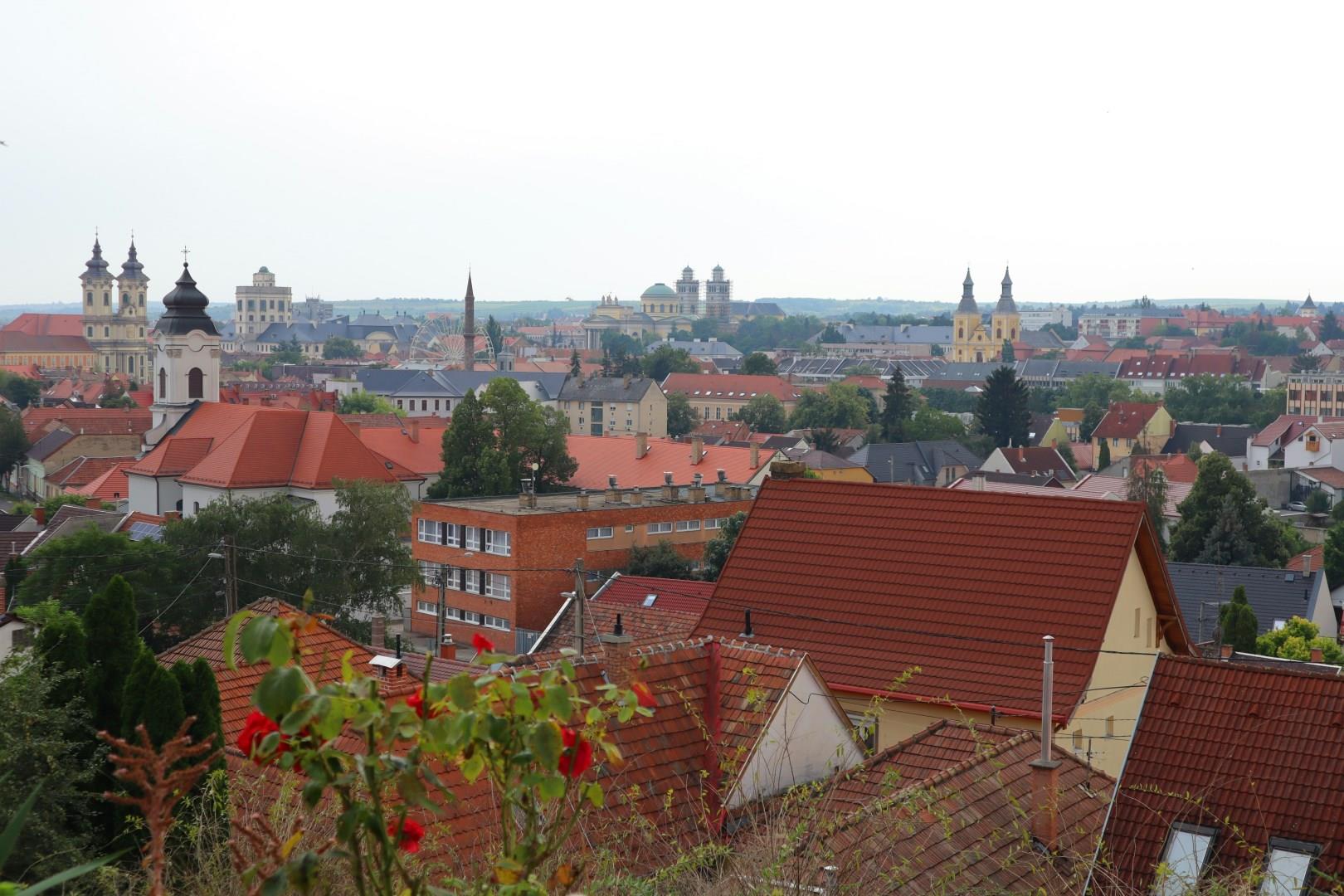
Eger sits in northern Hungary and is known for its well preserved Baroque center, historic castle and long tradition of wine and craft that draw visitors from across Europe. Just beyond the historic center, generations of winemakers have perfected local styles and offer tastings of local varieties. A casual afternoon here can feel like a gentle cellar crawl, with seasonal music or simple snacks adding to relaxed tastings under vine covered walkways.
Cafayate
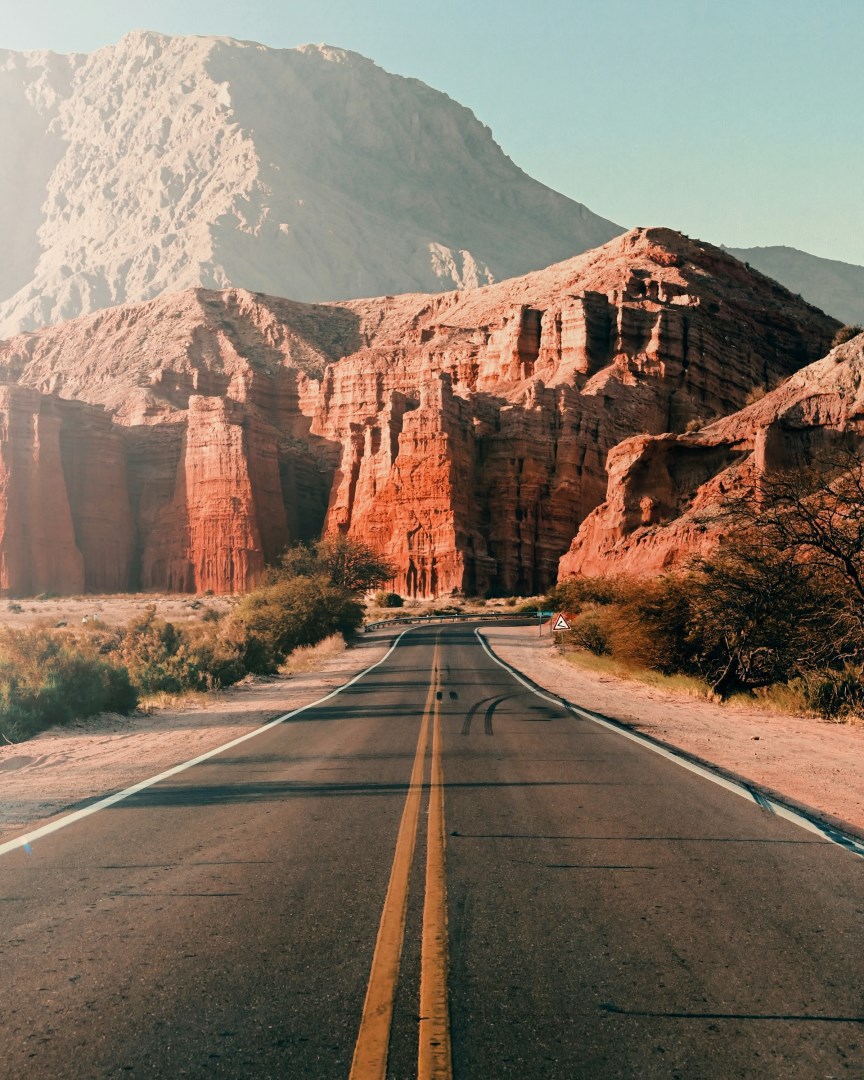
Cafayate is a town in Salta Province, Argentina, located in the Calchaquí Valleys at about 1,683 meters above sea level. It is surrounded by vineyards, dry mountain slopes, and the colorful rock formations of the Quebrada de las Conchas. The town has a compact center with a leafy main square, the Nuestra Señora del Rosario Cathedral, and an artisan market selling locally made pottery, textiles, and silverwork.

Zion National Park
Zion National Park, located in southwestern Utah, is known for its massive sandstone cliffs, narrow slot canyons, and unique desert ecosystems. Established in 1919, it was Utah’s first national park and continues to attract visitors with its dramatic elevation shifts and striking rock formations. The park’s most iconic feature, Zion Canyon, stretches for 15 miles and reaches depths of up to 2,640 feet, carved over time by the Virgin River.
Akron
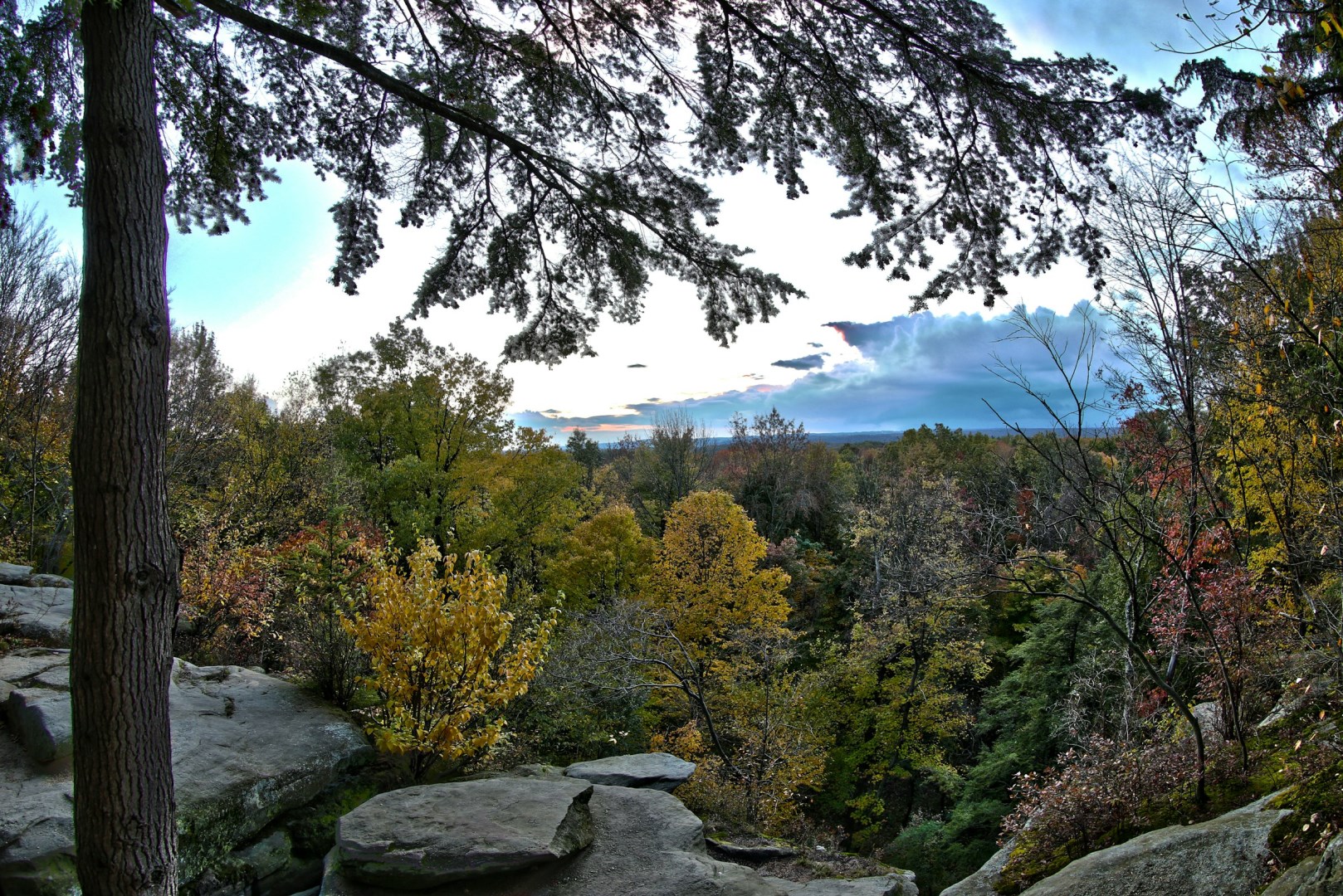
Akron is the headquarters for the country's largest rubber companies, including Firestone, Goodyear, and General Tire. Akron is also home to the Goodyear Aerospace Corporation Air Dock, headquarters for the Goodyear blimp.
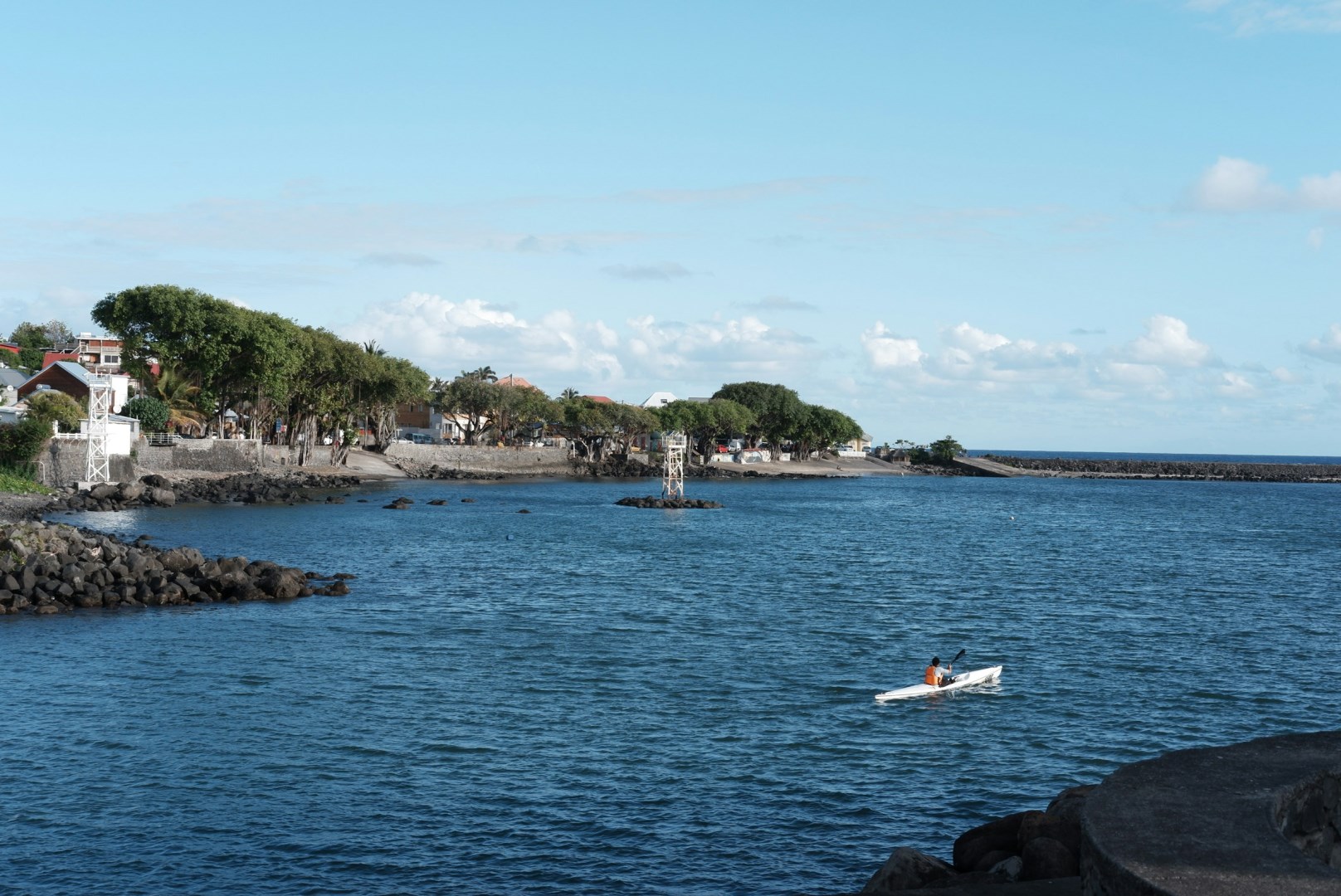
Saint Pierre
Saint-Pierre, located on the southwestern coast of Réunion Island, is a vibrant port town known for its blend of Creole culture, tropical landscapes, and lively urban life.