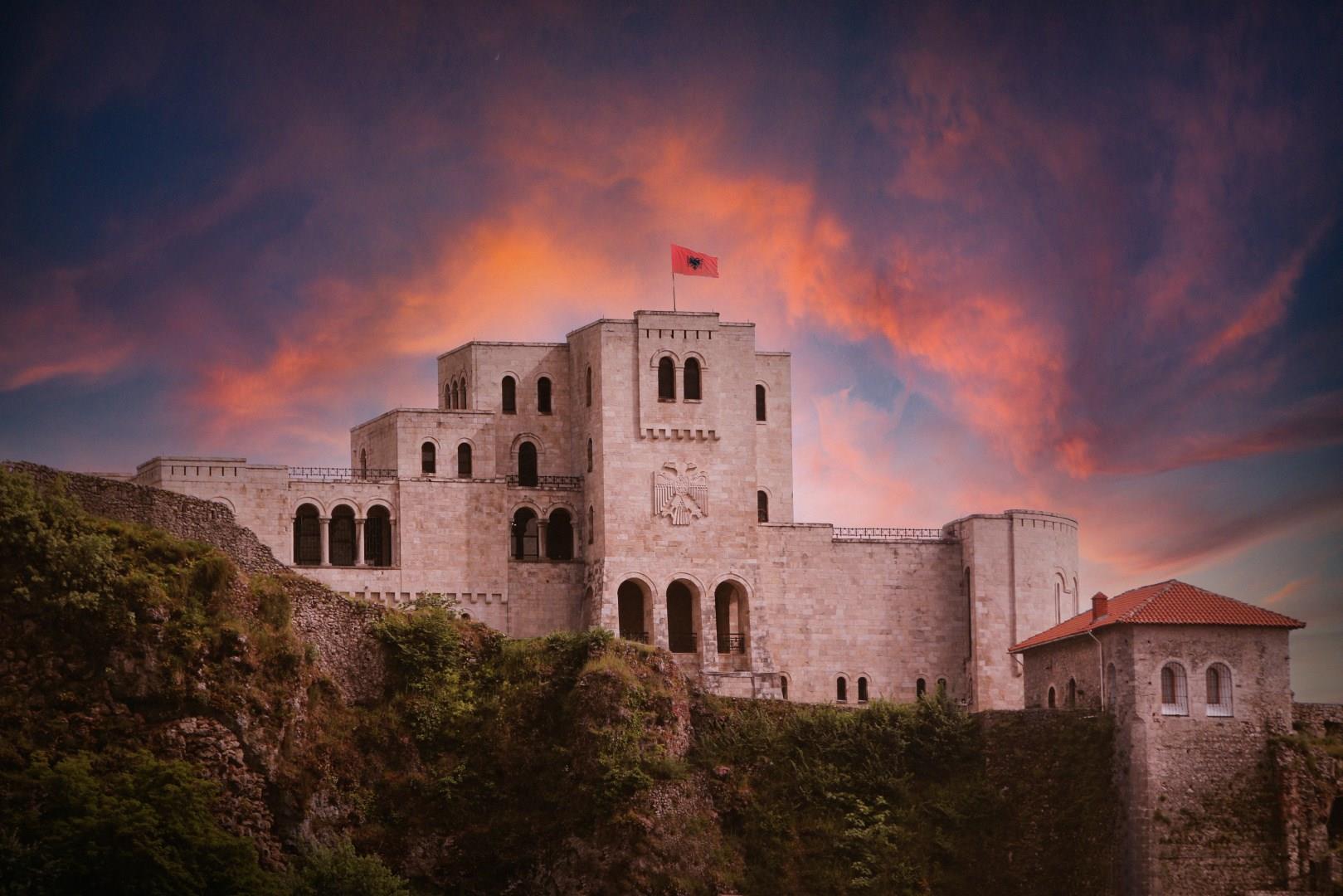
Krujë
Krujë sits on a rocky hilltop above central Albania and has long been a symbol of the country’s history and independence. At Krujë Castle ancient stone walls rise above the town and offer striking views of the surrounding hills and valleys, and inside the fortress visitors find the Skanderbeg Museum, where armor, documents and displays recount the life and battles of Albania’s national hero.
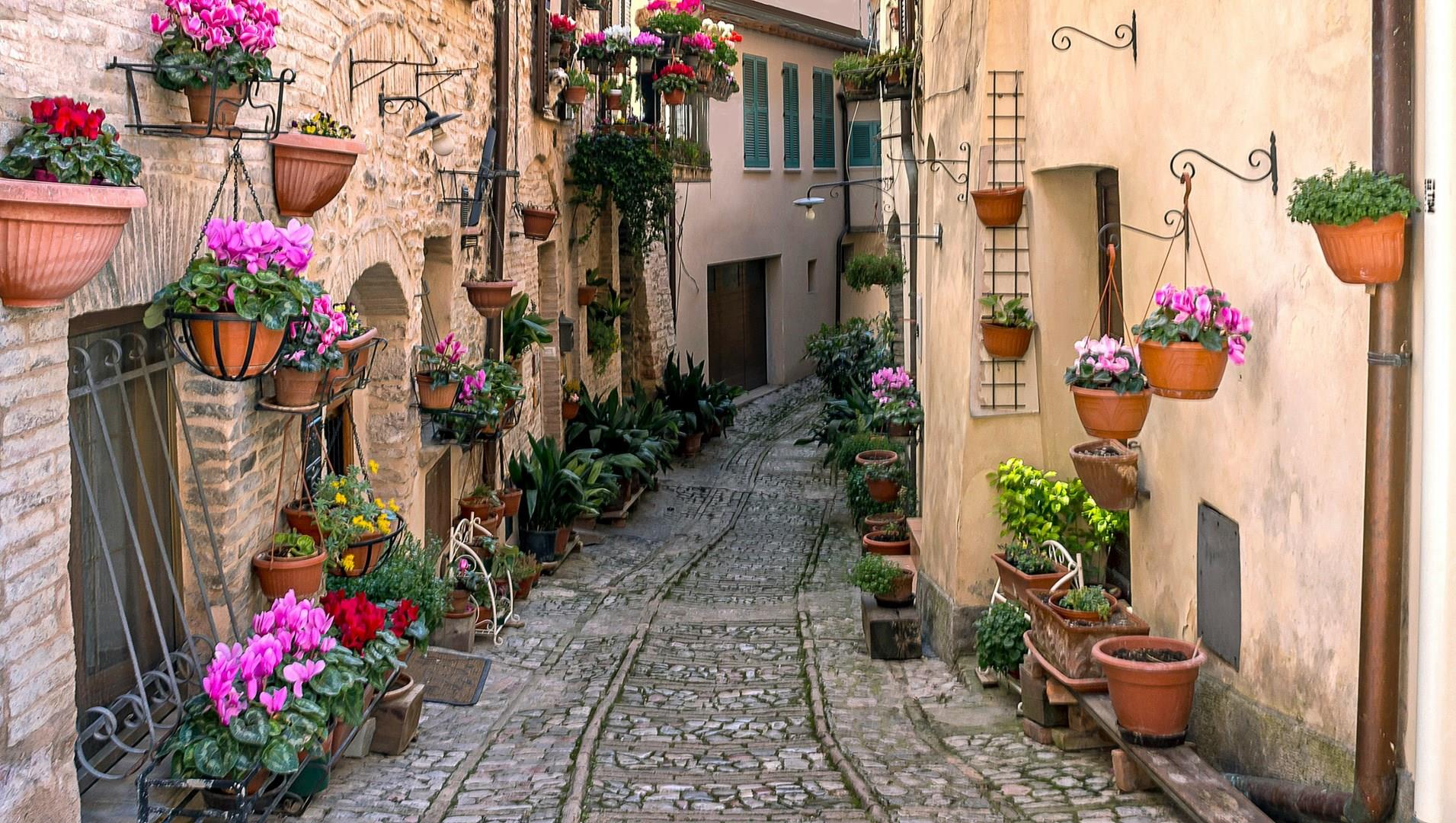
Spello
Spello sits high on the slopes of Mount Subasio in the heart of Umbria, where visitors step into a place shaped by centuries of history. Each year, Spello’s streets become a living canvas during the Infiorate di Spello, a long-standing celebration tied to Corpus Christi. Residents work through the night before the feast to lay flower petals along the town’s main thoroughfares, creating patterns and images that stretch for over a mile.
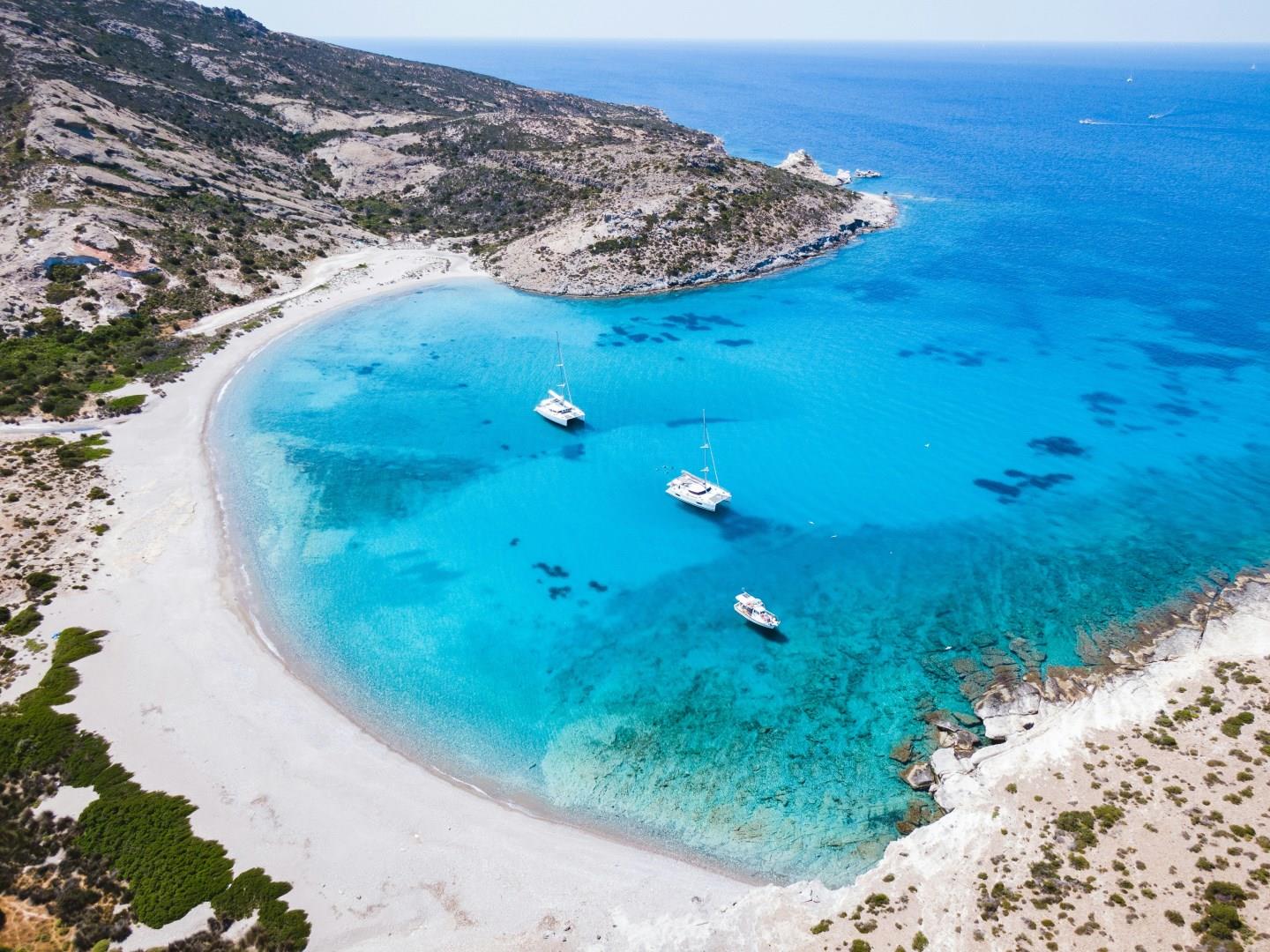
Milos
Milos is one of the most striking islands in the Aegean Sea, known for its otherworldly landscapes, turquoise coves, and centuries-old history. Shaped like a horseshoe, the island was formed by volcanic activity which left behind dramatic cliffs and hidden beaches carved from soft white rock. Visitors often find their first glimpse of Milos unforgettable, especially at Sarakiniko Beach where smooth, chalk-white formations contrast with the vivid blue water.
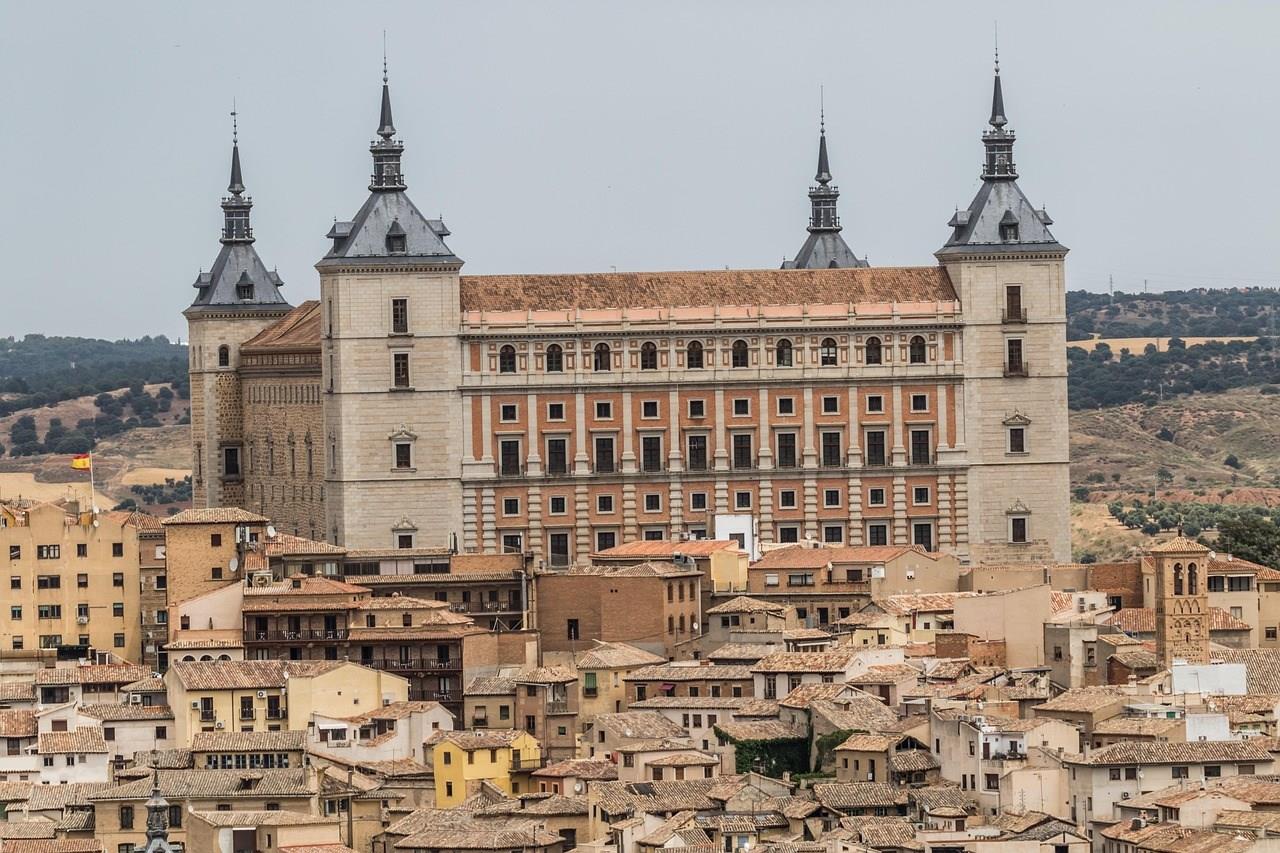
Toledo
Toledo, high above the Tagus River in central Spain, is a city where layers of history are visible around every corner. For centuries it was an important Roman settlement, a Visigothic capital, and later a stronghold during the medieval Christian reconquest, before becoming the seat of royal power and a crossroads of cultures. Because of this long span of stories and architectural richness, the whole old town has been recognized as a UNESCO World Heritage Site.
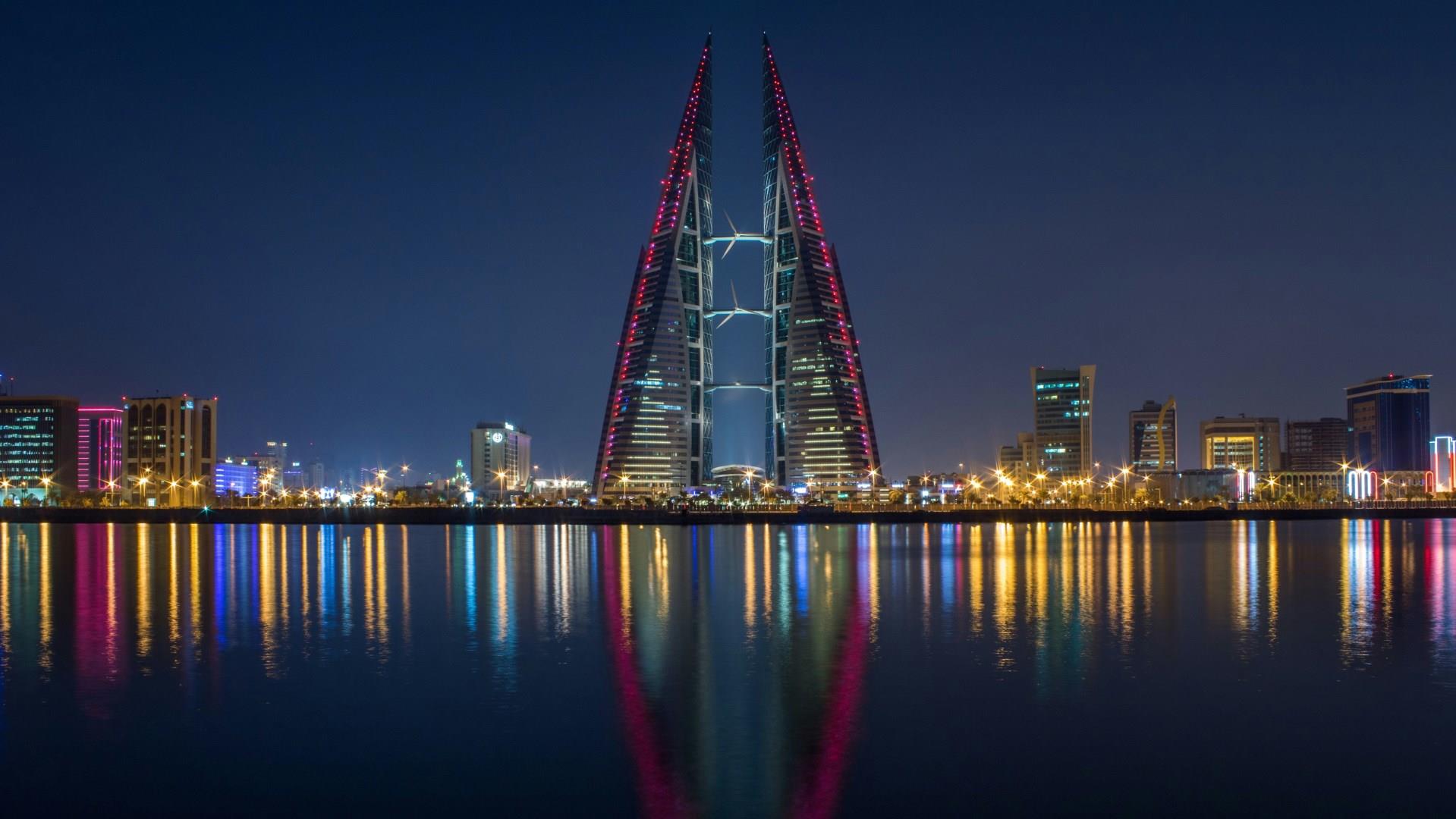
Manama
Manama pulses with stories from long ago and today. Just beyond the modern skyline lies Qal’at al‑Bahrain, a layered mound once the capital of Dilmun, used by societies from the Kassites to the Portuguese. Visitors can climb its crumbling stairways and imagine life across centuries there. Nearby, the Bahrain National Museum, opened in 1988 in a stately waterside building, displays archaeological finds from ancient Dilmun to modern-day artifacts and is one of the Gulf's first modern museums.