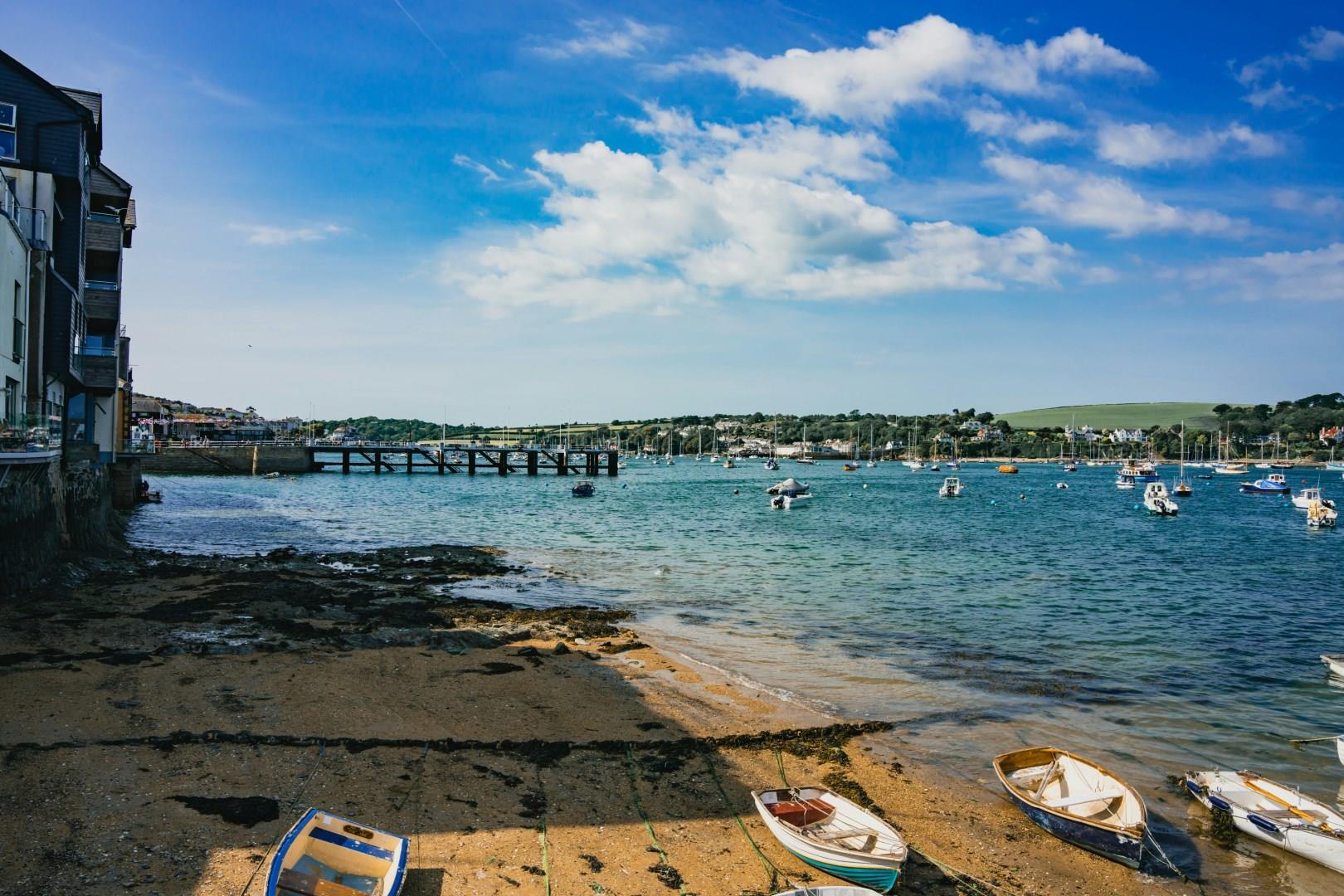
Falmouth
Falmouth, on Cornwall’s south coast, grew around one of the world’s largest natural harbors, a feature that has shaped its maritime identity for centuries. The town expanded during the age of sail, serving as a key port for packet ships, and landmarks like Pendennis Castle still anchor Falmouth firmly in its naval past.
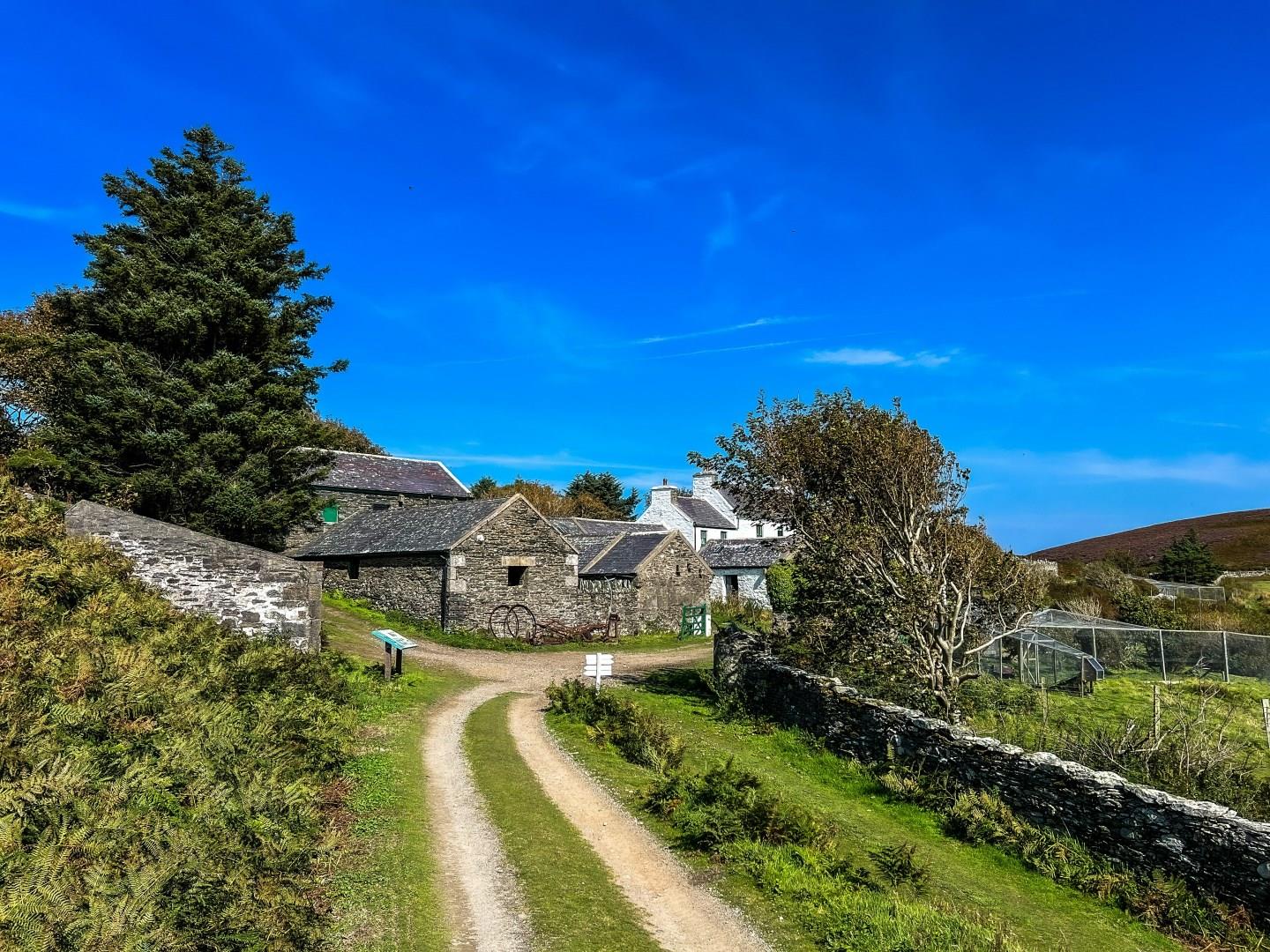
Calf of Man
The Calf of Man, a small island off the southwest coast of the Isle of Man, offers a rare glimpse into a quieter side of the Irish Sea. Covering just over 260 acres, this uninhabited island is known primarily for its rich birdlife and dramatic coastal cliffs. Visitors often arrive by boat from nearby Port Erin, embarking on guided tours that reveal the island’s importance as a bird sanctuary.

Las Vegas
Las Vegas, Nevada, is an electrifying city where glitz and glamour meet entertainment and excitement. Known as "The Entertainment Capital of the World," Las Vegas offers an unparalleled array of attractions, from its iconic casinos and luxurious hotels to its world-class dining and live shows. The city's entertainment scene is second to none, featuring legendary headliners, cutting-edge performances, and an array of themed attractions.

Lanzarote
Lanzarote, the northernmost of the Canary Islands, is a striking destination characterized by its volcanic landscapes and unique architectural heritage. Known for its otherworldly scenery, the island boasts a remarkable volcanic terrain shaped by eruptions in the 18th and 19th centuries. The Timanfaya National Park is a highlight, where visitors can witness geothermal demonstrations and explore the dramatic lava fields on a guided tour.
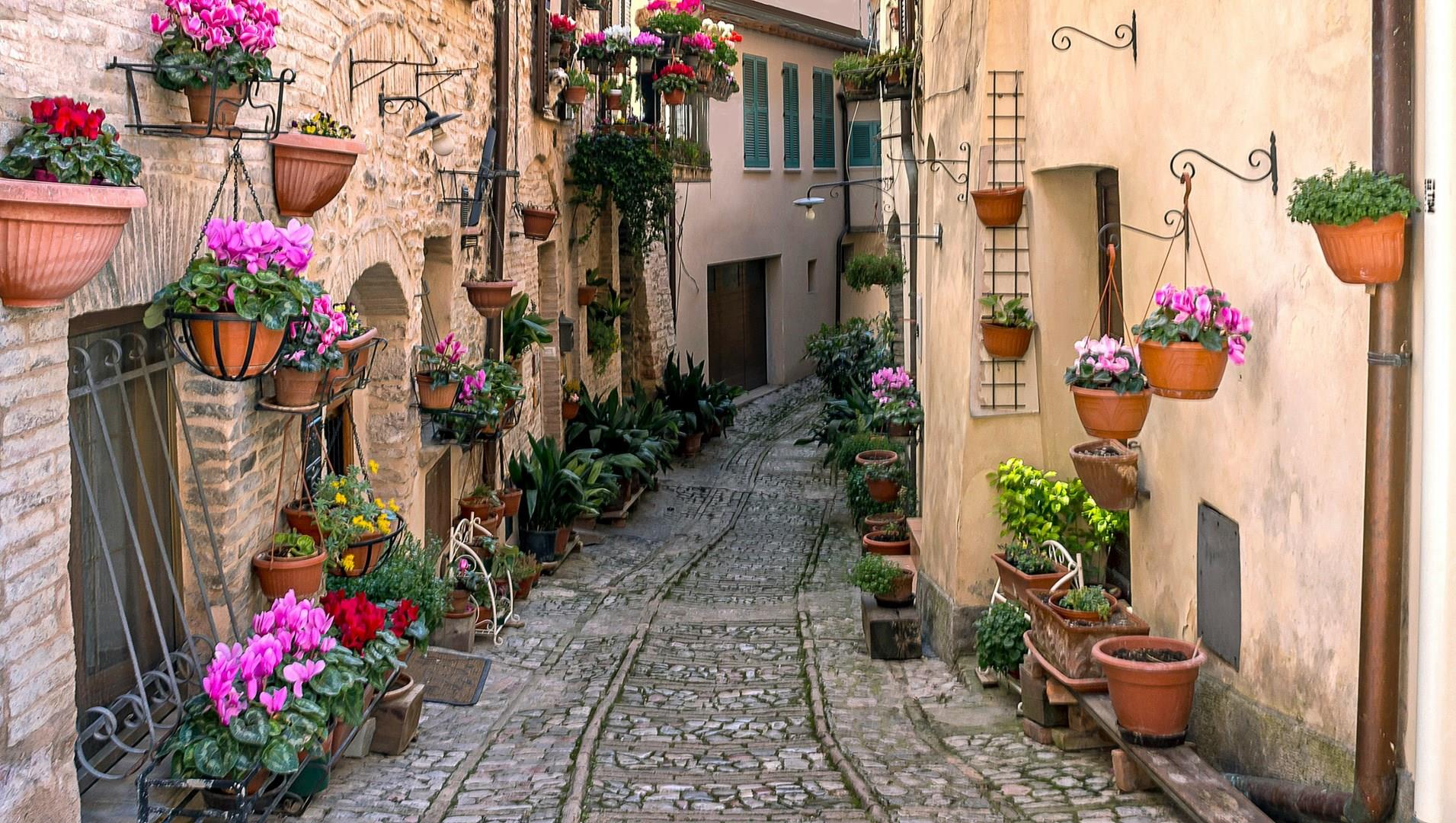
Spello
Spello sits high on the slopes of Mount Subasio in the heart of Umbria, where visitors step into a place shaped by centuries of history. Each year, Spello’s streets become a living canvas during the Infiorate di Spello, a long-standing celebration tied to Corpus Christi. Residents work through the night before the feast to lay flower petals along the town’s main thoroughfares, creating patterns and images that stretch for over a mile.