Radium Hot Springs
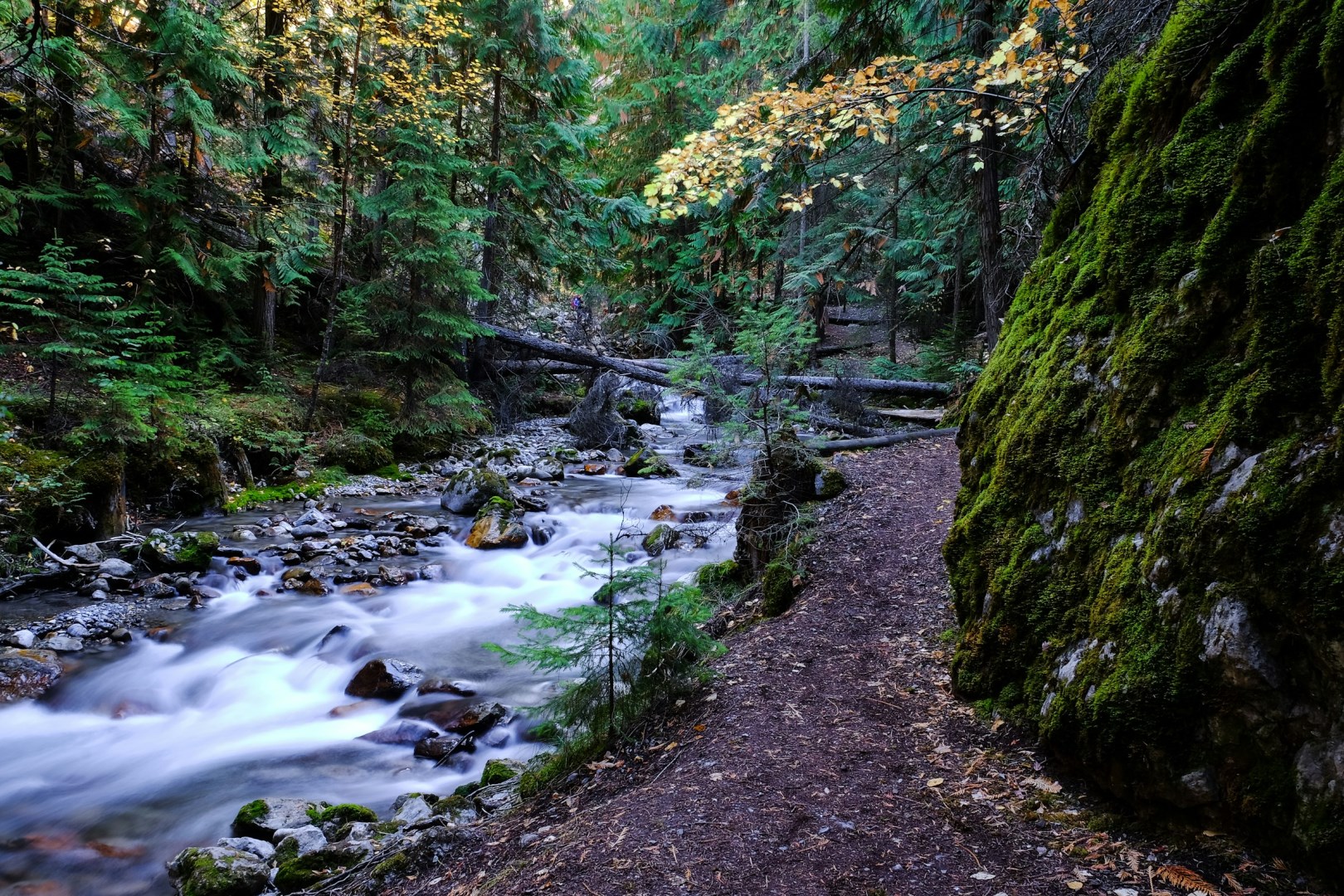
Radium Hot Springs is a small community in southeastern British Columbia, located in the Columbia Valley at the entrance to Kootenay National Park. The village sits between the Purcell and Rocky Mountains, with the Columbia River and wide valley landscapes nearby. It is best known for its mineral hot springs, where naturally heated water emerges from the mountains and is used in the Radium Hot Springs pools.

Barranquilla
Barranquilla sits near the mouth of the Magdalena River on Columbia's Caribbean side. It is a major seaport and a center of commerce, but everyone breaks loose for four days in February for one of the liveliest carnivals outside of Rio.
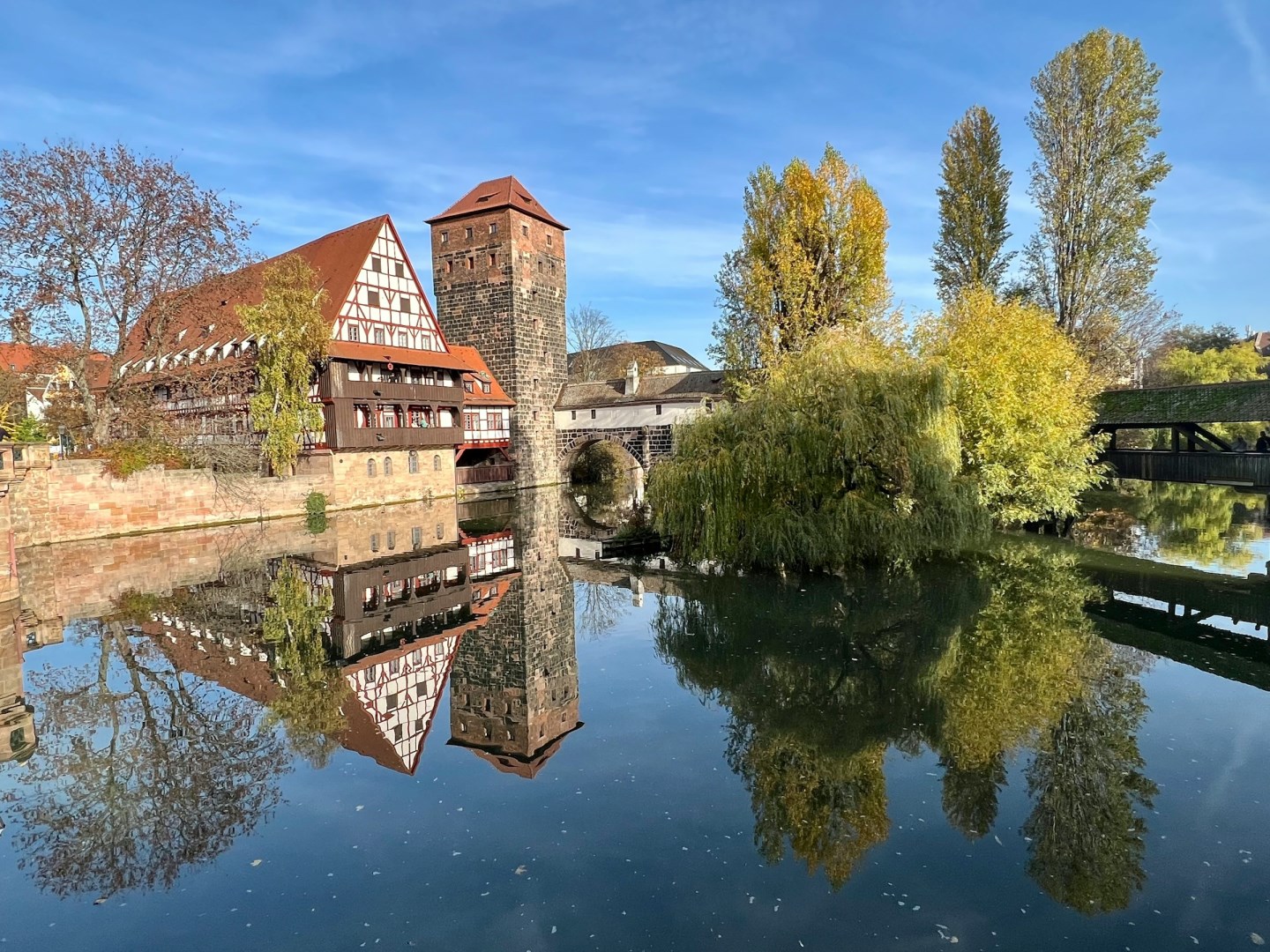
Nurnberg
Nürnberg (Nuremberg), located in the heart of Bavaria, Germany, is a city rich in history, culture, and architectural charm. Known for its medieval old town, Nürnberg boasts cobbled streets, half-timbered houses, and the imposing Nuremberg Castle, which overlooks the city and offers panoramic views.
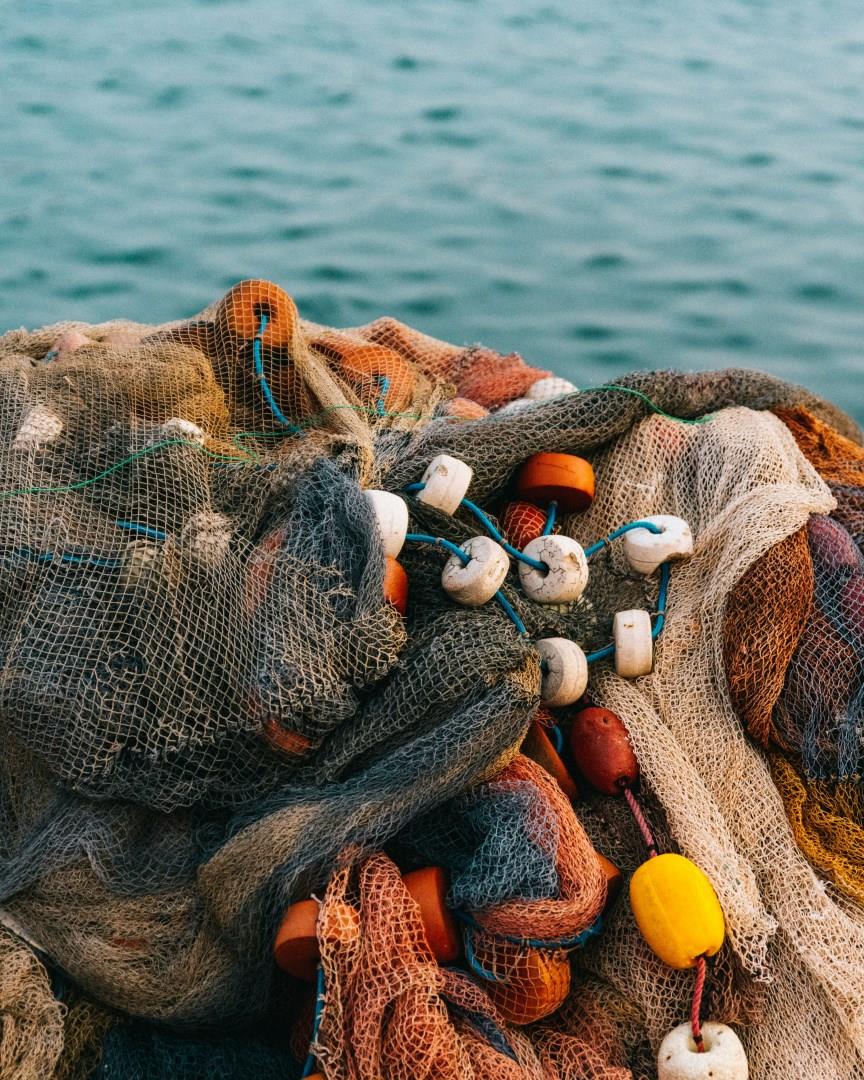
Palmeira
On the north-western coast of Sal Island in Cape Verde sits Palmeira, an authentic fishing settlement where day-to-day life still revolves around the sea. The village’s seaside restaurants serve grilled tuna, octopus, and flying fish fresh from the day’s catch. Just a short trip from the centre lies Buracona, a natural lava rock pool famous for the “Blue Eye,” a glowing underwater cave that shines when the sunlight hits at just the right angle.
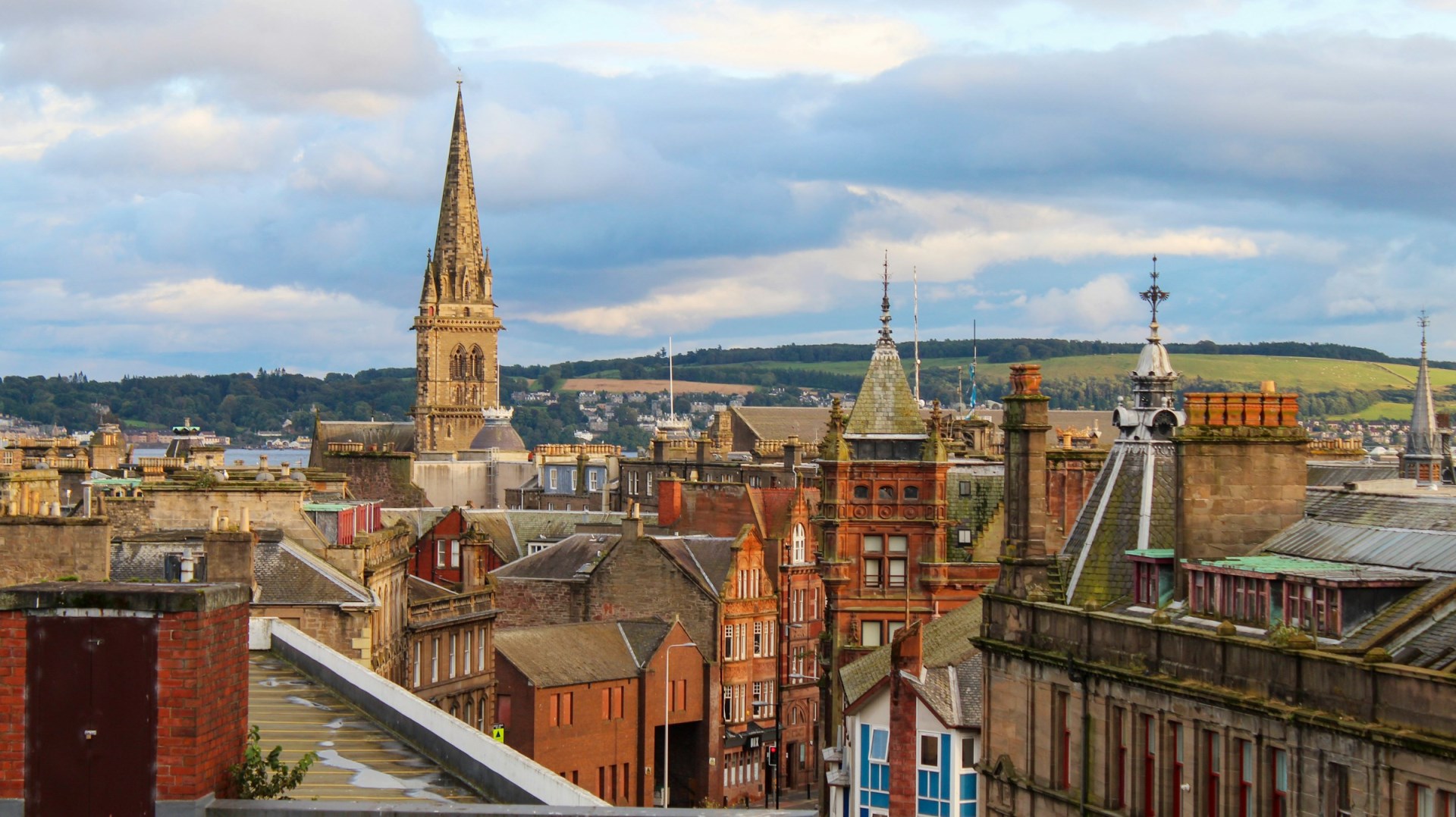
Dundee
Ancient port and ship building center north of Edinburgh, it is now an important industrial center for Scotland.