Kunturiri
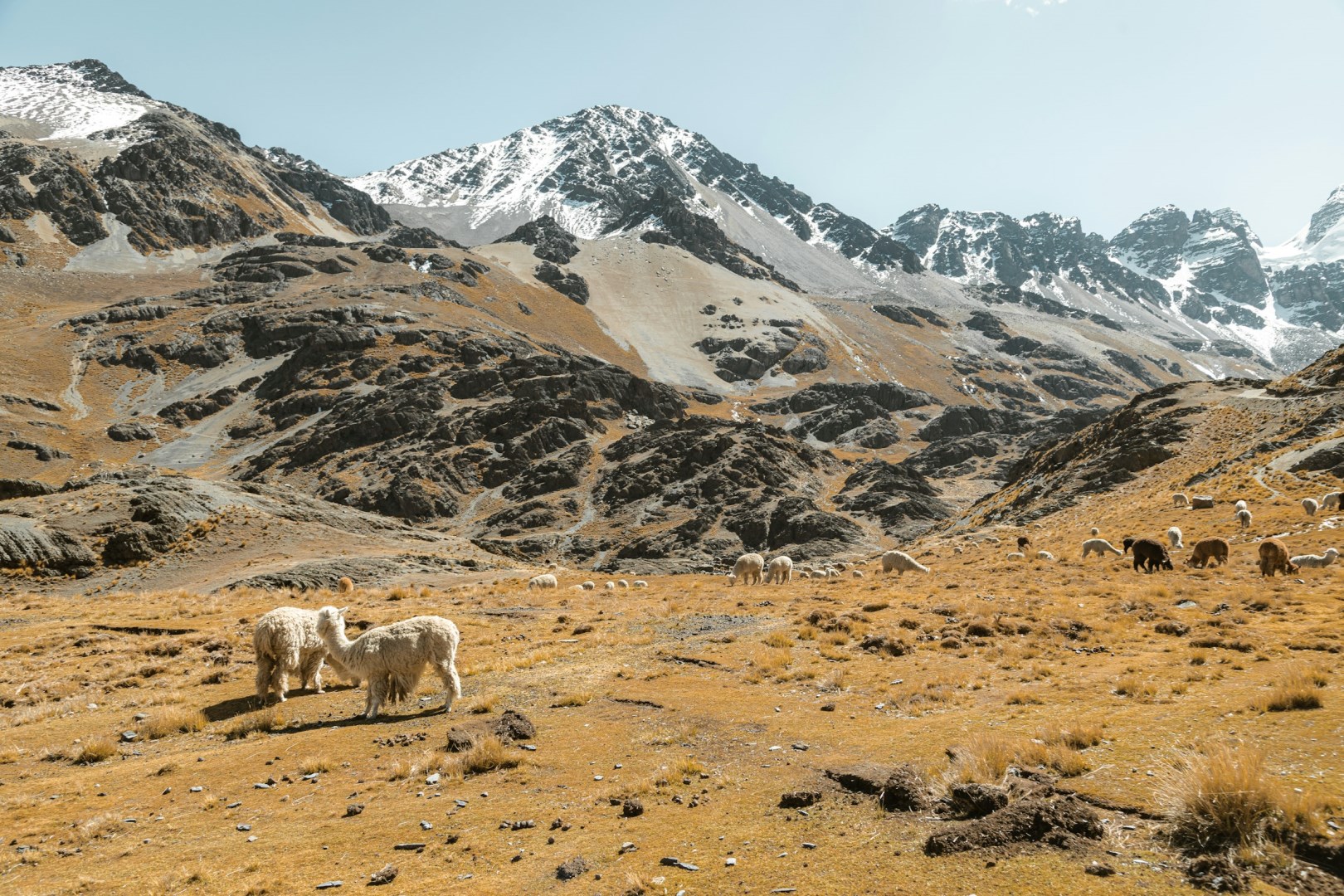
Kunturiri is a high-altitude mountain area in Bolivia’s Cordillera Real, north of La Paz. The name comes from the Aymara word for condor, reflecting the region’s close connection with Andean landscapes and wildlife. Kunturiri is characterized by rugged peaks, glacial terrain, mountain lakes, and broad views across the high Andes. The area lies within a remote section of the Cordillera Real, where steep mountains rise above the surrounding Altiplano.
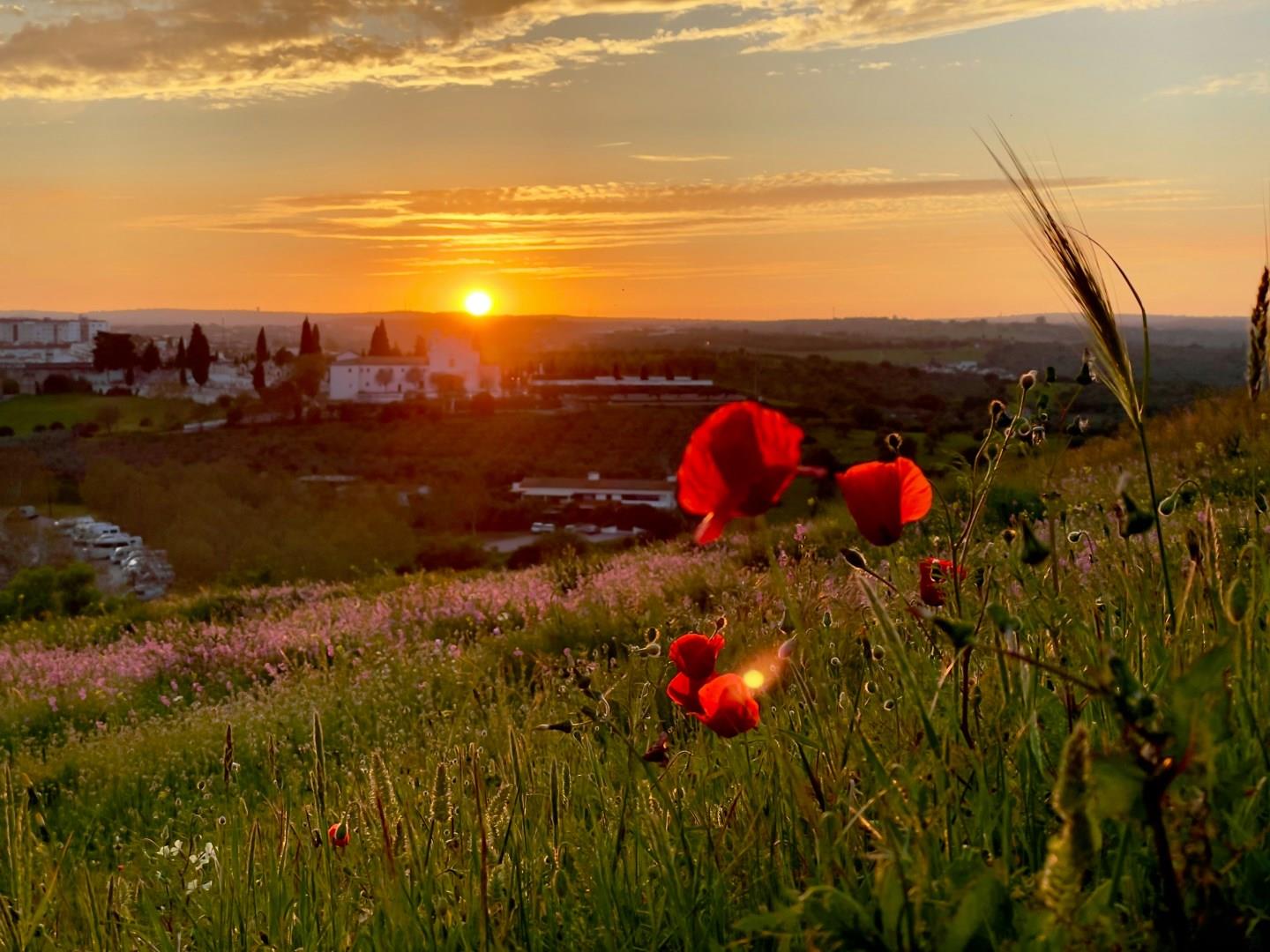
Elvas
Elvas rises from the Alentejo plains near the Spanish border as one of Portugal’s most striking fortified towns, shaped by centuries of defense, resilience, and daily life along the frontier. Encircled by an immense network of walls, bastions, and hilltop forts, the town tells a clear story of strategy and survival, from the sweeping views at Forte da Graça to the quiet streets within the historic center.

Uruguay
Uruguay may be one of South America's smallest countries, but it packs a striking variety of experiences into its compact borders. From the cobbled streets of Colonia del Sacramento to the avant-garde coastline of José Ignacio, Uruguay blends old-world charm with modern personality. Montevideo, the capital, offers a glimpse into everyday life with its seaside promenade, called the “Rambla,” which stretches over 20 kilometers along the Río de la Plata.
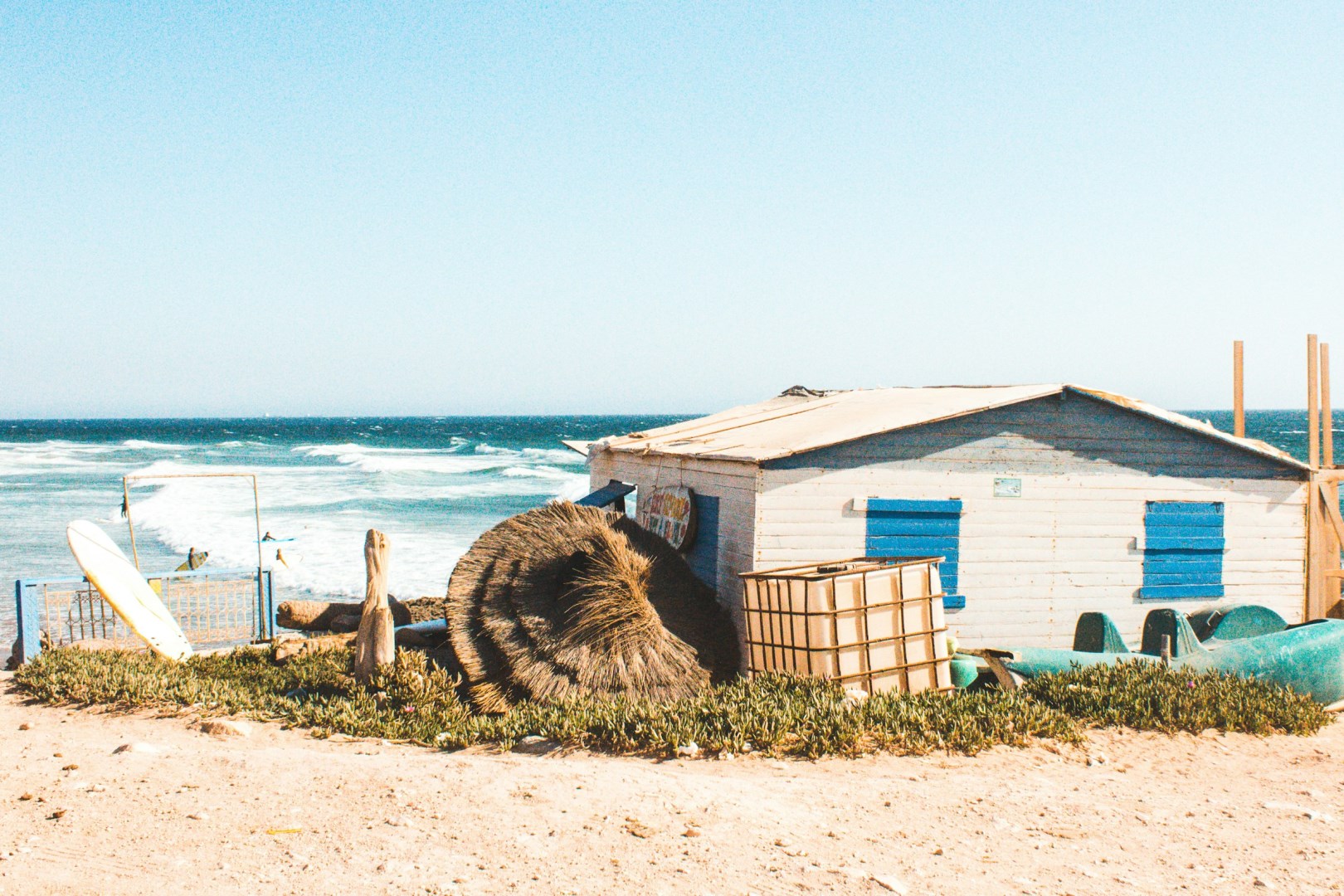
Tamraght
Tamraght is a small coastal village in Morocco’s Souss-Massa region, located between Agadir and Taghazout above the Atlantic Ocean. The village sits on a hillside overlooking a coastline known for sandy beaches, rocky headlands, and reliable surf. Its setting also includes green banana plantations and argan trees around the nearby valleys, creating a noticeable contrast with the dry hills farther inland.
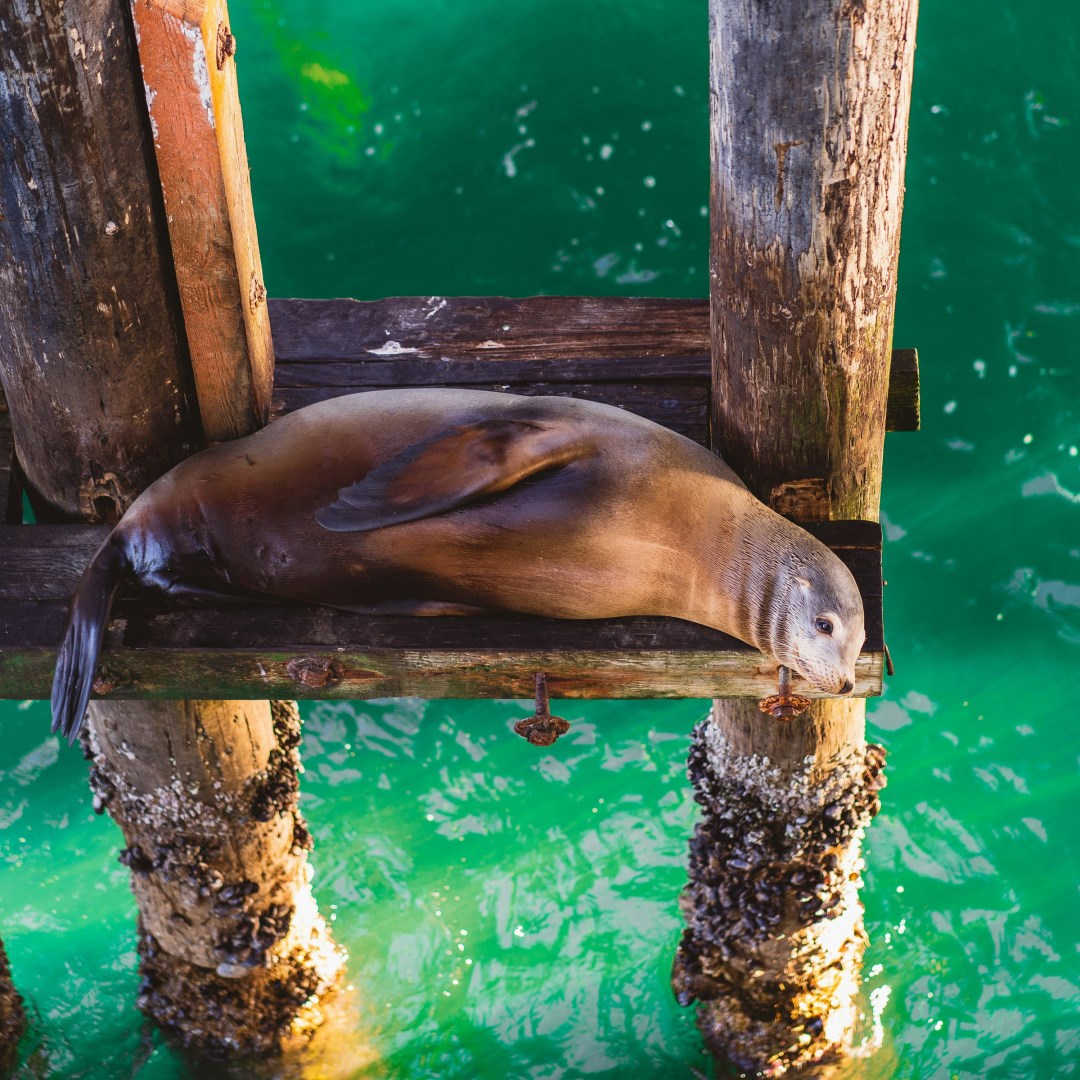
Santa Cruz
Located 75 miles south of San Francisco, Santa Cruz is a vibrant and laidback city on the central coast of California. Settled by Spanish Missionaries in the late 18th century, Santa Cruz has become a coastal paradise for surfers, students, and lovers of nature. Nestled between Wilder Ranch State Park and Henry Cowell Redwoods State Park, University of California, Santa Cruz, is the city’s leading research institution.