Amorgos
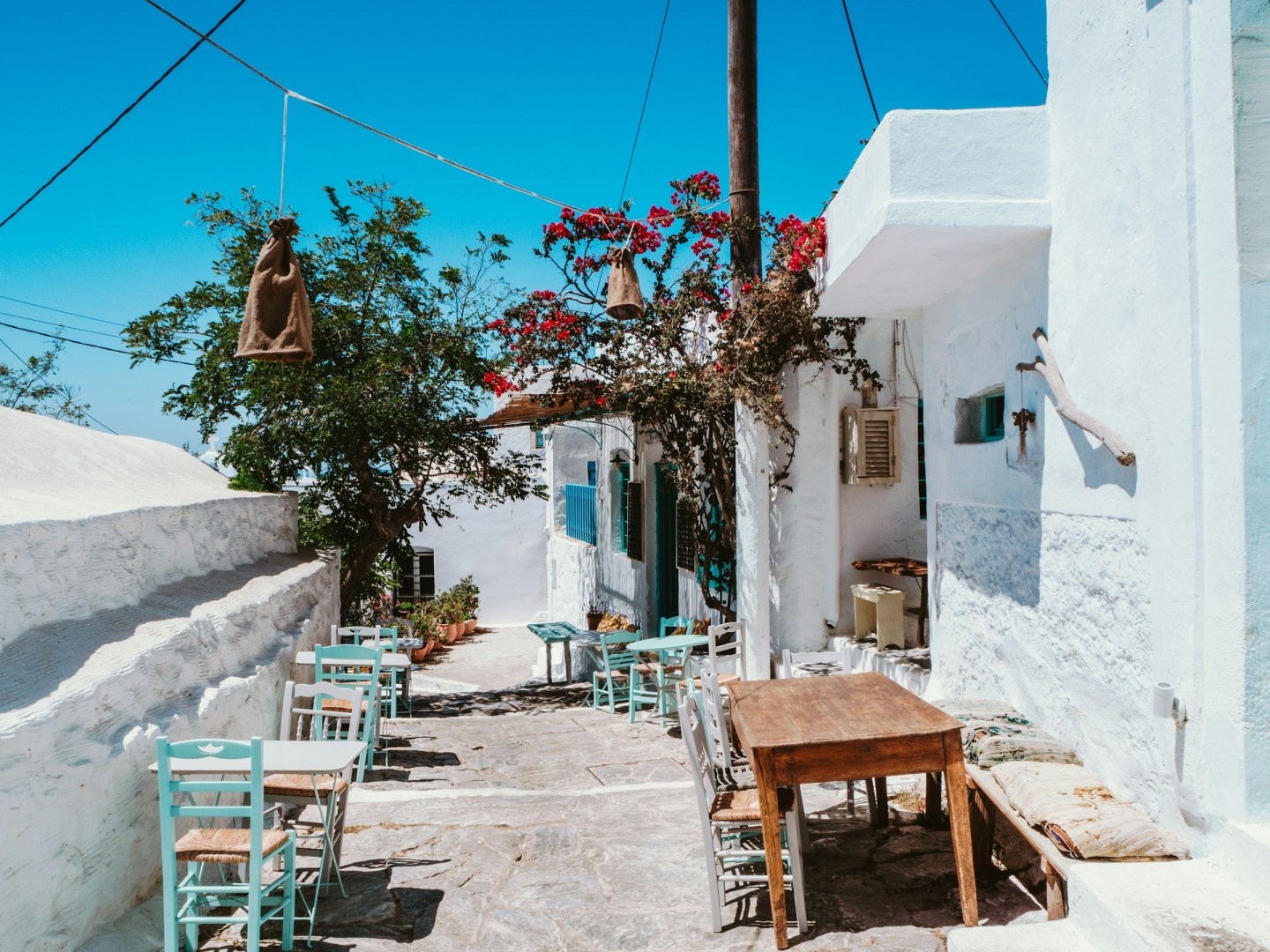
Amorgos is an island in the eastern Cyclades, known for its steep rocky coastline, whitewashed villages, stone paths, and broad views across the Aegean Sea. Unlike flatter Cycladic islands, much of Amorgos is mountainous, with Mount Krikelos reaching 821 metres and deep valleys separating its settlements. The main ports are Katapola and Aegiali, while Chora, the island’s inland capital, is built around narrow lanes, small squares, windmills, and traditional Cycladic houses.
Arecibo
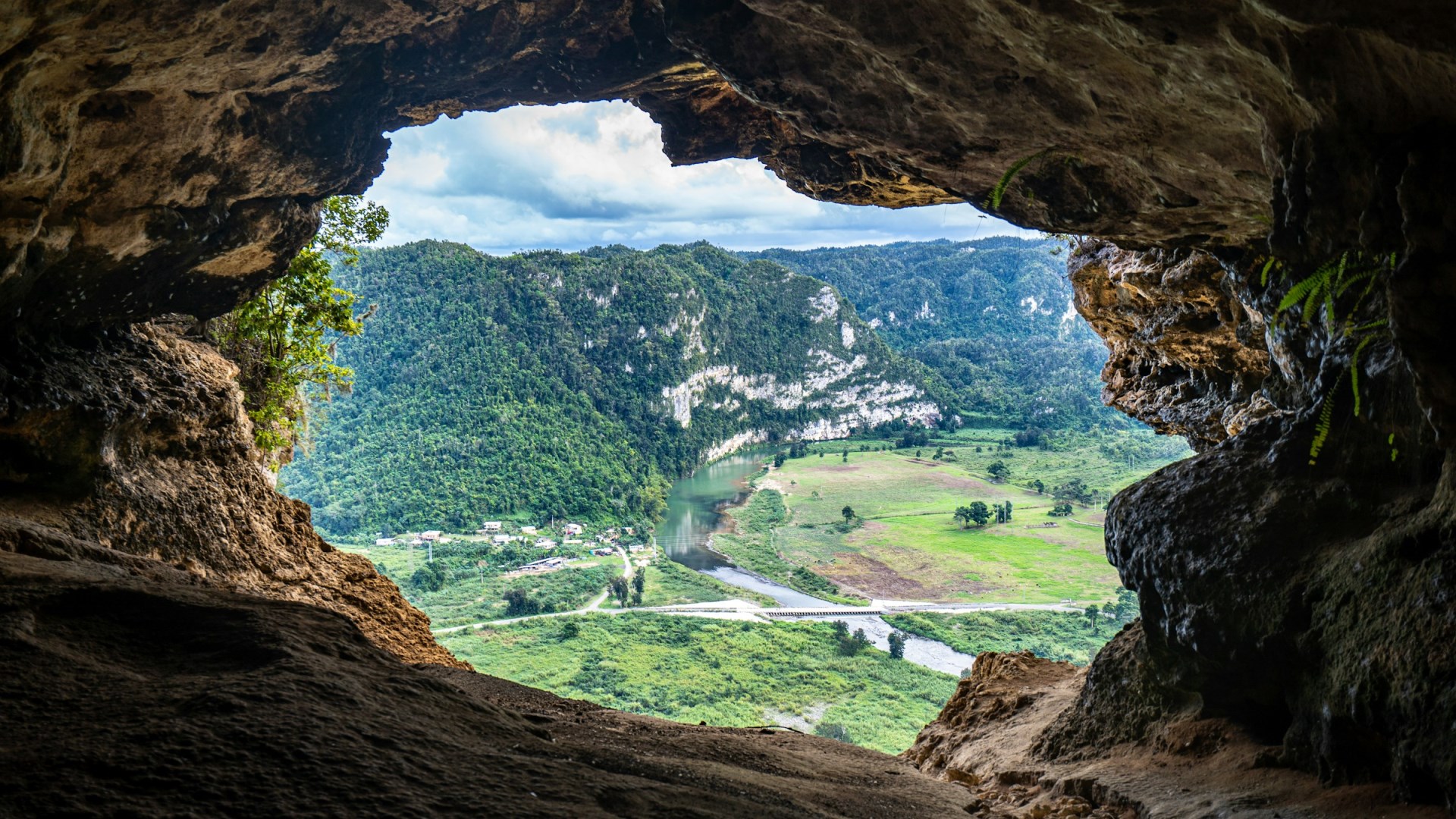
Arecibo is a coastal municipality on the north coast of Puerto Rico, where the Atlantic Ocean meets the island’s northern karst region. It is known for a varied landscape of beaches, limestone hills, caves, sinkholes, forests, and rivers, including the Río Grande de Arecibo and Río Tanamá.
Stellenbosch
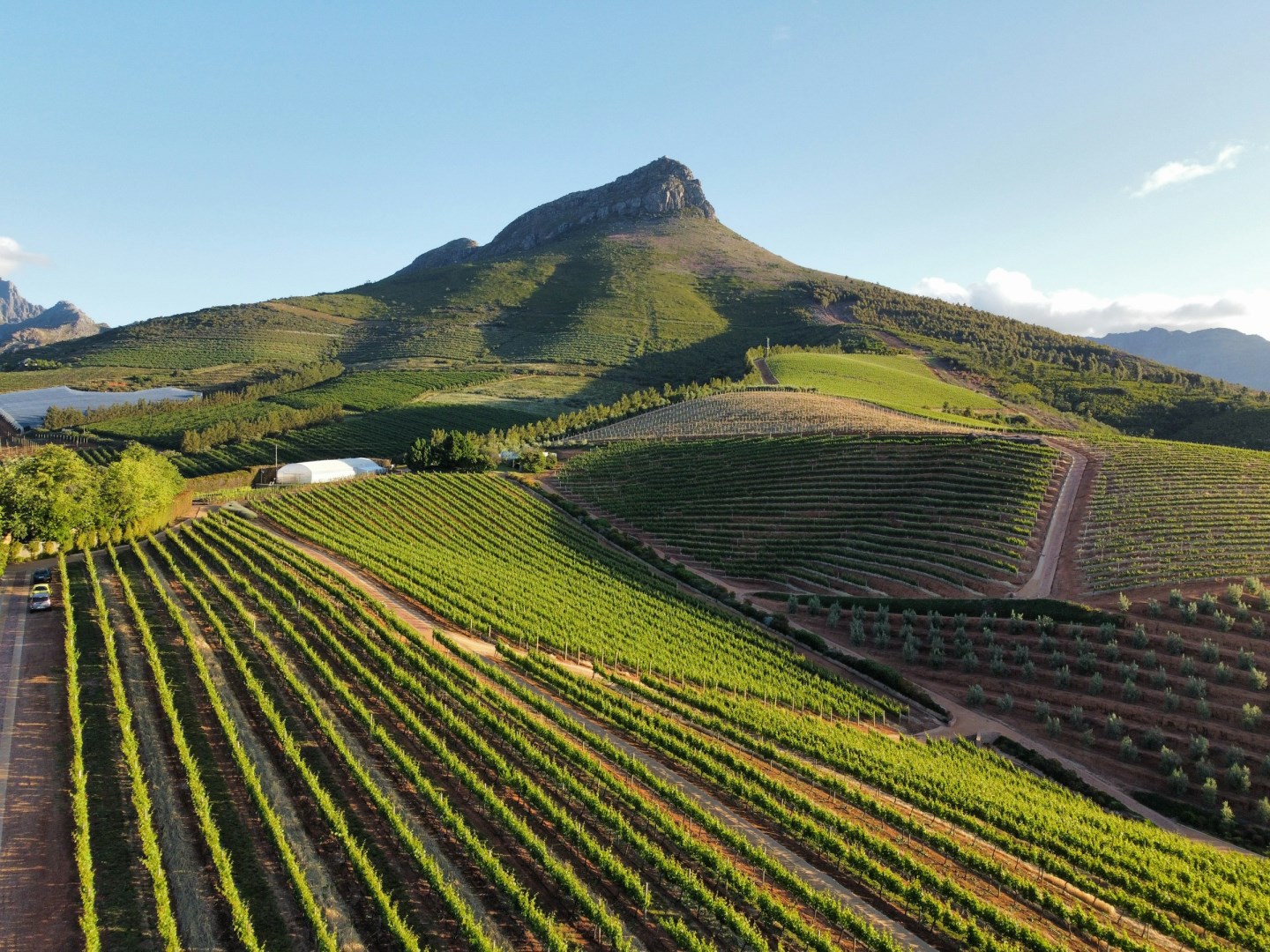
Stellenbosch, a charming town in South Africa’s Western Cape, is a haven for wine lovers and history enthusiasts alike. Established in 1679, Stellenbosch boasts well-preserved Cape Dutch architecture and a vibrant cultural scene. Its tree-lined streets are dotted with historical buildings, boutique shops, and artisanal cafes. A visit to the Stellenbosch Village Museum offers a glimpse into the town’s rich heritage, showcasing restored buildings from the 18th and 19th centuries.
Brasília
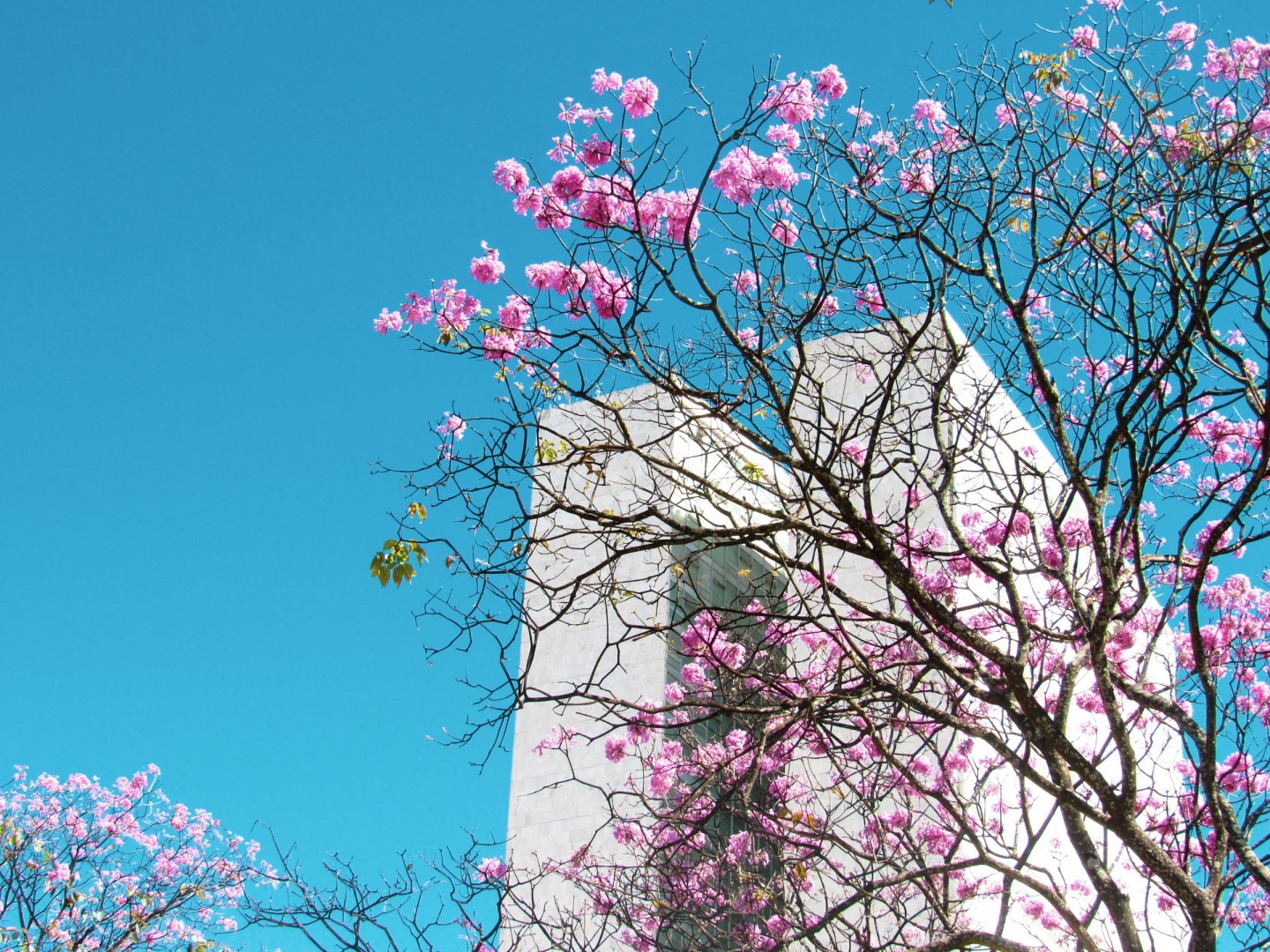
Brasília may be a World Heritage Site, but it is only of interest to town planning and architecture students, and those keen to witness the folly of man on a metropolitan scale. It must have looked good on paper, and still looks good in photos, but in the flesh, forget it. Designed by architect Oscar Niemeyer, urban planner Lucio Costa, and landscape architect Burle Marx, the city was built in an incredible three years between 1957 and 1960.
Akita
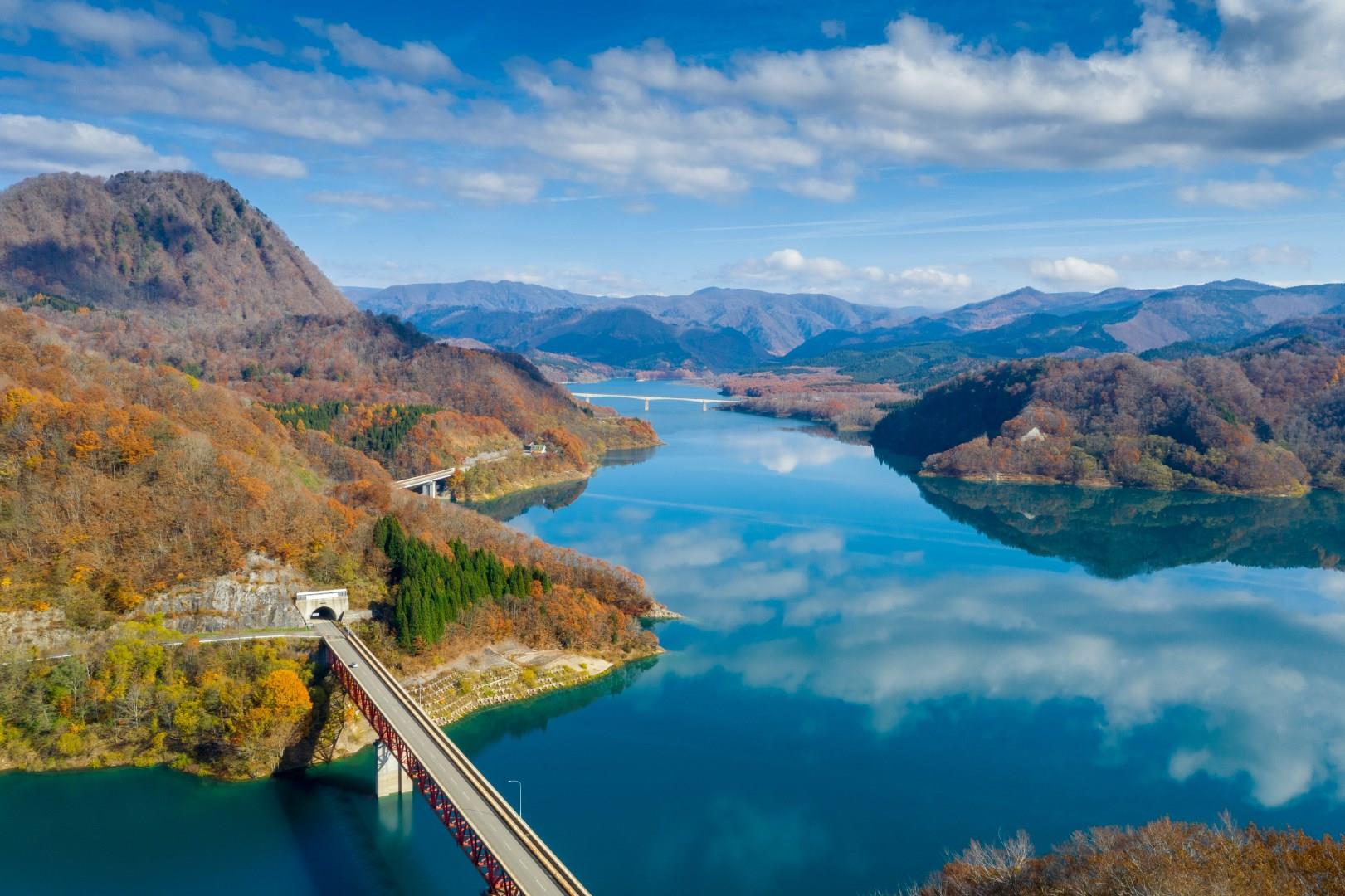
Akita sits in the northern part of Japan’s Tōhoku region and offers travelers experiences rooted in long-held traditions, lively festivals, and scenic valleys. Its capital city blends seasonal appeal with cultural offerings, from Senshu Park, once the site of Kubota Castle, where cherry blossoms and lotuses draw locals and visitors alike, to the Akita Museum of Art, a striking building designed by famed architect Tadao Ando that displays works including pieces by Tsuguharu Foujita.