Vienne
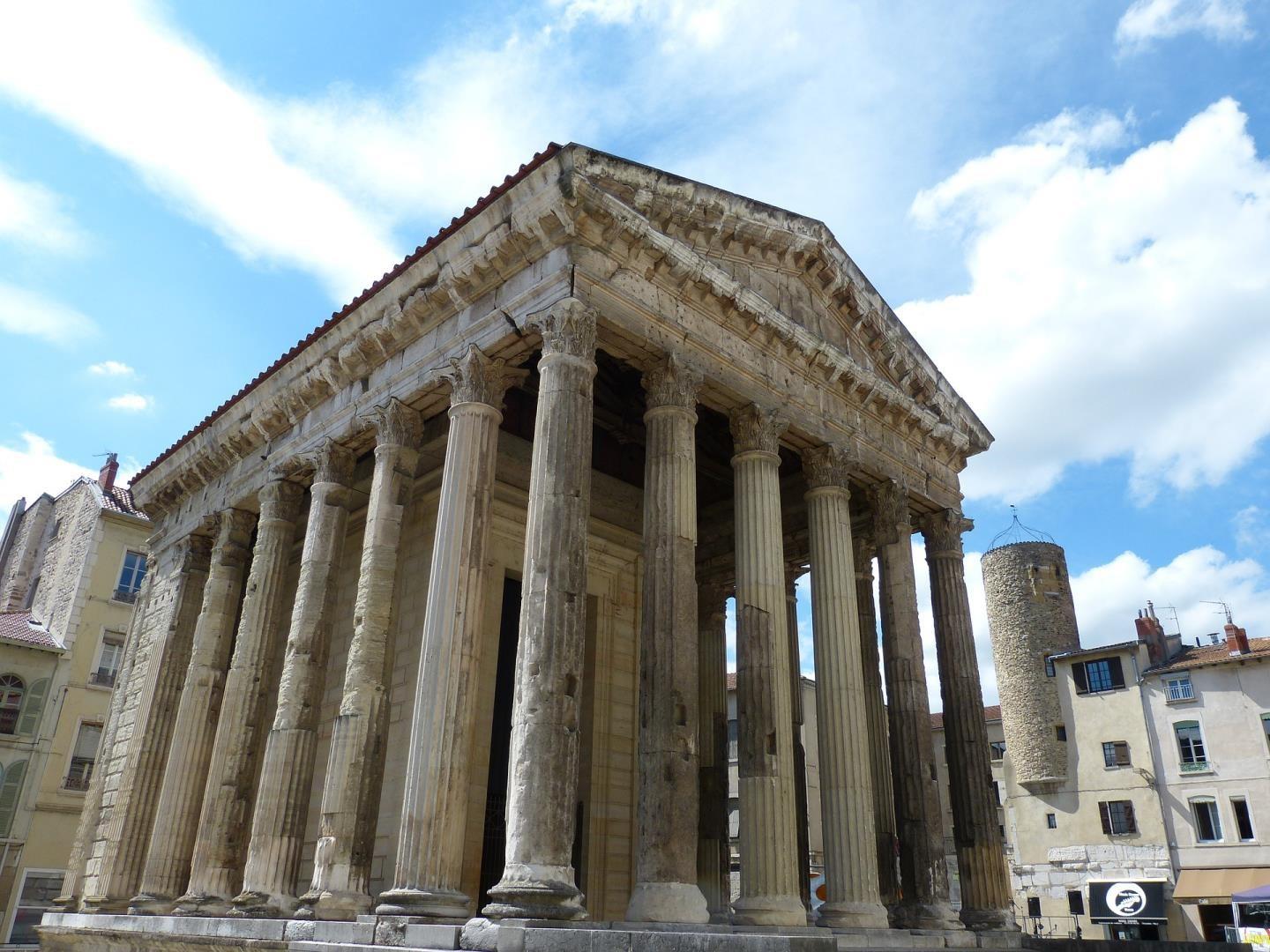
Vienne, France sits along the wide bend of the Rhône River in southeastern France, where stone bridges, riverbanks, and steep hills shape the view from nearly every angle. The old town is filled with narrow streets that open suddenly into squares lined with cafés and small shops. One of the most striking sights is how Roman ruins appear in unexpected places, blending into daily life rather than standing apart as distant monuments.
Mount Rainier National Park
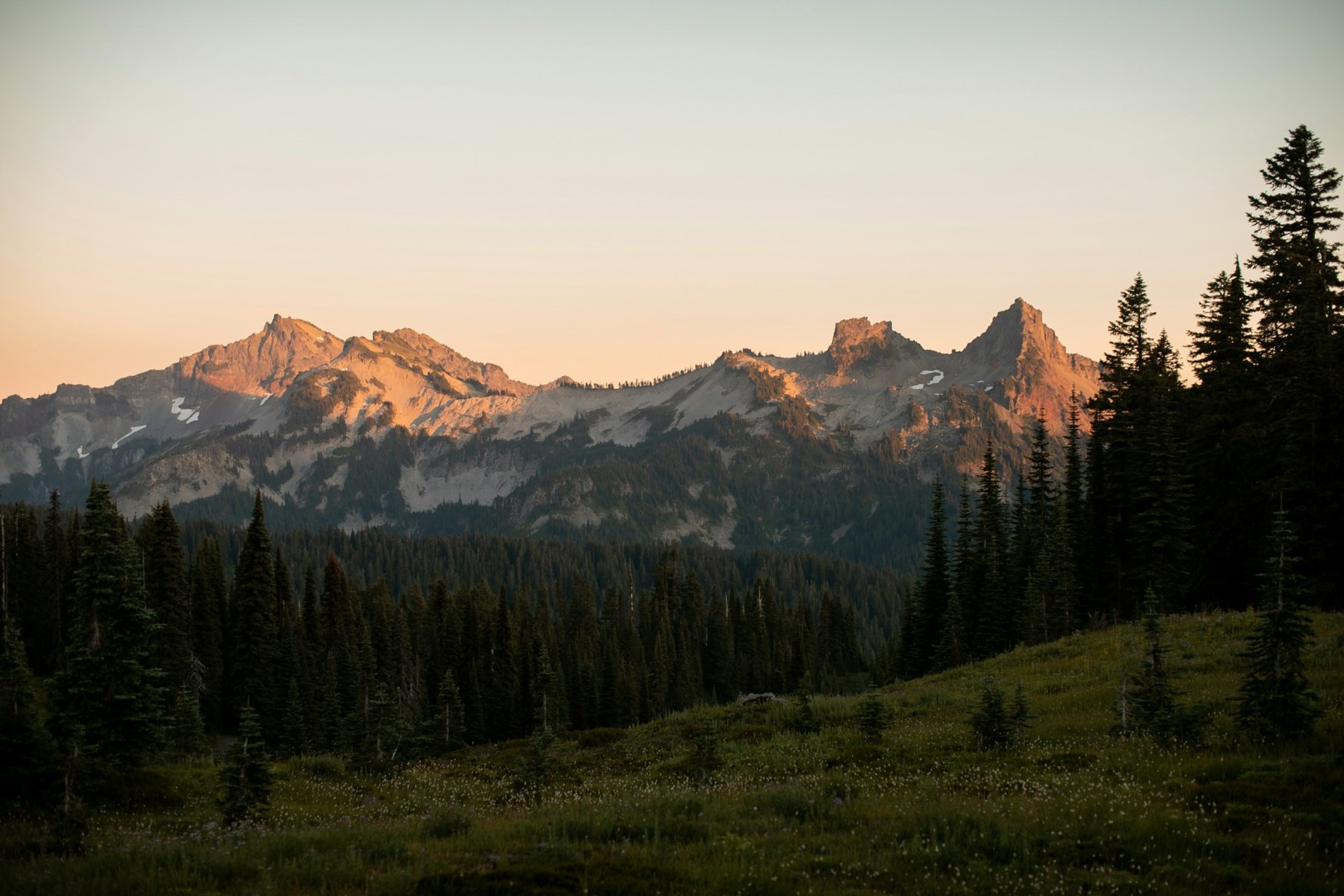
Mount Rainier National Park is centered on Mount Rainier, a massive glaciated volcano rising above the forests and valleys of Washington’s Cascade Range. The mountain dominates the surrounding landscape, with glaciers, snowfields, alpine meadows, old-growth forests, rivers, and waterfalls extending across the park. Its varied elevations create distinct environments, from dense lowland forest to open subalpine terrain and rugged alpine slopes.

Canary Islands
The Canary Islands, a Spanish archipelago off the northwest coast of Africa, offer far more than just sunshine and beaches. Made up of eight main islands, each with its own personality, the Canaries are a place where lunar landscapes, cloud forests, volcanic peaks, and historic towns coexist within short travel distances. On Tenerife, Mount Teide looms over a landscape of solidified lava and craters that look like a science fiction set.
Malolotja National Park
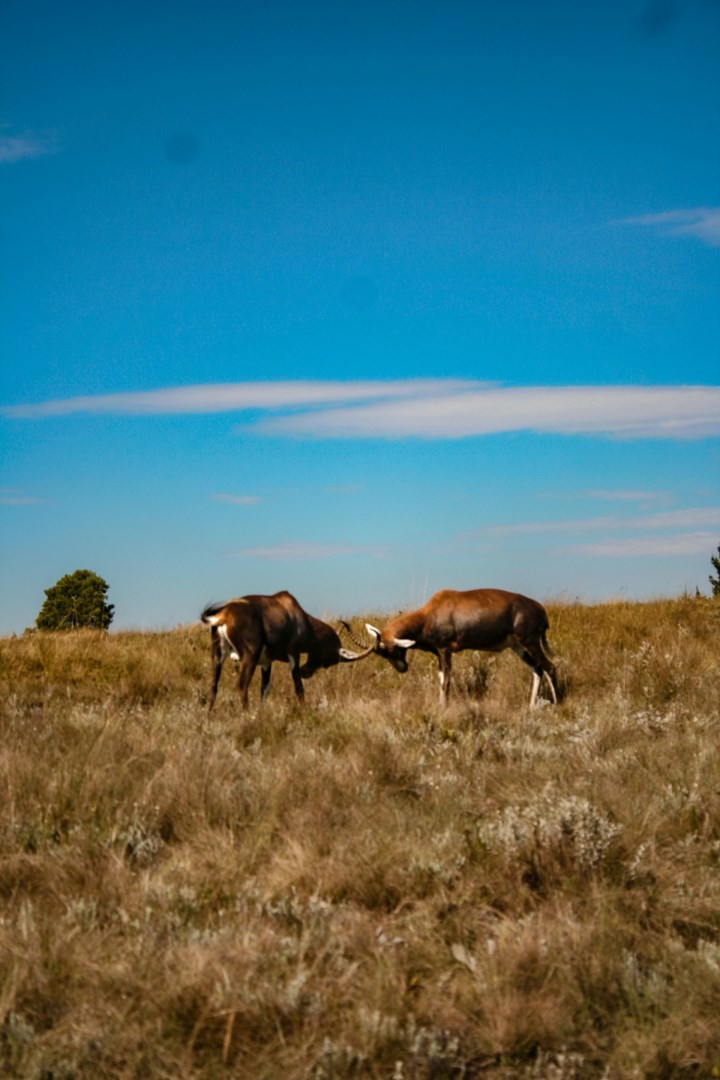
Malolotja Nature Reserve, often referred to as Malolotja National Park, lies in the northwestern highlands of Eswatini, close to the South African border. Covering more than 18,000 hectares, it protects one of the country’s largest areas of mountain wilderness, with rolling grasslands, deep valleys, wetlands, woodland, and mistbelt forest.
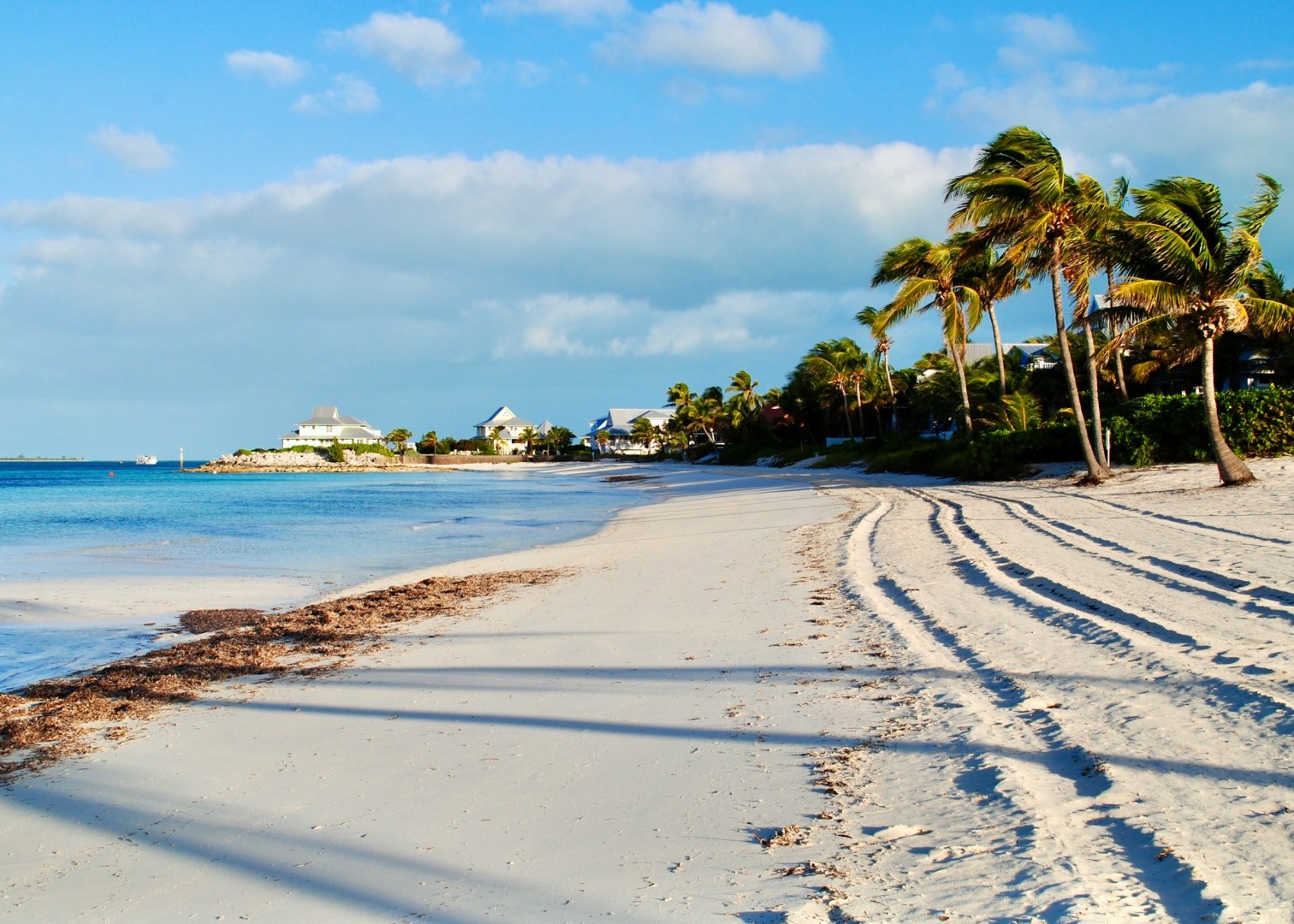
Berry Islands
The Berry Islands are a scattered group of small islands and cays in the central Bahamas, located between New Providence and Andros. The archipelago contains Great Harbour Cay, Little Harbour Cay, Chub Cay, and numerous smaller islands surrounded by shallow banks, reefs, and clear Atlantic waters. Much of the landscape consists of low limestone islands with sandy beaches, scrub vegetation, mangroves, tidal flats, and sheltered coves.