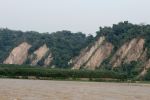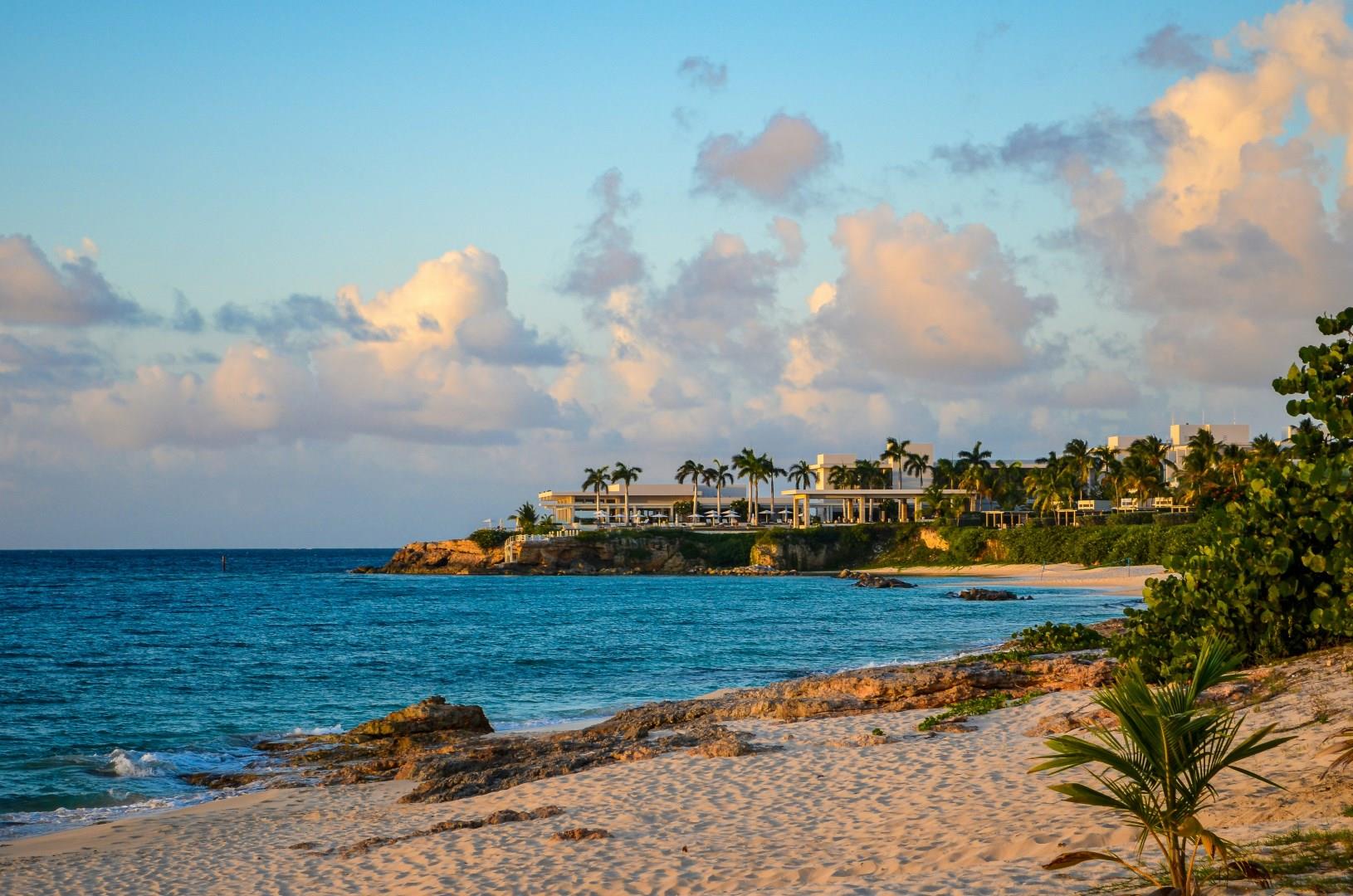
Barnes Bay, on Anguilla’s western coast, is one of the island’s most striking beaches, known for its golden sand and dramatic backdrop of rugged cliffs. The bay is less frequented than some of Anguilla’s more famous shores, giving it a serene, secluded atmosphere that makes it a favorite for those seeking a quieter escape.
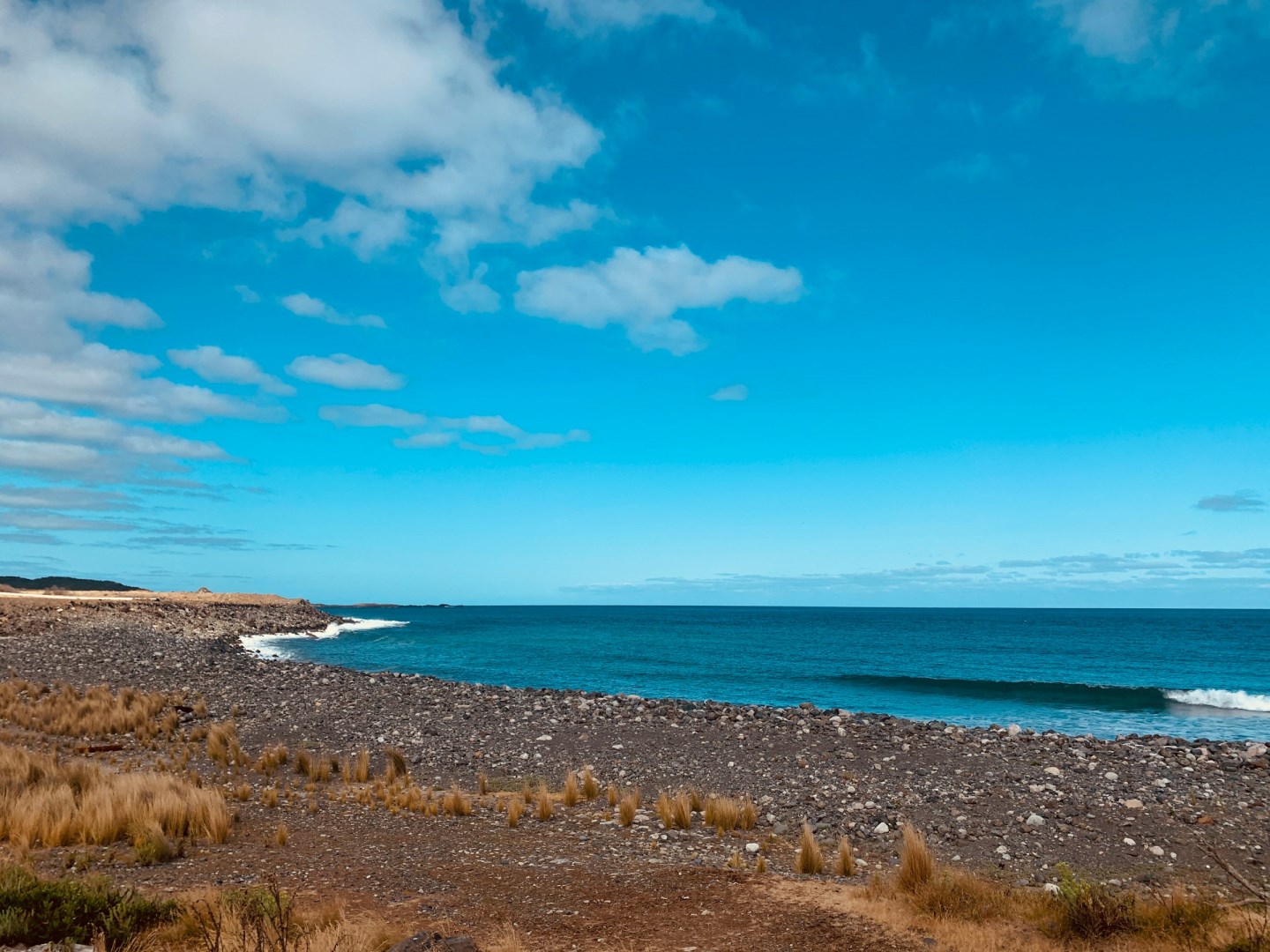
King Island was discovered in 1798, and was a preferred breeding area for sea elephants and seals. Around the island are many shipwrecks, caused by the rough seas of the Bass Strait.
Boracay, a small island in the central Philippines, is famous for its white-sand beaches and clear turquoise waters. Despite its size, the island offers a wide range of activities, from swimming and snorkeling to paddleboarding and sailing.
Klaipeda, Lithuania’s only port city, is a place where history, nature, and the sea come together. Located on the coast of the Baltic Sea, this charming city has a unique old town filled with cobblestone streets.
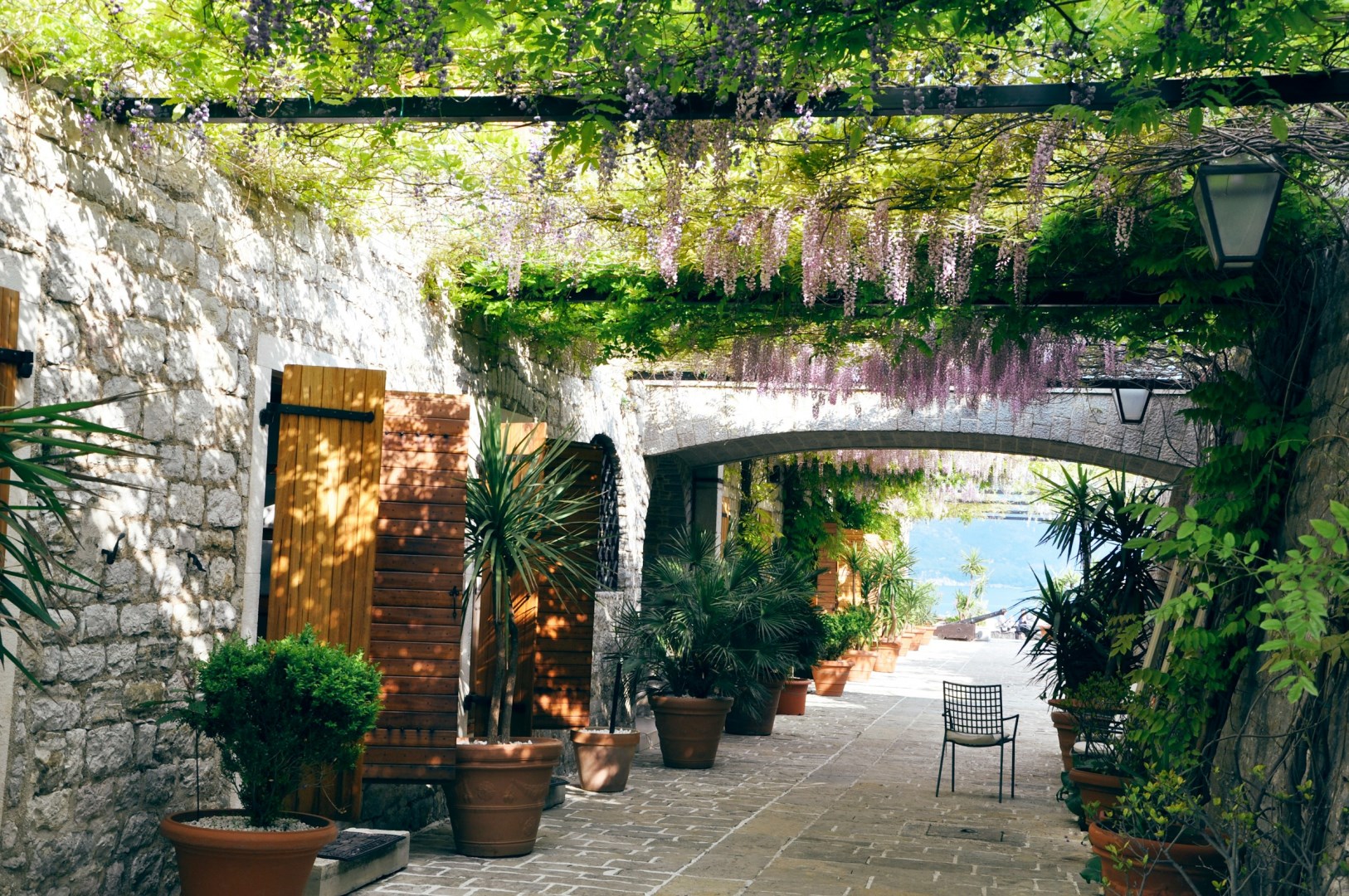
Budva is a coastal town in southwestern Montenegro, set beside the Adriatic Sea and surrounded by limestone hills. Its Old Town occupies a small fortified peninsula, with narrow stone streets, historic buildings, churches, and squares enclosed by defensive walls. Outside the walls, Budva extends along a busy waterfront with beaches, hotels, restaurants, and a marina.
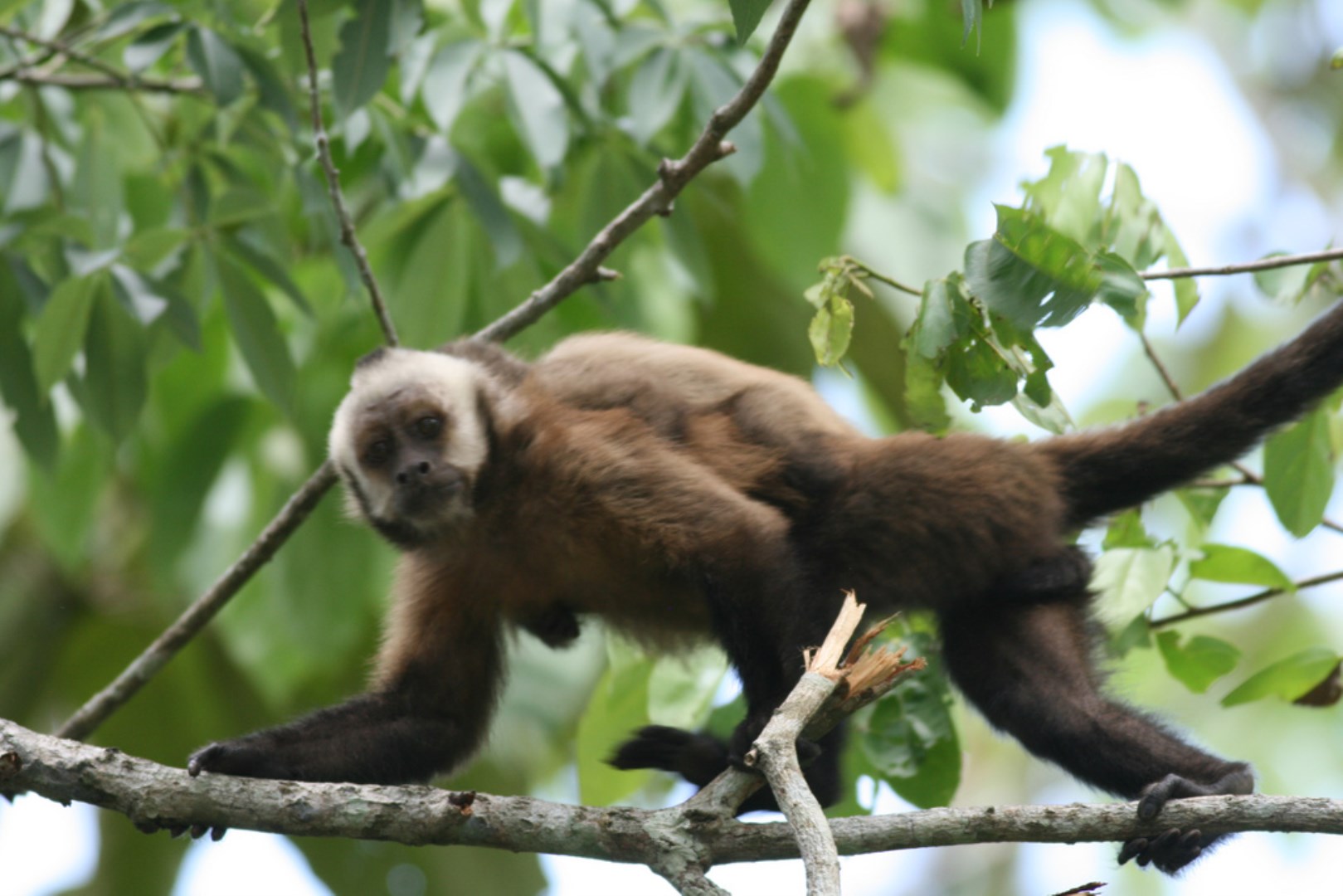
Photo Credit: Photo by Arthur Chapman from Wikimedia
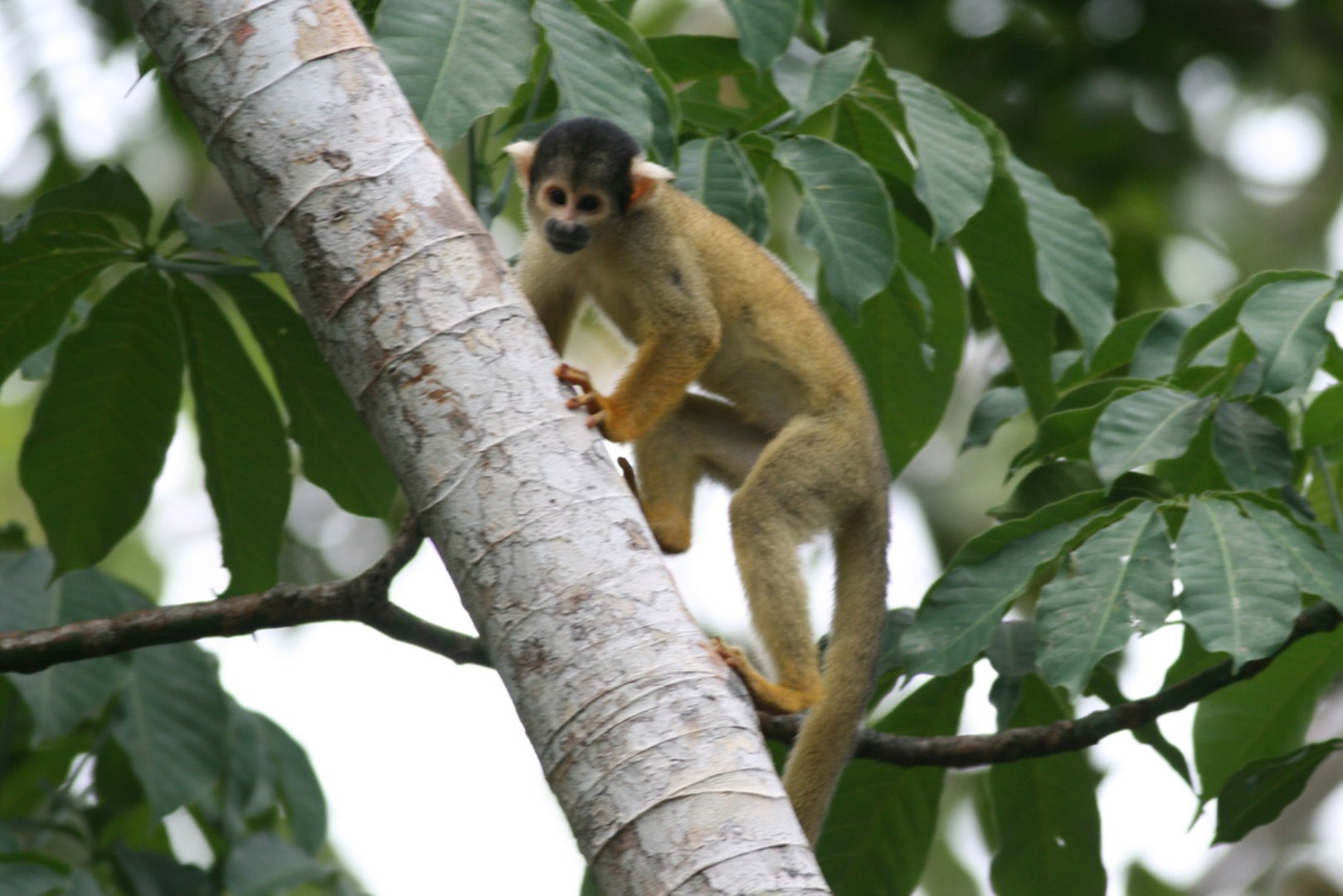
Common Bolivian Squirrel Monkey
Photo Credit: Photo by Arthur Chapman from Wikimedia
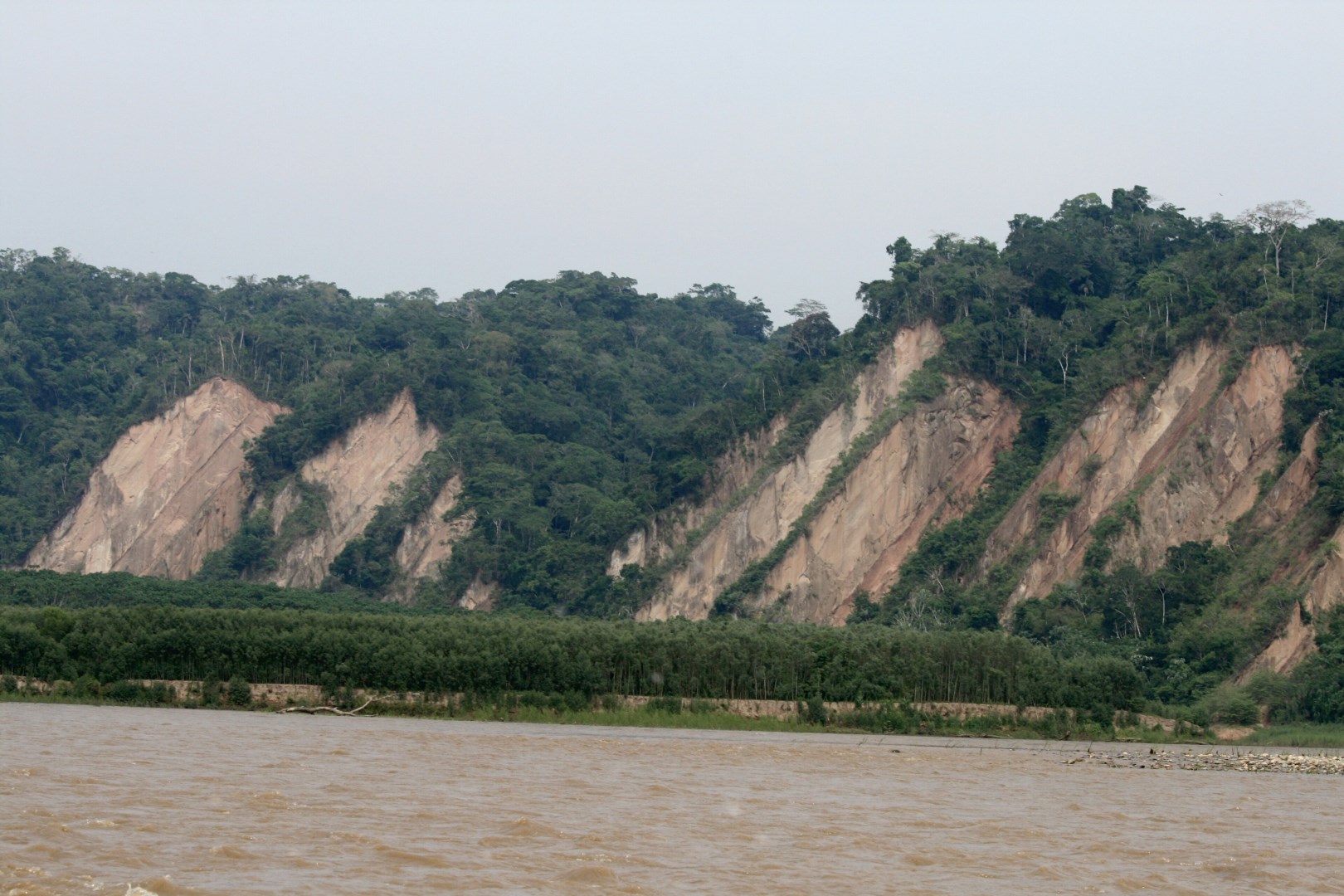
Would you dare venture into the untamed wilderness of Madidi National Park in Bolivia? This vast and biodiverse rainforest is home to jaguars, giant otters, and countless exotic species, making it one of Earth's most ecologically rich places. Trek through dense jungle, navigate winding rivers and immerse yourself in the sounds of nature. For those bold enough to explore this remote paradise, unforgettable wildlife encounters and raw natural beauty await.
Other Popular Destinations in Bolivia
Lake Titicaca
Lake Titicaca, perched at over 3,800 meters above sea level, is the highest navigable lake in the world and a place where ancient stories still echo across the water. Shared by Bolivia and Peru, this lake has long been considered sacred by the Andean peoples. According to Inca legend, it was from Titicaca’s deep blue waters that the first humans were created. Today, the lake remains a center of cultural tradition, spiritual significance, and daily life for many who live along its shores.
La Paz
La Paz, Bolivia’s seat of government, is one of the world’s highest capital cities, dramatically set in a deep canyon carved by the Choqueyapu River. Founded in 1548 atop an important Indigenous settlement, the city has long been a crossroads of Andean cultures, colonial history, and modern political life.