Manompana
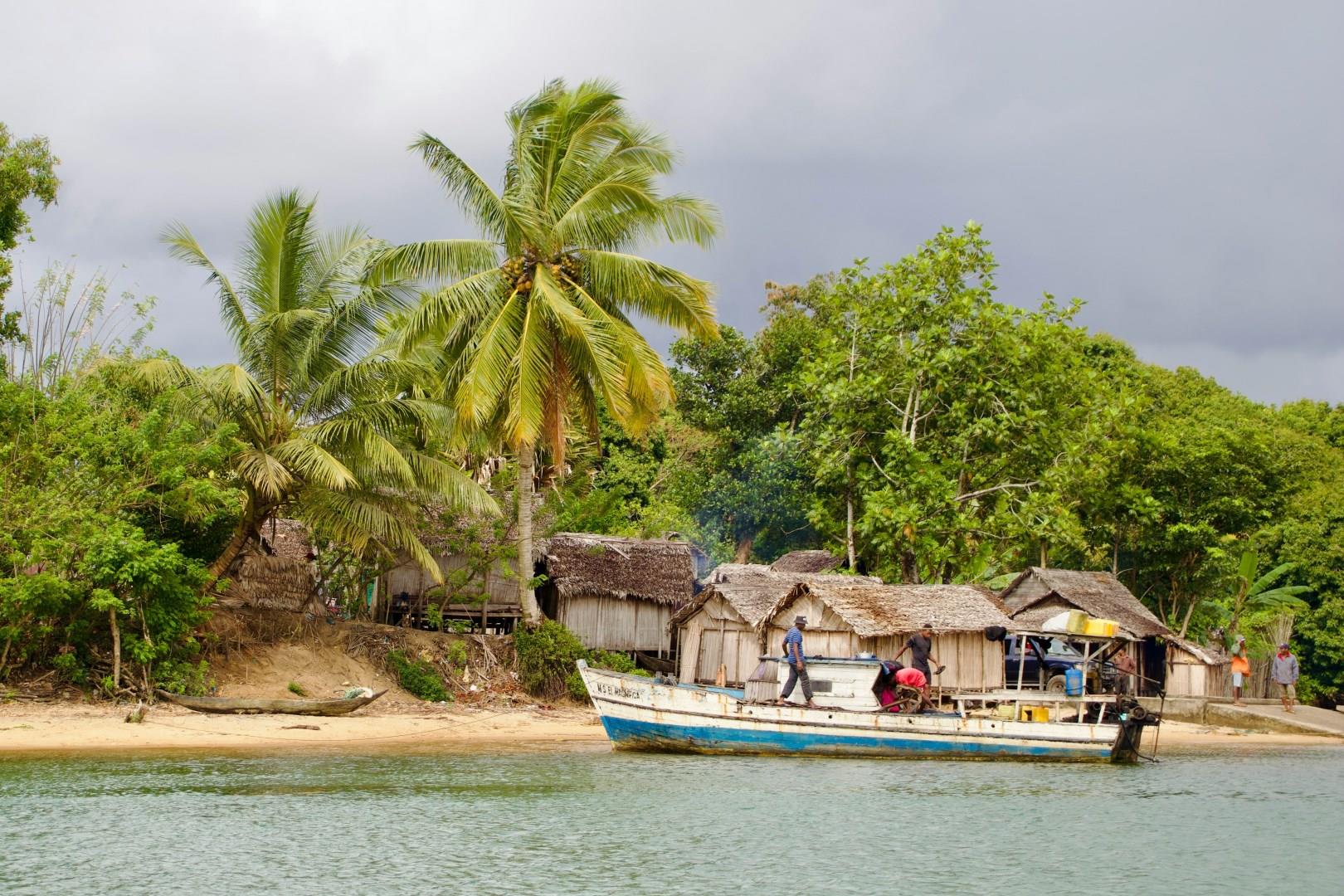
Manompana is a small coastal town in northeastern Madagascar, located in the Analanjirofo Region along the Indian Ocean. The town sits at a low elevation and enjoys a tropical rainforest climate, with warm temperatures and abundant rainfall throughout the year.

Costa Rica
Costa Rica is a country that has built its identity around both natural preservation and cultural vibrancy. Known for its stable democracy and emphasis on sustainability, it has become a global leader in eco-tourism.

Bhutan
Bhutan, often called the “Land of the Thunder Dragon,” is a Himalayan kingdom known for its dramatic landscapes and deeply rooted traditions. Towering peaks, forested valleys, and winding rivers set the stage for a country that has long prioritized harmony between nature and culture.

Monaco
Known for its glitzy image, Monaco is home to some of the world’s most famous attractions, including the iconic Monte Carlo Casino, the historic Prince's Palace, and the prestigious Formula 1 Grand Prix.

Kenai Fjords National Park
Kenai Fjords National Park in Alaska is a stunning showcase of glaciers, rugged coastlines, and pristine wilderness, making it a dream destination for outdoor enthusiasts and nature lovers. Located near the town of Seward, this park is home to the Harding Icefield, one of the largest icefields in North America, feeding over 40 glaciers that spill into the sea.