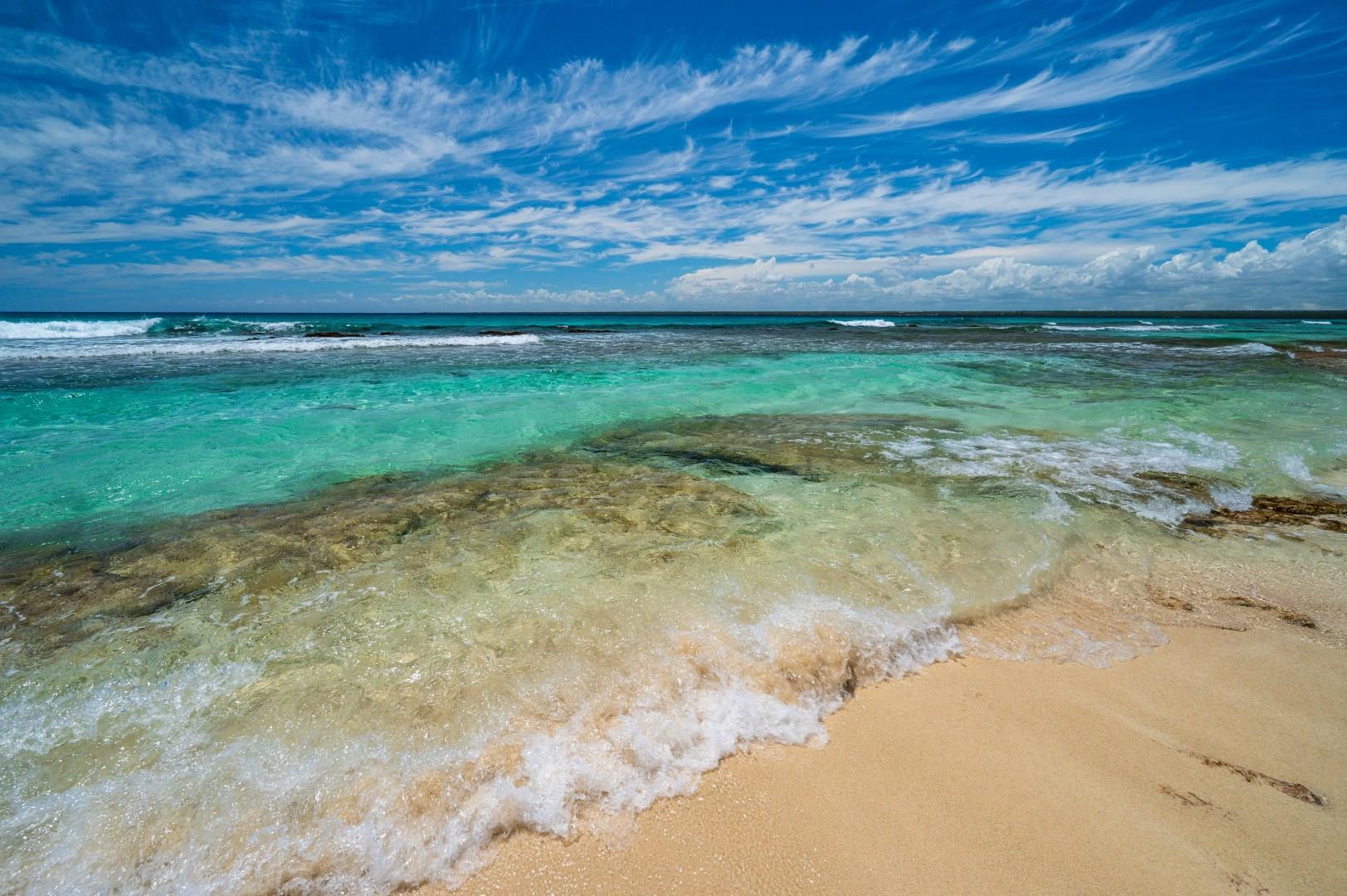
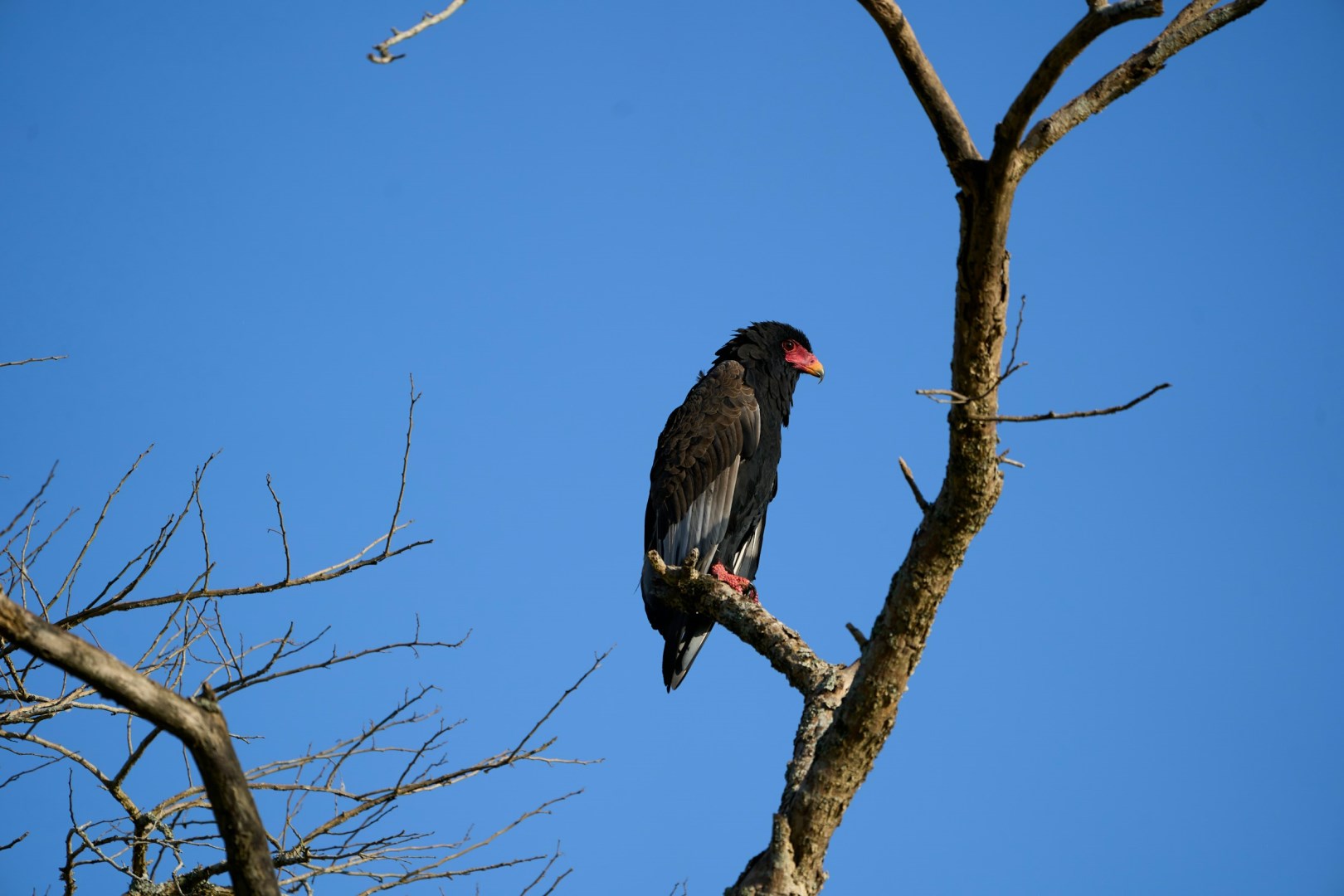
Lake Mburo National Park is a protected area in southwestern Uganda, situated between Kampala and the western highlands. It is centered on a chain of lakes and a landscape of rolling hills, open grassland, woodland, wetlands, and rocky outcrops. Lake Mburo is the largest of the park’s lakes and forms an important part of its ecosystem. The park is relatively compact compared with Uganda’s larger wildlife reserves, but its varied habitats support a notable range of animals and birds. Its location also makes it an accessible destination for exploring Uganda’s savanna landscapes.
The area surrounding Lake Mburo has long been associated with the Banyankole people and cattle keeping, an important part of local identity in the Ankole region. Traditional long-horned Ankole cattle remain a distinctive feature of the surrounding communities and can be seen grazing outside the protected area. The park itself is managed for wildlife conservation, while nearby community initiatives connect tourism with local livelihoods. Cultural experiences in the region may include visits to cattle-keeping communities, demonstrations of traditional milk processing, and opportunities to learn about local food, crafts, and pastoral traditions.
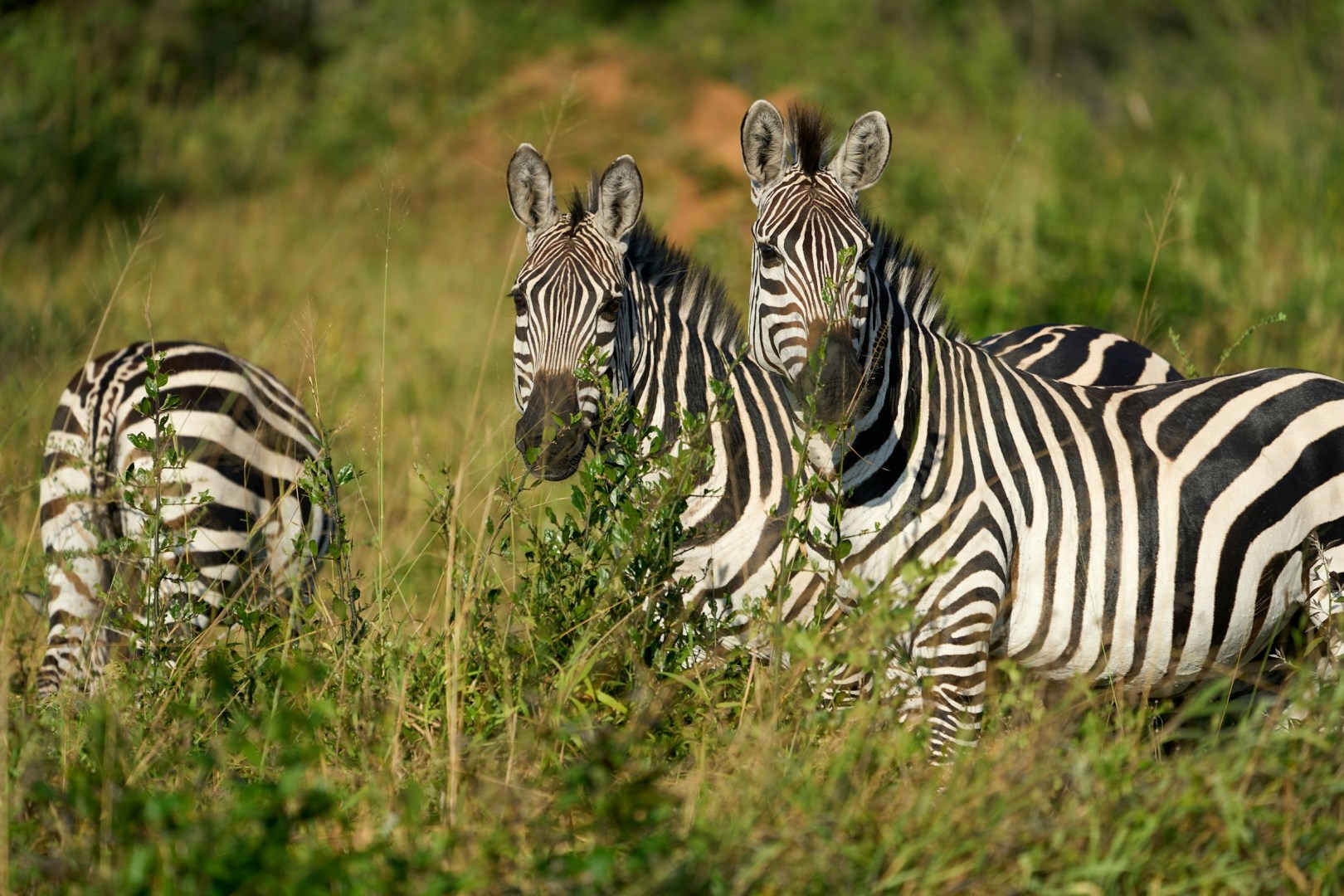
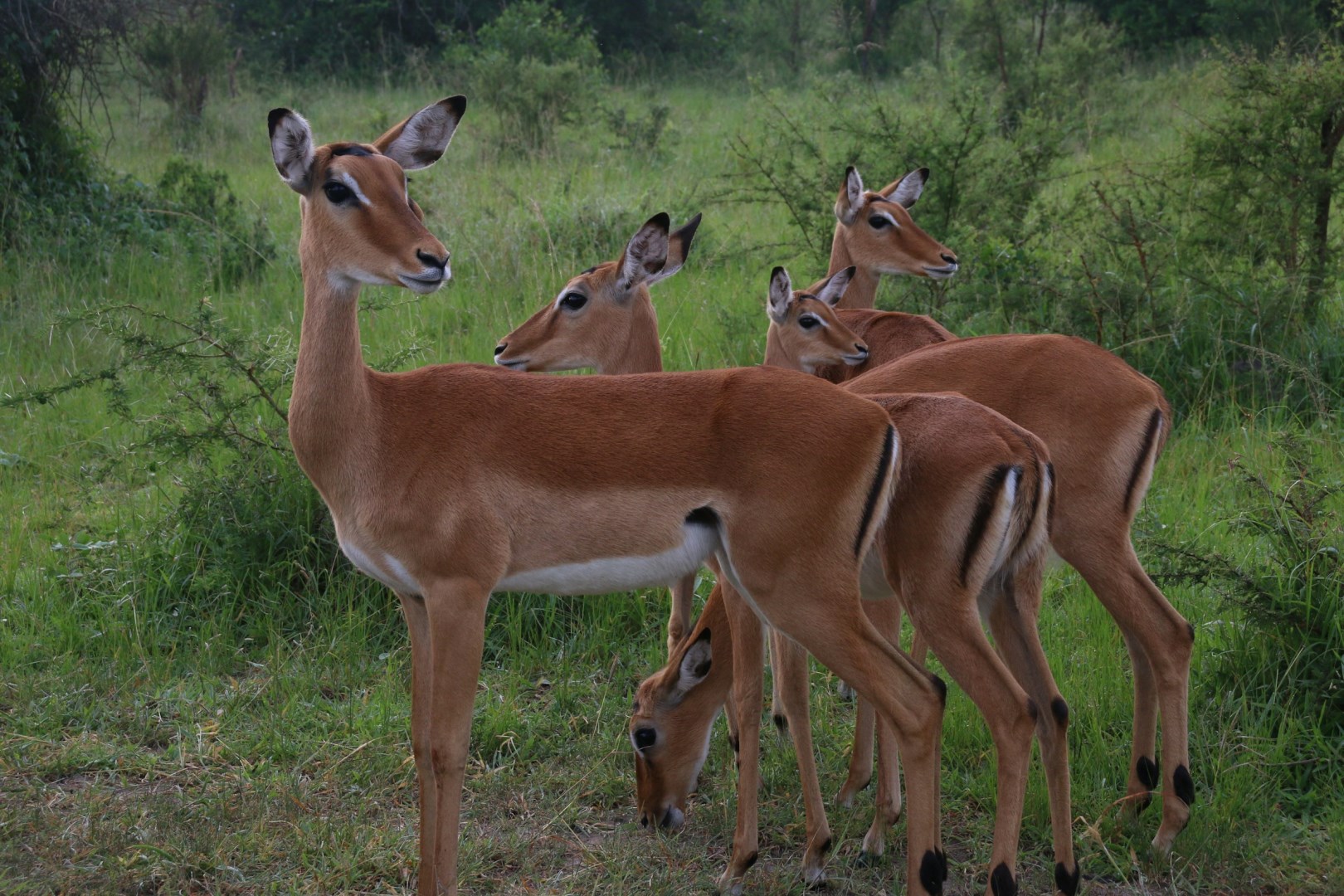
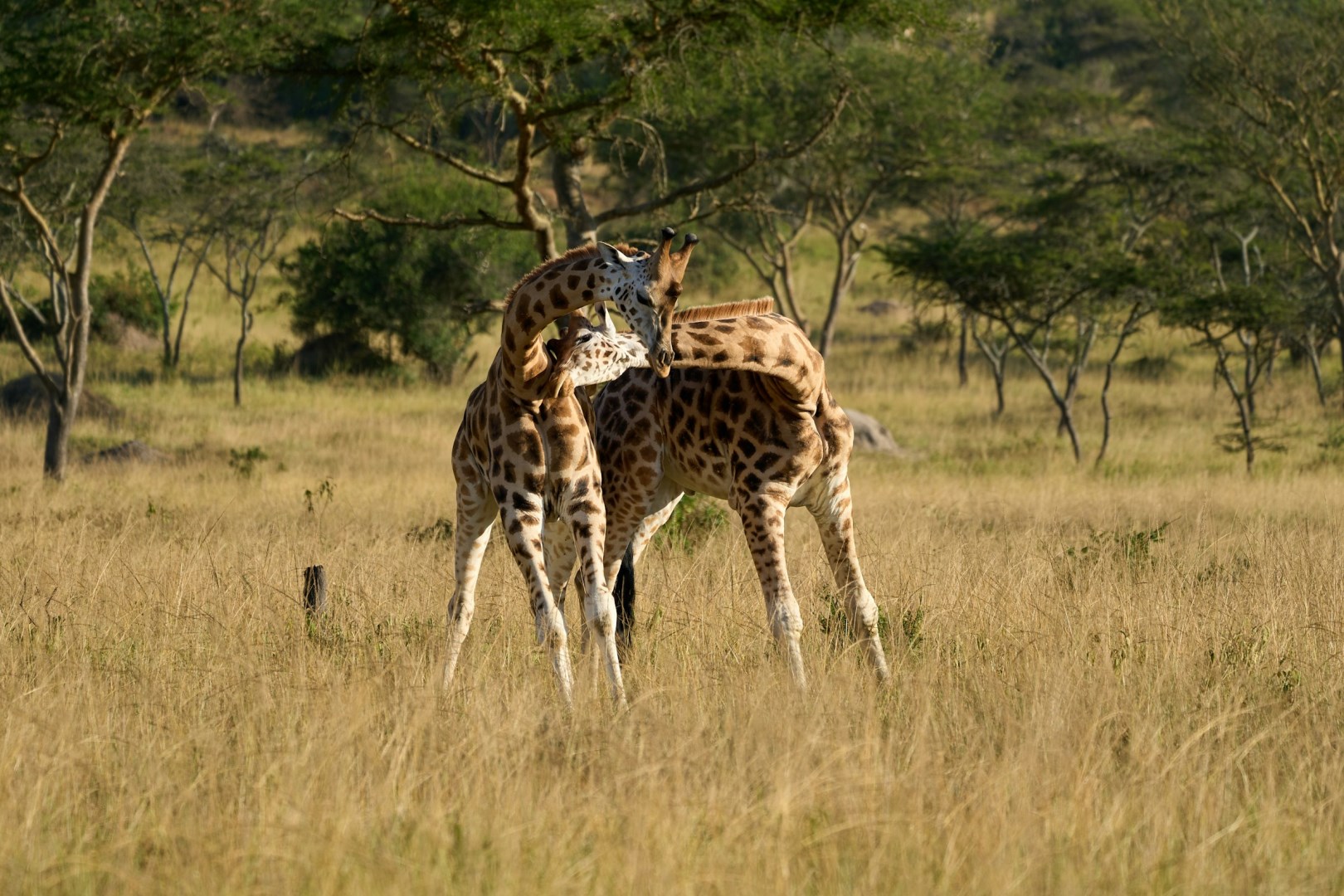
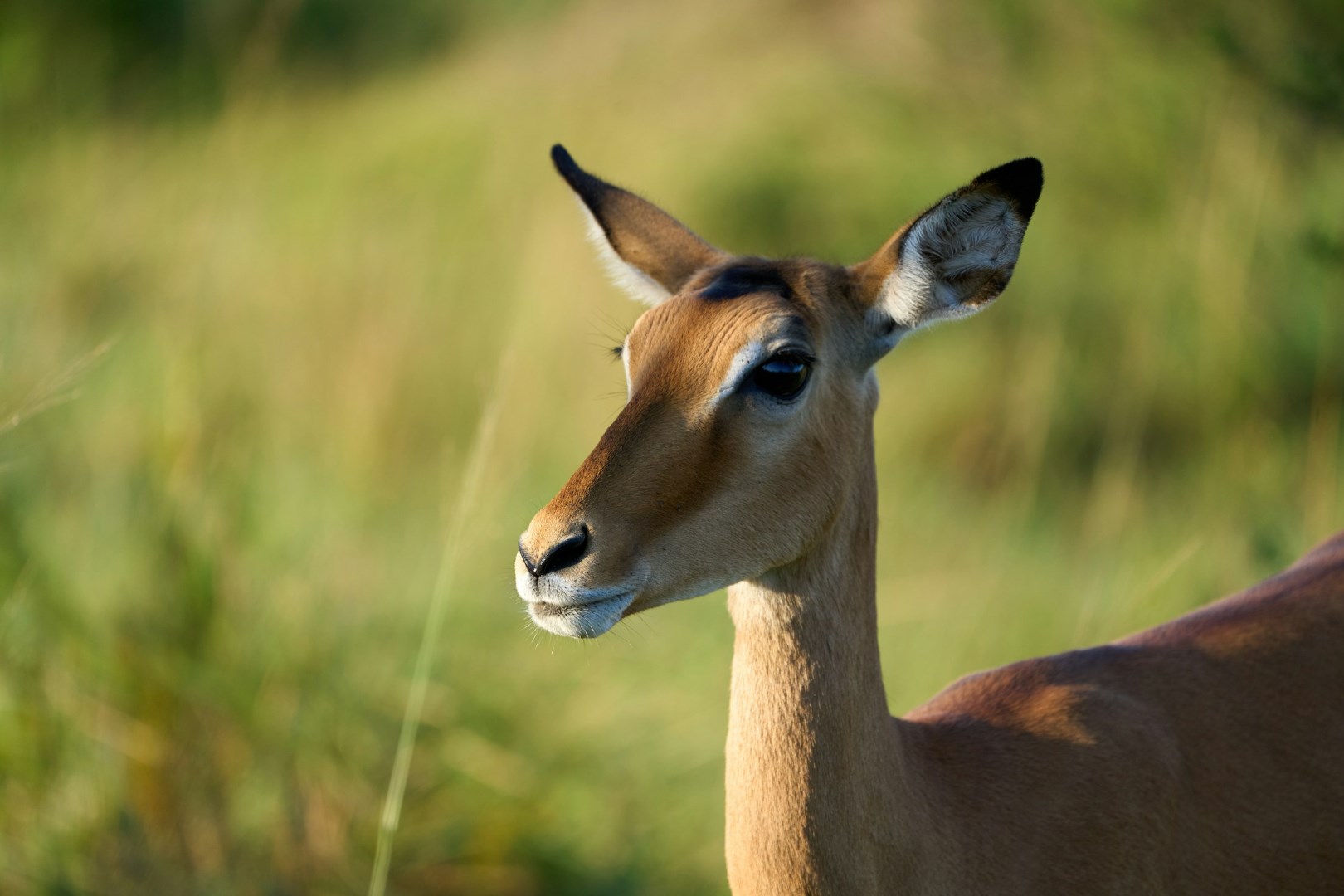
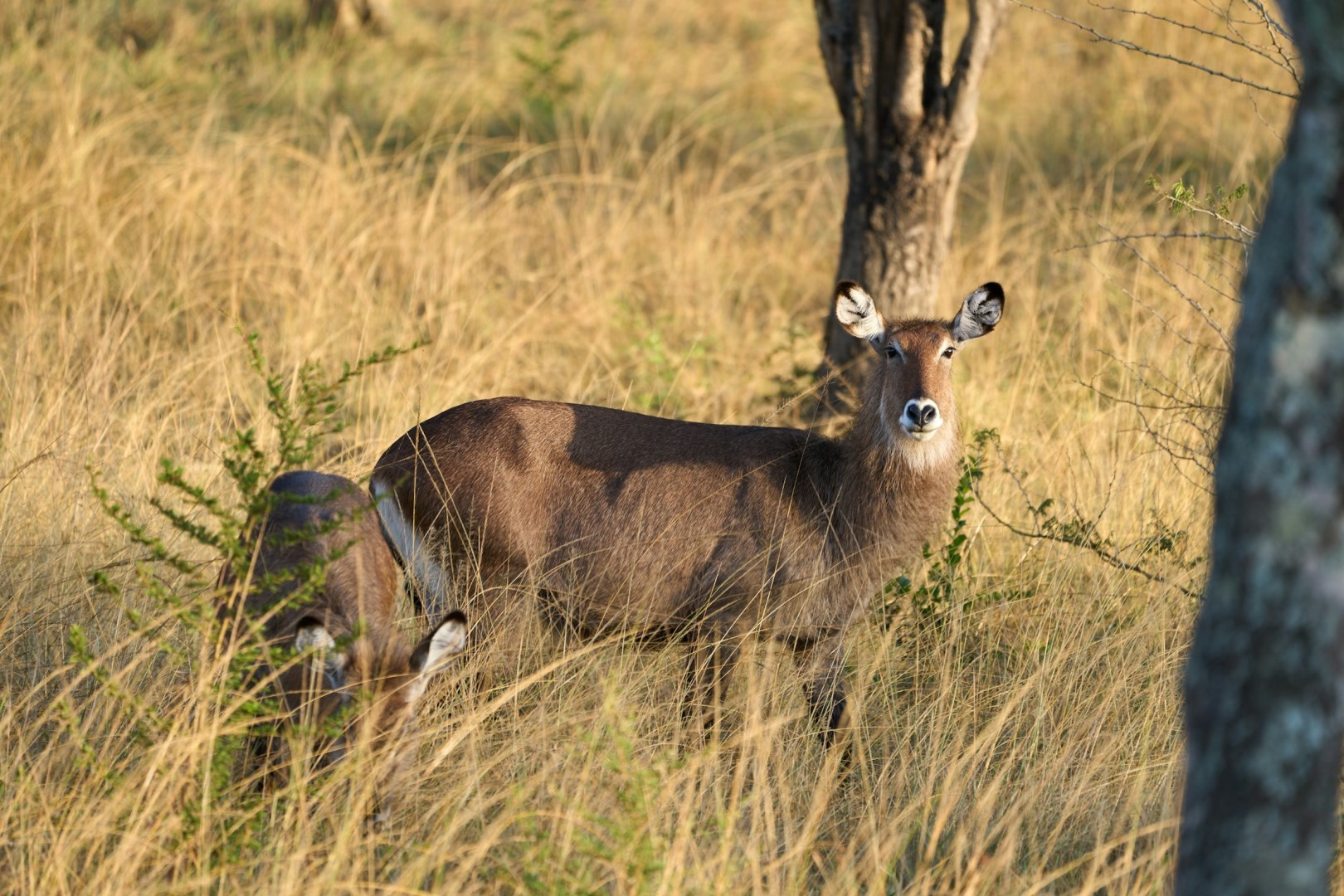
Lake Mburo National Park is particularly known for animals that are less commonly seen in other Ugandan parks, including plains zebra, impala, eland, and topi. It is also one of the few protected areas in Uganda where visitors can encounter giraffes and Burchell’s zebra in the same savanna landscape. The lakes and wetlands support hippos, crocodiles, waterbirds, and other aquatic species, while wooded areas provide habitat for leopards, hyenas, buffalo, and bushbuck. Game drives, boat trips, guided walks, and horseback safaris provide different ways to explore the park’s grasslands, lakeshores, and woodland.
Local food in the wider Ankole region includes milk, beef, bananas, beans, millet, and other crops suited to small-scale farming and pastoral communities. Ankole cattle are especially recognizable for their large, curved horns and have cultural and economic importance beyond their role as livestock. Lake Mburo itself is also significant as part of a wetland system that supports fish, hippos, crocodiles, and many bird species. The combination of open grazing country, lakes, wetlands, and cattle-keeping traditions gives the park a distinctive connection between Uganda’s wildlife conservation and the rural landscapes of southwestern Uganda.