Donji Milanovac
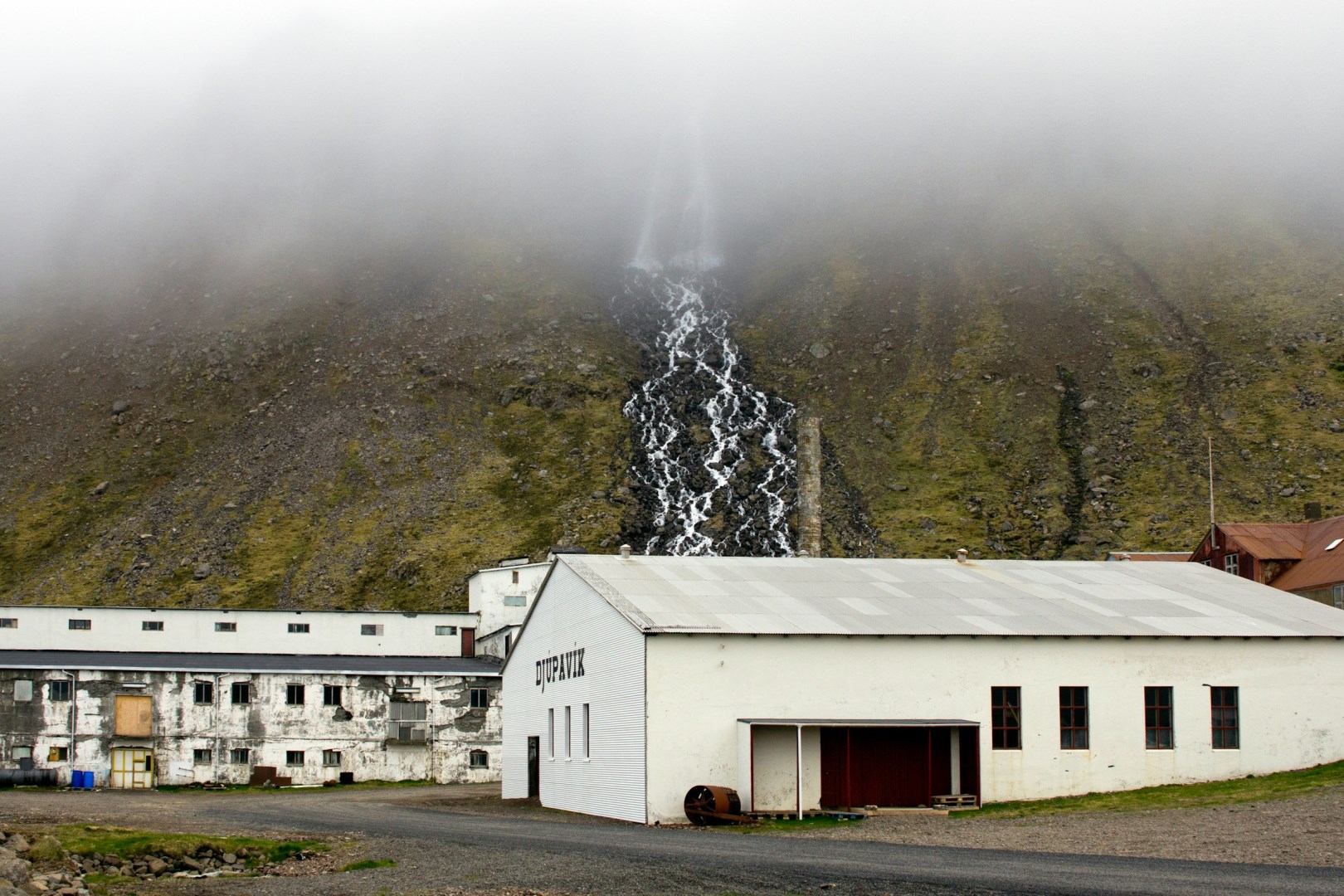
Donji Milanovac is a gateway to the Iron Gates Gorge, one of the most stunning natural attractions in the region.
Phakding
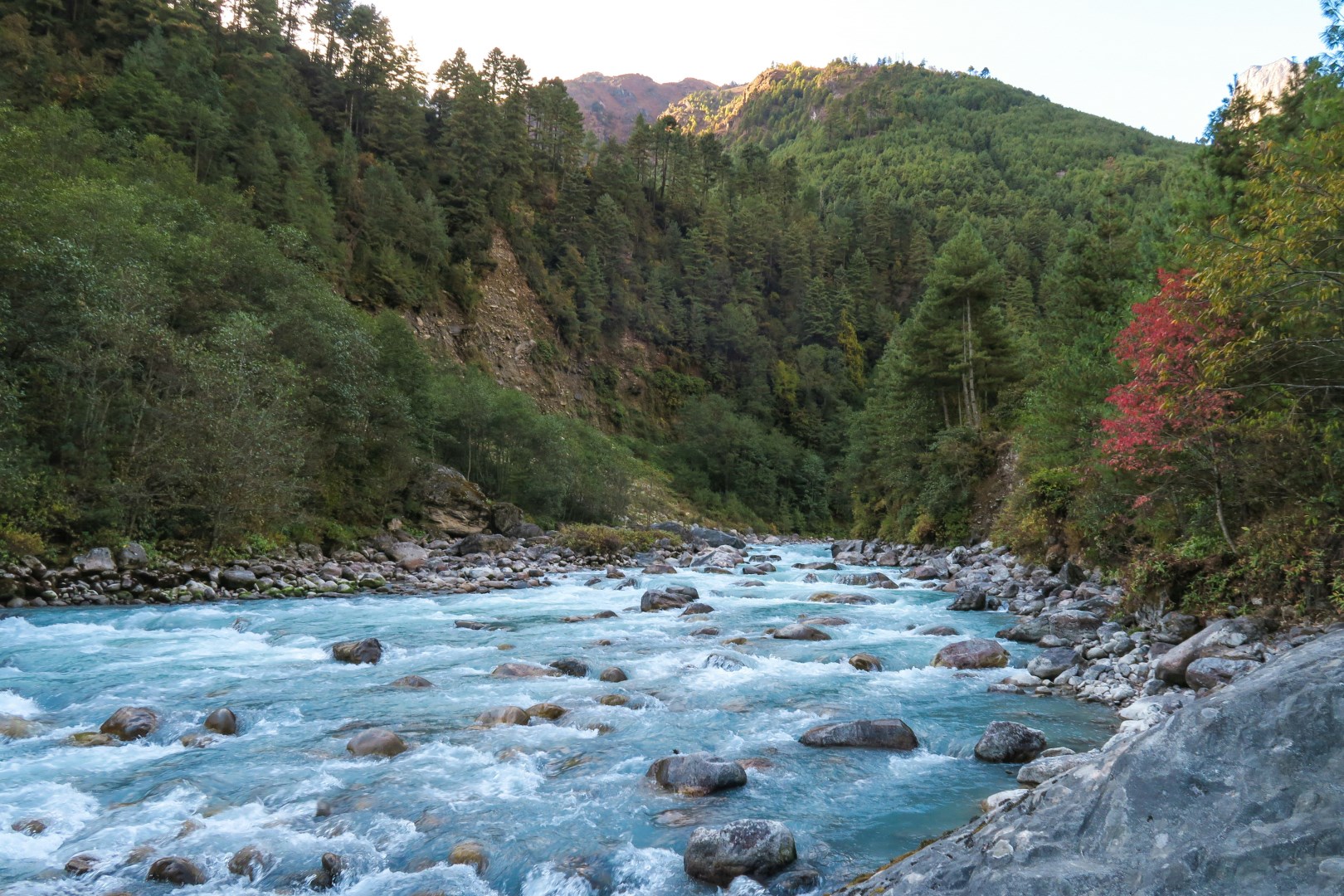
Set along the banks of the Dudh Koshi River, Phakding welcomes travelers at the early stages of the journey toward Mount Everest. Sitting at a lower elevation than many nearby stops, the village is surrounded by green hills, pine forests, and terraced farmland. The steady sound of the river accompanies visitors as they cross suspension bridges and follow winding trails that connect small settlements throughout the valley.

College Fjord
East of Anchorage and Chugach State Park, College Fjord offers a glimpse into some of Alaska's most beautiful natural landscapes. Located in Prince William Sound, College Fjord is filled with stunning glaciers and is a popular site for Alaskan cruises.
Charleston
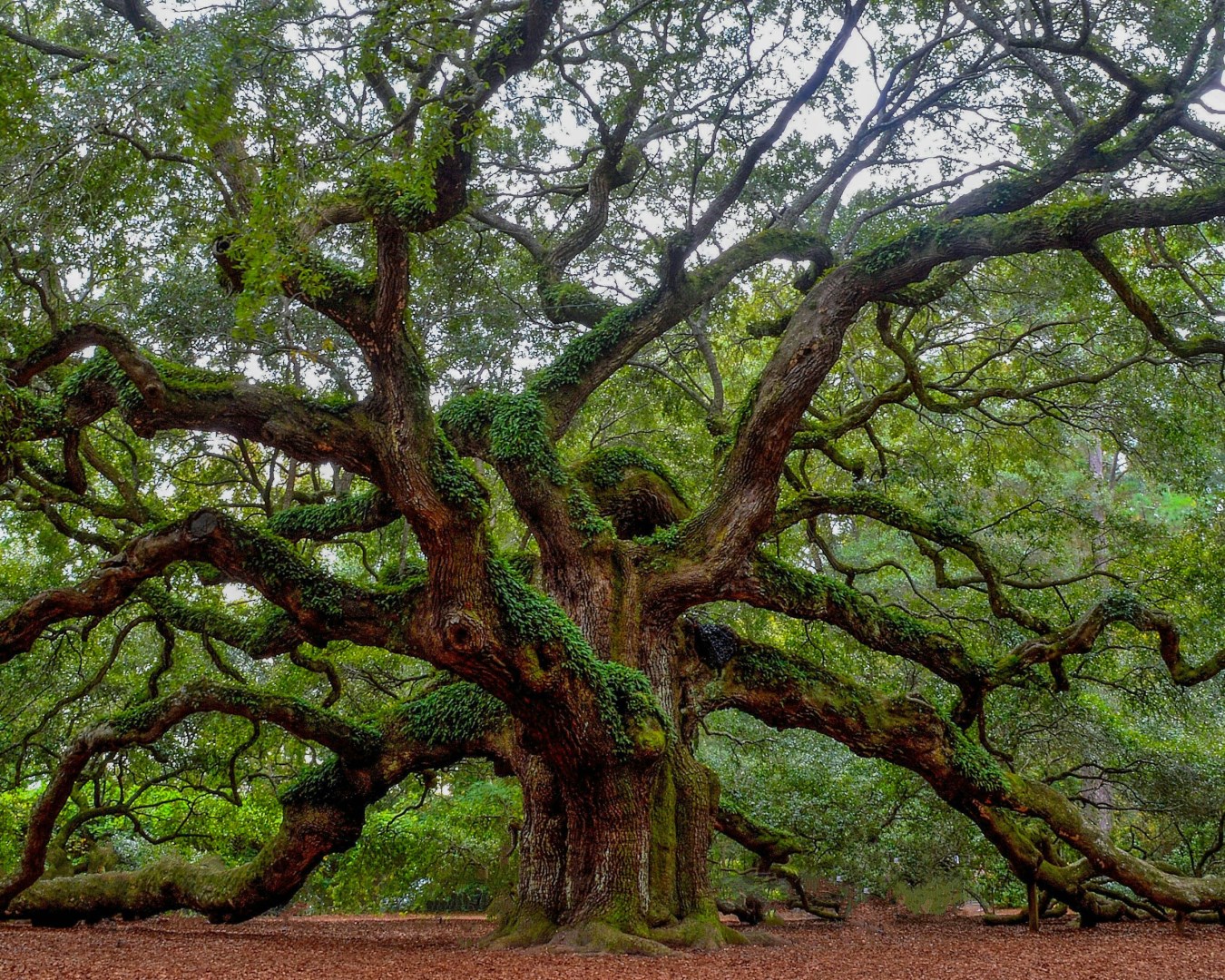
Charleston, South Carolina, is a gem of Southern charm and history, offering an immersive travel experience in a beautifully preserved city. Known for its cobblestone streets and antebellum architecture, Charleston's historic district is a living museum where visitors can stroll past colorful row houses and elegant mansions. Key landmarks include the Battery and Rainbow Row, a series of pastel-colored houses that are among the city's most photographed sites.

Rhodes
Antiquity is everywhere on the island of Rhodes, from its cobbled Old Town to a mighty acropolis presiding high over the town of Lindos. Ancient ruins recall Crusades-era occupation and Ottoman tyranny, but today, a rather magical Aegean lifestyle is predominant. Travelers will enjoy excellent food, picturesque beaches, buzzing nightlife, and snorkeling in clear waters.