Bicheno
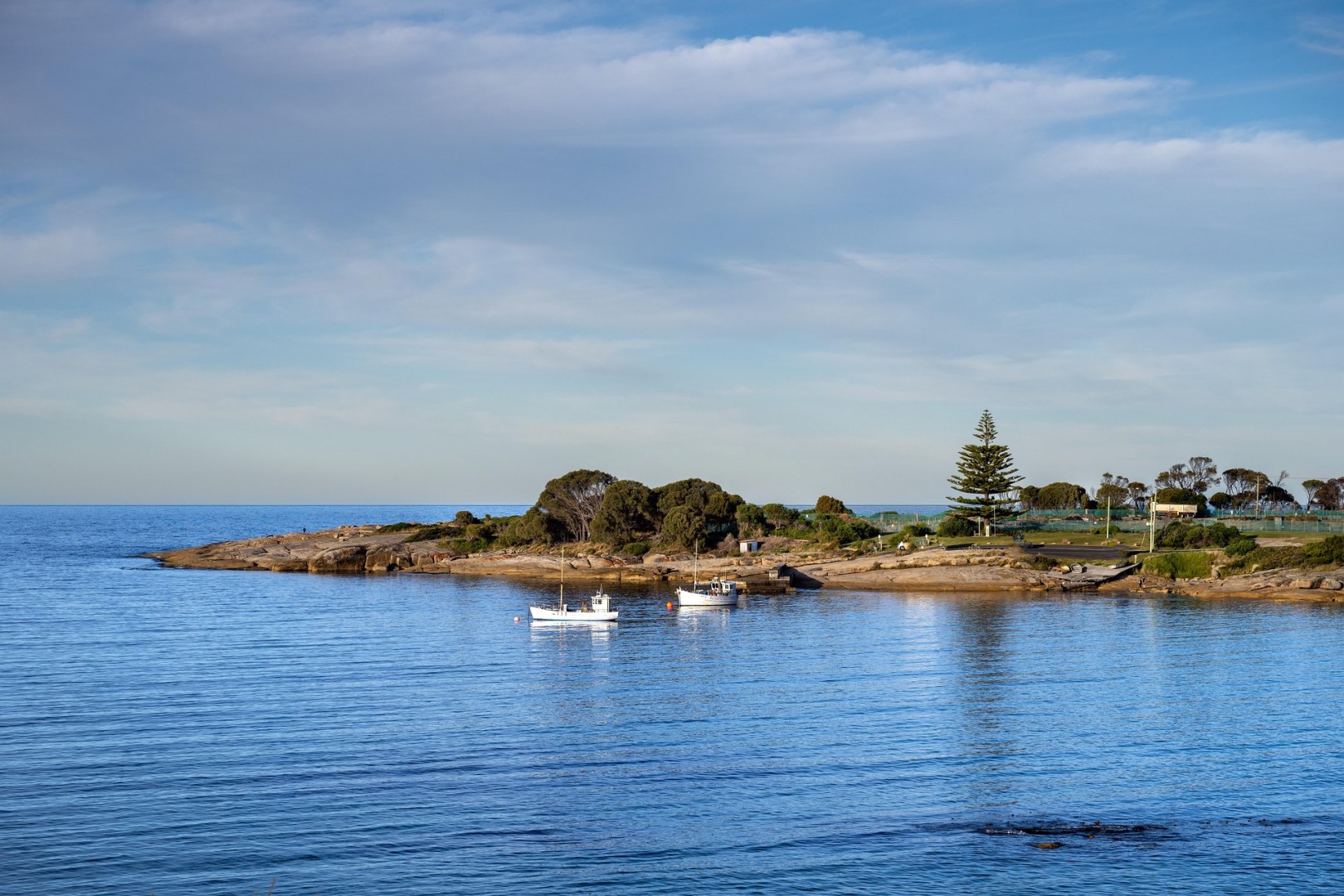
Bicheno is a coastal town on Tasmania’s east coast, set beside rocky shorelines, sandy beaches, and the clear waters of Waubs Bay. It lies along the Tasman Highway between Swansea and St Helens and serves as a base for exploring the surrounding coastline and nearby Douglas-Apsley National Park. The town has a working fishing heritage alongside tourism, with a small harbour, seafood businesses, cafés, and accommodation.

Taha'a
Sharing a common lagoon with Raiatean and accessible only by boat, Taha'a produces about 80% of all vanilla in French Polynesia. Taha'a is the only island in the Society Islands that can be completely circled by boat inside the protected lagoon.

San Gimignano
San Gimignano, a stunning medieval hilltop town in Tuscany, Italy, is often called the "Medieval Manhattan" due to its remarkable skyline of ancient towers. Encircled by 13th-century walls, the town is a UNESCO World Heritage site that offers a mesmerizing journey back in time. As you stroll along the cobbled streets of the historic center, you'll be enchanted by the preserved Romanesque and Gothic architecture, from charming piazzas to grand churches.

Motril
Motril, Spain, is located near the Guadalfeo River on the Mediterranean coast in the province of Granada. Sugar cane refineries form the backbone of Motril's economy, though tourism is also an essential industry.
Ostuni
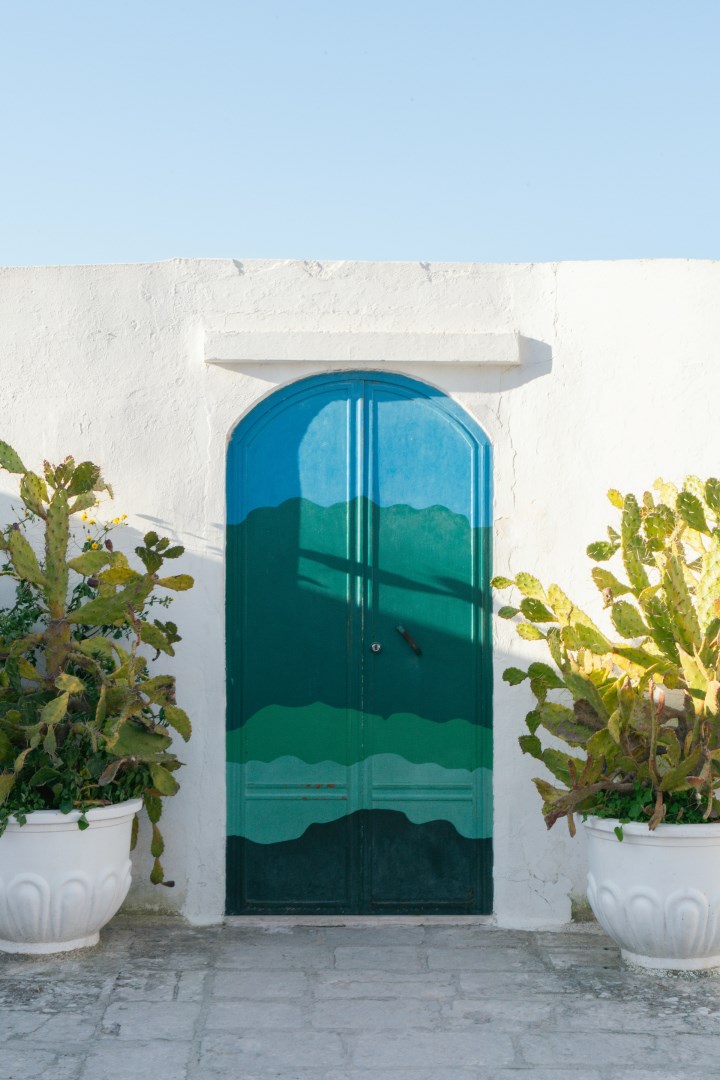
Ostuni is a hilltop town in Puglia, in southern Italy, known for the whitewashed buildings of its historic center and the olive groves that surround it. The town occupies the final slopes of the Murge plateau, with the old quarter, known as La Terra, rising above the surrounding countryside. Narrow lanes, stairways, arched passages, and small squares wind between lime-covered houses, while the higher streets provide views across the olive plain toward the Adriatic Sea.