Nigeria
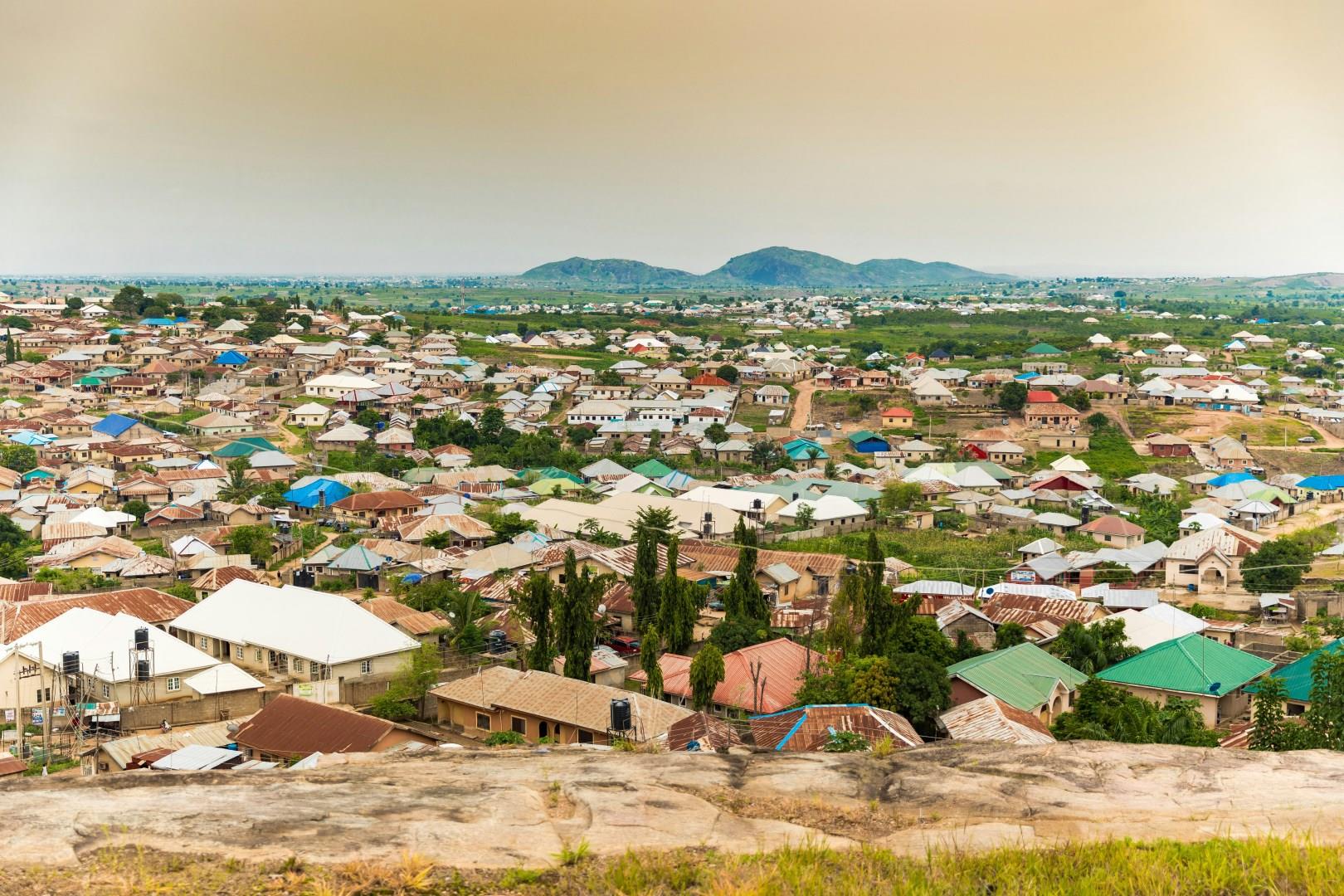
Nigeria, located in West Africa, is a country known for its diversity in culture, language, and landscapes. It is home to over 200 million people, making it the most populous country in Africa.

Bridgetown
Bridgetown, the lively capital of Barbados, is a city where history and Caribbean culture meet on the island’s southwestern coast. Founded in the 17th century, its historic core is recognized as a UNESCO World Heritage Site, with landmarks that reflect both British colonial influence and local heritage.

Sirmione
Sirmione, a picturesque town on the southern shore of Lake Garda, Italy, offers a unique blend of natural beauty and historical intrigue. Known for its stunning peninsula that juts into the lake, Sirmione is celebrated for its charming medieval streets and spectacular lakeside views. At the heart of the town stands the Scaliger Castle, a 13th-century fortress surrounded by moats and offering panoramic views of Lake Garda and the surrounding landscape.

Cornwall
Cornwall, a captivating coastal county in the southwest of England, offers a breathtaking blend of rugged landscapes, charming seaside villages, and rich cultural heritage. Known for its dramatic cliffs, golden beaches, and the turquoise waters of the Atlantic, Cornwall is a haven for nature lovers and adventure seekers alike. The iconic Land's End, the westernmost point of mainland England, offers sweeping ocean views and is perfect for scenic walks along the South West Coast Path.

Ol Doinyo Lenga
Ol Doinyo Lengai, often called the "Mountain of God," is an active volcano located in northern Tanzania and is a must-visit for adventurous travelers. Towering over the Great Rift Valley, this majestic peak is unique due to its lava composition. Unlike most volcanoes that produce molten lava, Ol Doinyo Lengai emits natrocarbonatite lava, which is unusually cool and flows like water. This rare phenomenon makes it one of the most intriguing volcanic landscapes on Earth.