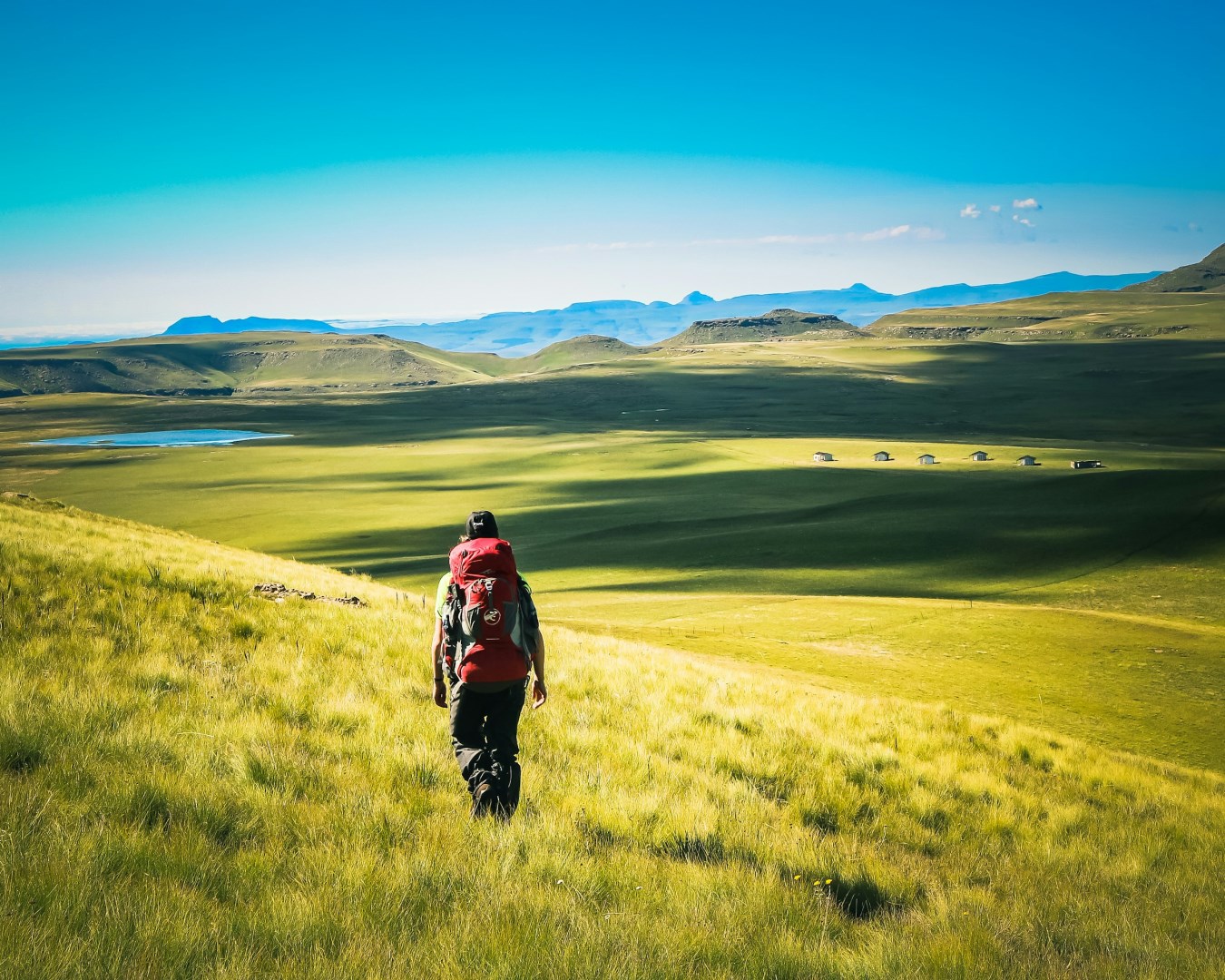
Maloti-Drakensberg Park
Maloti-Drakensberg Park spans the mountainous borderlands of Lesotho and South Africa, forming a large protected landscape of high plateaus, steep cliffs, sandstone formations, grasslands, and river valleys. The Lesotho section is centered on Sehlabathebe National Park, while the South African portion includes uKhahlamba-Drakensberg Park. The area is recognized as a UNESCO World Heritage property for both its natural and cultural importance.
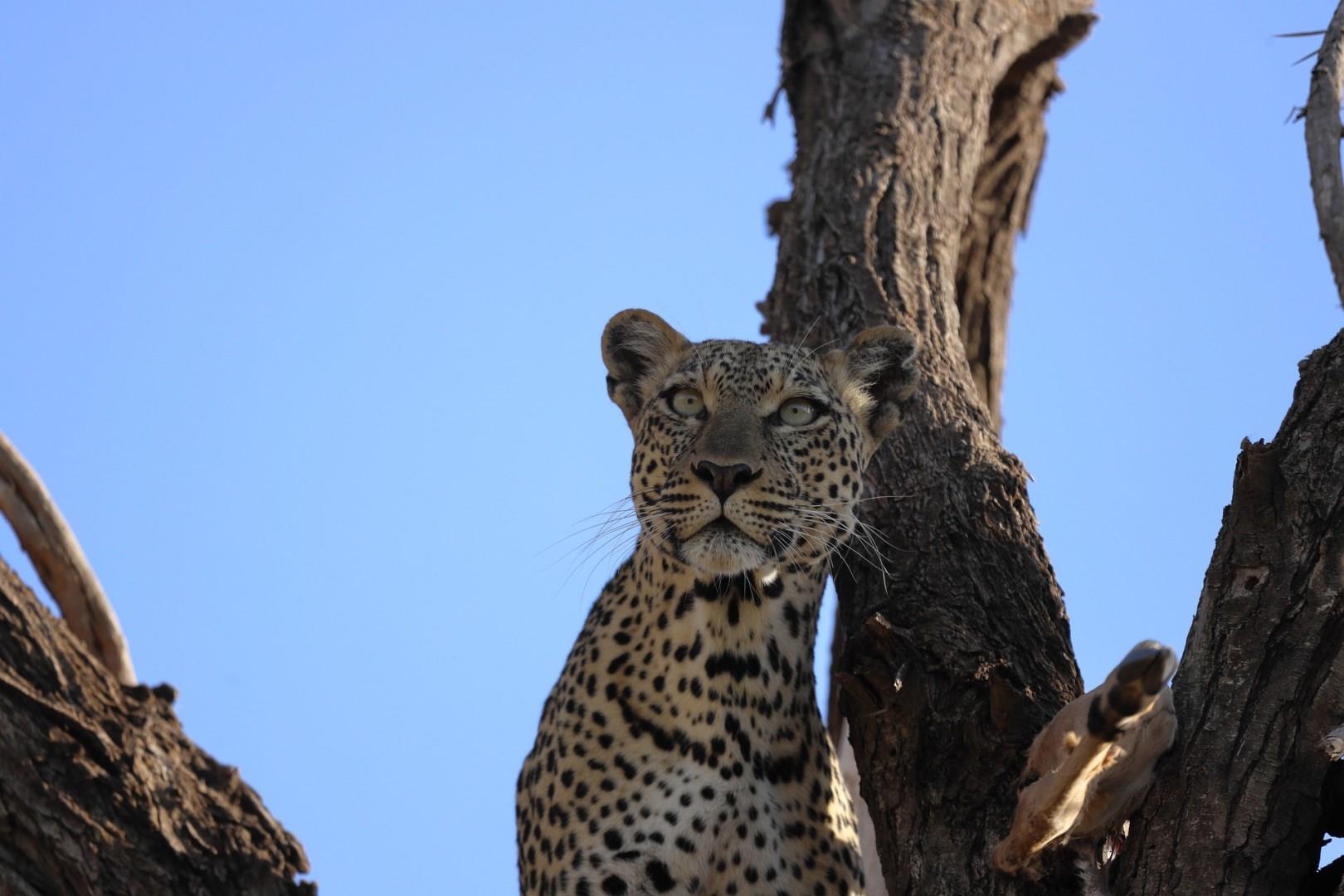
Samburu and Shaba Reserves
Samburu and Shaba Reserves are some of the most pristine reserves in Kenya, and protect a habitat surprisingly rich in wildlife. The Reserves provide the chance to see many species not found elsewhere in Kenya, such as Grey's zebra, the rare beisa oryx and the Somali ostrich.
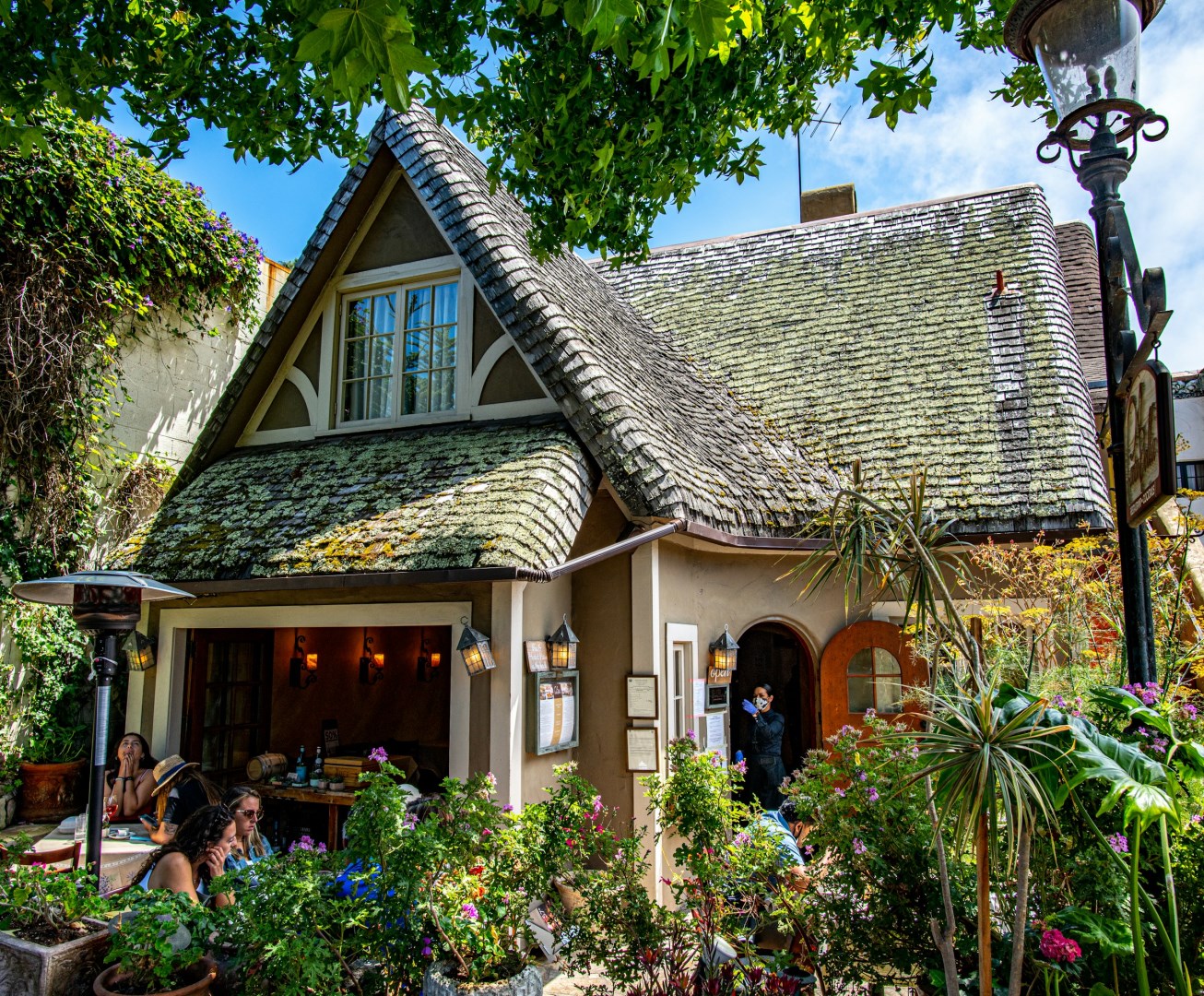
Carmel-by-the-Sea
Carmel-by-the-Sea is a small coastal city on California’s Monterey Peninsula, overlooking Carmel Bay and the Pacific Ocean. The community is known for its compact village center, white-sand beach, cypress trees, and architecture that includes distinctive cottages and courtyards. Much of the commercial district can be explored on foot, with galleries, restaurants, boutiques, and wine-tasting rooms concentrated within a small area.

Philippines
The Philippines is an archipelago of more than 7,600 islands in Southeast Asia, known for its striking coastlines, tropical forests, and vibrant cultural diversity.
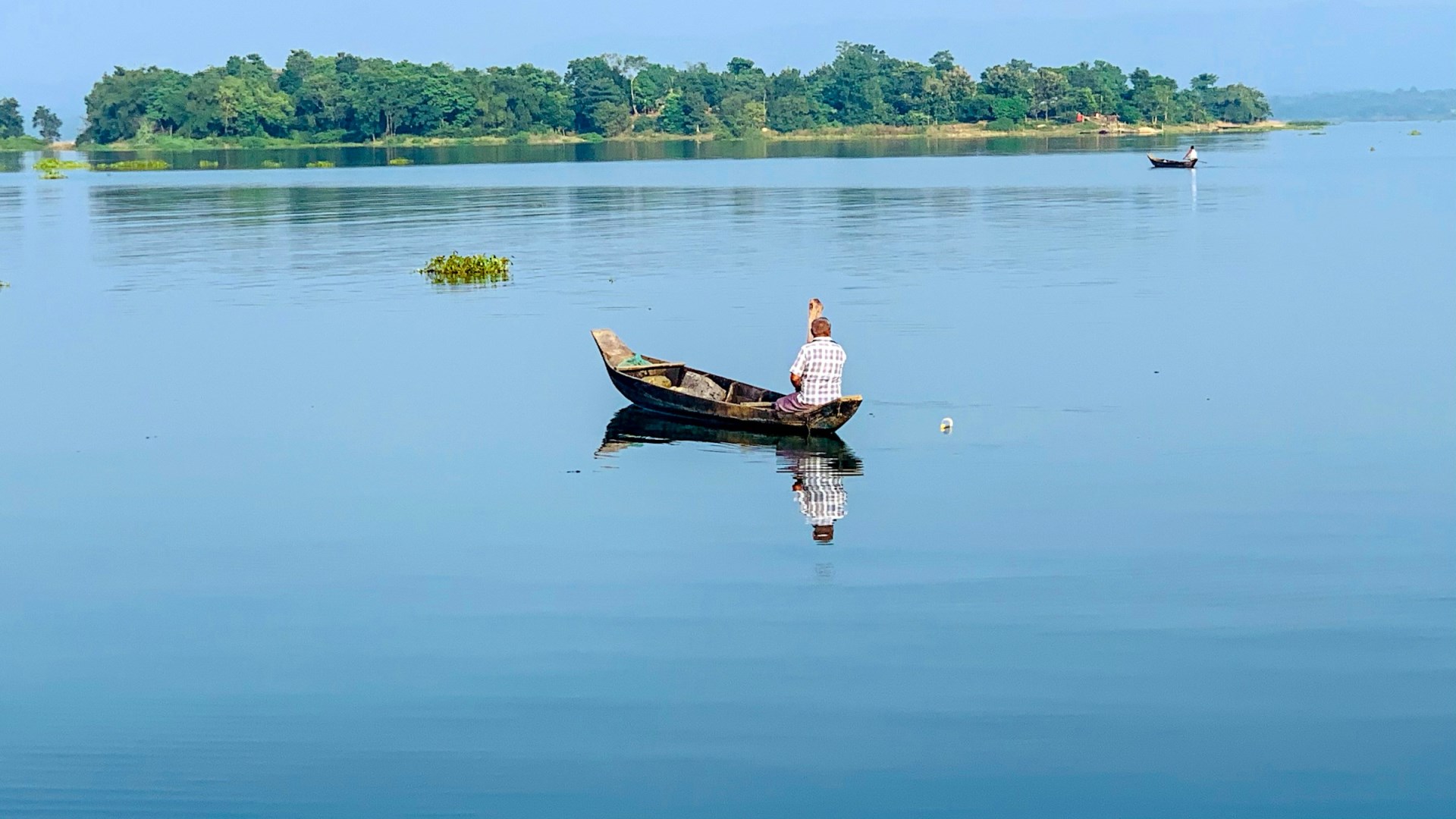
Chittagong
Chittagong, officially known as Chattogram, is a major port city in southeastern Bangladesh, located near the Bay of Bengal and the mouth of the Karnaphuli River. It is an important commercial center, with the Port of Chattogram serving as the country's principal seaport.