Orvieto
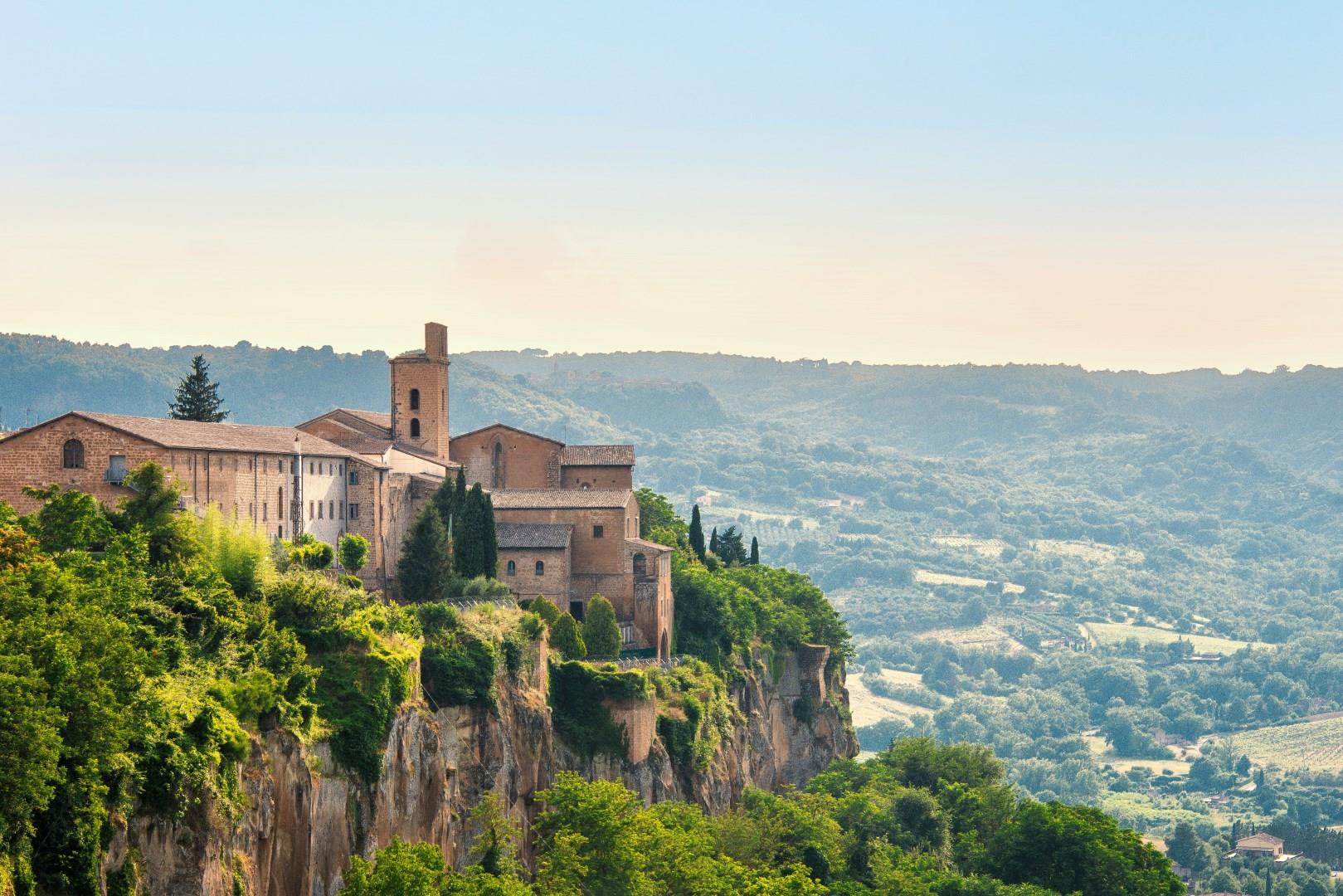
Orvieto, perched atop a volcanic tuff cliff in Umbria, Italy, is a town that effortlessly combines history, art, and striking landscapes. Its dramatic position overlooking the surrounding countryside immediately captures attention.

Shanghai
Shanghai is a city where contrasting timelines meet at every corner. Once a small fishing village along the Huangpu River, it grew rapidly during the 19th century into a major trading port. Today, its skyline tells a story of that transformation. On one side, the Bund’s colonial-era buildings stand tall in limestone and granite; on the other, the futuristic towers of Pudong, like the Shanghai Tower and Jin Mao, stretch into the clouds.
Ocean City
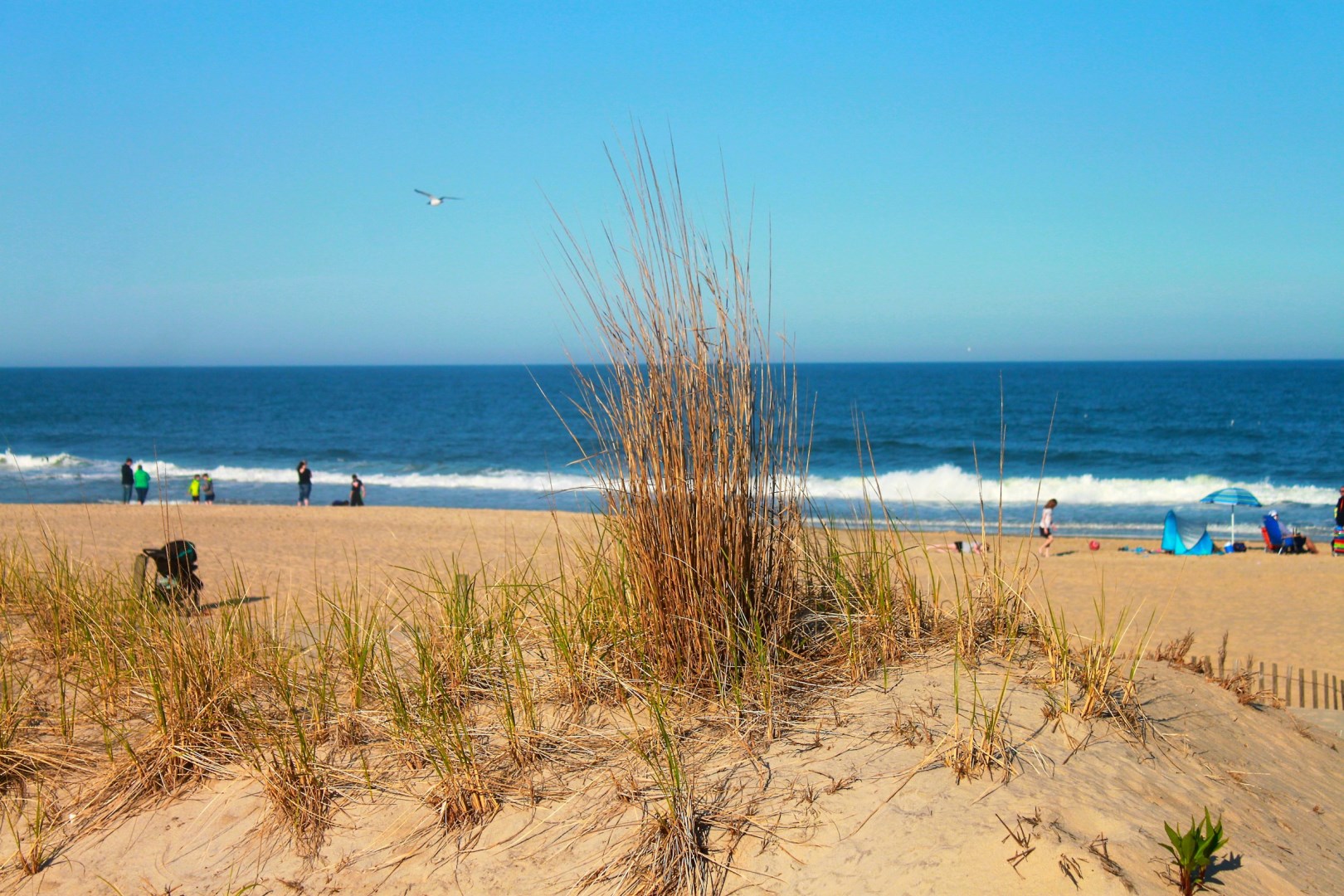
Ocean City, Maryland, is a barrier-island resort along the Atlantic coast of Worcester County, known for its broad beaches, long boardwalk, and connection to the coastal bays. The town stretches for about 10 miles between the Ocean City Inlet and the Delaware state line, with distinct neighborhoods ranging from the historic downtown to quieter northern sections. Its roots as a fishing community remain visible alongside its role as a major seaside destination.
Ushguli
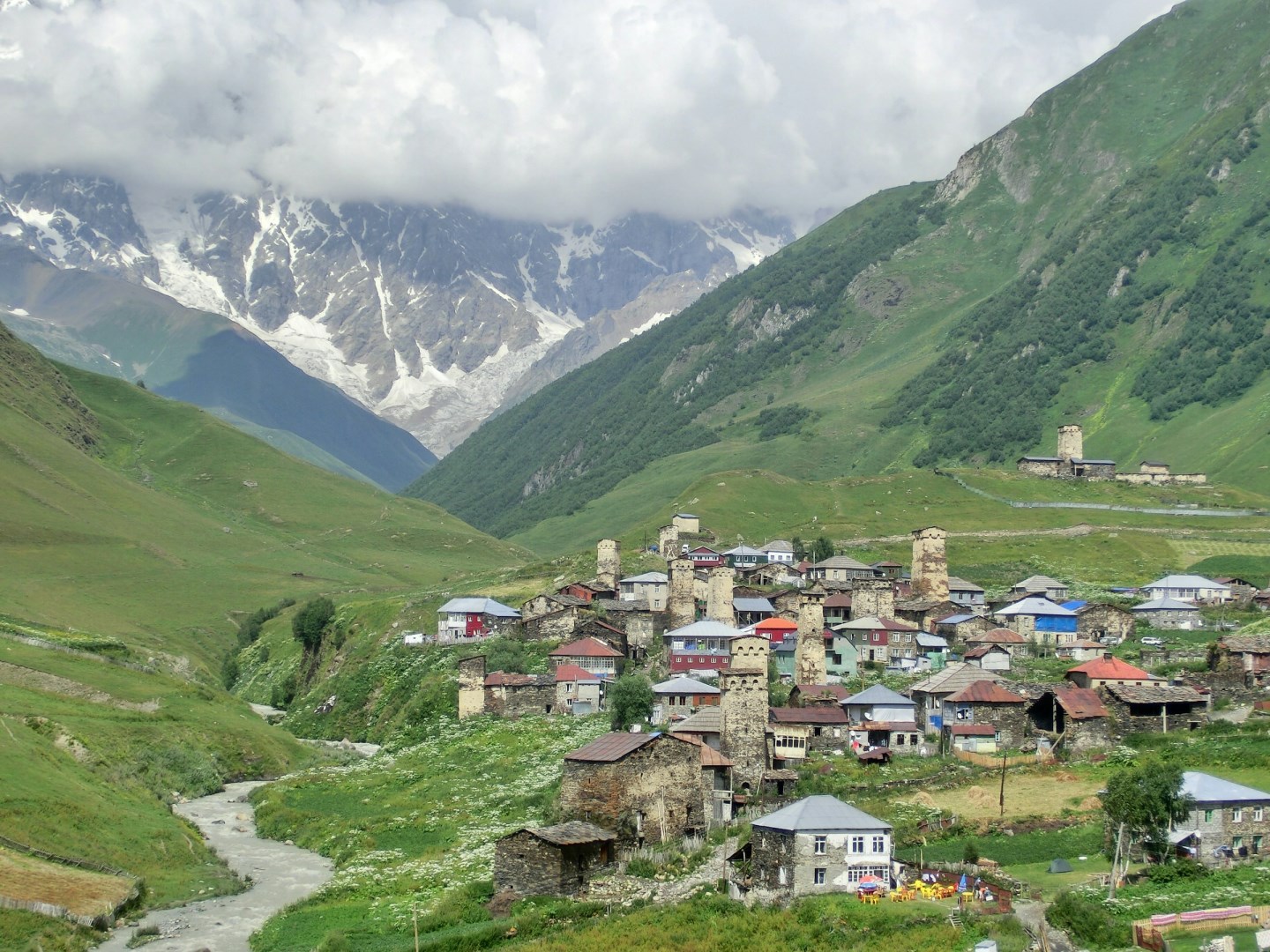
Ushguli is a group of high mountain villages in Upper Svaneti, northwestern Georgia, set in the Enguri valley beneath the Greater Caucasus. The settlement is widely known for its traditional stone houses and defensive towers, with Mount Shkhara rising above the surrounding landscape.
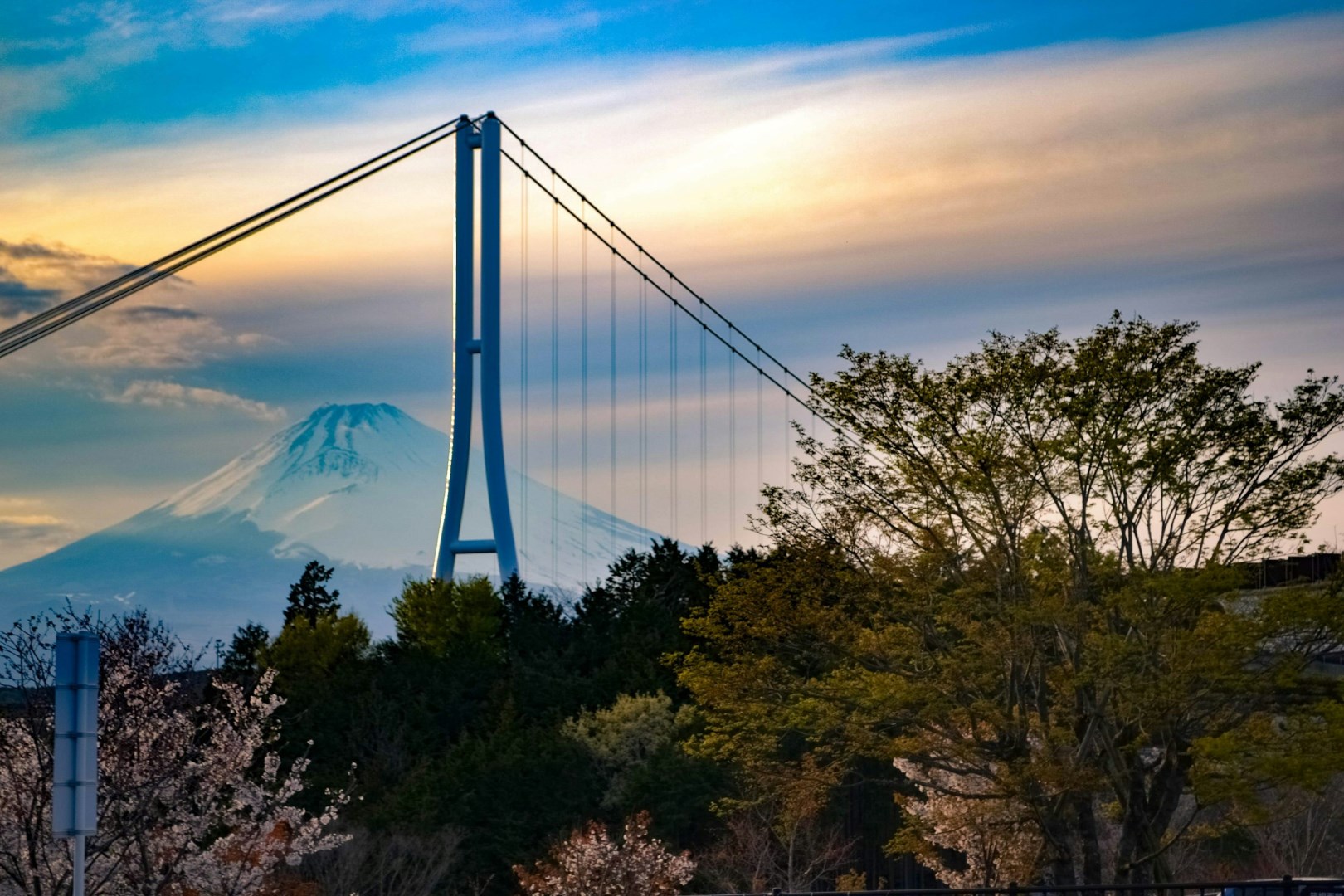
Mishima
Mishima is a city in eastern Shizuoka Prefecture, located at the northern end of the Izu Peninsula near the foot of Mount Fuji. The city is closely connected with the abundant spring water that flows from the mountain through its urban landscape. Rivers, canals, ponds, and walking paths give Mishima a distinctive relationship with water, while its location provides access to both the Izu Peninsula and the Mount Fuji area.