
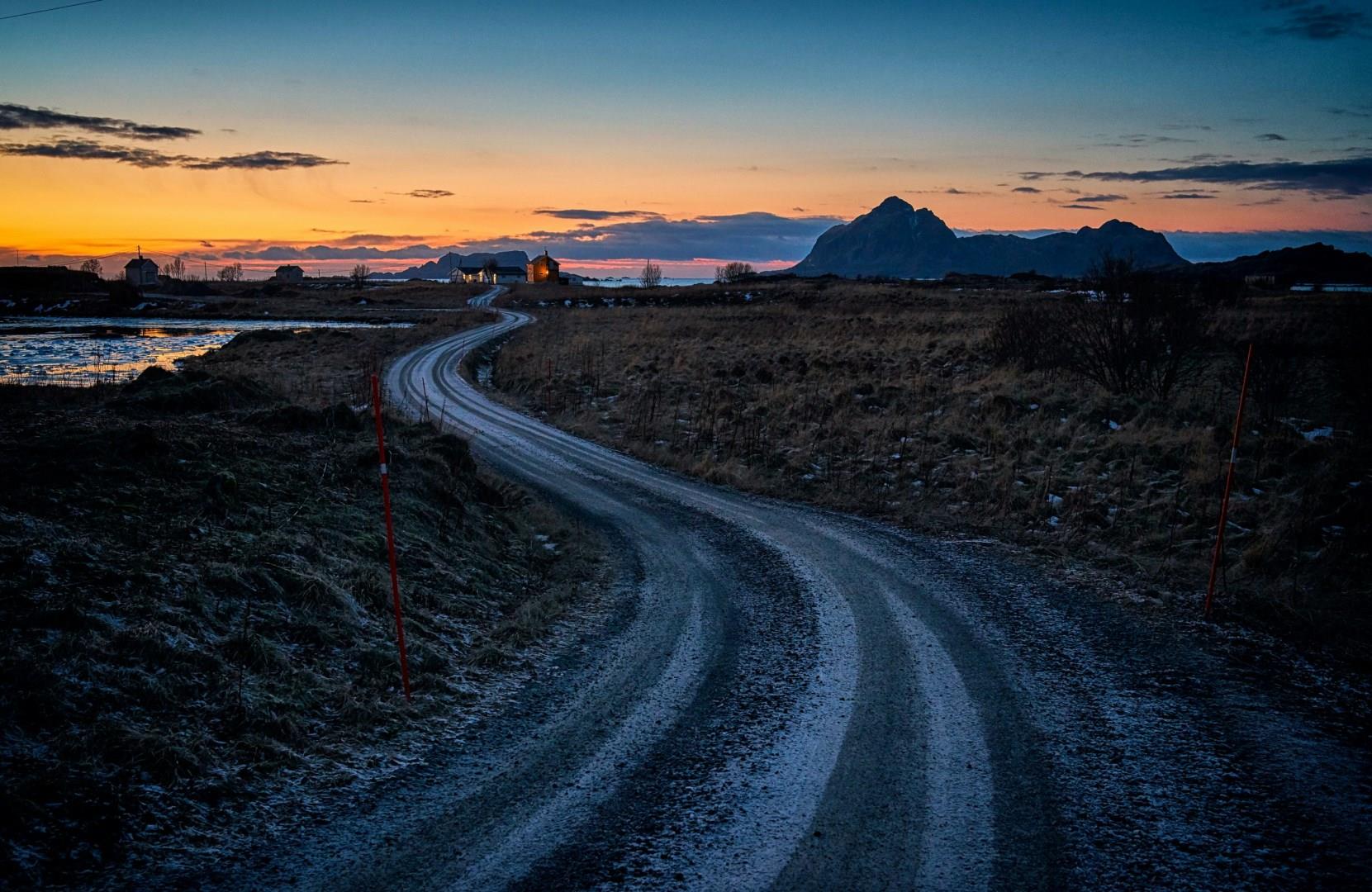
Vesteralen
Vesteralen is a coastal archipelago in northern Norway, located just north of the Lofoten Islands, known for its wide-open landscapes, dramatic skies, and strong ties to the sea. Historically shaped by fishing and seafaring, the region’s communities developed around sheltered harbors and seasonal fisheries, particularly for cod.

Virgin Islands
The Virgin Islands, an archipelago in the northeastern Caribbean, are divided between the United States and the United Kingdom, each offering a distinct flavor while sharing the same breathtaking landscapes. These islands are known for their lush hillsides, crescent-shaped beaches, and some of the clearest waters in the region.

Seyðisfjörður
Nestled in the picturesque Eastfjords of Iceland, Seyðisfjörður is a small town that offers a unique blend of natural beauty and cultural charm. Surrounded by steep mountains and cascading waterfalls, the town is renowned for its vibrant arts scene and well-preserved wooden houses. Seyðisfjörður’s colorful architecture contrasts beautifully with the dramatic fjord landscape, creating a captivating setting for visitors.

Ngorongoro
Ngorongoro, Tanzania, is a destination where breathtaking landscapes and abundant wildlife converge in a truly unique way. Nestled within the Ngorongoro Conservation Area, this region is renowned for the Ngorongoro Crater, a UNESCO World Heritage Site. This ancient caldera, formed by a volcanic eruption millions of years ago, creates a natural amphitheater teeming with wildlife.
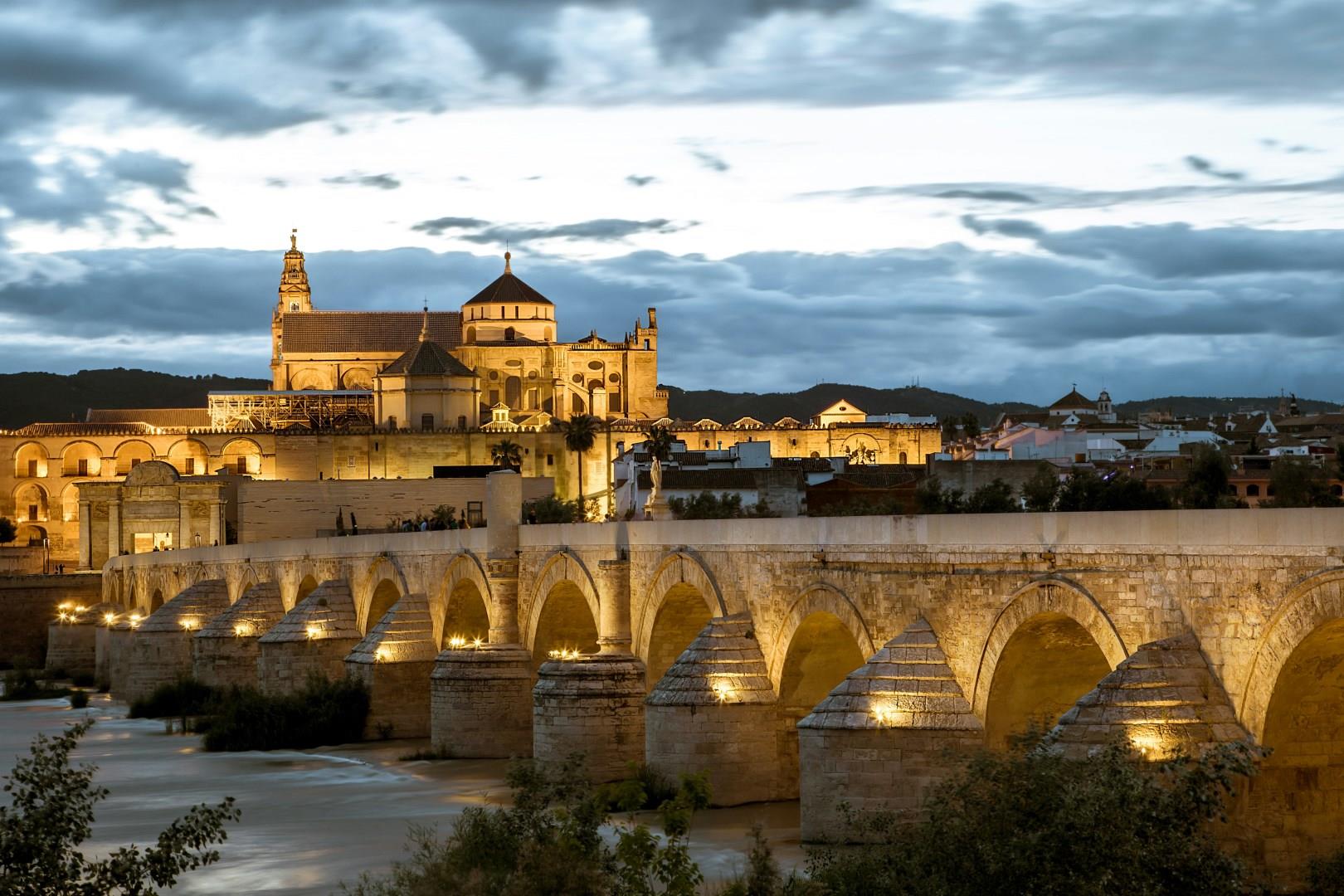
Córdoba
Córdoba, located in the heart of Andalusia, was once the most advanced city in Western Europe. During the 10th century, it served as the capital of Al-Andalus and was a center for learning, science, and art. Today, visitors walk the same streets that philosophers, poets, and physicians once crossed. The city’s most famous landmark, the Mezquita-Catedral, reflects its layered past. The red and white horseshoe arches inside are one of the most photographed interiors in Spain.


