
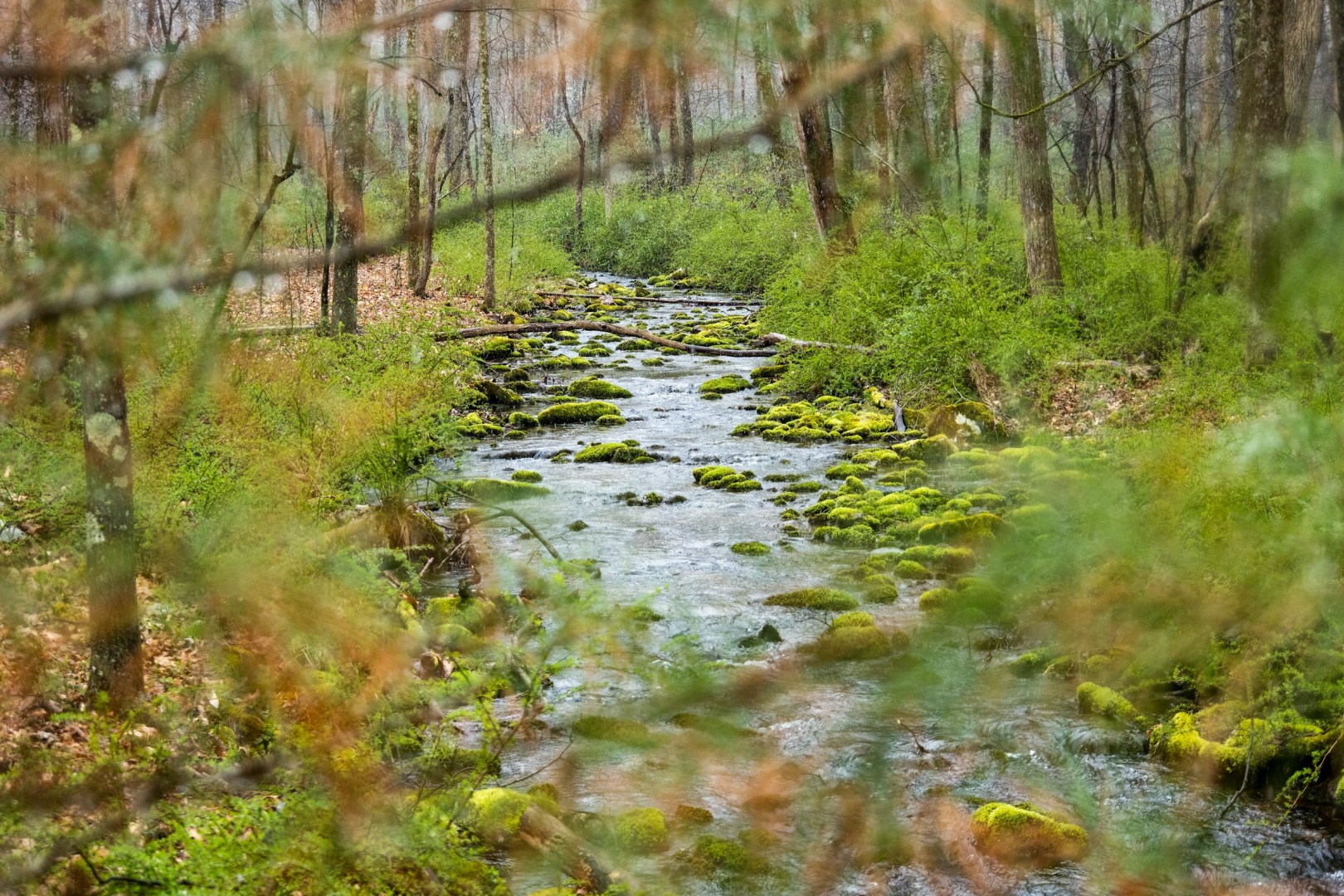
Williamsport
Located in North-central Pennsylvania, Williamsport is a vibrant town, famous for being both the "Lumber Capital of the World" and the birthplace of Little League Baseball.
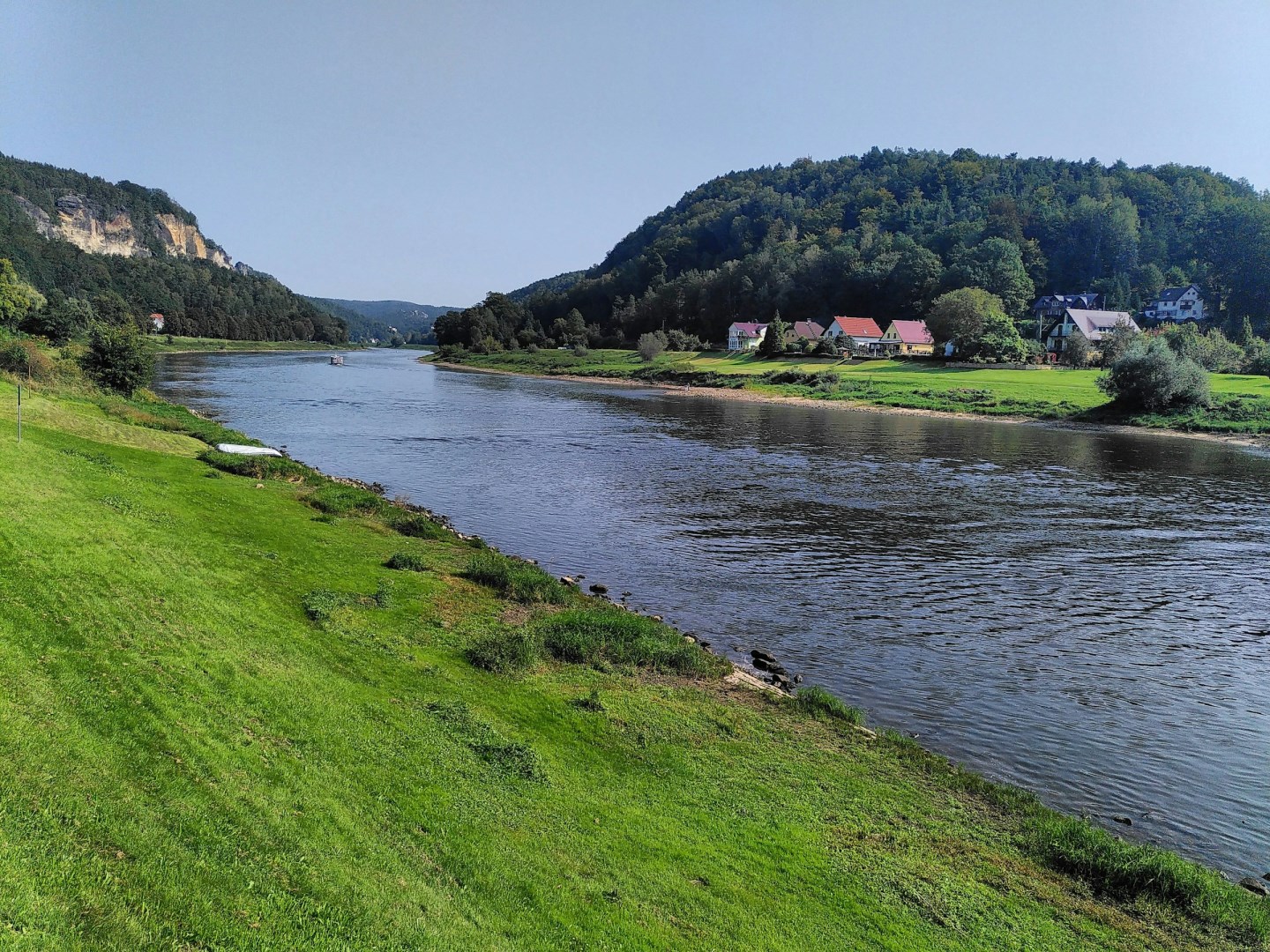
Elbe River
The Elbe is one of the Central Europe's greatest rivers, rising in the northern Czech Republic, traversing through Bohemia and Germany, and flowing into the North Sea not far from Hamburg. The river and its route have been largely untouched, so wildlife visibly abounds along its wetlands and wooded regions. Other scenery includes terraced vineyards and charming wine villages.
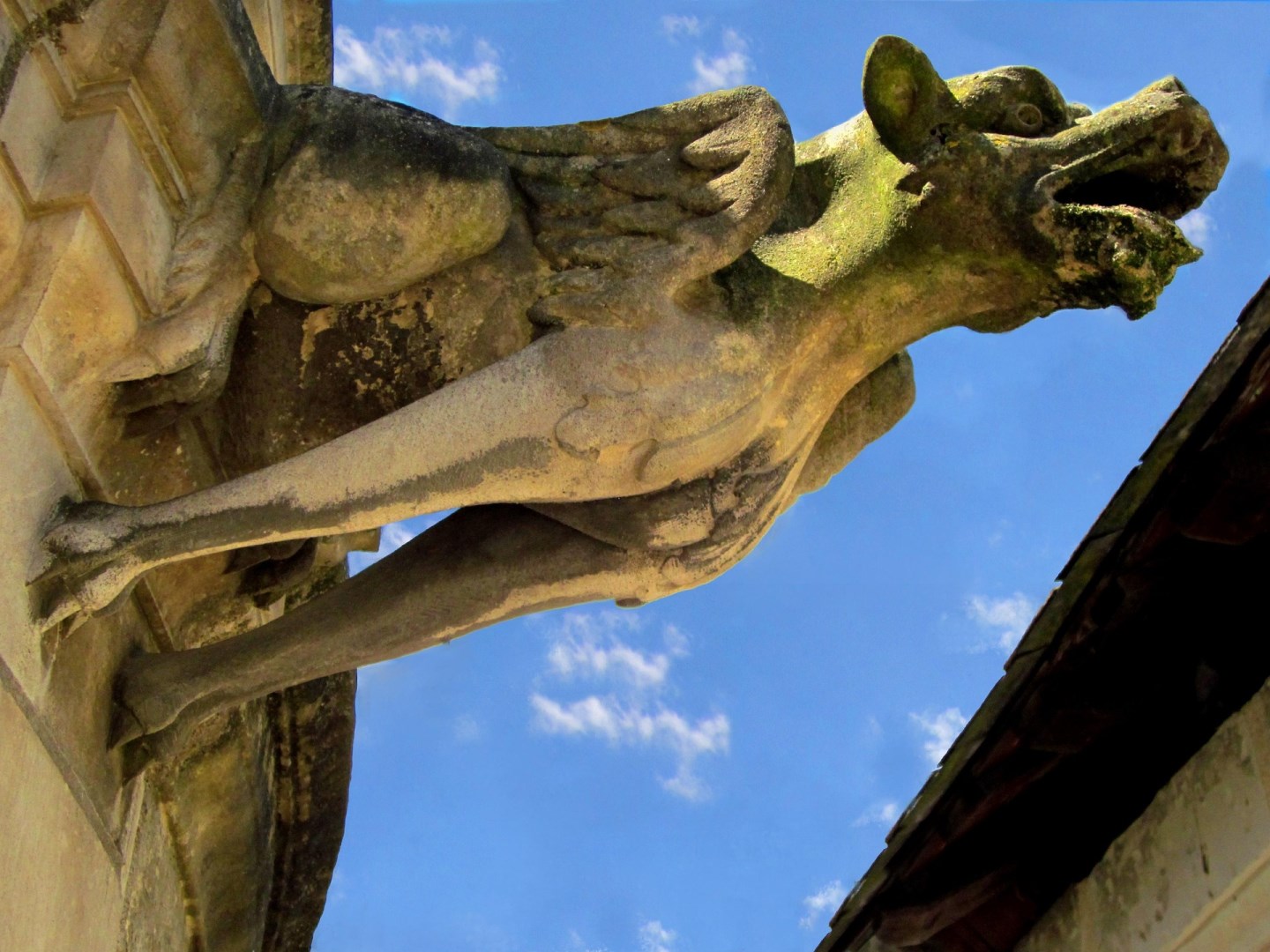
Tours
A major industrial area in the Loire Valley, it is an ancient city and was often visited in pilgrimages to pay homage to the tomb of St. Martin, a former bishop of Tours.
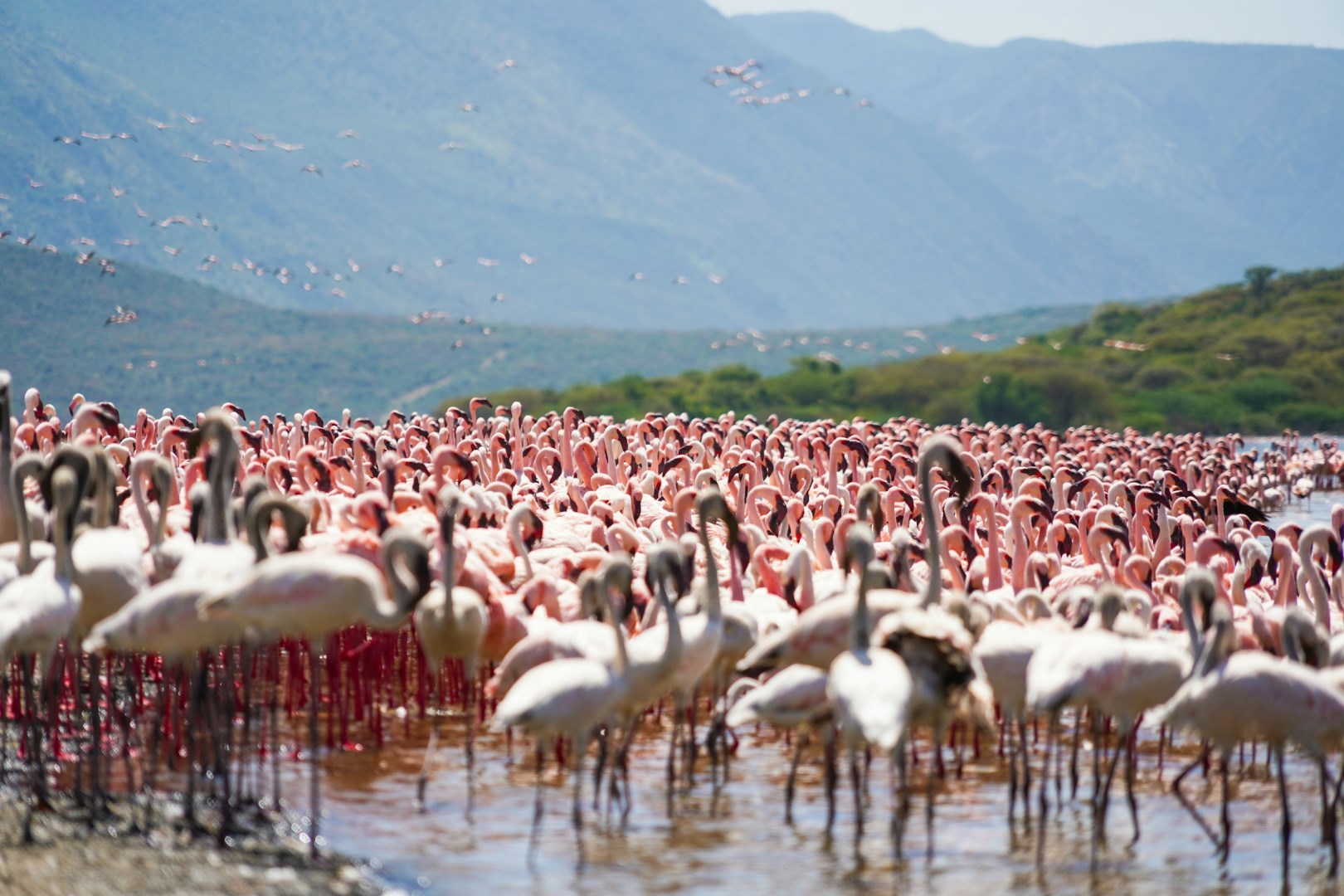
Lake Bogoria
Lake Bogoria is a saline lake in Kenya’s Great Rift Valley, lying south of Lake Baringo and surrounded by volcanic hills and escarpments. The lake occupies a long, narrow basin with no permanent surface outlet, allowing minerals to accumulate in its waters. Its shoreline contains hot springs, geysers, mud pools, and other geothermal features created by the region’s volcanic activity. The combination of a shallow alkaline lake and an active geothermal landscape makes Lake Bogoria one of the most
Portage Glacier
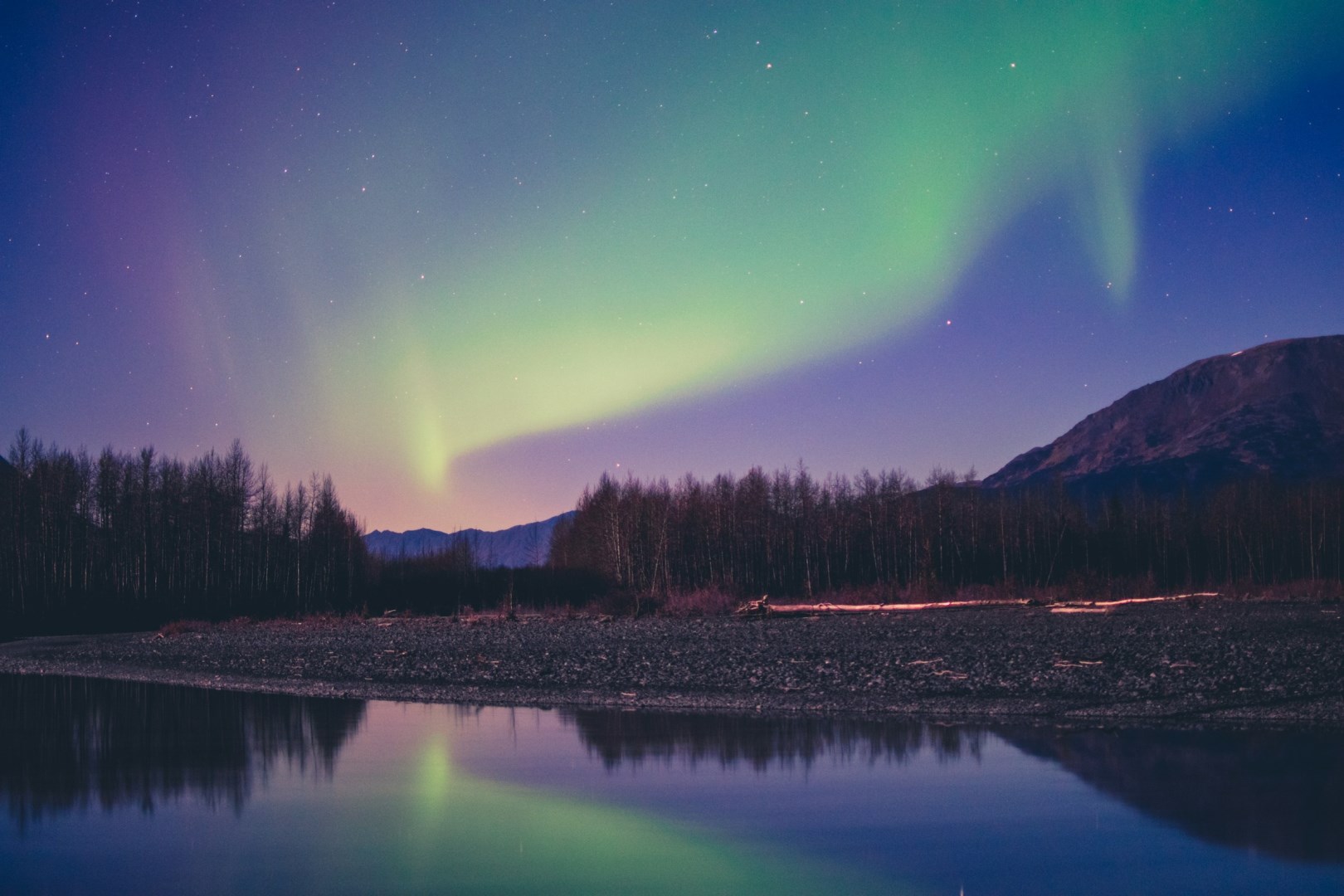
Portage Glacier, an hour's drive from Anchorage, is Alaska's most visited tourist attraction.


