Dominica
Dominica, known as the “Nature Island of the Caribbean,” is a haven for eco-tourists and adventure seekers. Nestled between the French islands of Guadeloupe and Martinique, this lush island boasts a remarkable landscape of volcanic mountains, dense rainforests, and stunning waterfalls. Dominica’s most iconic natural wonder is the Boiling Lake, the second-largest hot spring in the world.

Main River
The Main River winds through the heart of Germany, offering a scenic journey through picturesque towns, rolling vineyards, and historic cities.

Pula
Pula, a historic city located on the Istrian Peninsula in Croatia, is renowned for its impressive Roman heritage and vibrant cultural scene. The city's centerpiece is the Pula Arena, one of the best-preserved Roman amphitheaters in the world. This monumental structure, built in the 1st century AD, offers visitors a glimpse into ancient spectacles and gladiatorial contests. Today, it hosts various events, including concerts and film festivals.

Placencia
Tucked away on the southern tip of a narrow, 16-mile peninsula in Belize, Placencia is a charming seaside village that effortlessly blends laid-back Caribbean vibes with an adventurous spirit. Known for its vibrant local culture and idyllic beaches, Placencia invites visitors to relax on its soft sandy shores or dive into its crystal-clear waters.
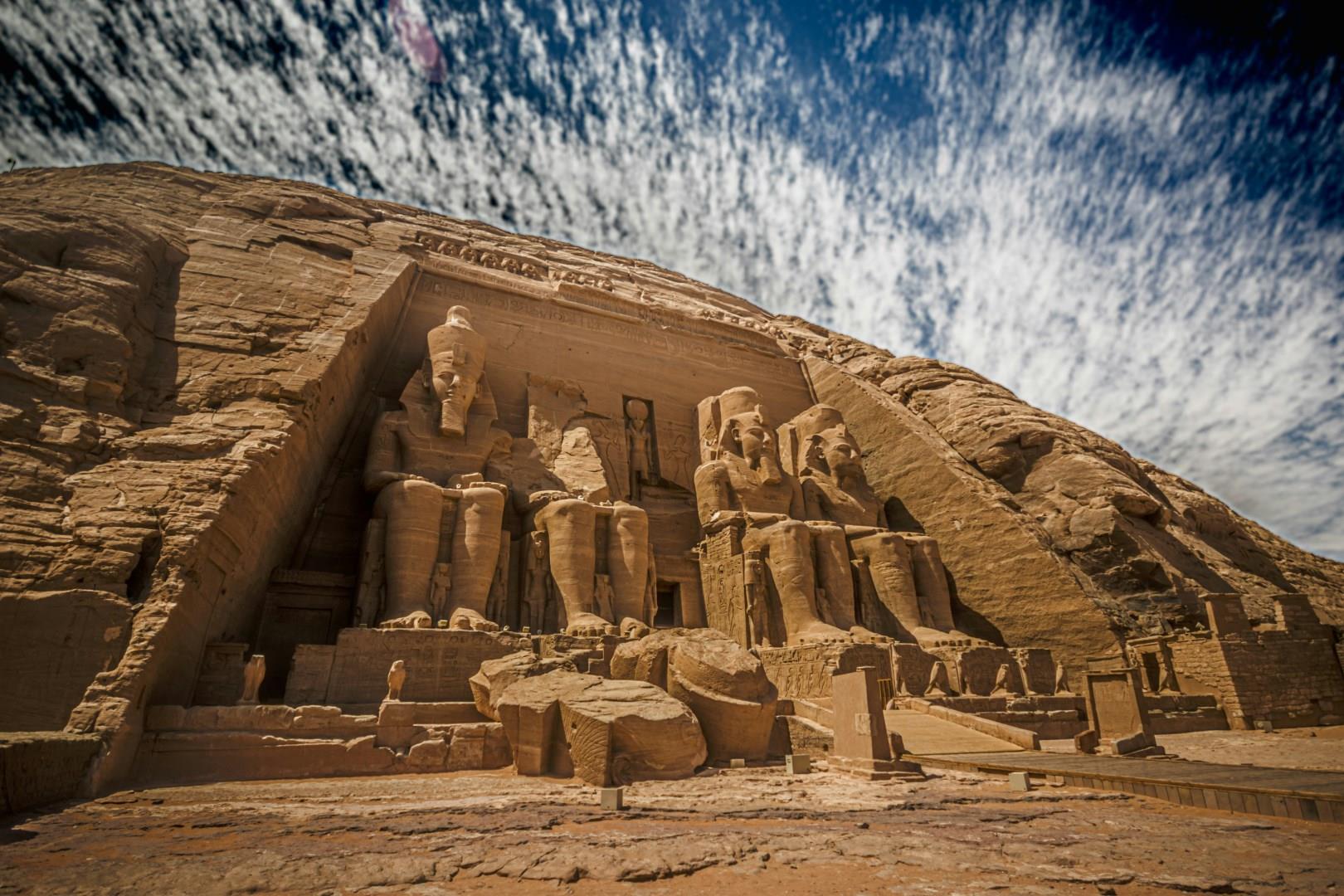
Abu Simbel
Abu Simbel, in southern Egypt near the border with Sudan, is one of the most awe-inspiring archaeological sites of the ancient world. Built during the reign of Pharaoh Ramses II in the 13th century BCE, the twin temples were carved directly into the sandstone cliffs overlooking the Nile. The Great Temple, with its four colossal statues of Ramses II seated at the entrance, was designed not only to honor the pharaoh but also to project his power to neighboring Nubia.