Westfjords
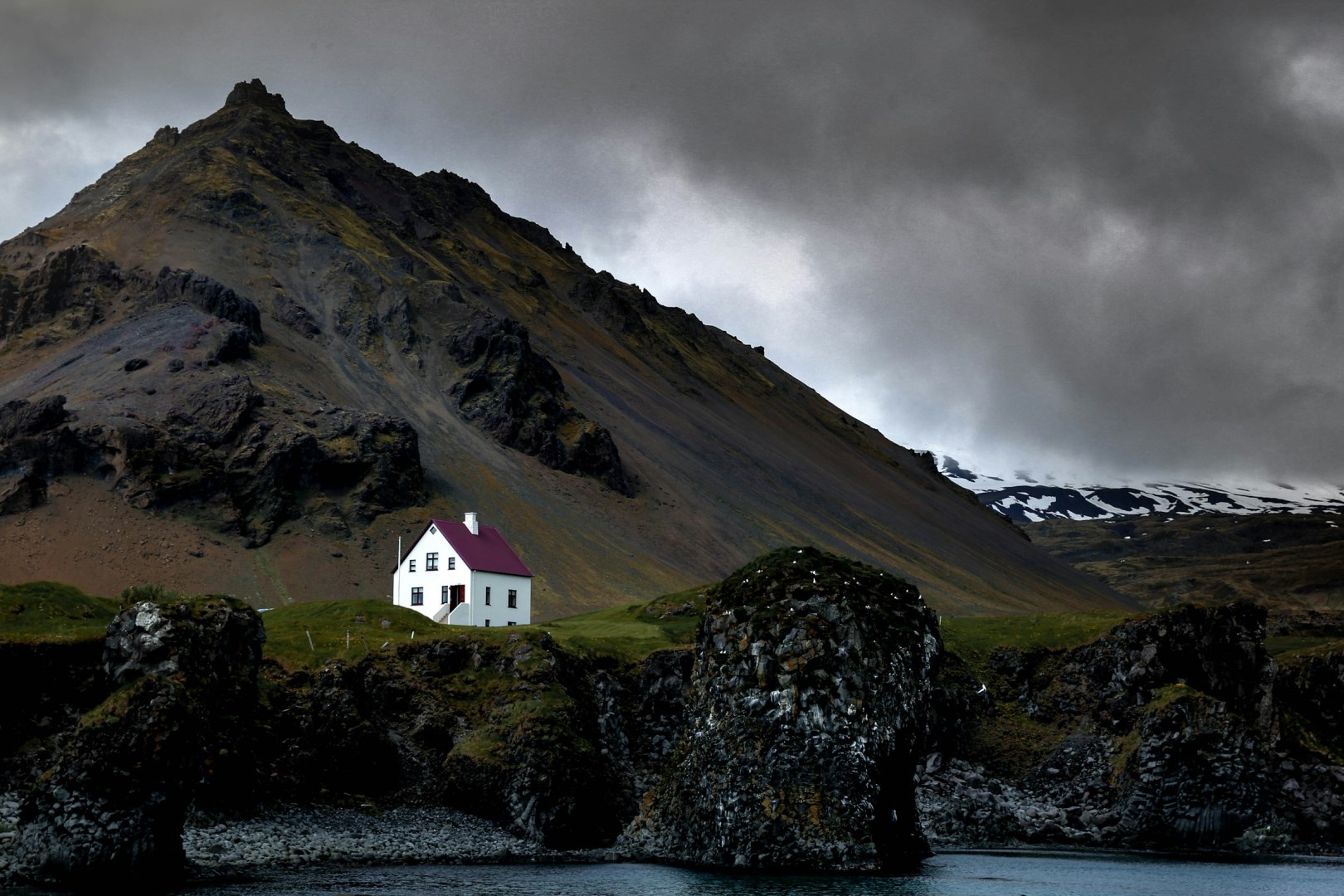
The Westfjords are a remote region in northwestern Iceland, shaped by deep fjords, steep flat-topped mountains, narrow coastal roads, and a shoreline carved over millions of years. The region lies away from Iceland’s Ring Road and contains some of the country’s least populated landscapes. Ísafjörður is the largest town and the main service center, with smaller communities including Patreksfjörður, Þingeyri, Flateyri, Súðavík, and Bolungarvík.
Harstad
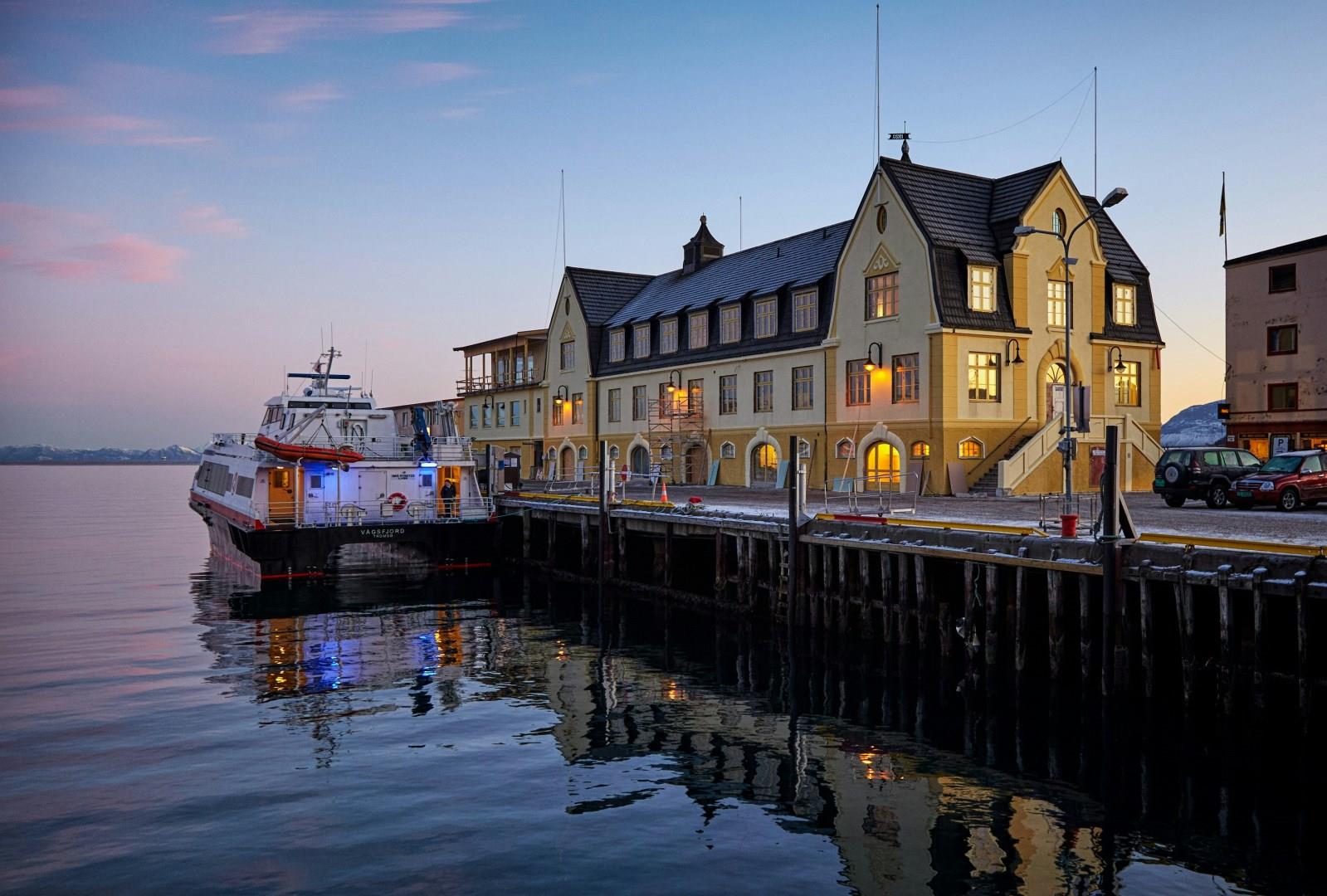
Harstad is a coastal town in northern Norway, located on Hinnøya, the country’s largest island, and overlooking the strategic waters of Vågsfjorden. Its history spans from Viking settlements to modern fishing and shipping, giving the town a blend of maritime heritage and regional importance.
Akureyri
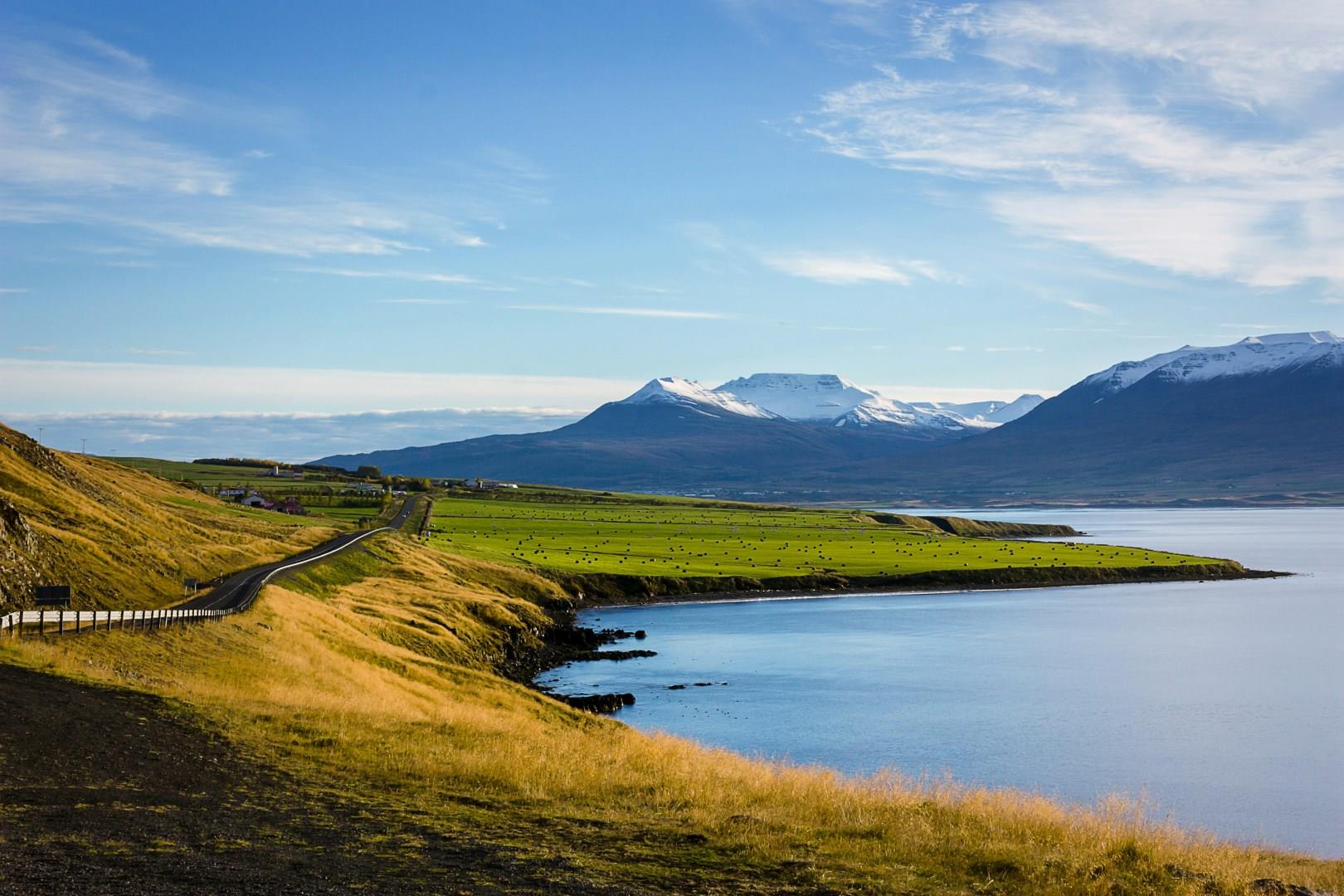
Akureyri, often referred to as the capital of North Iceland, offers travelers a distinct experience shaped by its Arctic location and rich local culture. Nestled at the base of Eyjafjörður fjord, the town has served as a trading center since the 1600s and continues to thrive with a mix of fishing, arts, and tourism. Within a few hours’ drive, visitors can reach the geothermal fields of Hverir, the volcanic craters at Lake Mývatn, and the powerful Goðafoss waterfall.
Westport
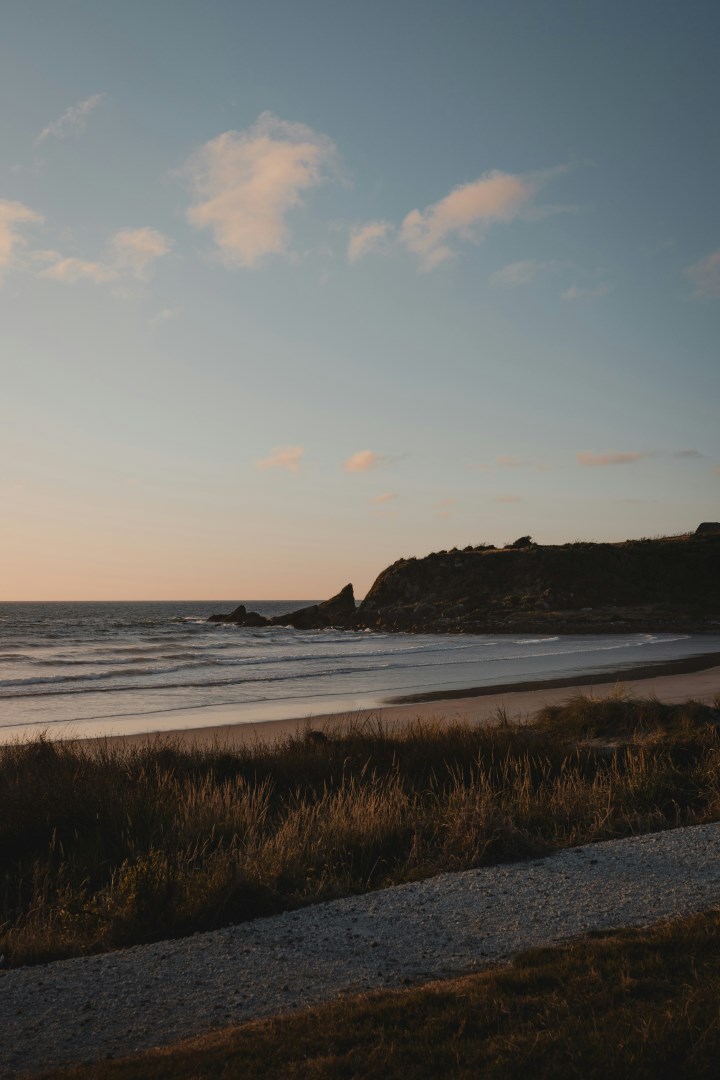
Westport is a coastal town on the northwest side of New Zealand’s South Island, located near the mouth of the Buller River. The town serves as one of the main settlements of the Buller District and has long been connected to coal mining, fishing, and river trade.
Konya
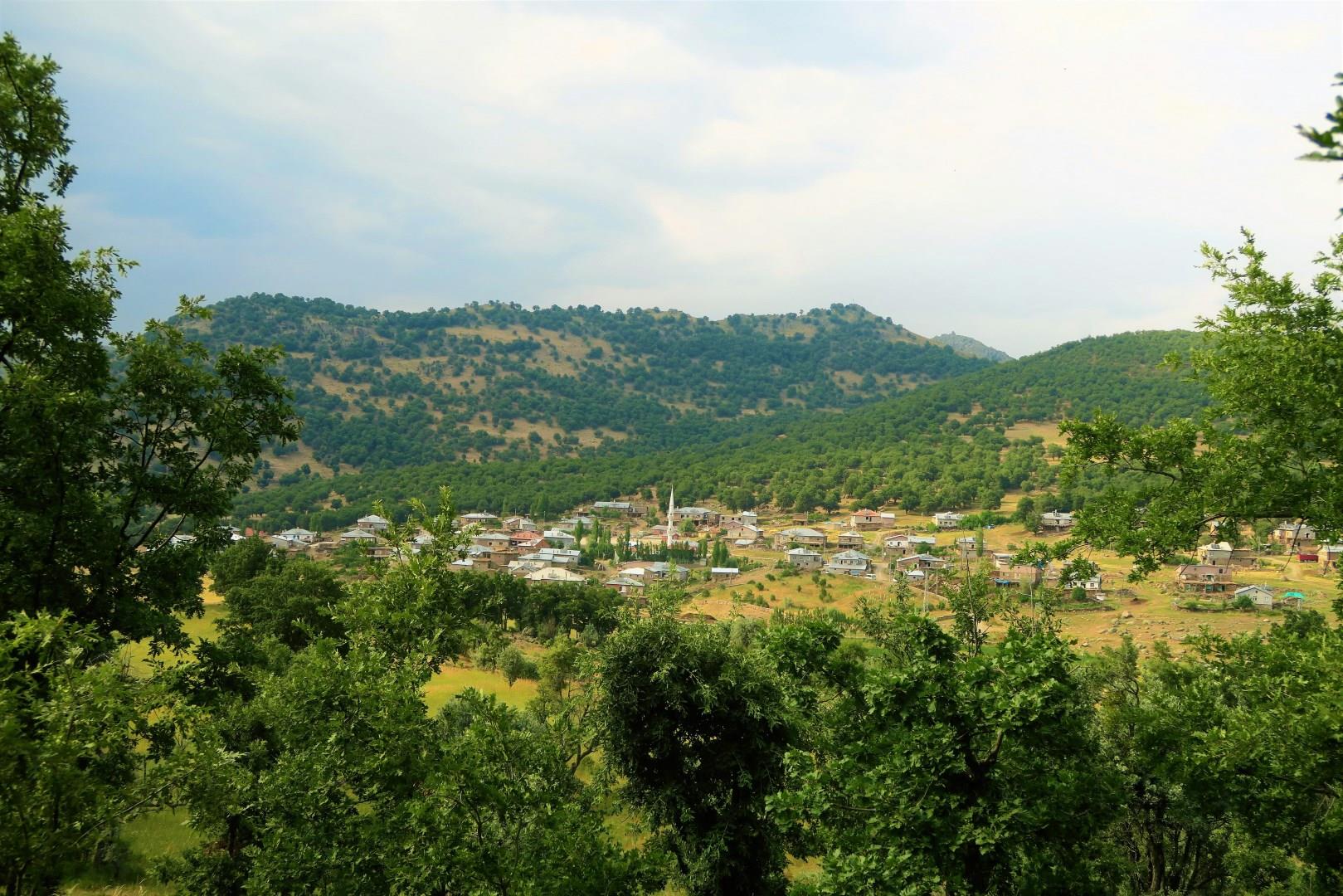
Konya has served as a spiritual center for centuries. Every December, the Şeb‑i Arûs festival marks the passing of Rumi, the Persian mystic, and draws Sufis and visitors from around the world to witness the Sema. Whirling dervish dance is performed to the sound of ney flutes and drums. In one of the country's most hushed and vivid traditions, performers spin in unison in flowing white skirts, a scene that blends meditation with graceful motion in a way found nowhere else.