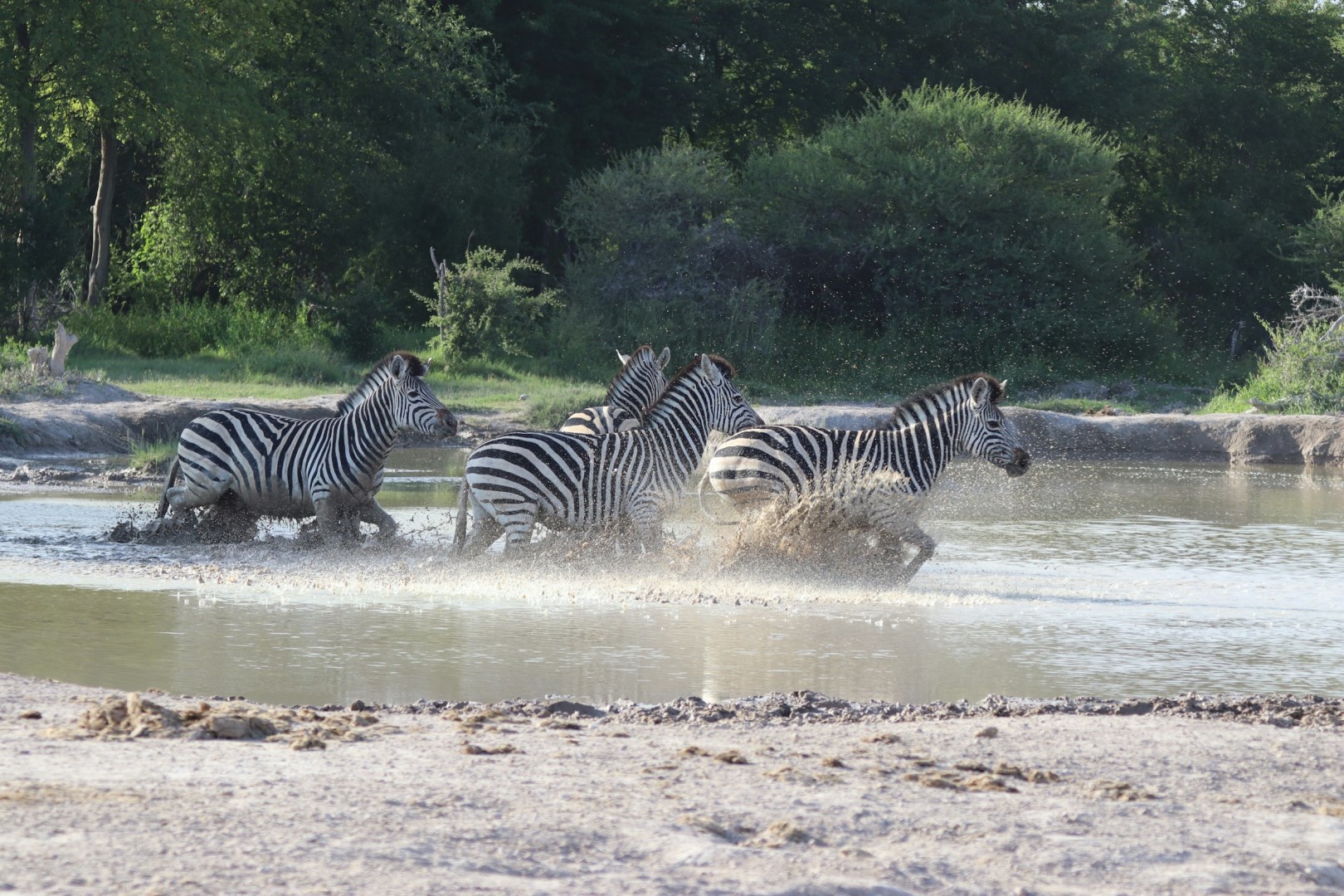
Nxai Pan National Park lies in northern Botswana as part of the wider Makgadikgadi pans landscape, covering about 2,100 square kilometers of grass-covered pans, acacia woodland, and open plains. The park occupies former salt lakes within the ancient Makgadikgadi basin, and its character changes significantly with rainfall.
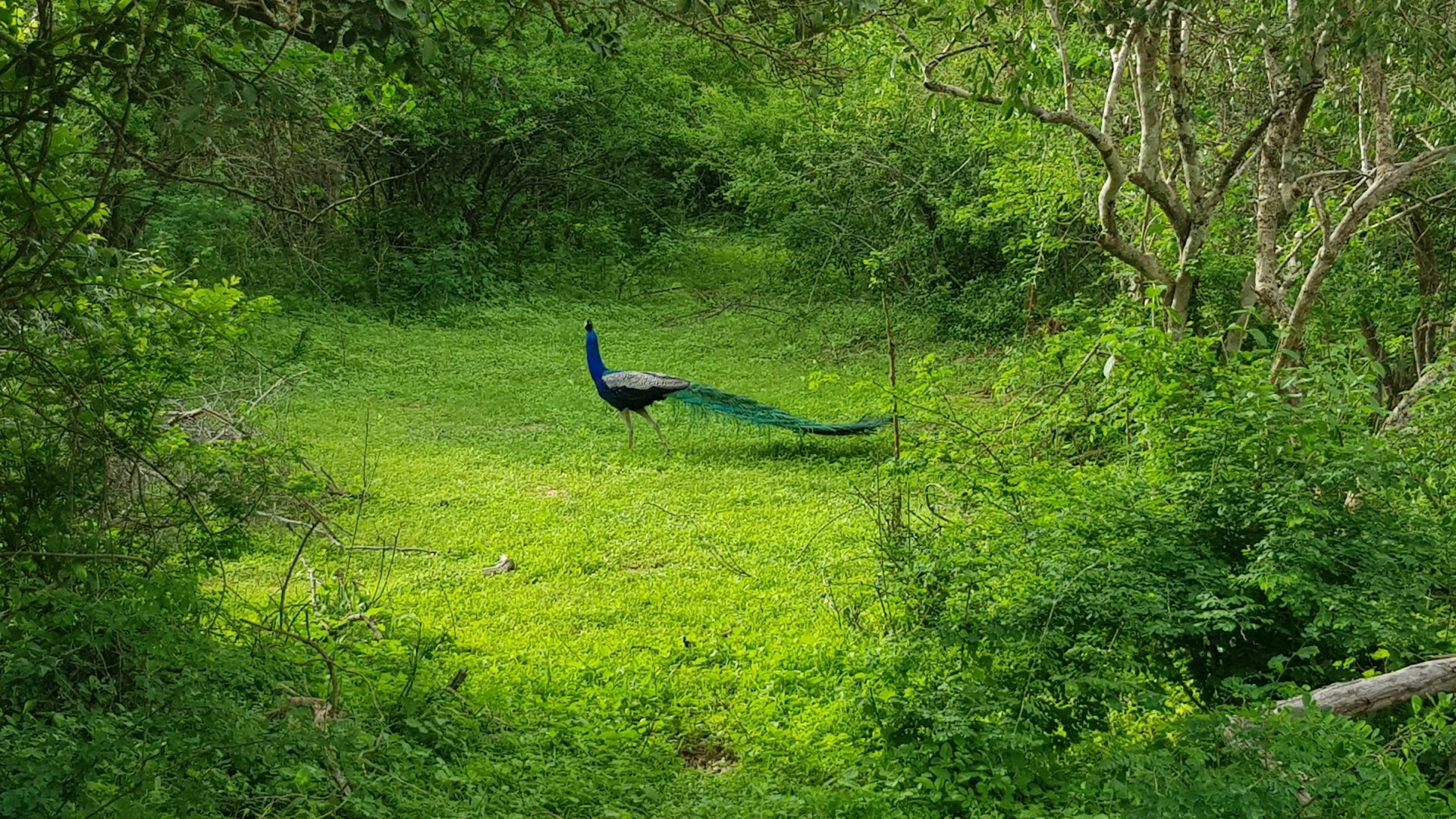
Hambantota is a coastal city in Sri Lanka’s Southern Province, set along a dry, sunlit stretch of the island’s southeastern coast. Its landscape combines the Indian Ocean, salt pans, scrubland, lagoons, and agricultural areas, giving the city a different character from the wetter coastal towns farther west. Hambantota is an important regional center and a gateway to several major wildlife destinations.
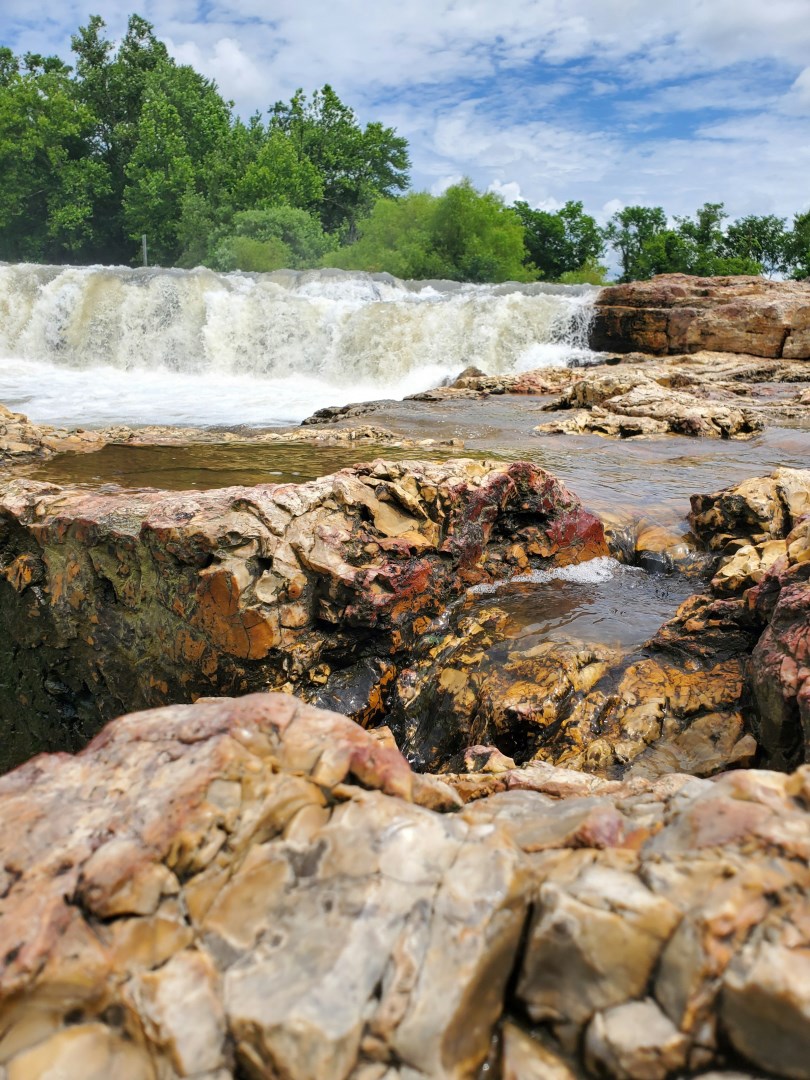
Joplin, Missouri, sits in the southwestern corner of the state within the Ozarks region, where rolling woodland, limestone formations, and waterways surround a city shaped by mining, transportation, and Route 66. Its downtown combines historic buildings, murals, independent businesses, restaurants, and cultural venues, while the Murphysburg Historic District preserves some of the community’s older residential architecture.
Nuuk, the vibrant capital of Greenland, offers a unique blend of Arctic beauty and modern living. Nestled between picturesque fjords and surrounded by rugged mountains, Nuuk is the gateway to exploring Greenland’s stunning natural landscapes. The city’s old harbor, with its colorful wooden houses, provides a charming introduction to Greenlandic culture and history. This area is perfect for leisurely strolls and offers striking views of the surrounding mountains and sea.
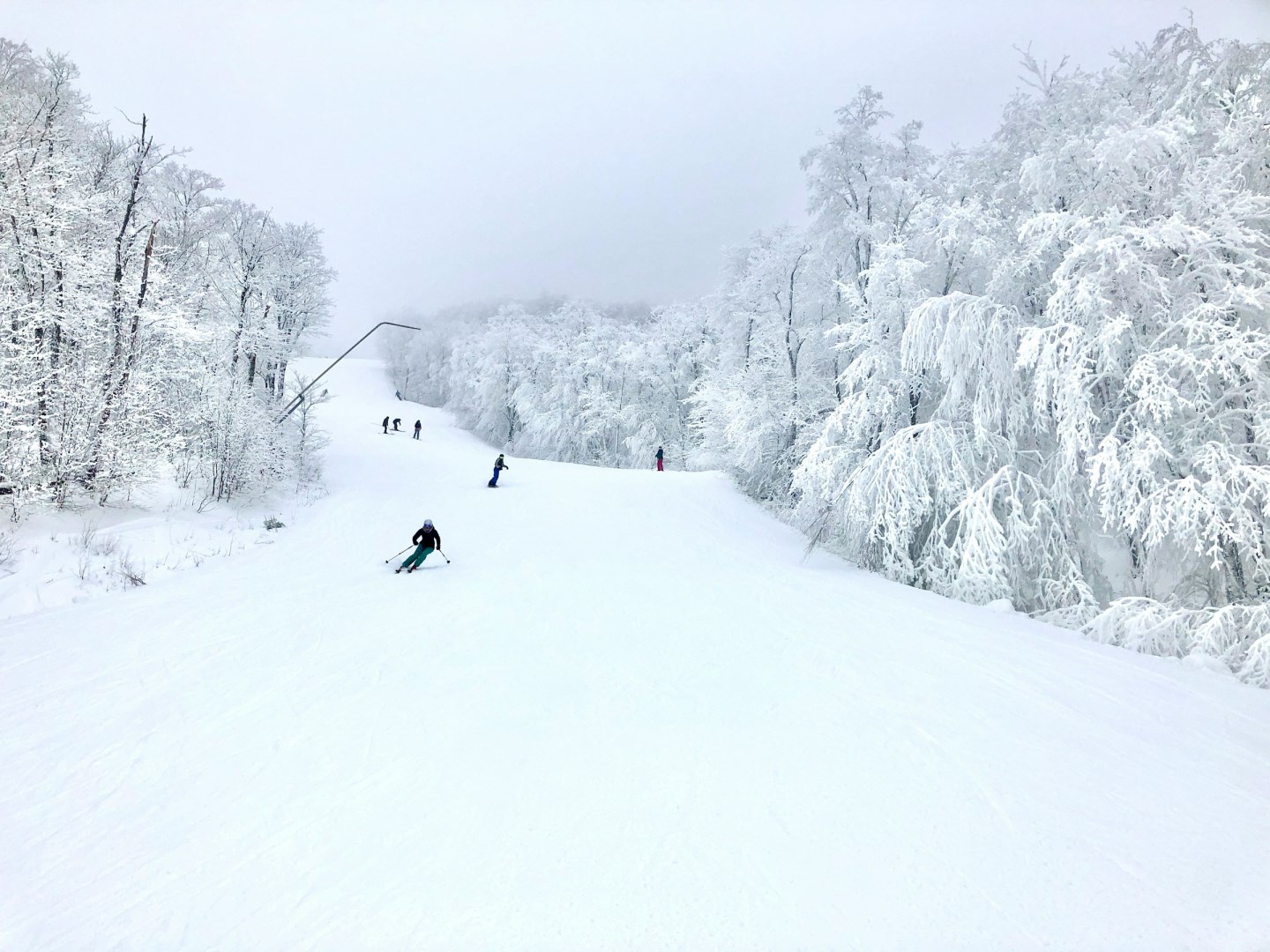
The mountain boasts 75 ski trails, with a 2,131 vertical drop and 11 lifts including 6 high-speed quads. The European-style village with cobblestone streets exudes the unique ambience of French Canada.
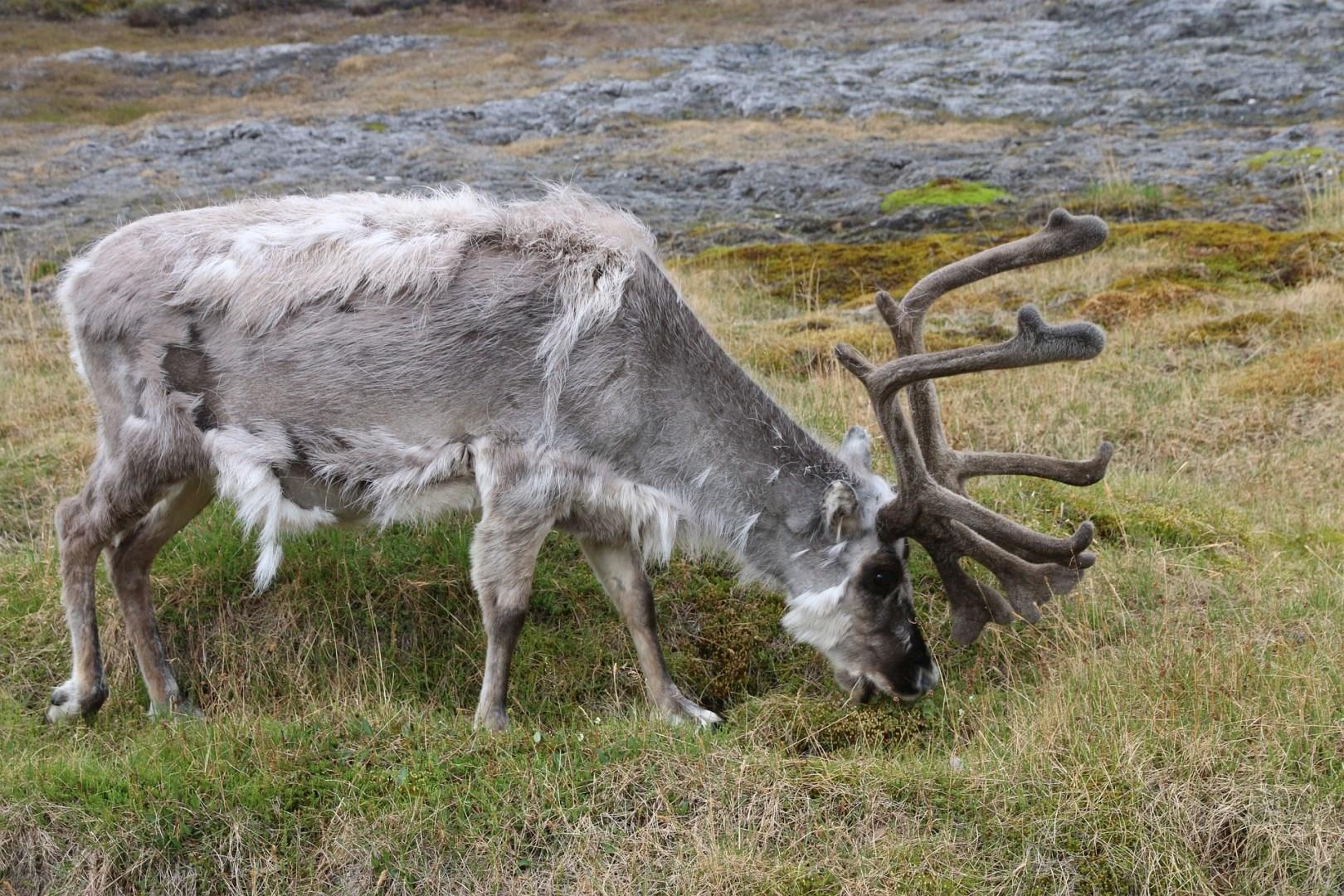
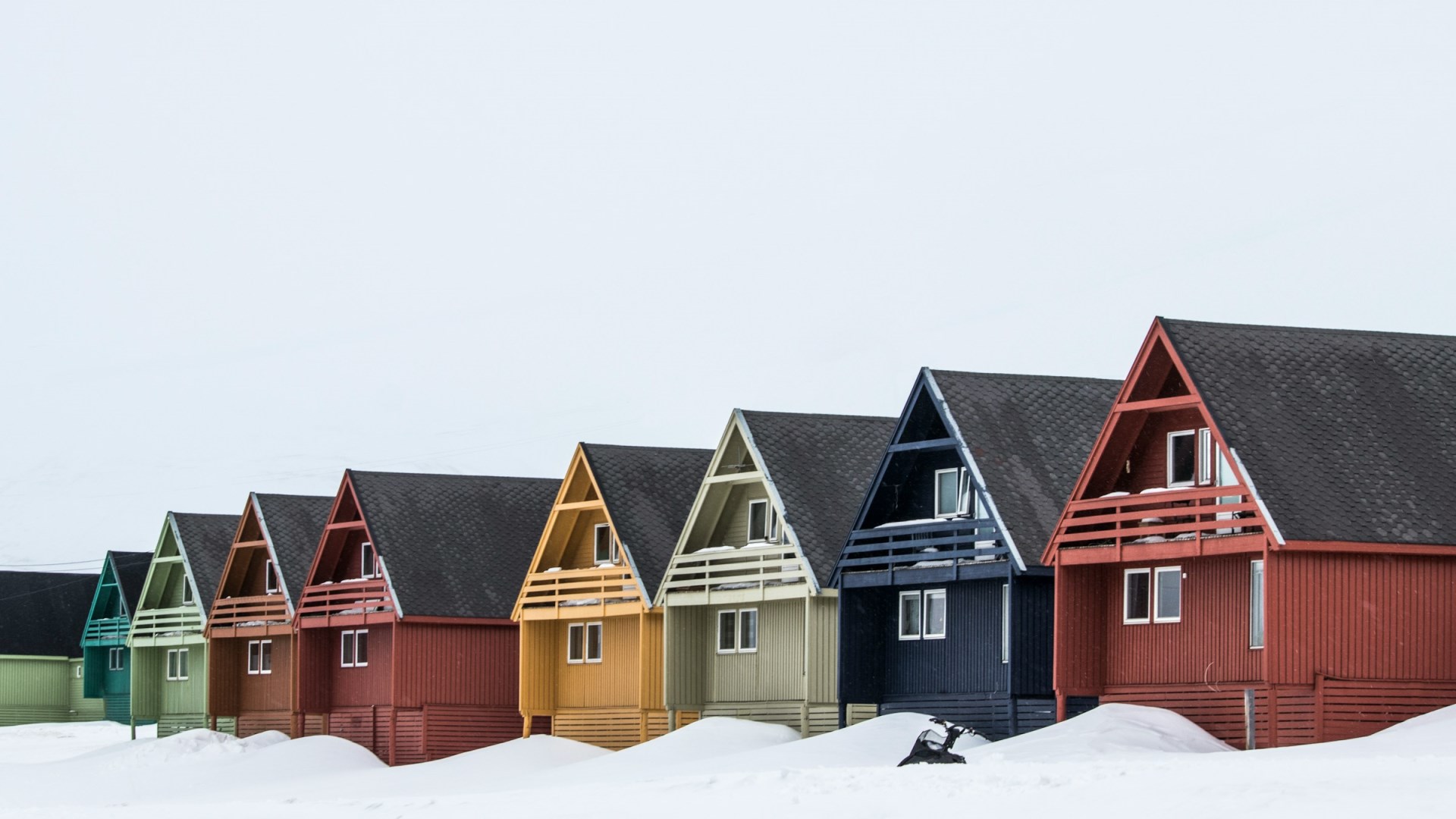
Photo Credit: Photo by Fredrik Solli Wandem on Unsplash
Photo Credit: Photo by Rod Long on Unsplash
Photo Credit: Photo by Dylan Shaw on Unsplash
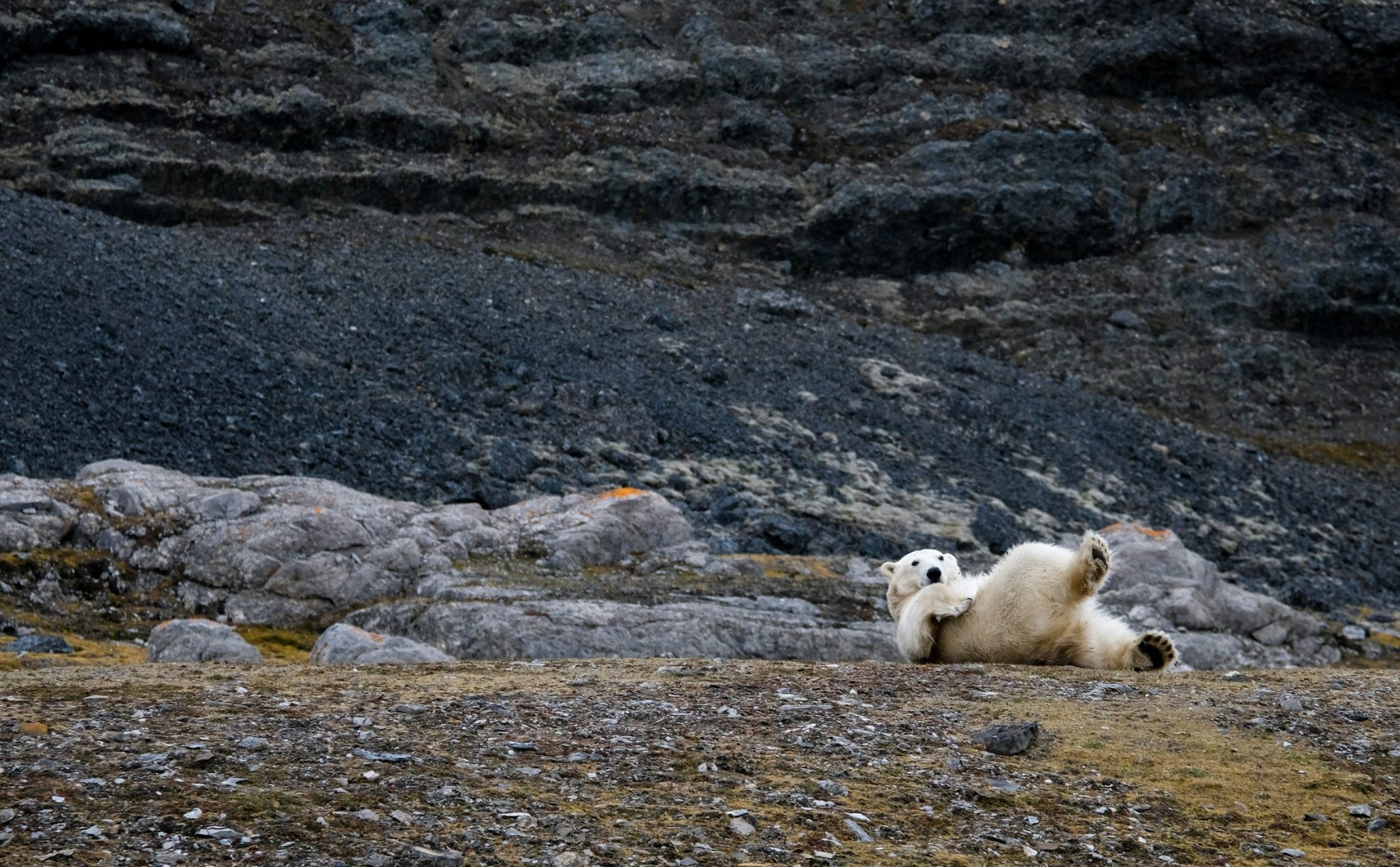
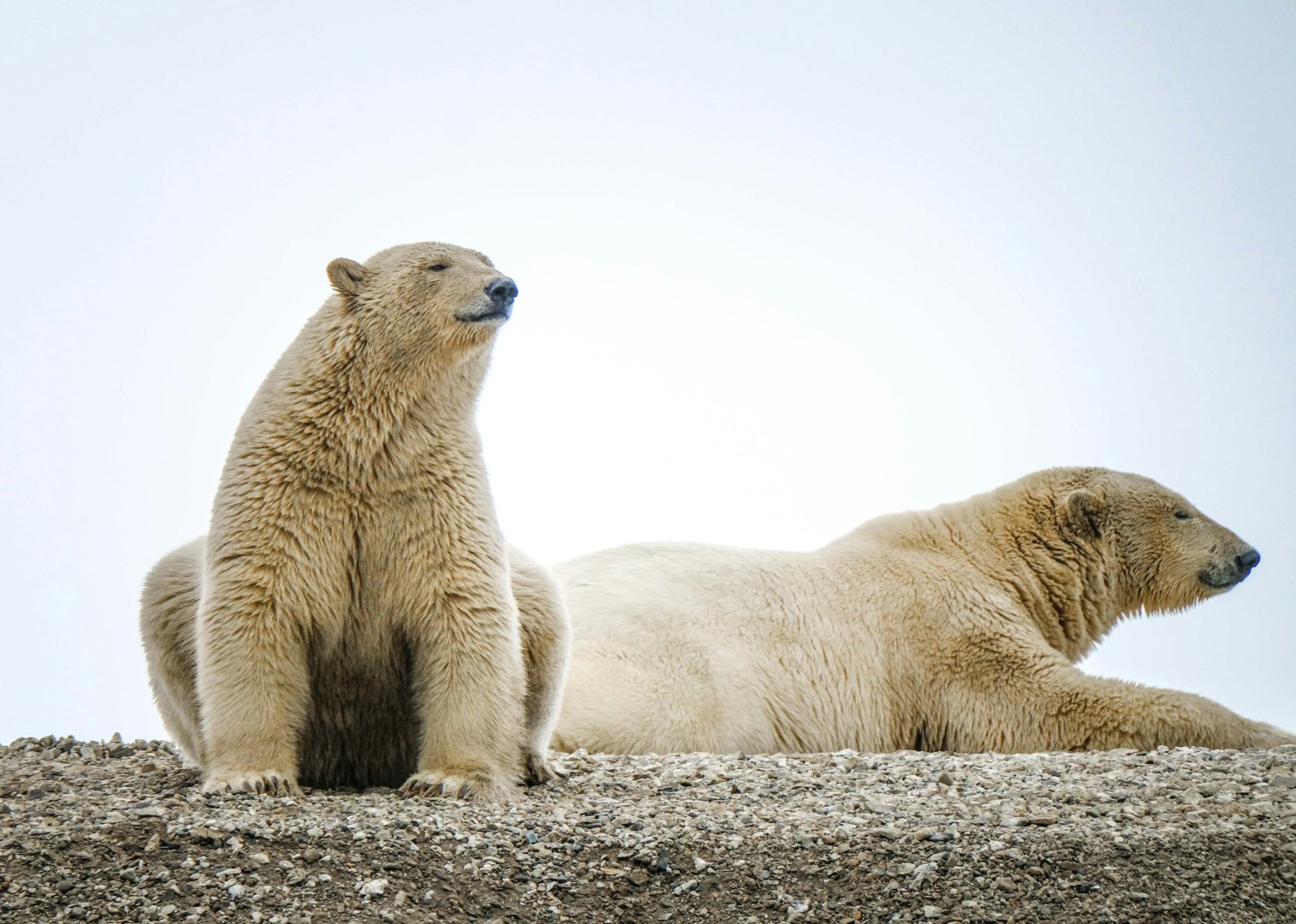
Polar Bears
Photo Credit: Photo by Francesco Ungaro on Unsplash
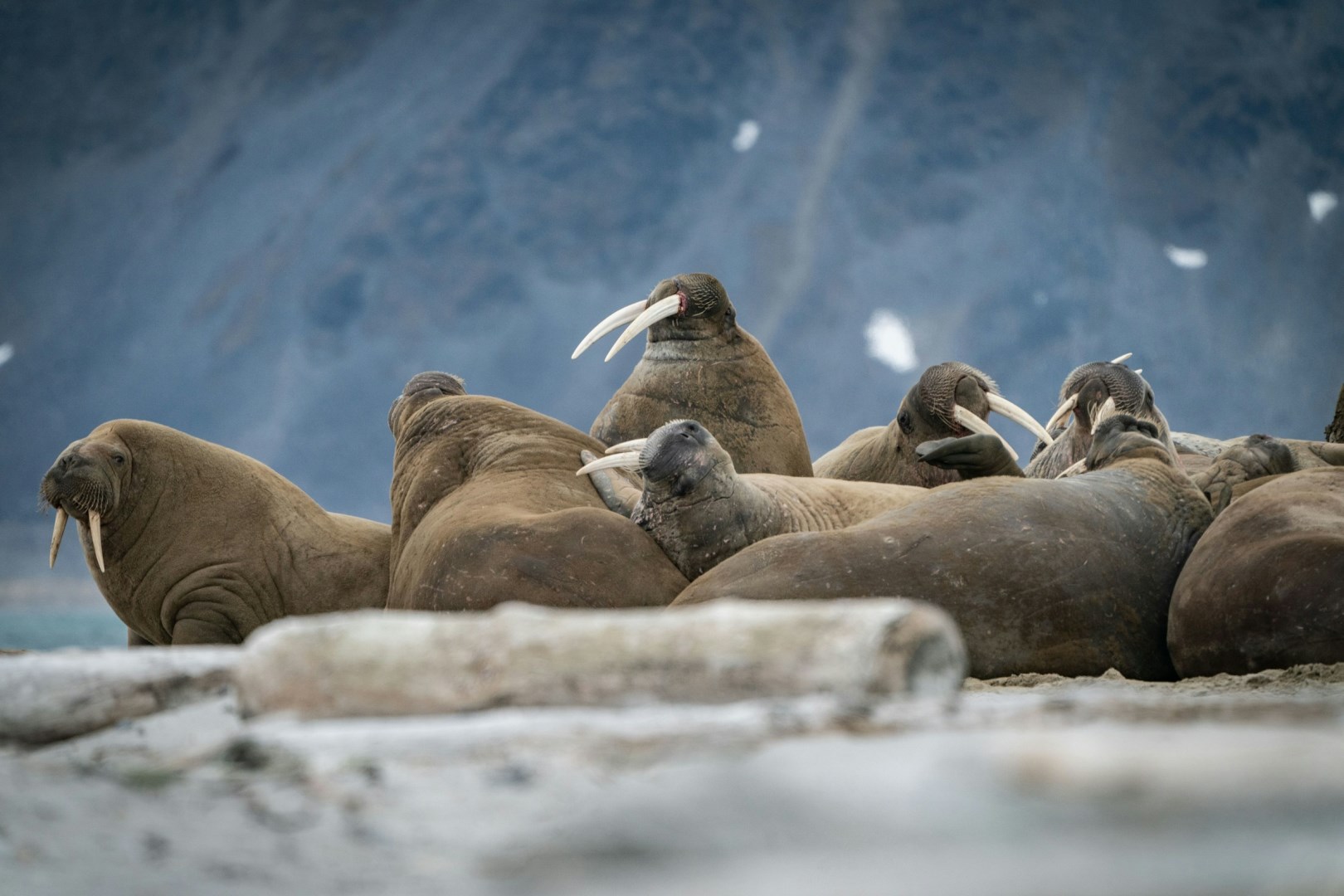
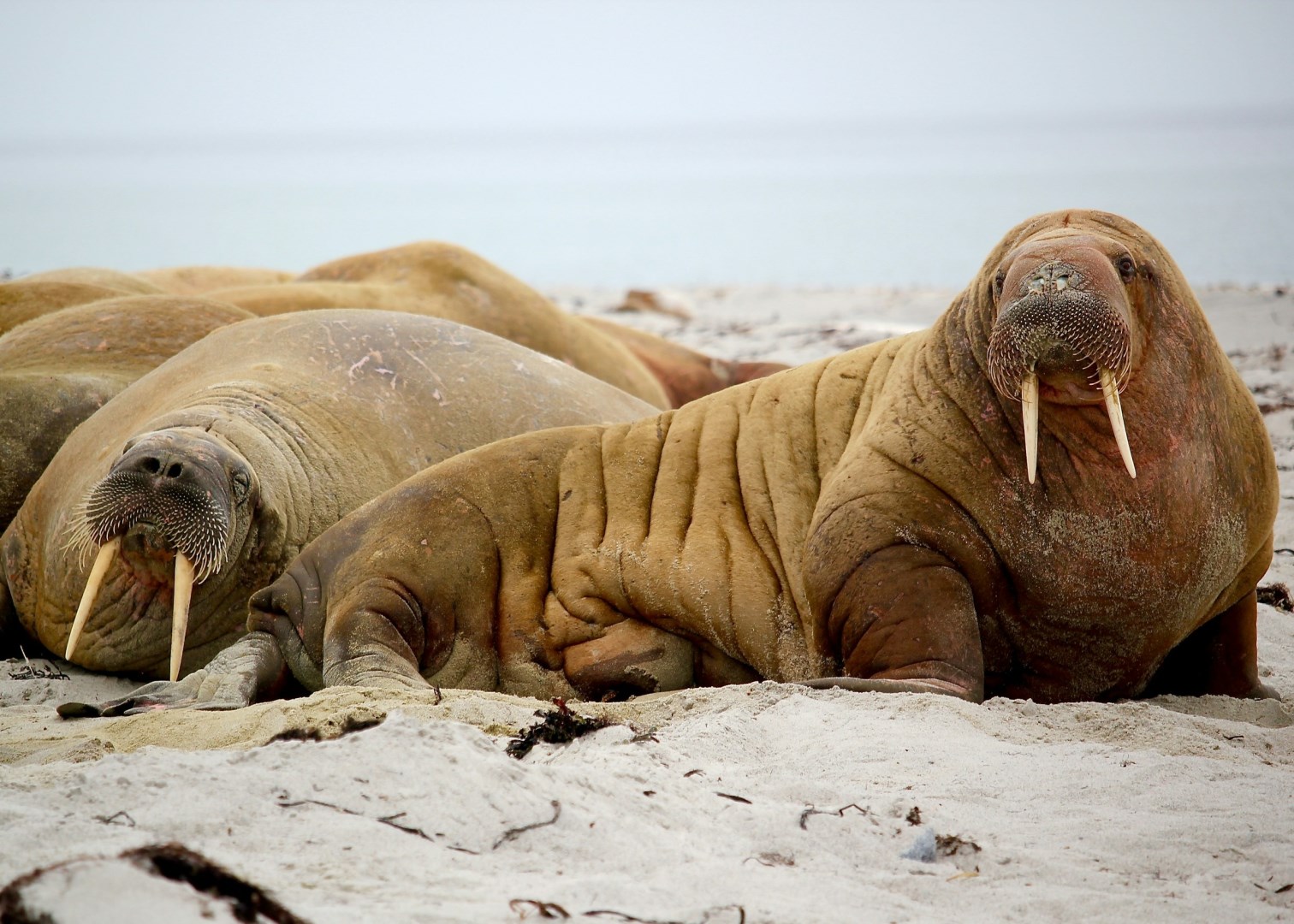
Walrus at Smeerenburgbreen
Photo Credit: Photo by Jay Ruzesky on Unsplash
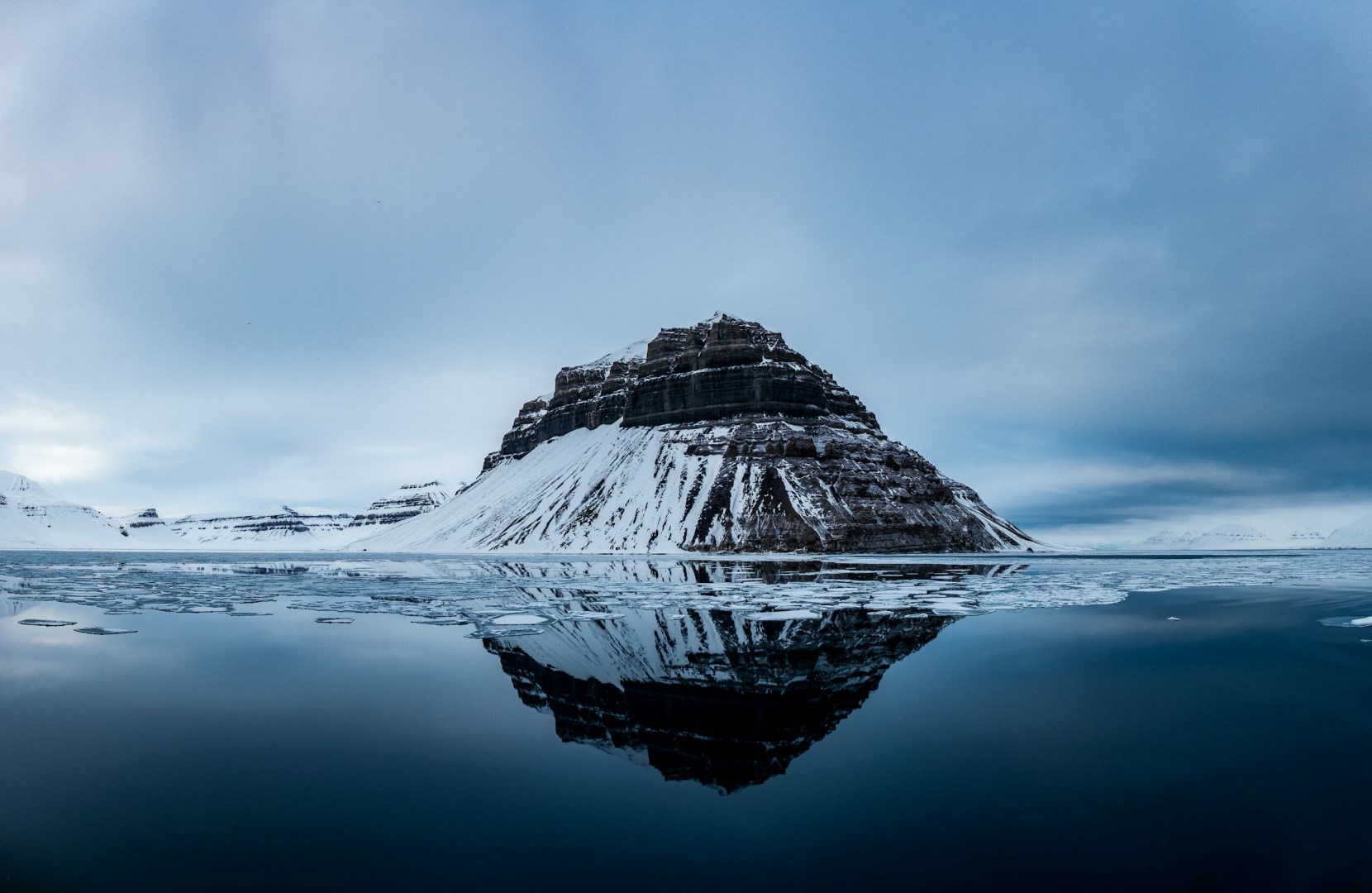
Billefjorden
Photo Credit: Photo by Lloyd Woodham on Unsplash
Photo Credit: Photo by Daniel Fatnes on Unsplash
Photo Credit: Photo by Dylan Shaw on Unsplash
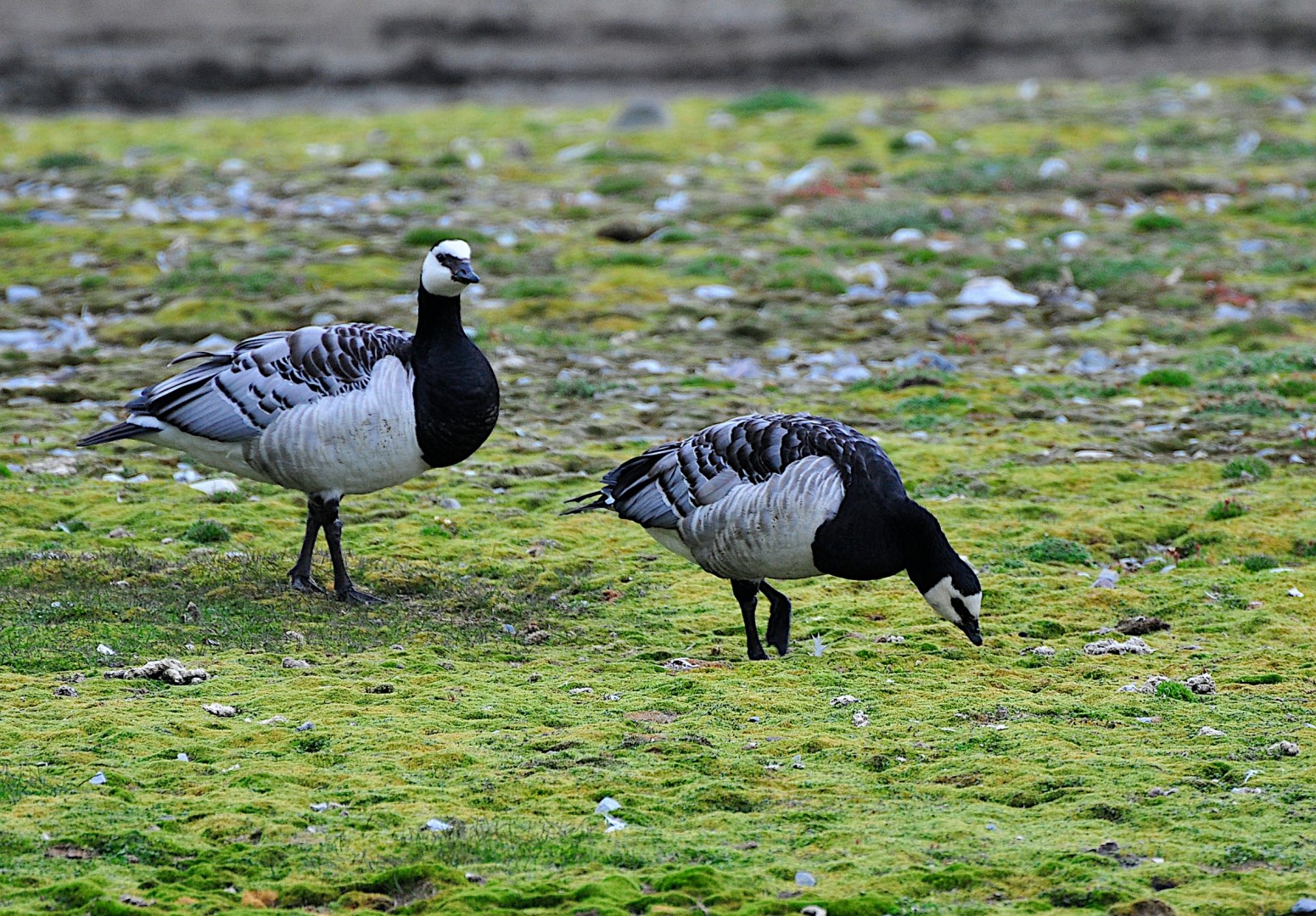
Barnacle goose
Photo Credit: Photo by Jacek Urbanski on Unsplash
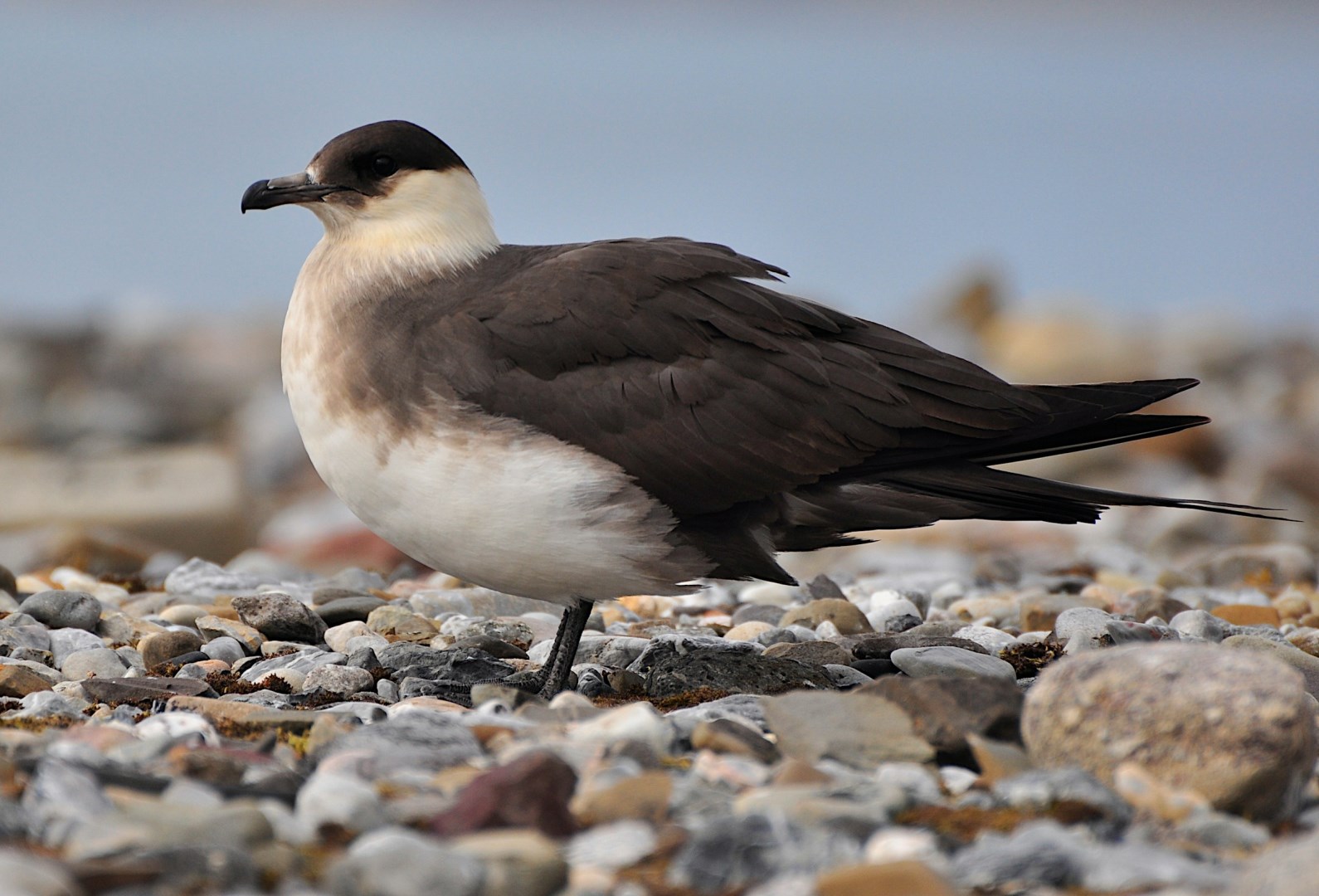
Arctic skua
Photo Credit: Photo by Jacek Urbanski on Unsplash
Photo Credit: Photo by Bob Brewer on Unsplash
Photo Credit: Photo by Chris Marquardt on Unsplash
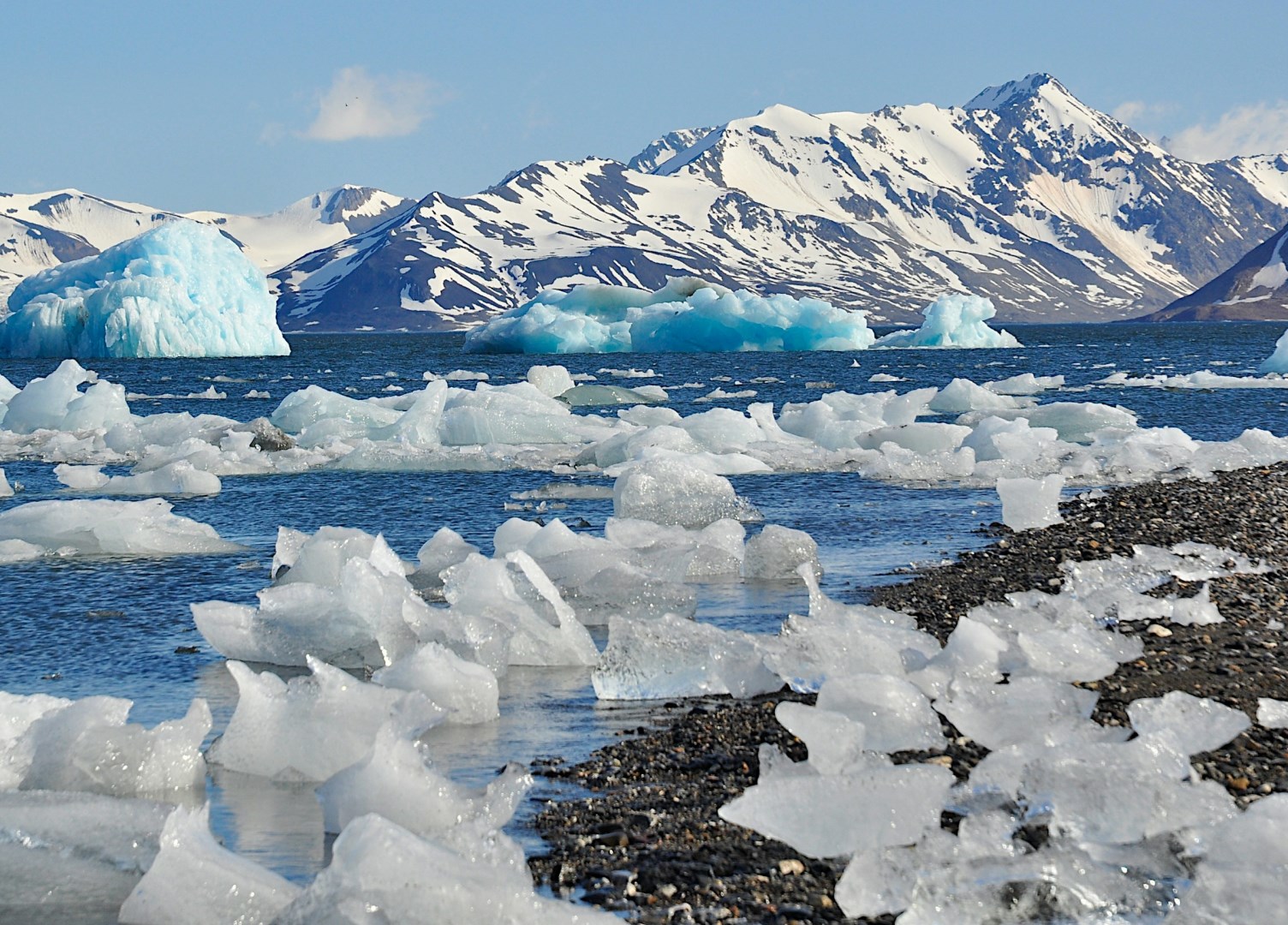
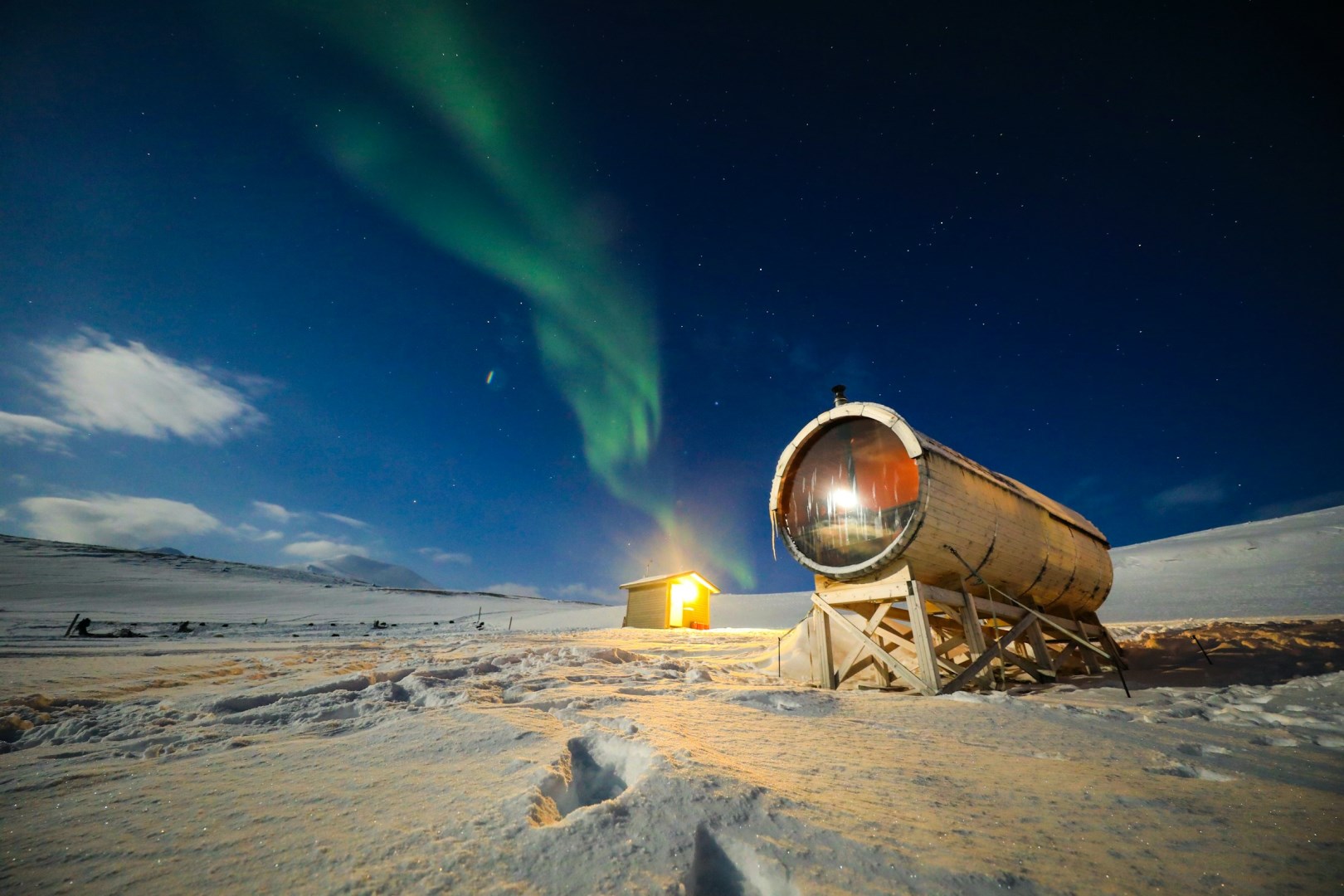
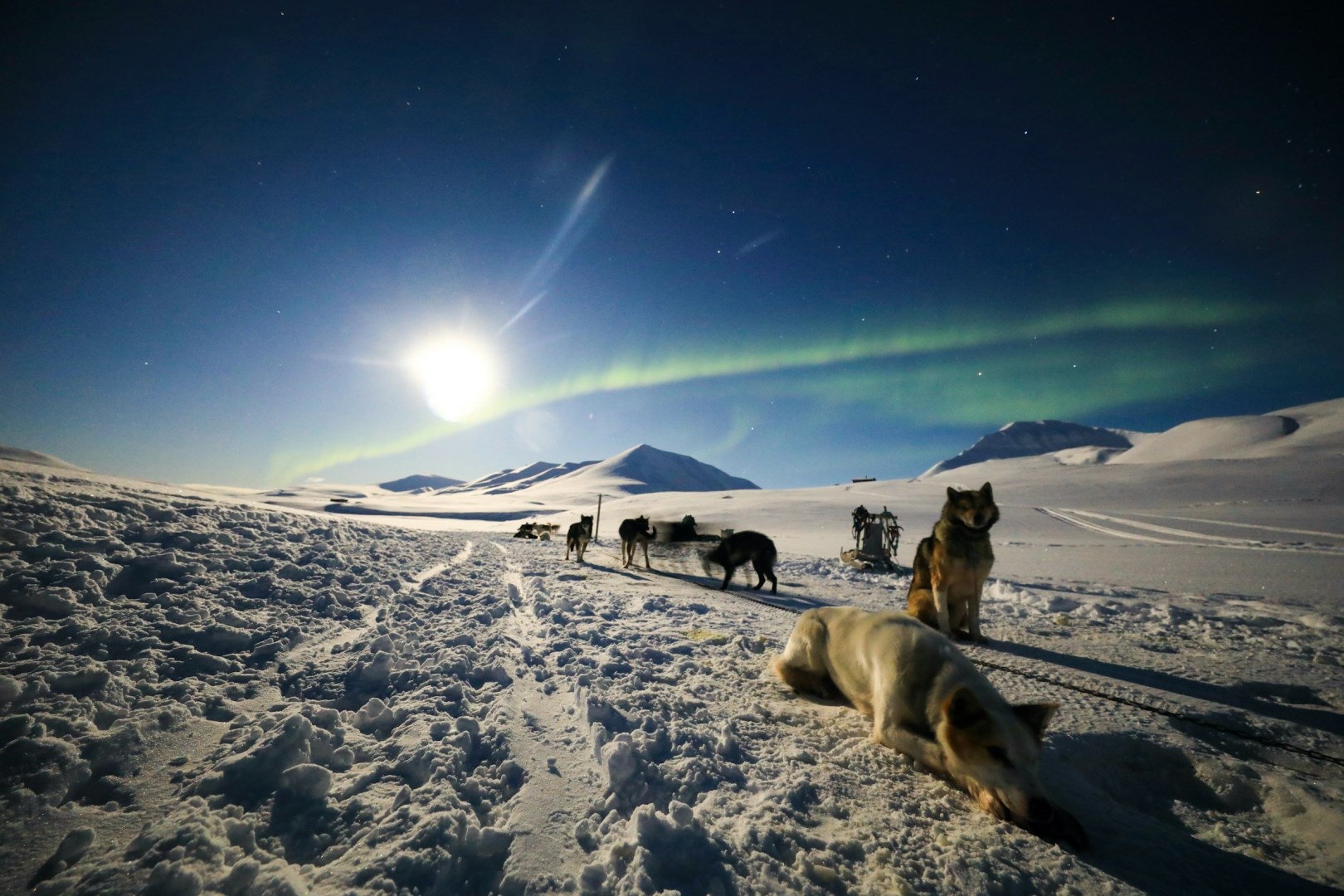
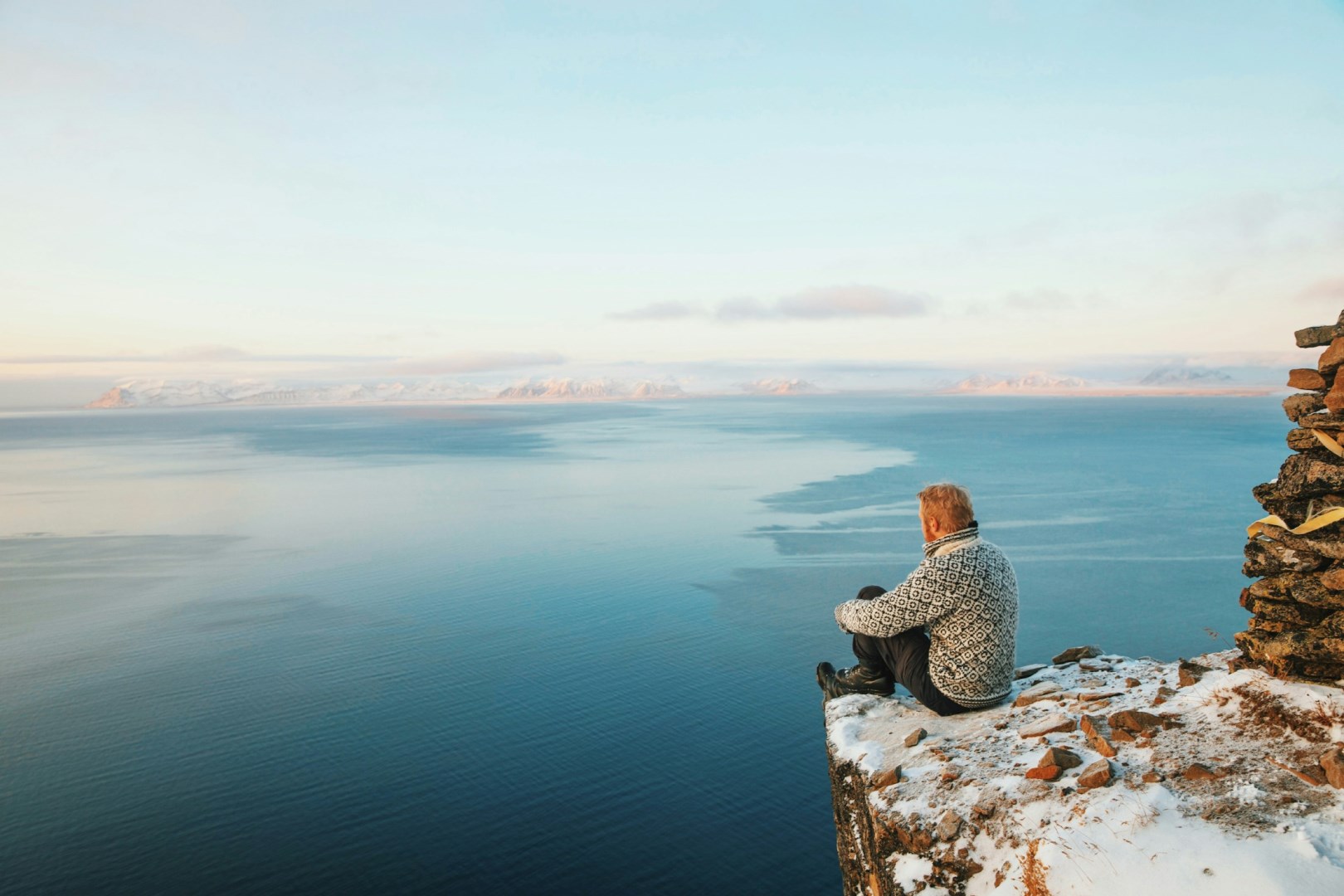
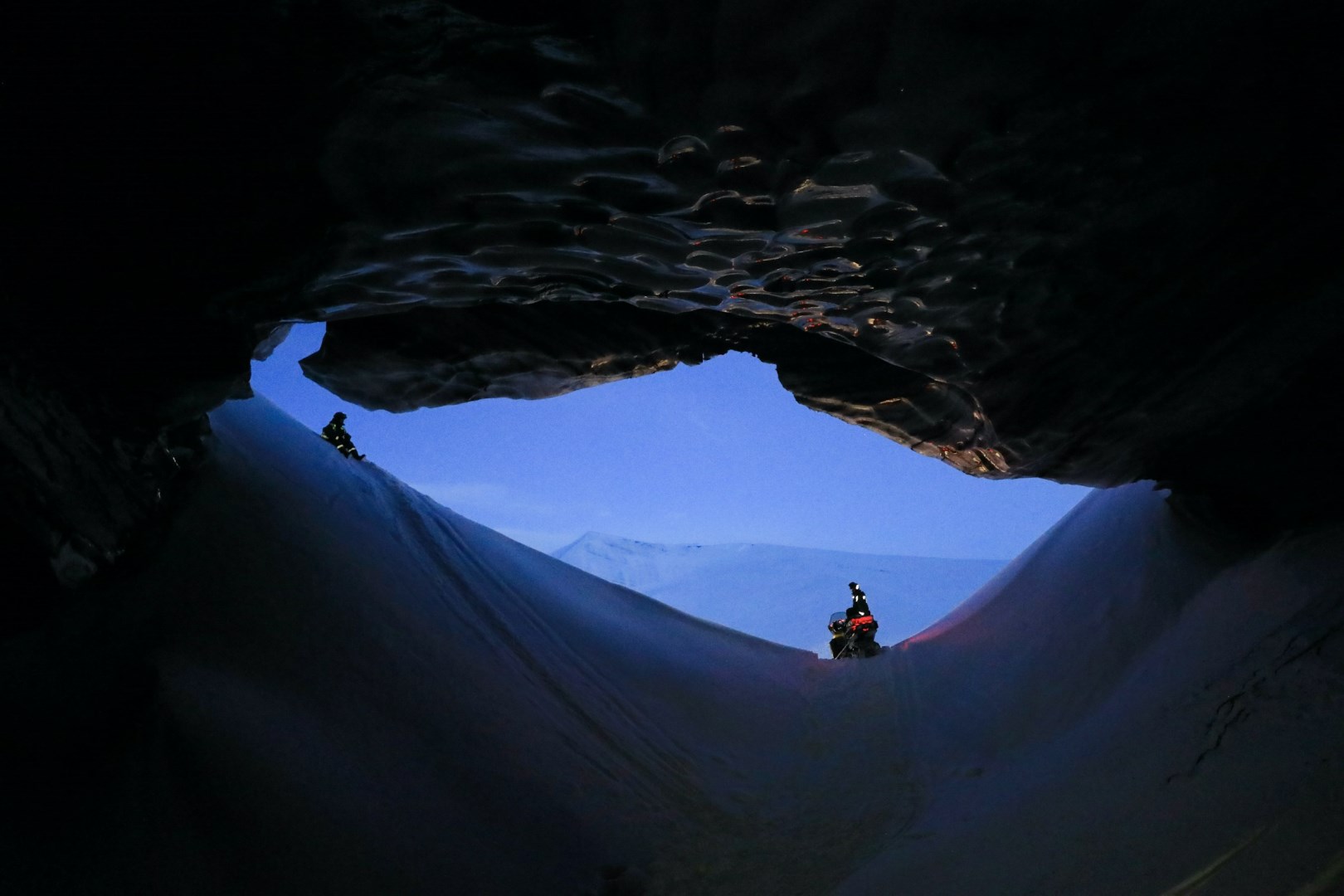
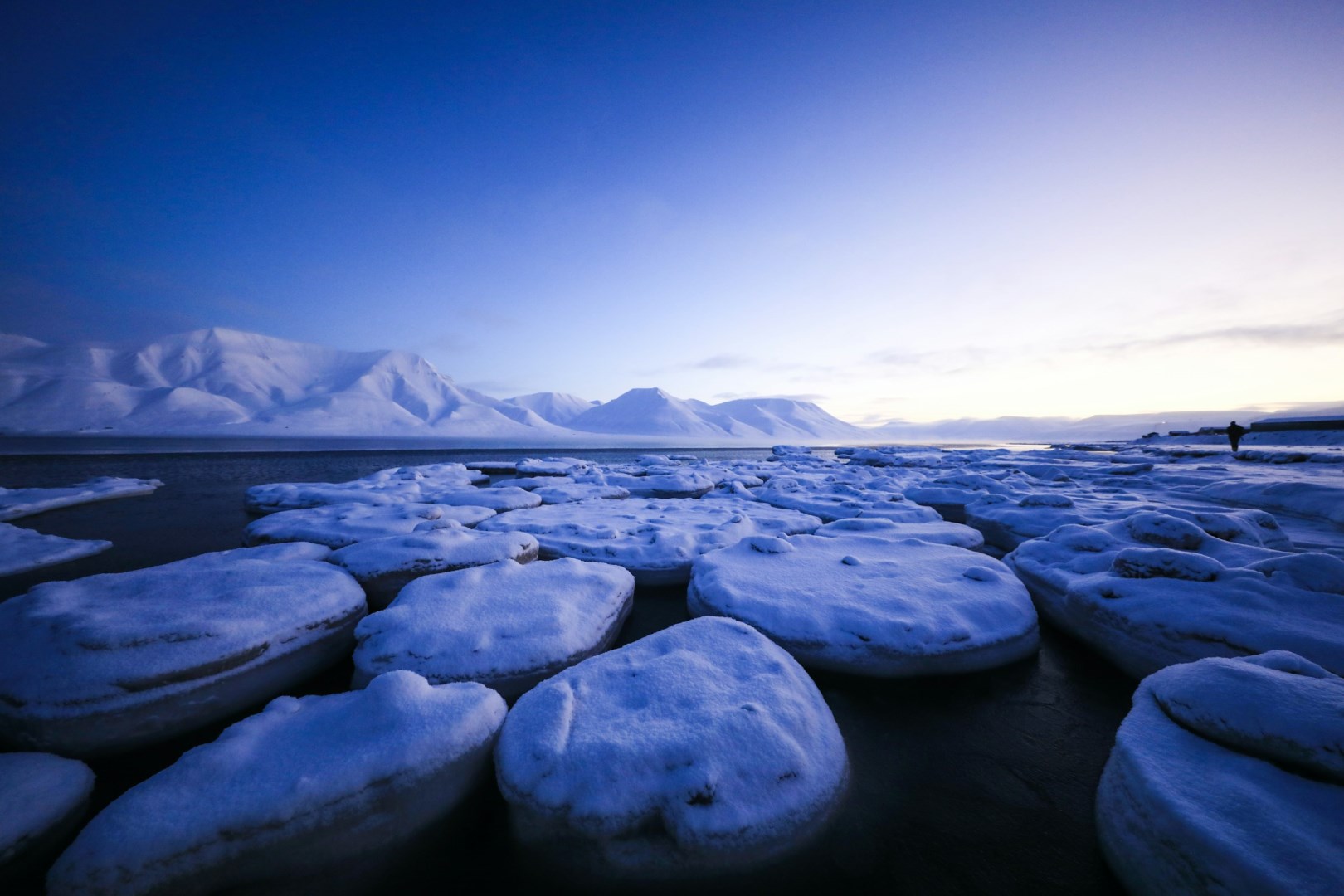
The remote and austerely beautiful Svalbard, a Norwegian archipelago, lies north of continental Norway in the Arctic Ocean, a mere 650 miles from the North Pole. A hub for Dutch, English, French, Norwegian, and Russian whalers between the 17th and 19th centuries, this collection of glacial islands officially joined the Kingdom of Norway in 1925 with the Svalbard Act and continues to be used in coal mining enterprises. Spitsbergen, the only permanently inhabited island in the Svalbard archipelago, and its largest settlement, Longyearbyen, have become popular stops for tourists, who often arrive on arctic cruises.
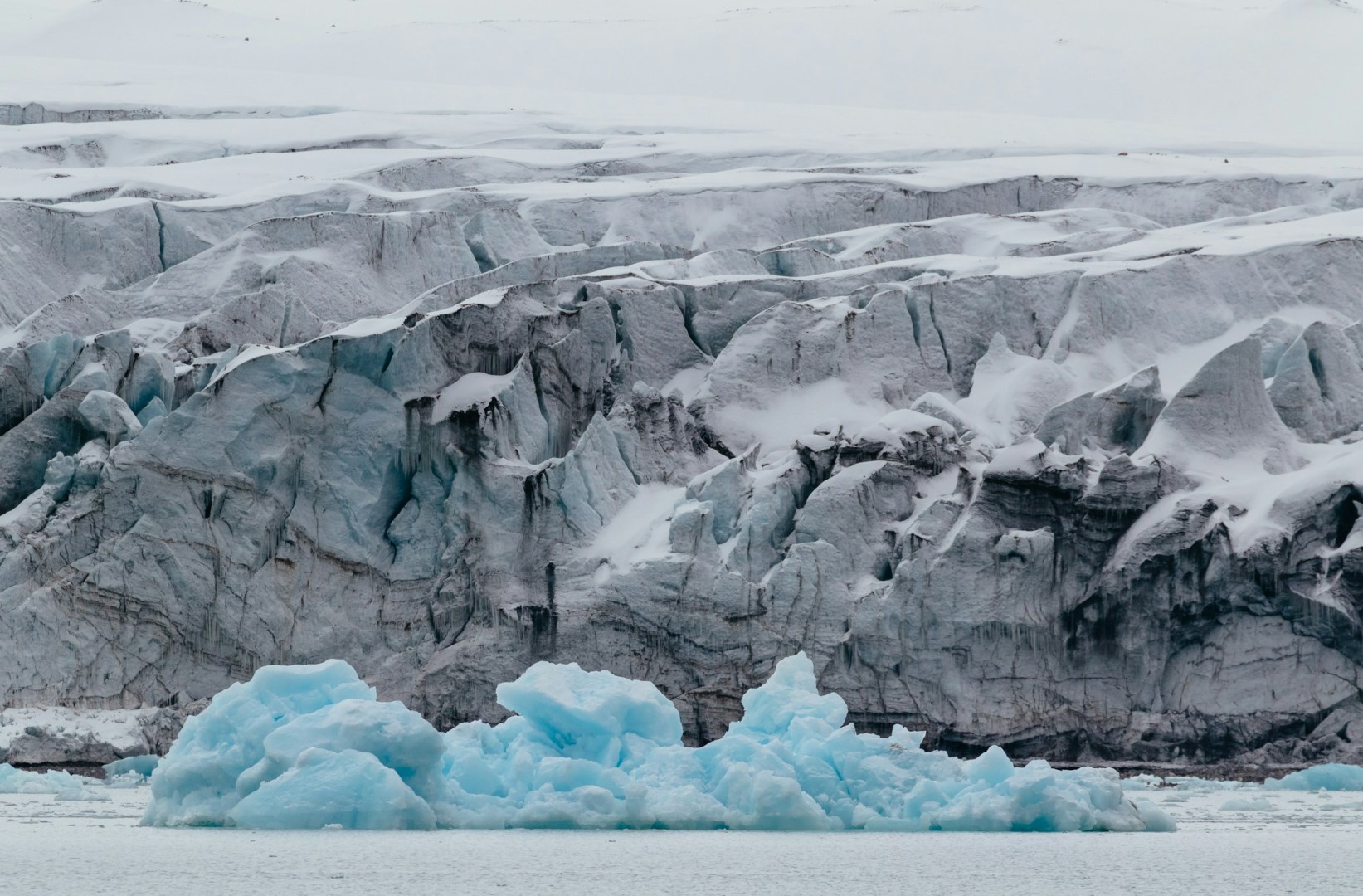
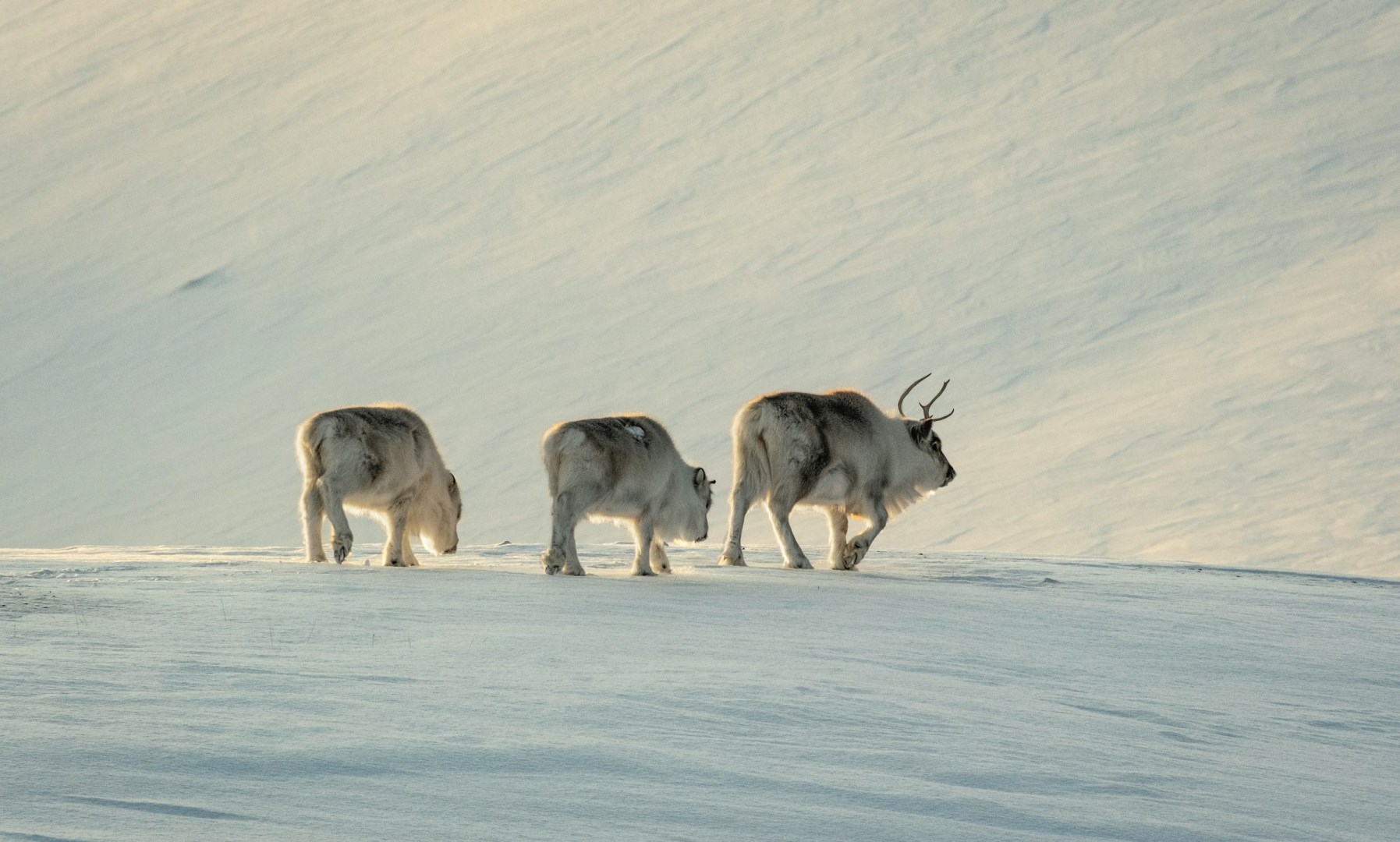
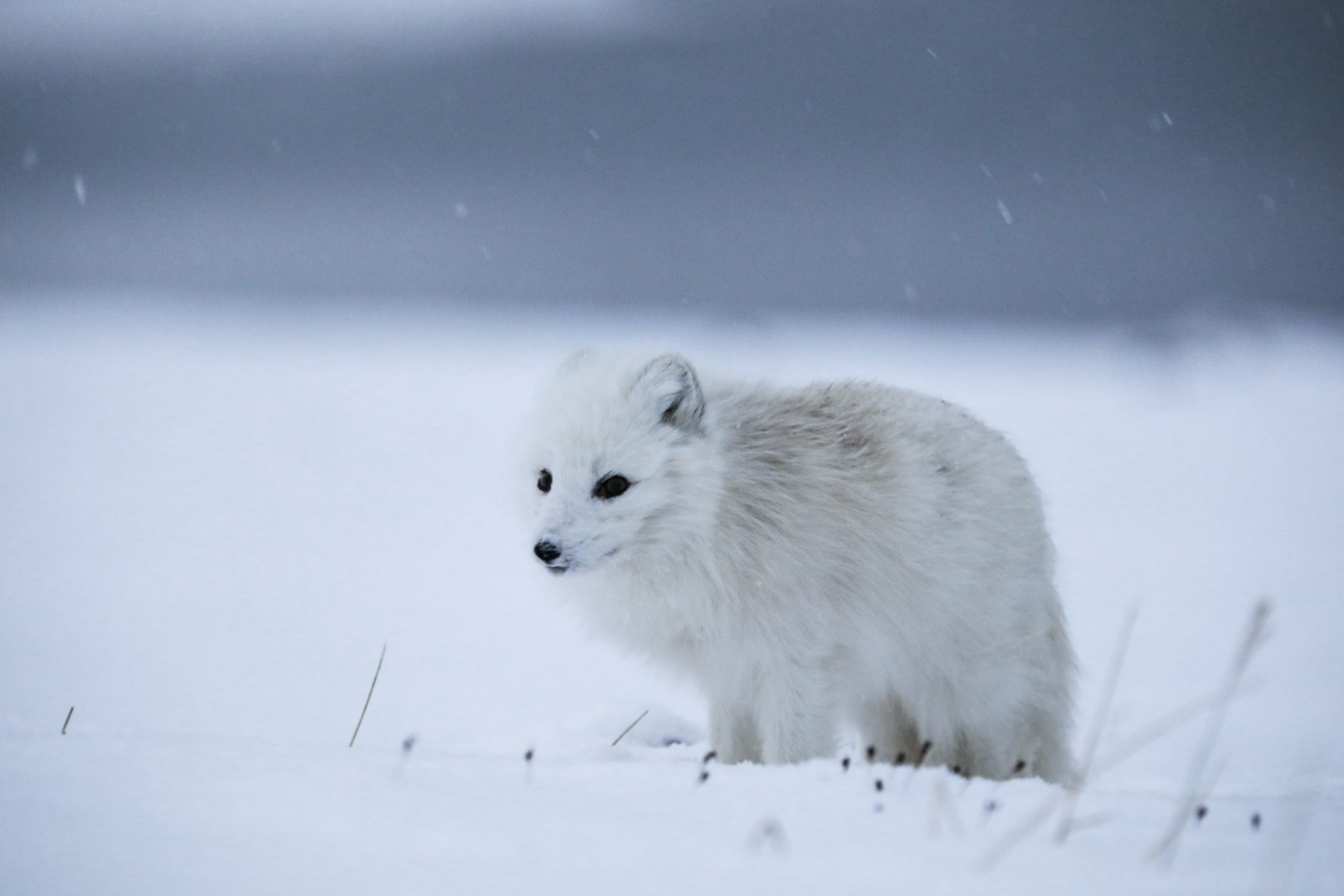
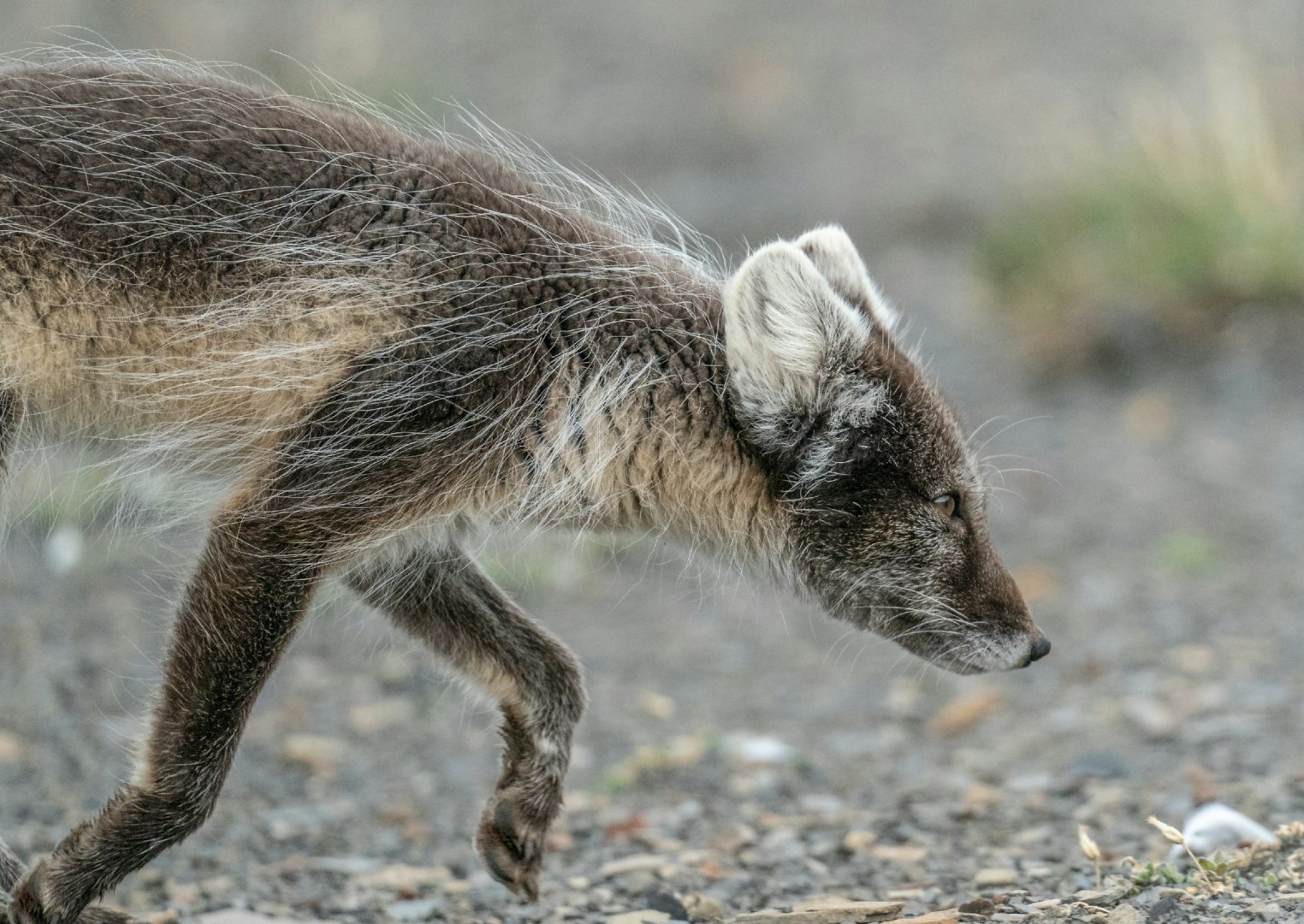
This mountainous archipelago offers magnificent views of stark white glaciers and snowfields, which cover a vast stretch of the region. Arctic flora and fauna fascinate; catch a glimpse of polar bears, reindeer, arctic foxes, and walruses amongst the mossy tundra and icy coasts. In the summer, visitors will witness the rare splendor of Svalbard’s midnight sun.
Other Popular Destinations in Norway
Bergen
Charming Bergen will sweep you away with its picturesque architecture and breathtaking natural beauty. Nestled between stunningly verdant mountains and the winding fjords of the North Sea, this scenic town will delight you at every turn.
Trondheim
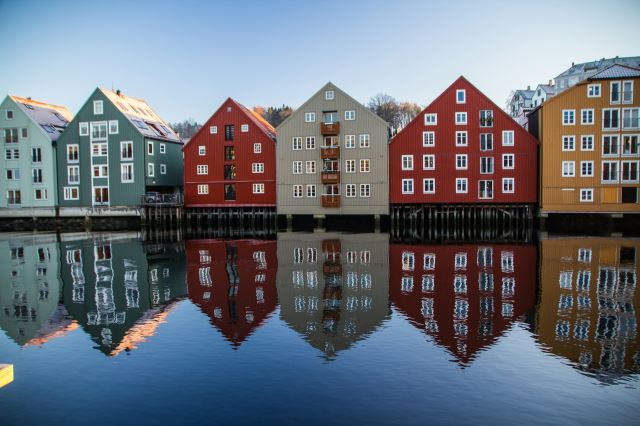
Nestled along the Trondheim Fjord in central Norway, Trondheim offers a captivating blend of rich history and vibrant modern life. As Norway’s first capital, Trondheim boasts a legacy that includes the striking Nidaros Cathedral, an iconic landmark whose construction began in the 11th century.