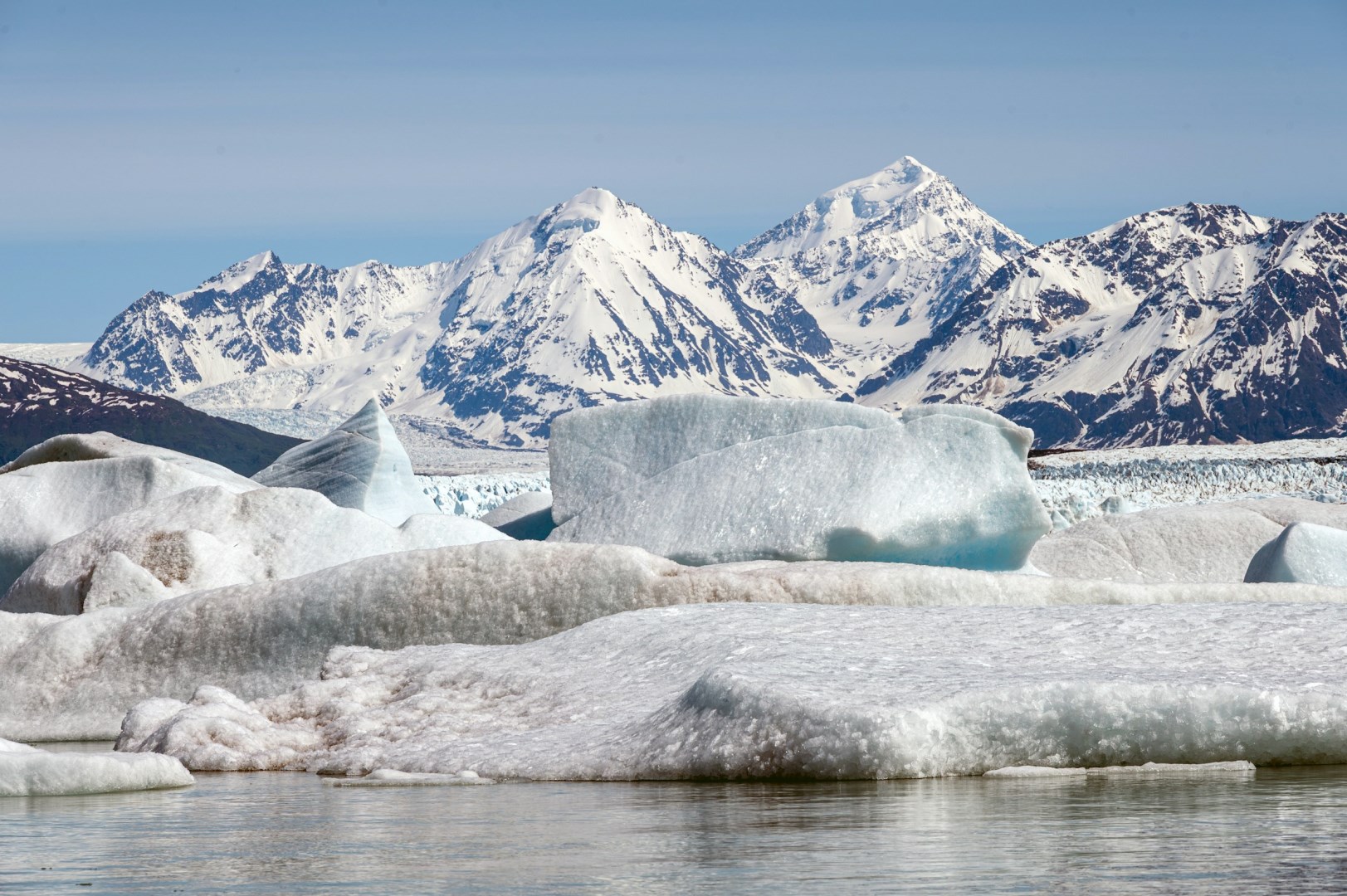
Chugach National Forest covers a vast area of south-central Alaska, stretching from the Kenai Peninsula across Prince William Sound and into the Copper River region. It is one of the largest national forests in the United States and contains a varied landscape of mountains, glaciers, coastal fjords, rivers, wetlands, and dense spruce and hemlock forests.
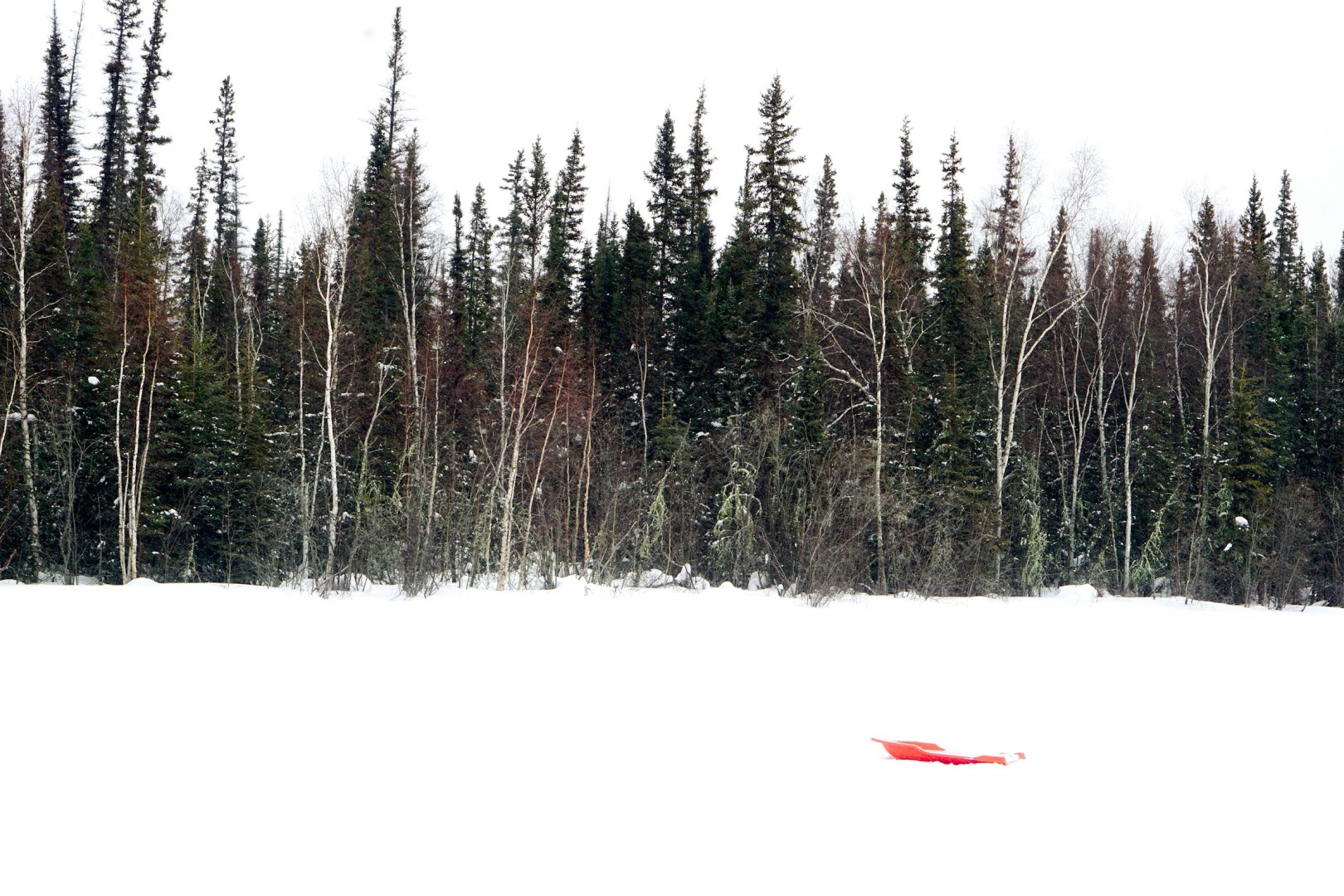
The Northwest Territories is a vast northern region of Canada defined by open tundra, boreal forests, major rivers, and some of the country’s largest lakes. Yellowknife, the territorial capital, sits on the northern shore of Great Slave Lake and serves as a central hub for travel, government, arts, and northern commerce. Farther north, communities such as Inuvik and Tuktoyaktuk provide access to the Arctic landscape and coastal regions. T
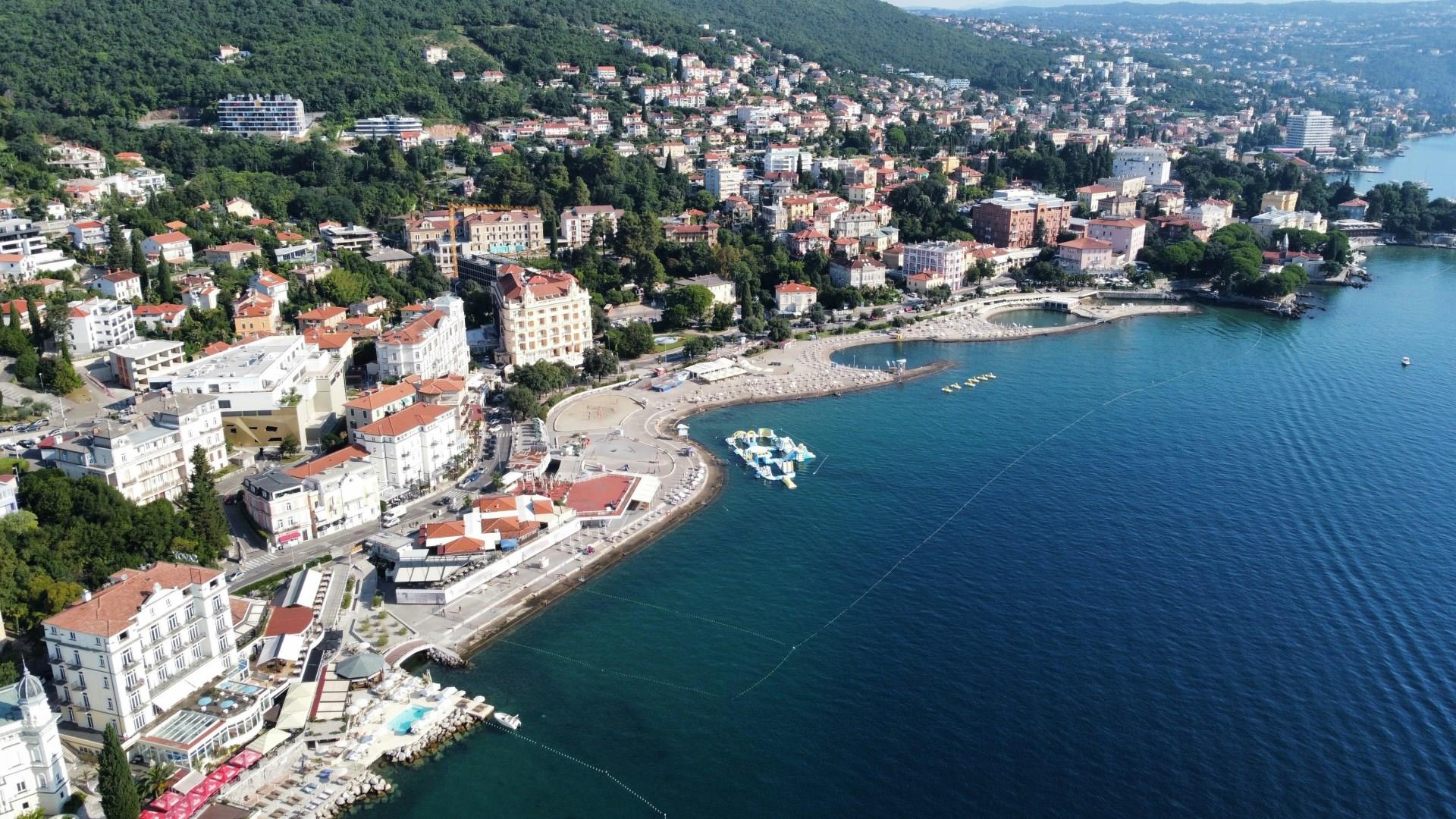
Opatija, located on Croatia’s Kvarner Bay, has been drawing visitors since the 19th century, when Austro-Hungarian aristocrats built grand villas along its Adriatic shoreline. Today, many of those same buildings still stand with some restored as luxury hotels and others preserved as cultural landmarks. The town’s most recognizable structure, Villa Angiolina, opened in 1844 and marked the start of Opatija’s rise as a fashionable seaside resort.
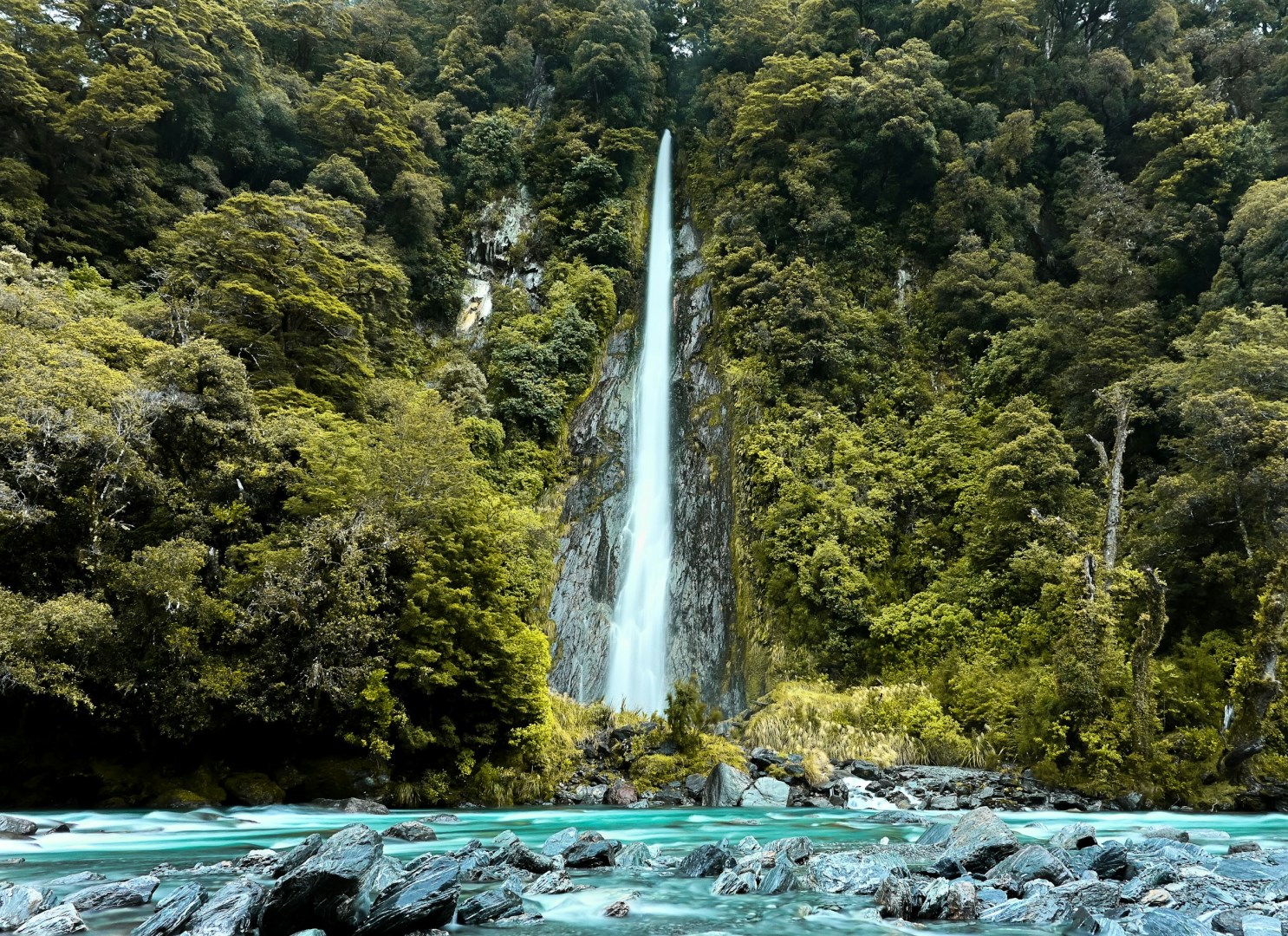
Mount Aspiring National Park occupies a large section of the Southern Alps in New Zealand’s South Island, extending across remote mountain country between Wānaka, Glenorchy, and the Haast Pass area. Covering more than 350,000 hectares, the park contains high peaks, glacial valleys, rivers, forests, alpine lakes, and extensive wilderness.
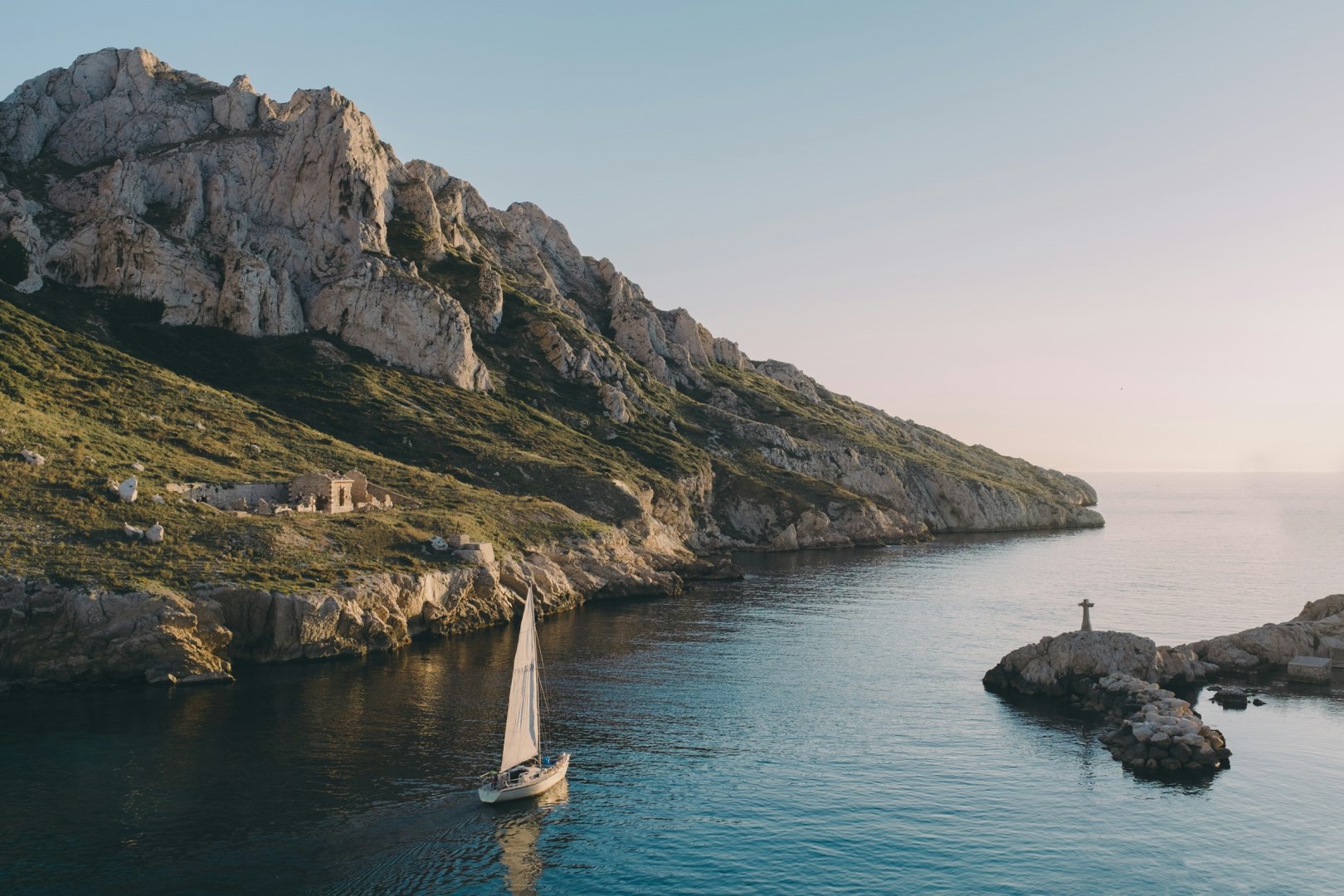
Photo Credit: Photo by Fredrik Solli Wandem on Unsplash
Photo Credit: Photo by Rod Long on Unsplash
Photo Credit: Photo by Dylan Shaw on Unsplash
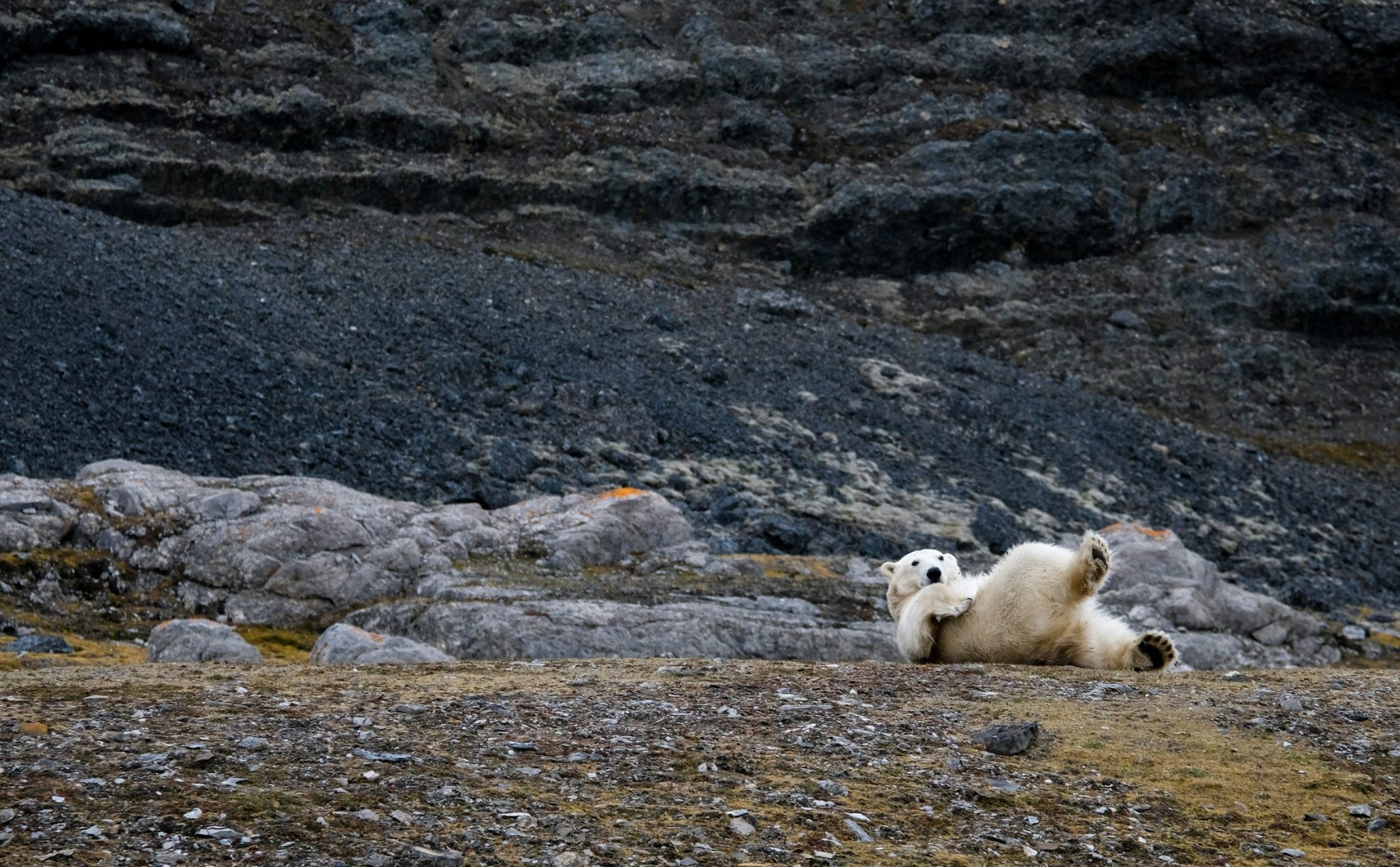
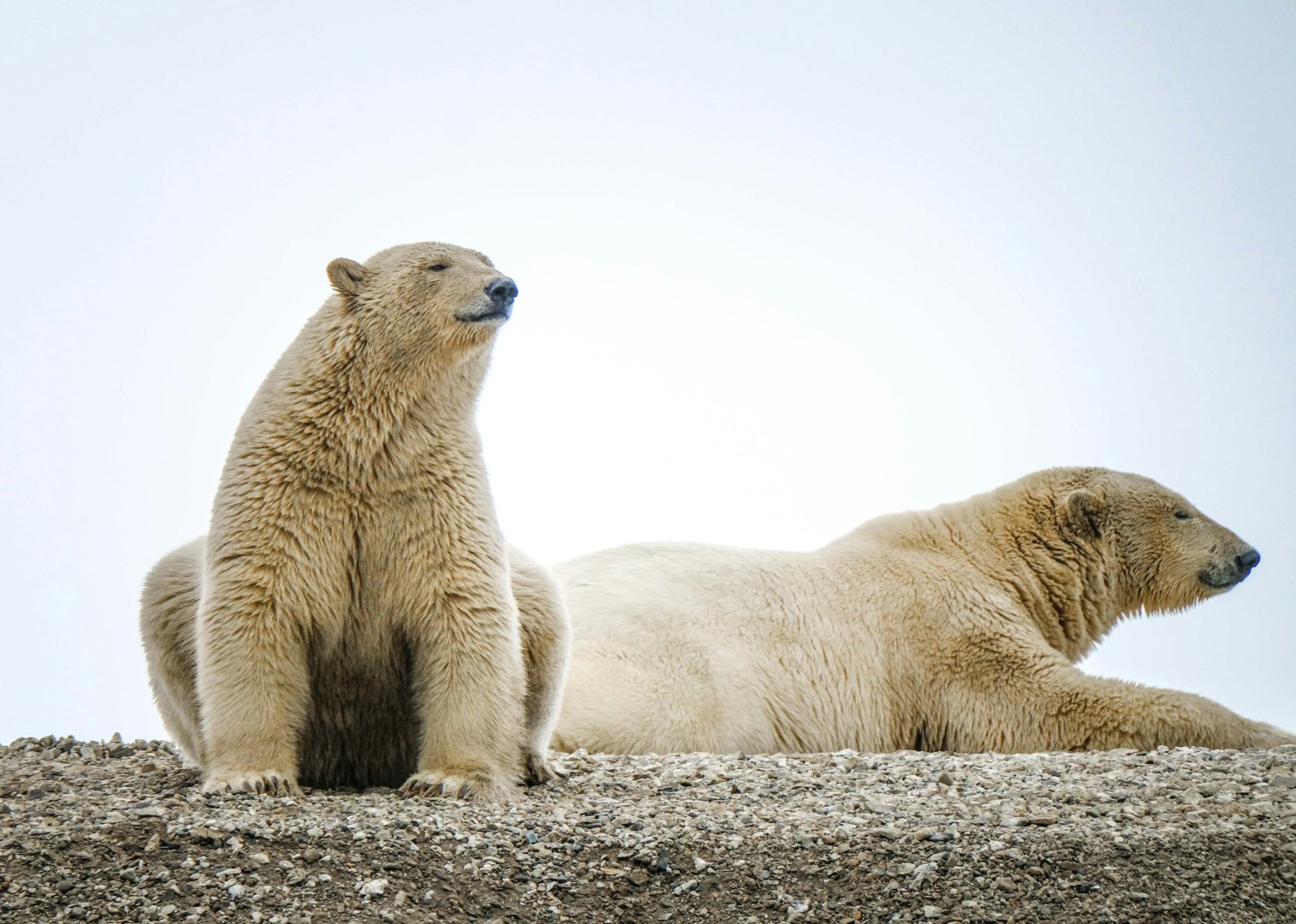
Polar Bears
Photo Credit: Photo by Francesco Ungaro on Unsplash
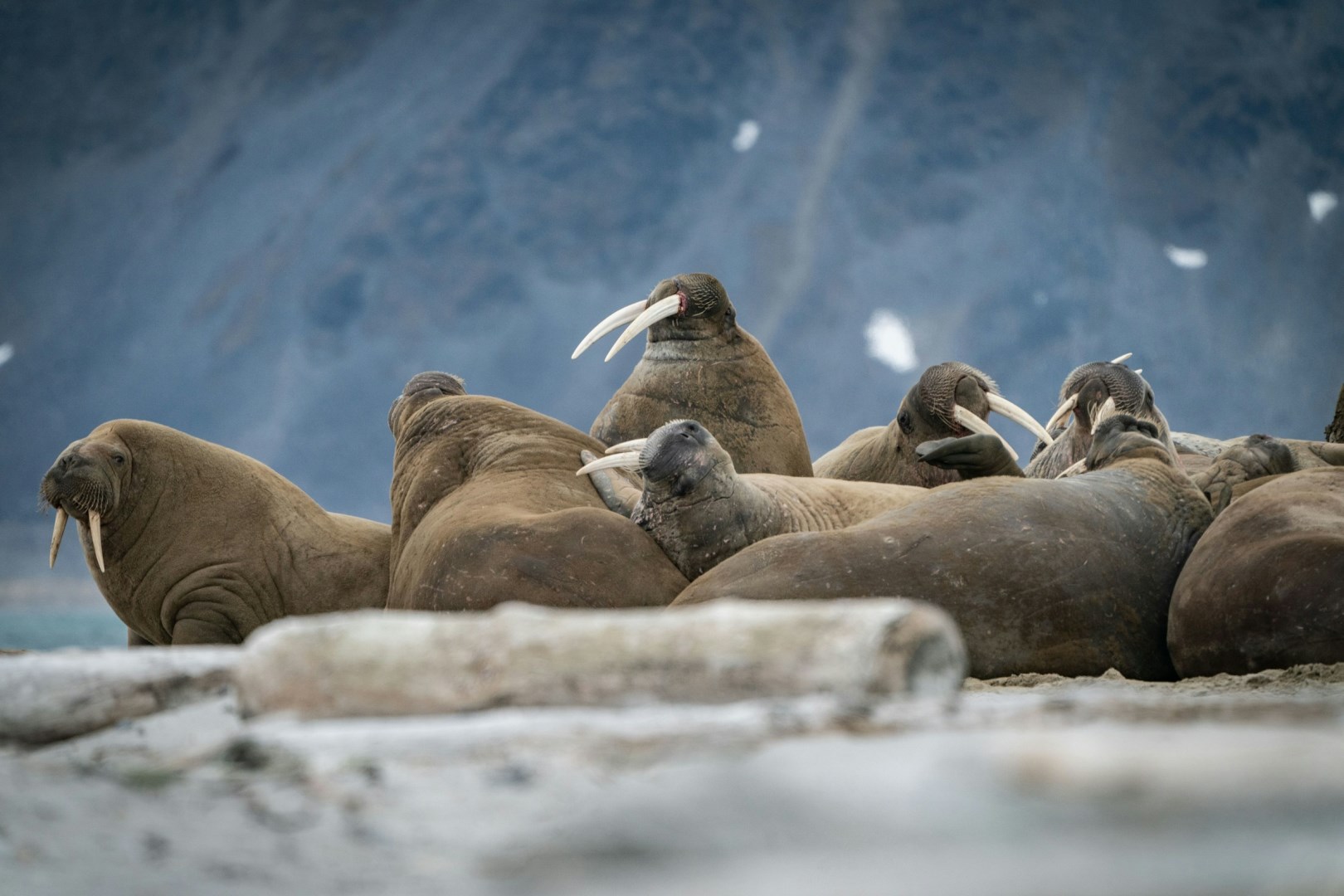
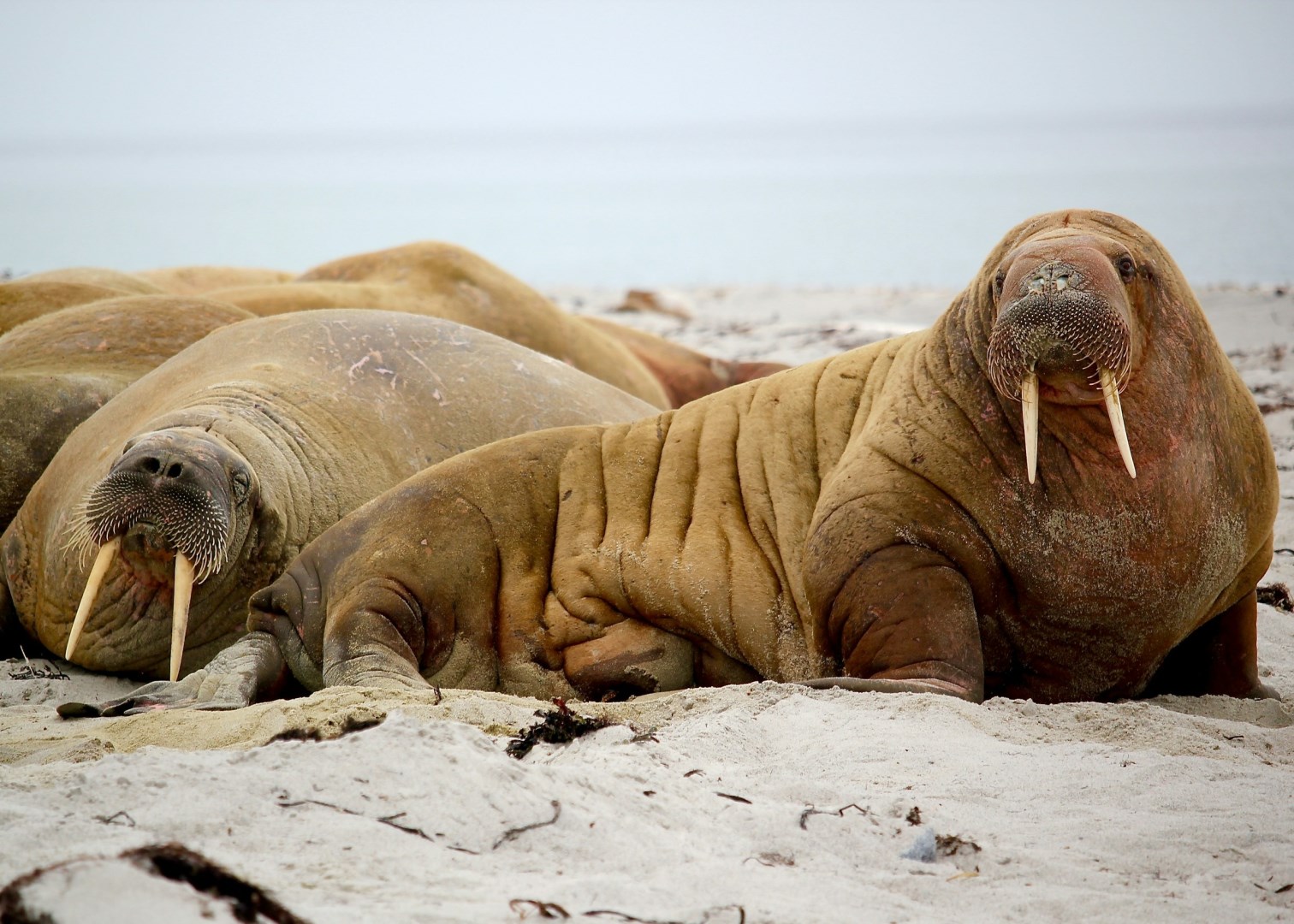
Walrus at Smeerenburgbreen
Photo Credit: Photo by Jay Ruzesky on Unsplash
Billefjorden
Photo Credit: Photo by Lloyd Woodham on Unsplash
Photo Credit: Photo by Daniel Fatnes on Unsplash
Photo Credit: Photo by Dylan Shaw on Unsplash
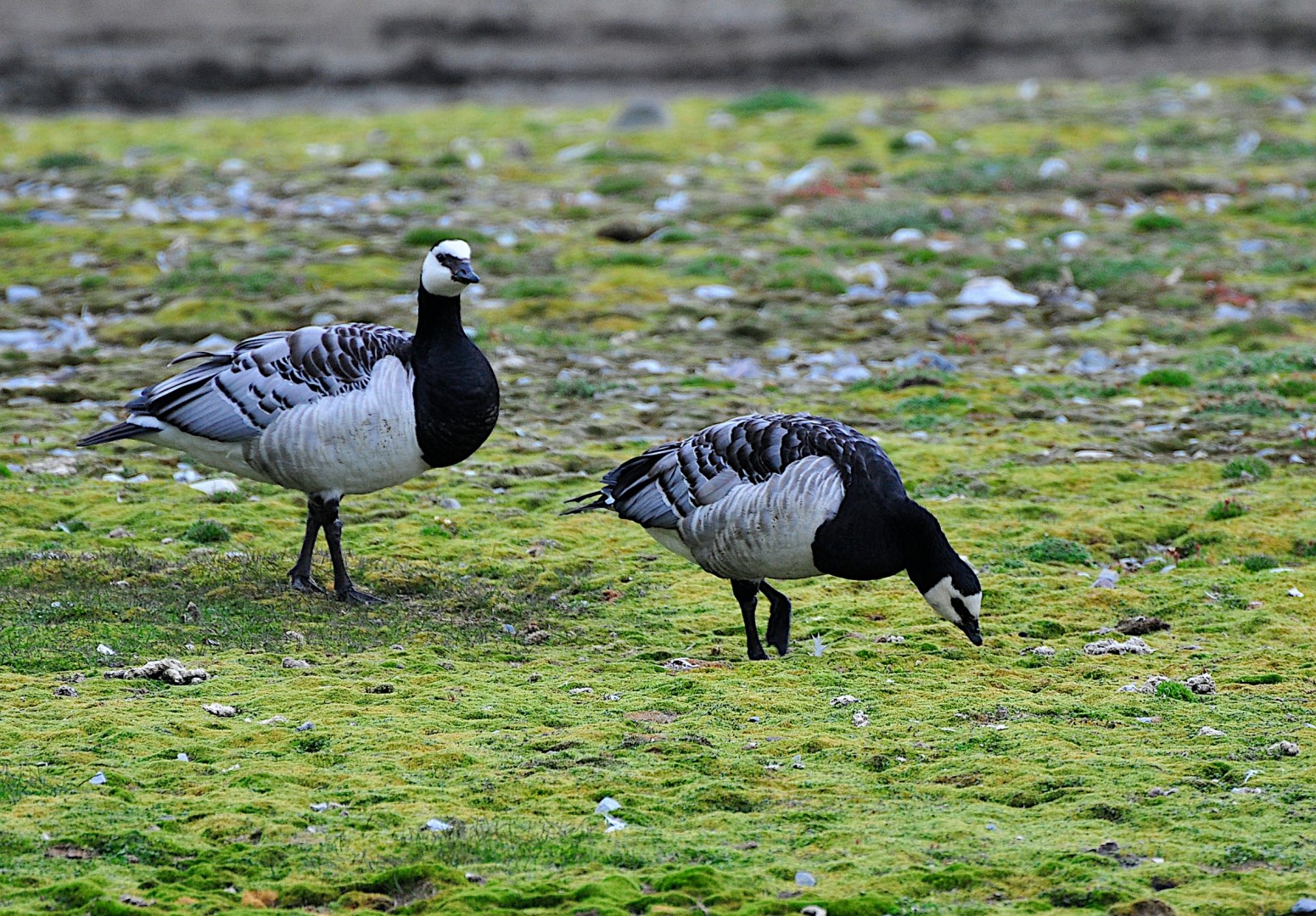
Barnacle goose
Photo Credit: Photo by Jacek Urbanski on Unsplash
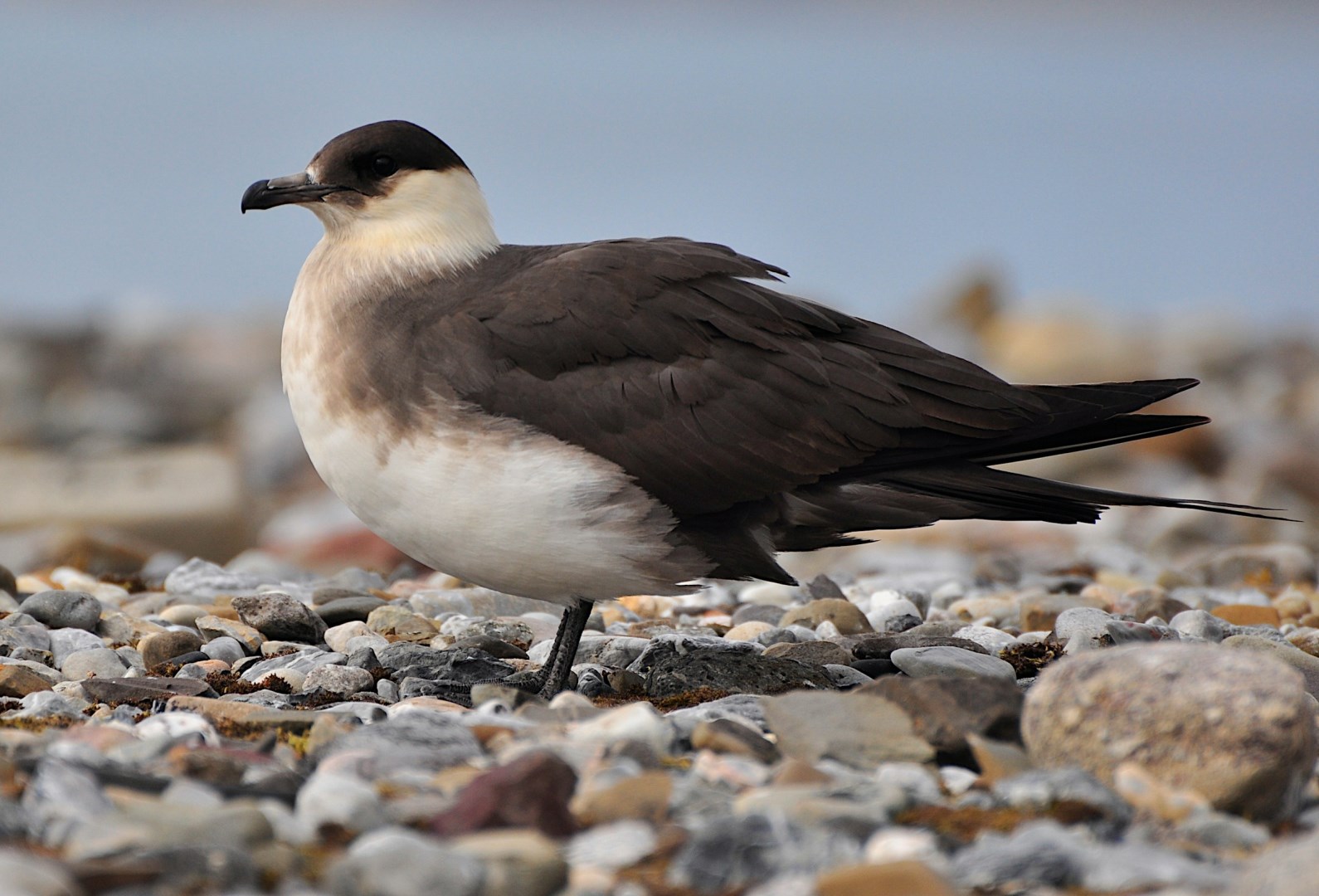
Arctic skua
Photo Credit: Photo by Jacek Urbanski on Unsplash
Photo Credit: Photo by Bob Brewer on Unsplash
Photo Credit: Photo by Chris Marquardt on Unsplash
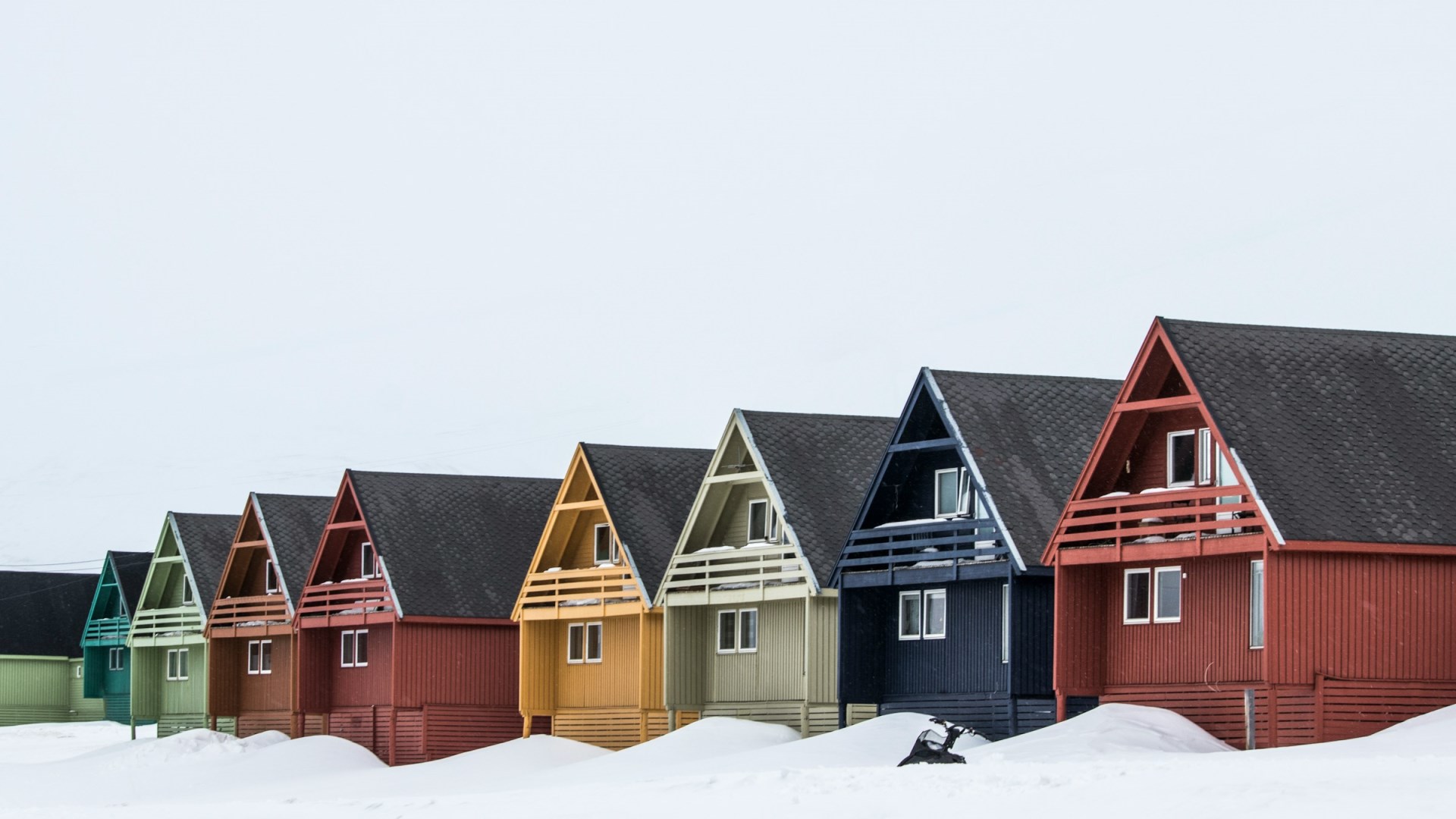
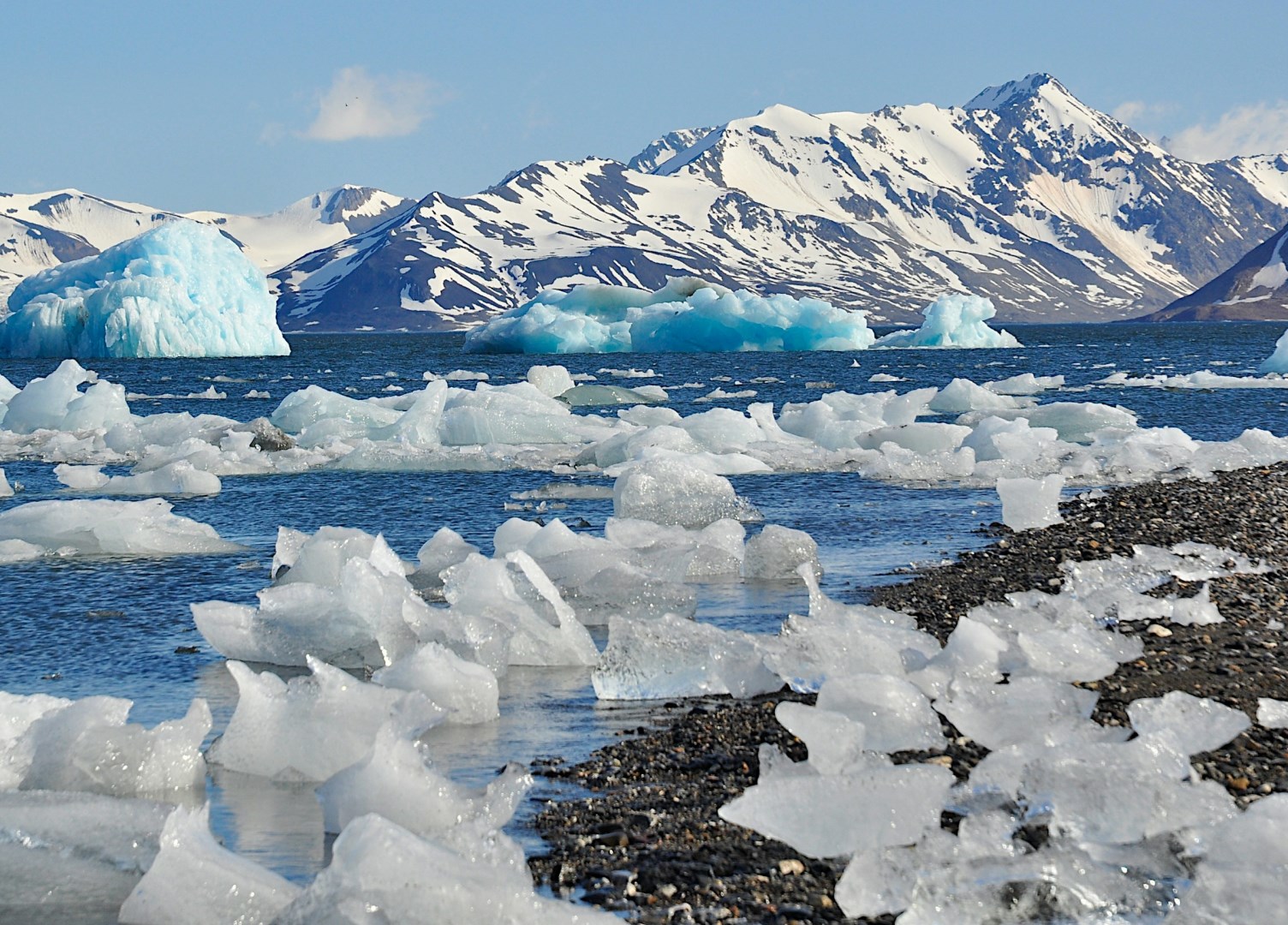
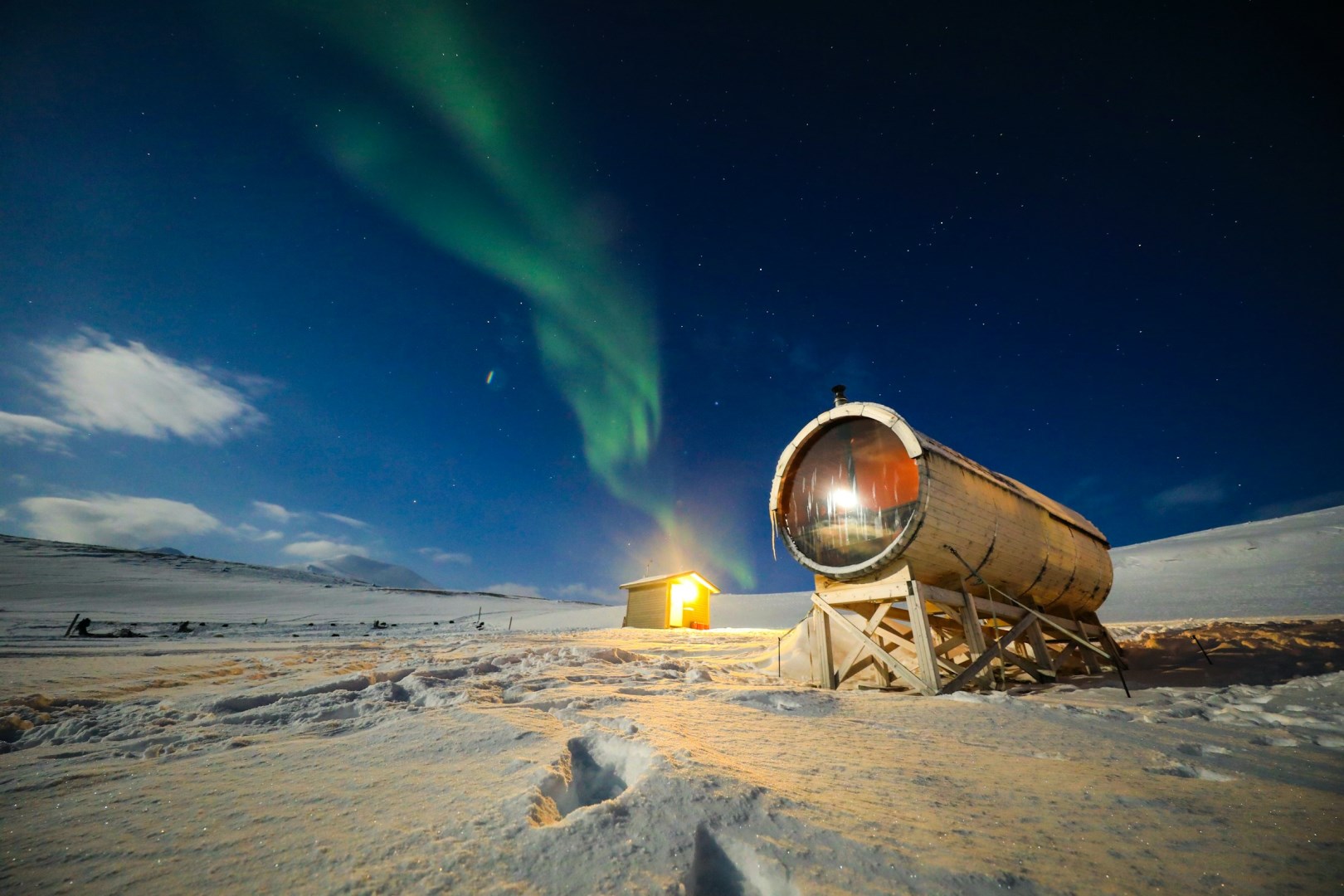
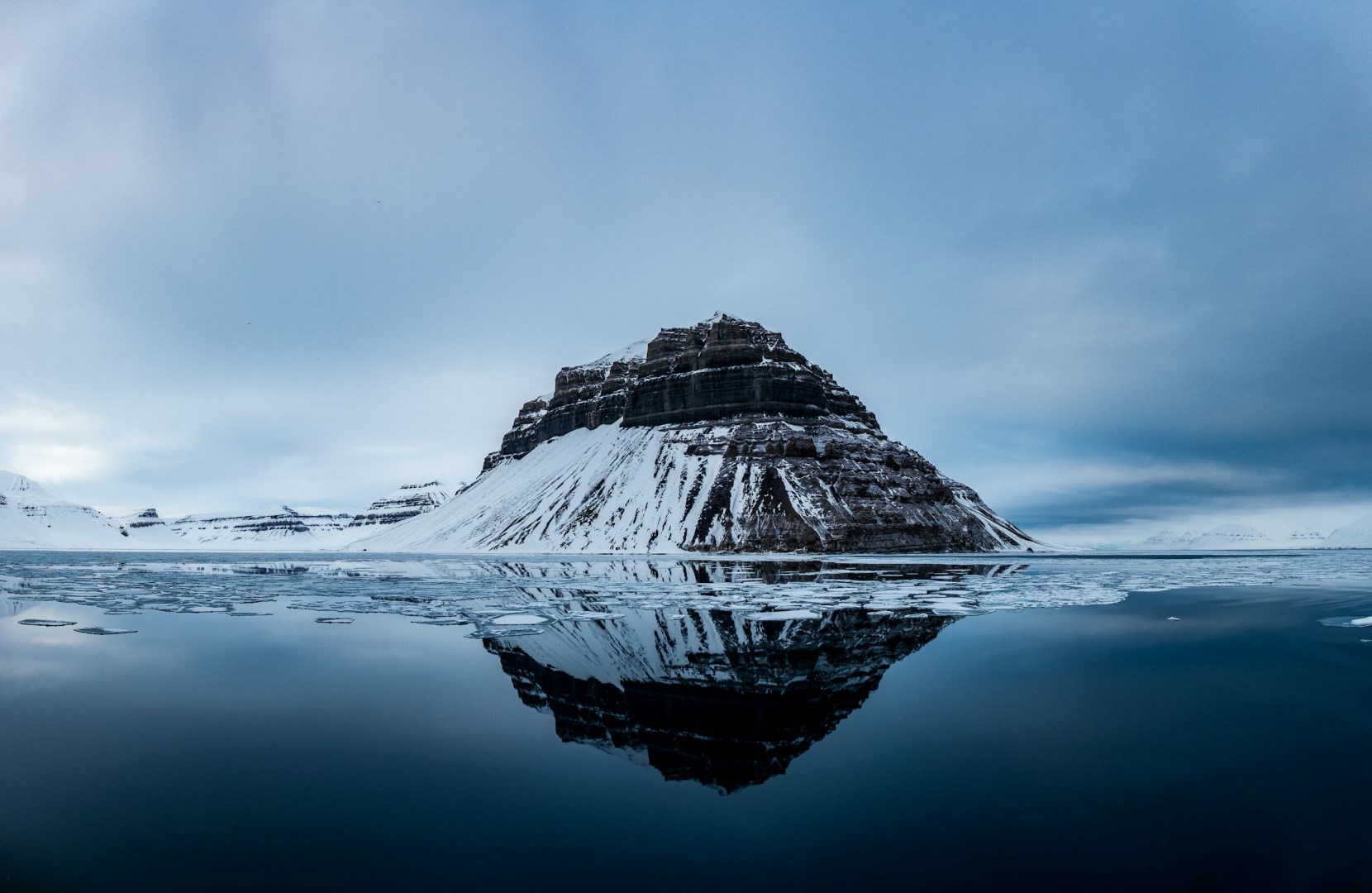
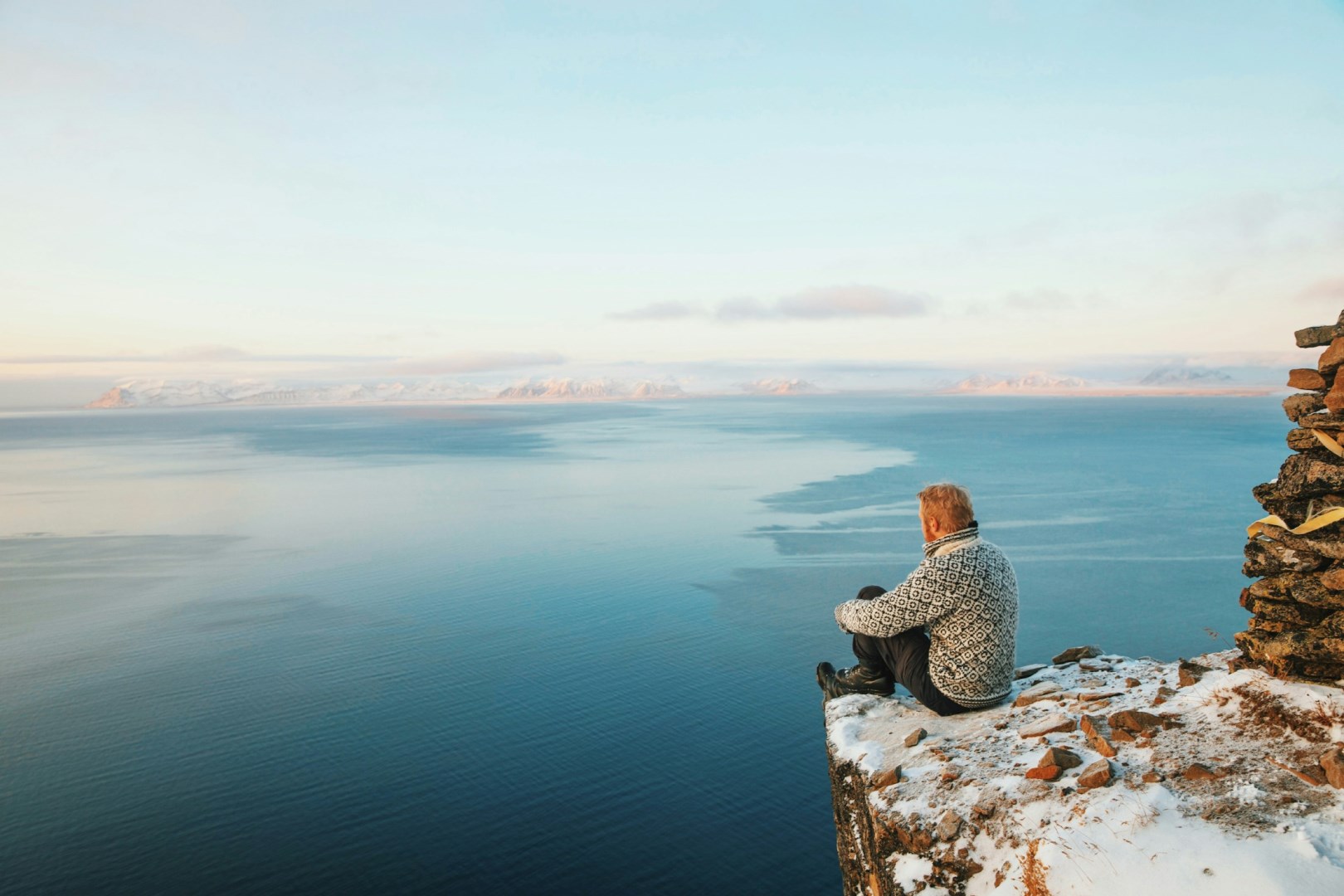
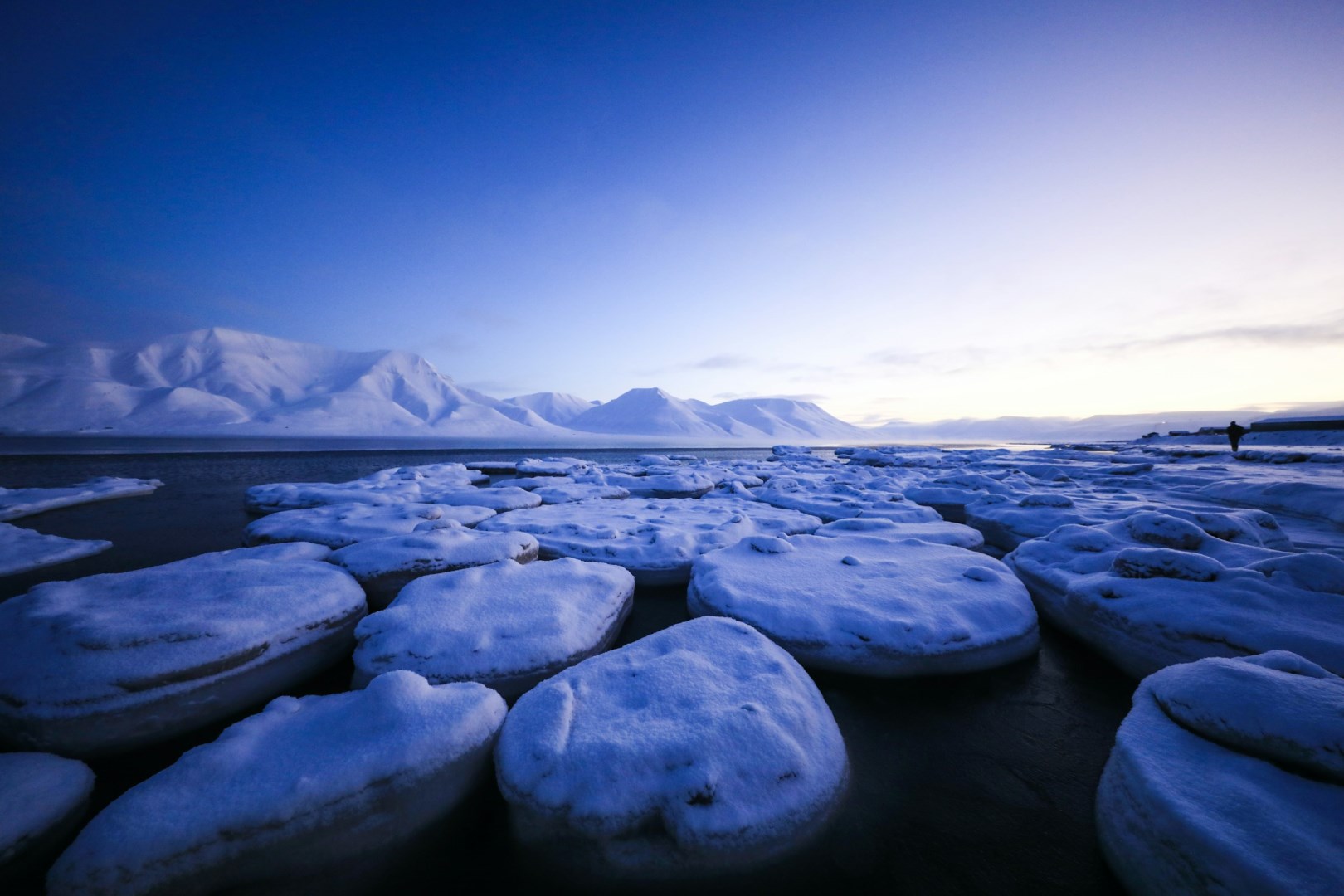
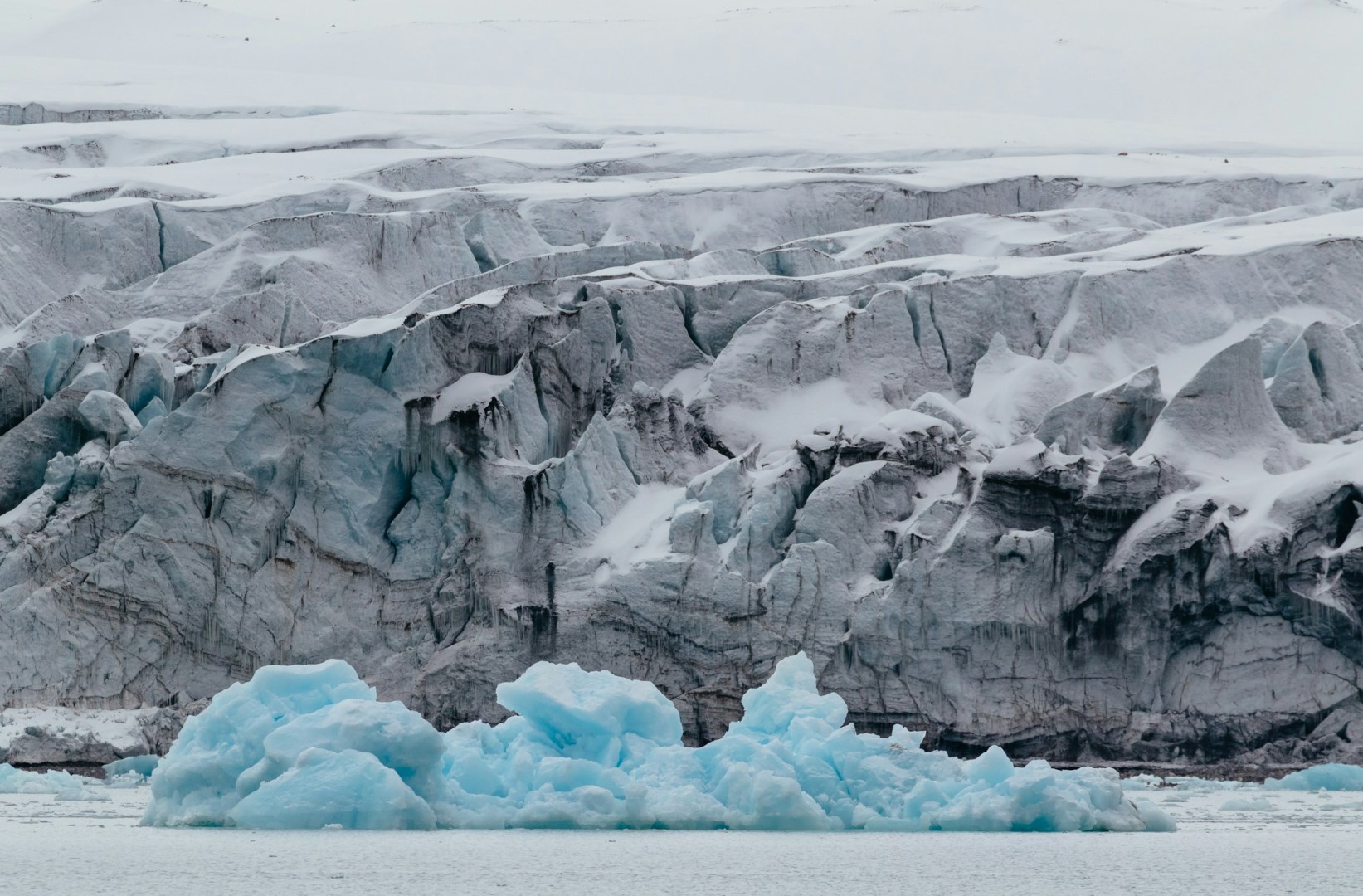
The remote and austerely beautiful Svalbard, a Norwegian archipelago, lies north of continental Norway in the Arctic Ocean, a mere 650 miles from the North Pole. A hub for Dutch, English, French, Norwegian, and Russian whalers between the 17th and 19th centuries, this collection of glacial islands officially joined the Kingdom of Norway in 1925 with the Svalbard Act and continues to be used in coal mining enterprises. Spitsbergen, the only permanently inhabited island in the Svalbard archipelago, and its largest settlement, Longyearbyen, have become popular stops for tourists, who often arrive on arctic cruises.
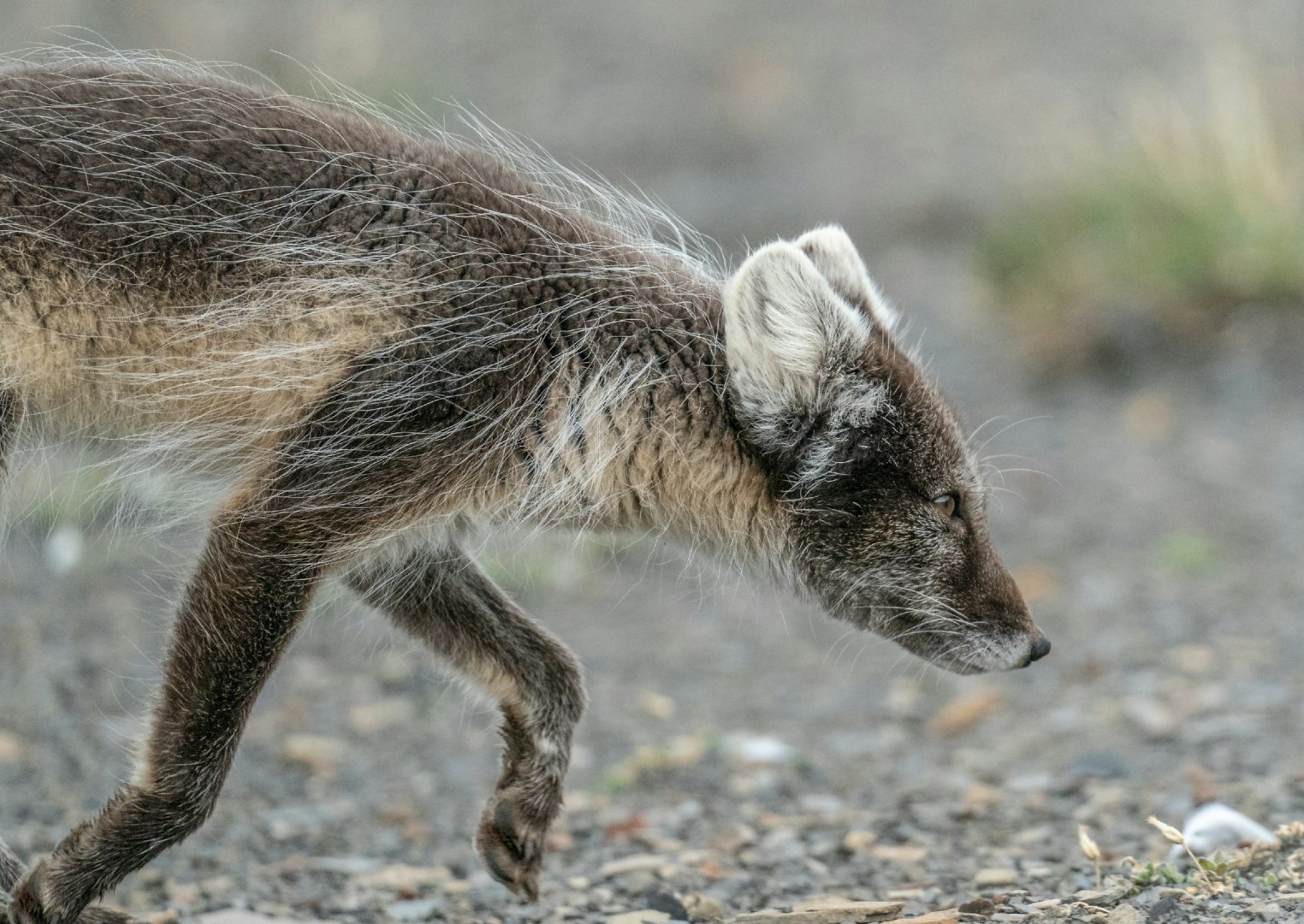

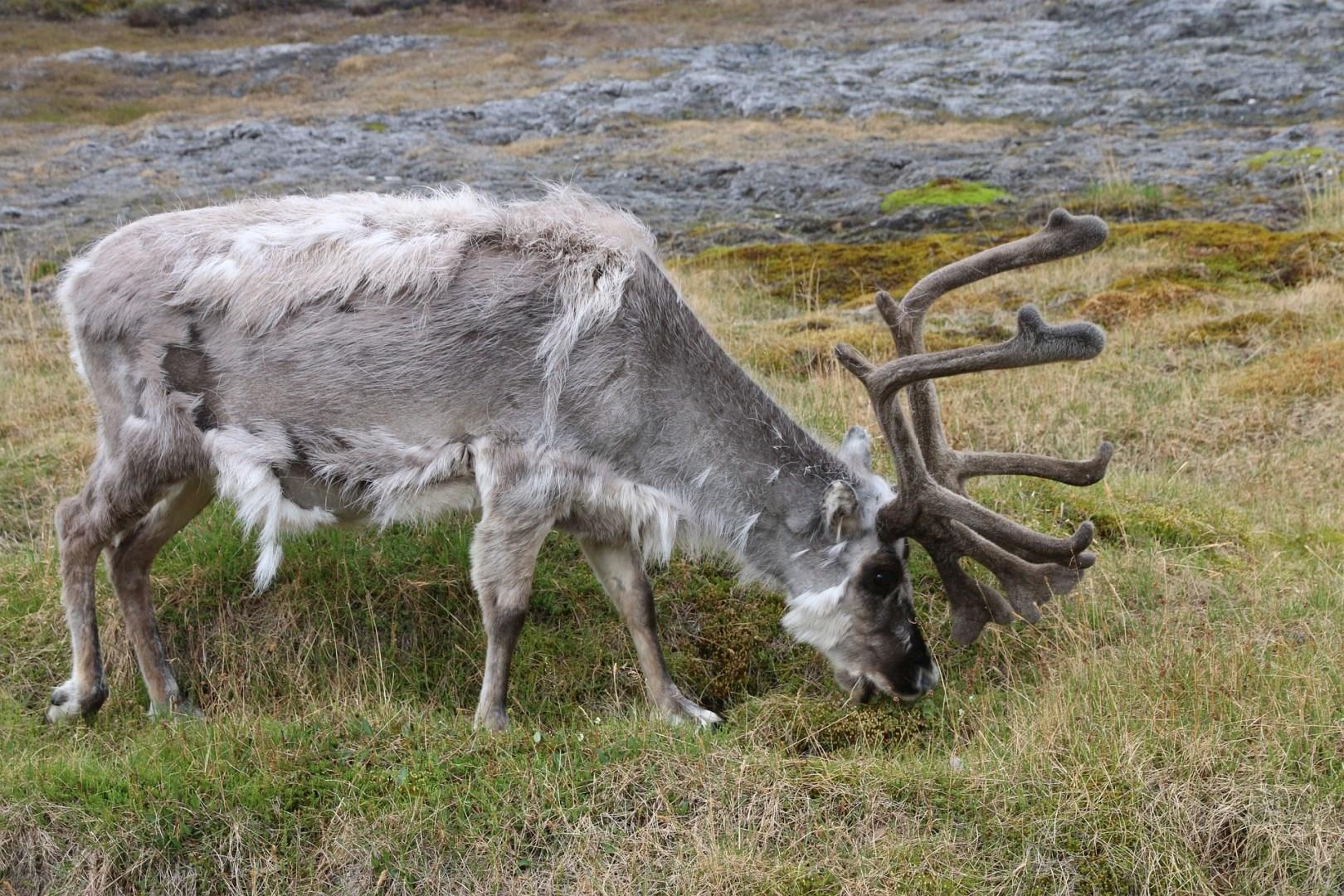
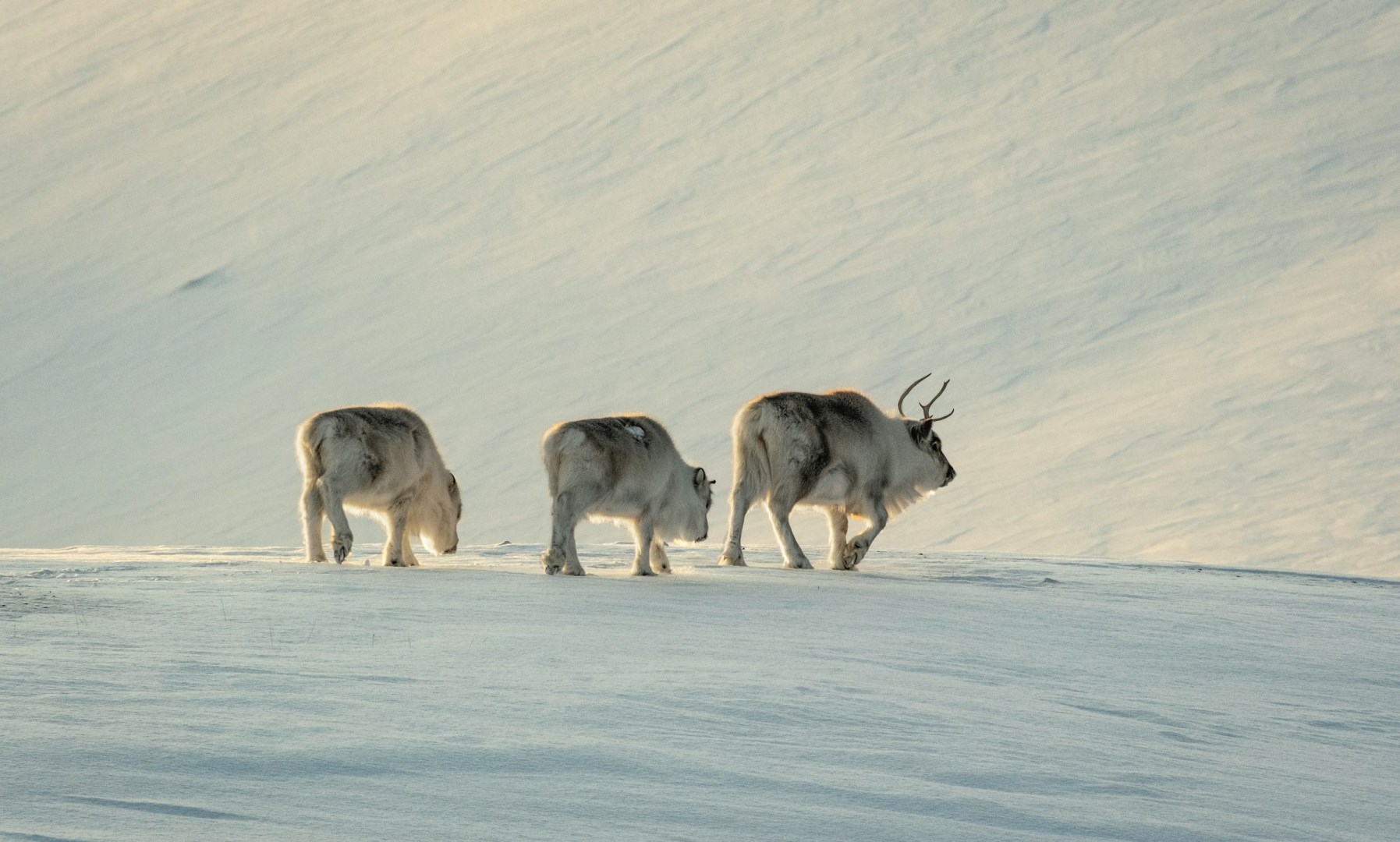
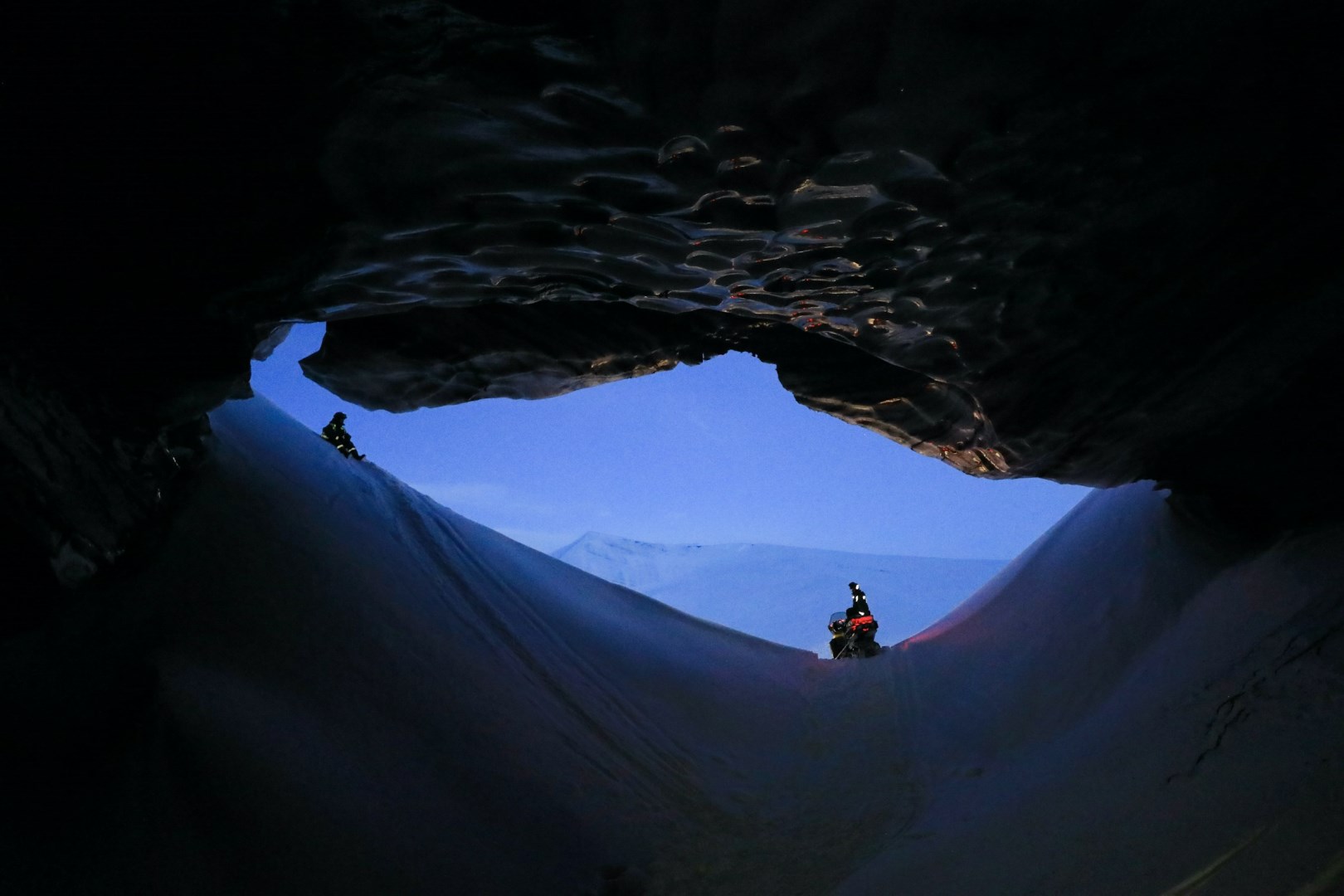
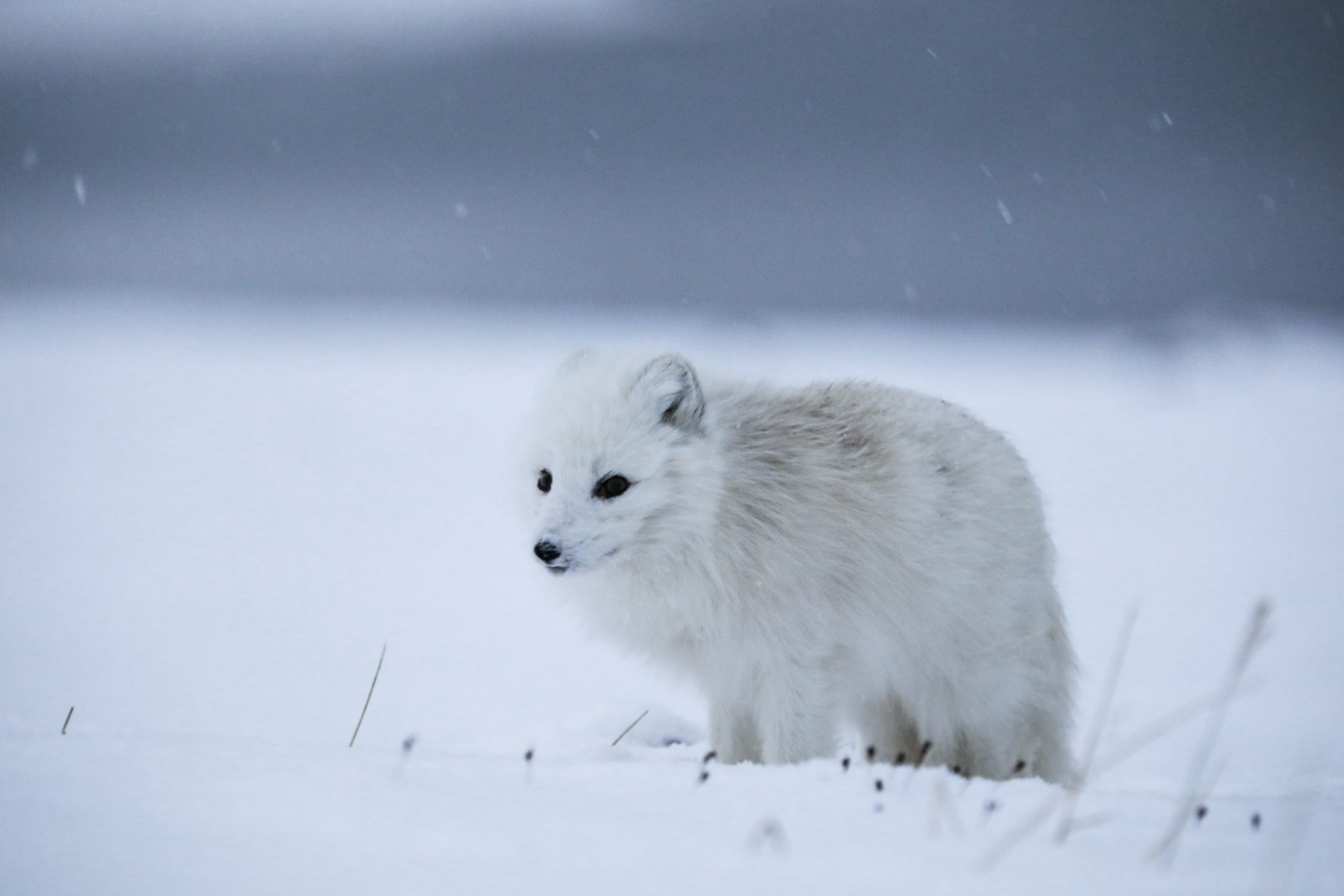
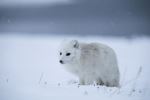
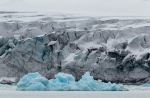
This mountainous archipelago offers magnificent views of stark white glaciers and snowfields, which cover a vast stretch of the region. Arctic flora and fauna fascinate; catch a glimpse of polar bears, reindeer, arctic foxes, and walruses amongst the mossy tundra and icy coasts. In the summer, visitors will witness the rare splendor of Svalbard’s midnight sun.
Other Popular Destinations in Norway
Bergen
Charming Bergen will sweep you away with its picturesque architecture and breathtaking natural beauty. Nestled between stunningly verdant mountains and the winding fjords of the North Sea, this scenic town will delight you at every turn.
Trondheim
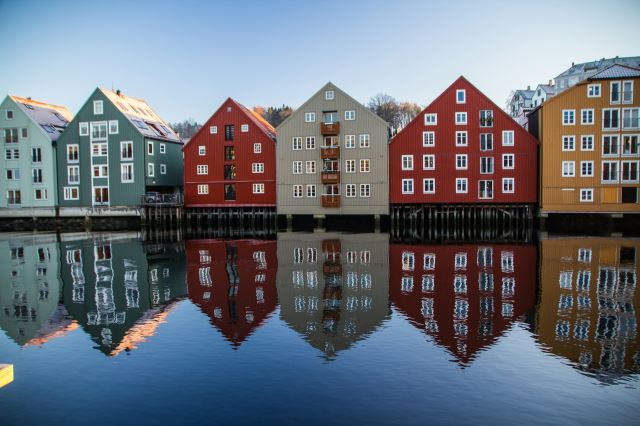
Nestled along the Trondheim Fjord in central Norway, Trondheim offers a captivating blend of rich history and vibrant modern life. As Norway’s first capital, Trondheim boasts a legacy that includes the striking Nidaros Cathedral, an iconic landmark whose construction began in the 11th century.