Vaavu Atoll
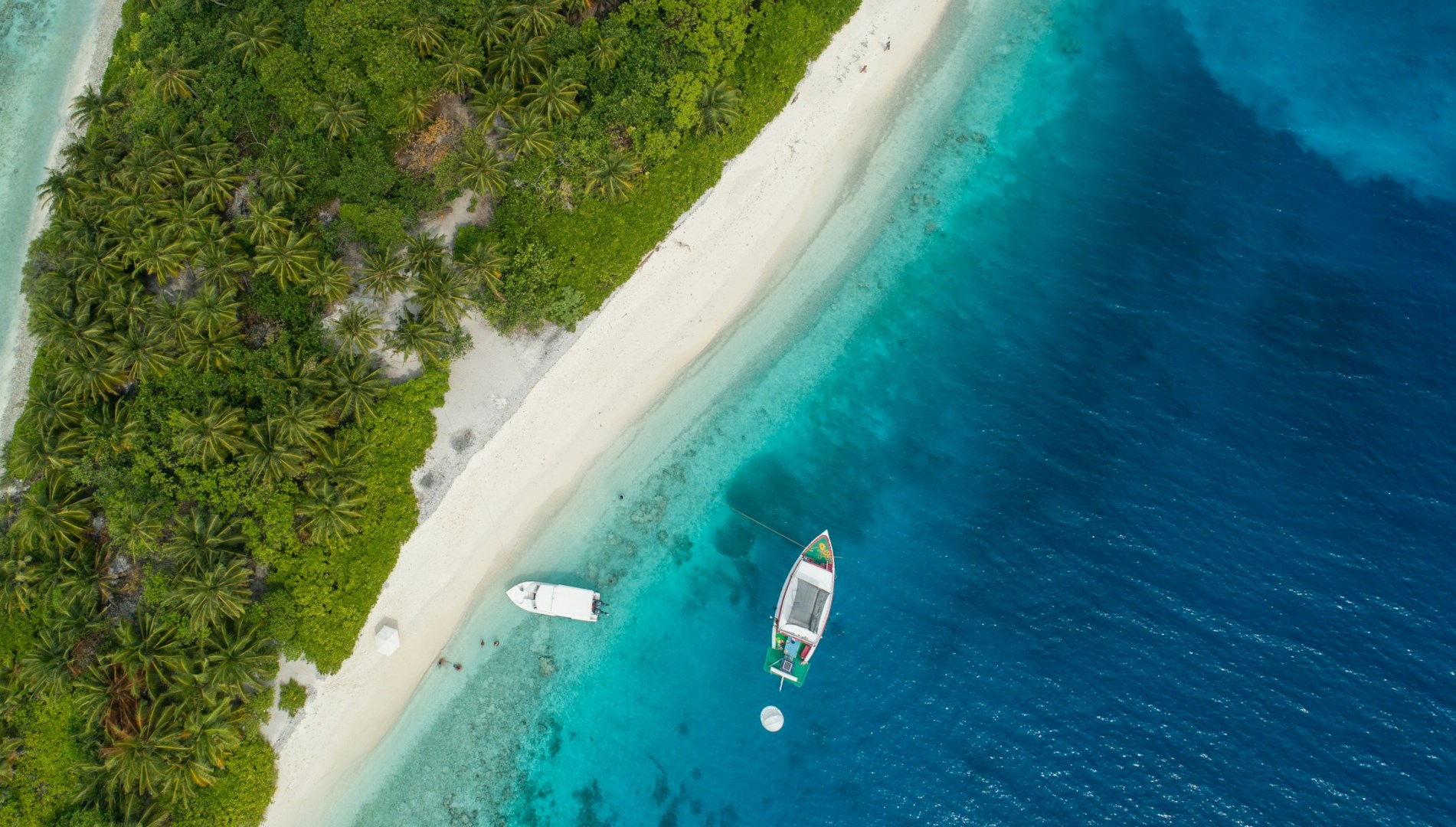
Vaavu Atoll lies south of Malé and is known for its relatively small population, numerous uninhabited islands, clear lagoons, and extensive coral reefs. Felidhoo is the administrative capital, while Thinadhoo, Keyodhoo, and Fulidhoo are among the better-known inhabited islands. The atoll has a quieter character than the more developed areas closer to the capital, with guesthouses, fishing communities, and resorts spread across separate islands.
Twin Falls
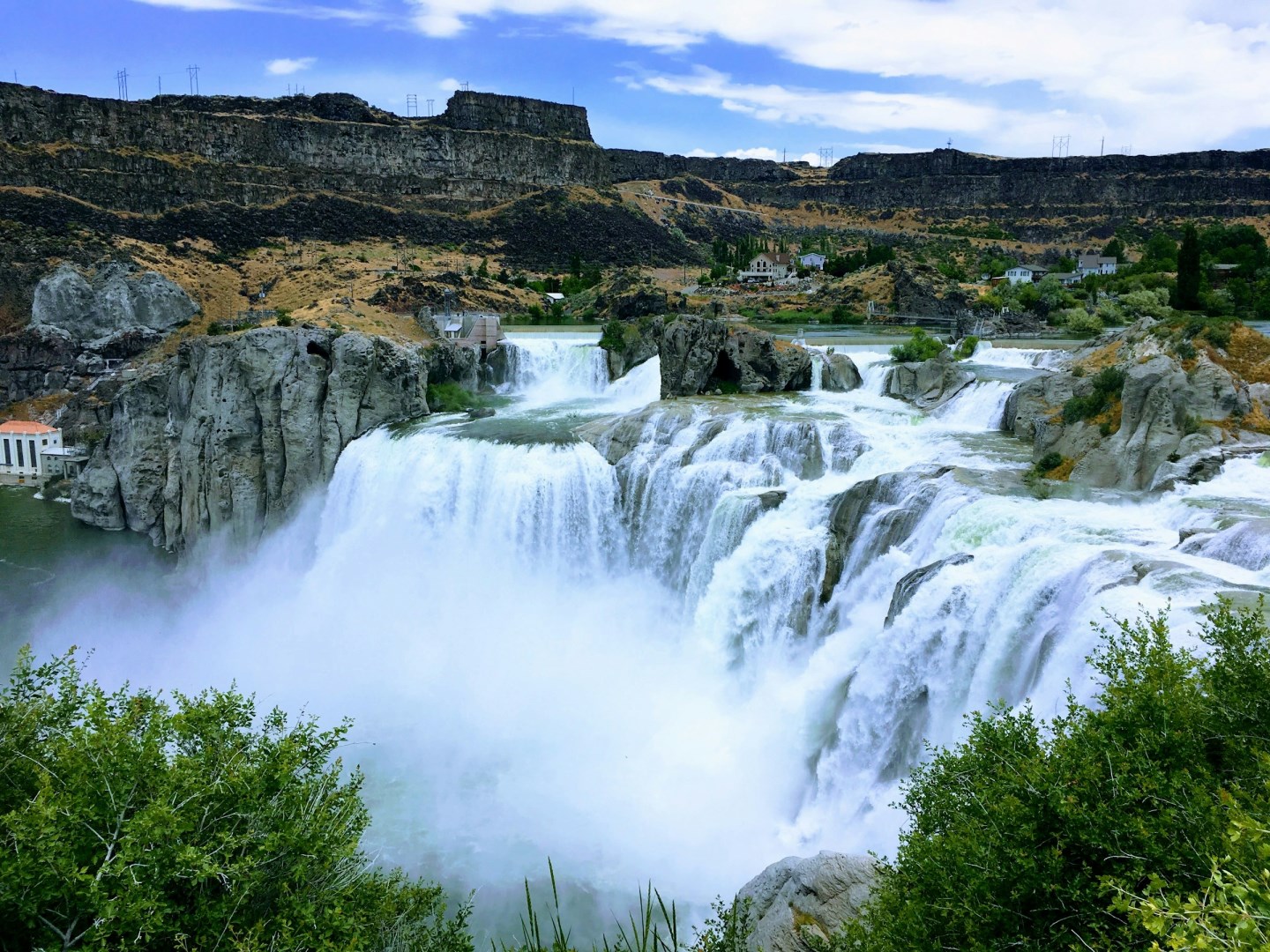
Twin Falls is a city in southern Idaho overlooking the Snake River Canyon, where the Snake River has cut through the surrounding basalt landscape. The city serves as a regional center for the Magic Valley and is known for its access to canyon viewpoints, waterfalls, farmland, and river recreation. The Perrine Bridge crosses the canyon at the northern edge of the city and is a prominent local landmark.
Elbe River
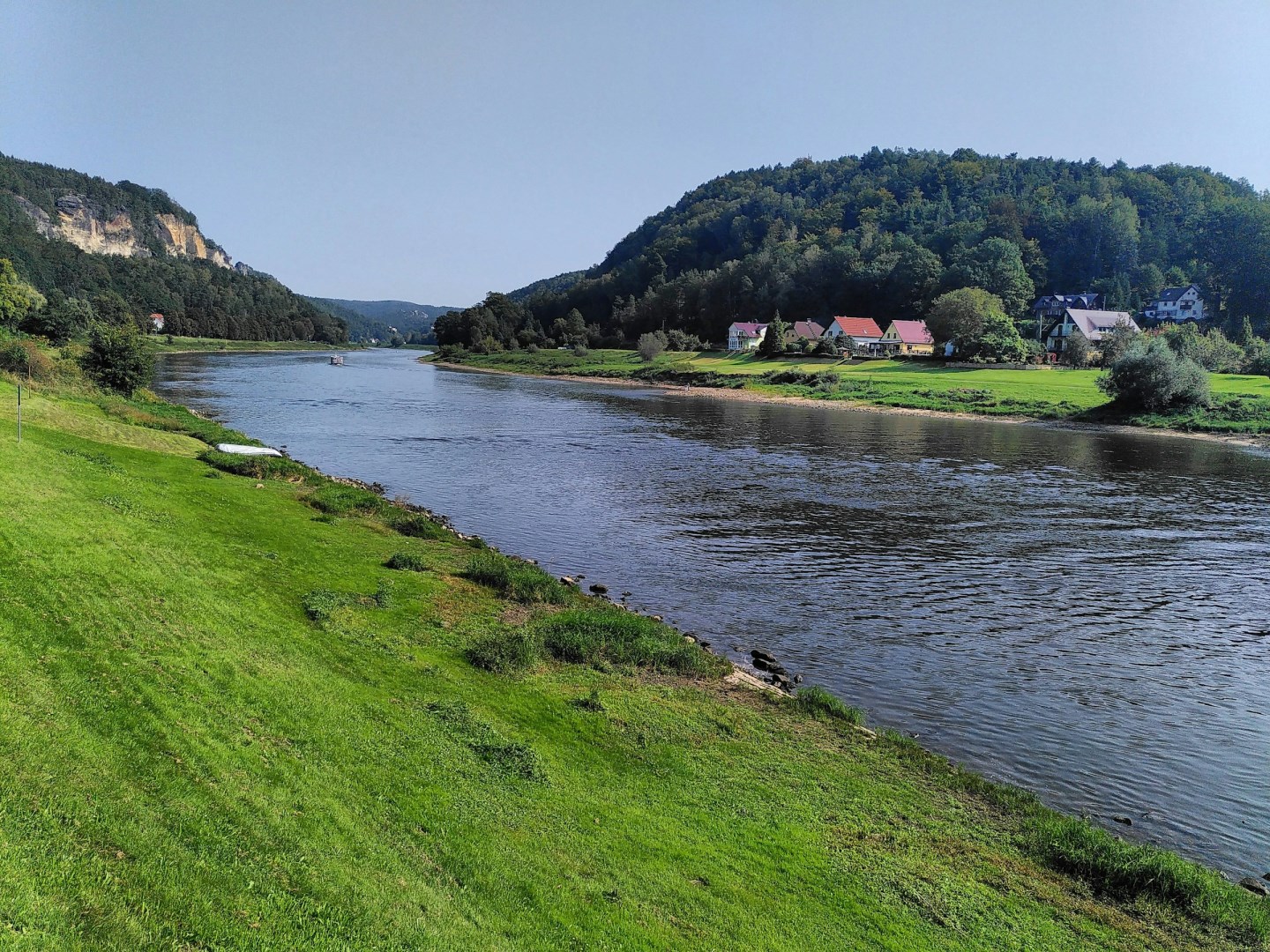
The Elbe is one of the Central Europe's greatest rivers, rising in the northern Czech Republic, traversing through Bohemia and Germany, and flowing into the North Sea not far from Hamburg. The river and its route have been largely untouched, so wildlife visibly abounds along its wetlands and wooded regions. Other scenery includes terraced vineyards and charming wine villages.
Ifrane
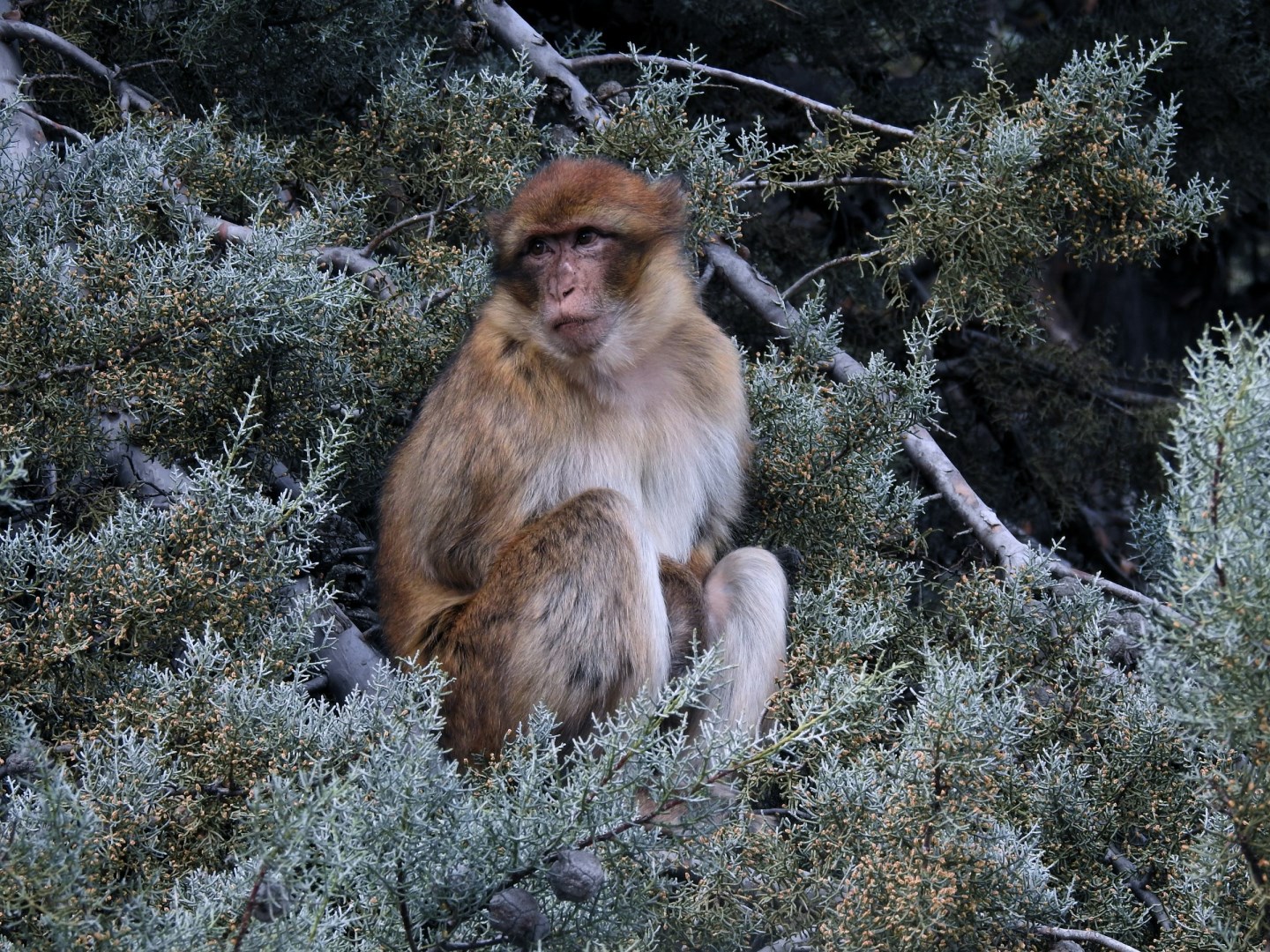
Ifrane is a mountain city in Morocco’s Middle Atlas, set at about 1,650 metres above sea level between Fez and Meknes. Its high elevation gives it a cooler climate than many Moroccan cities, with regular winter snowfall and mild summers.
Chaguaramas
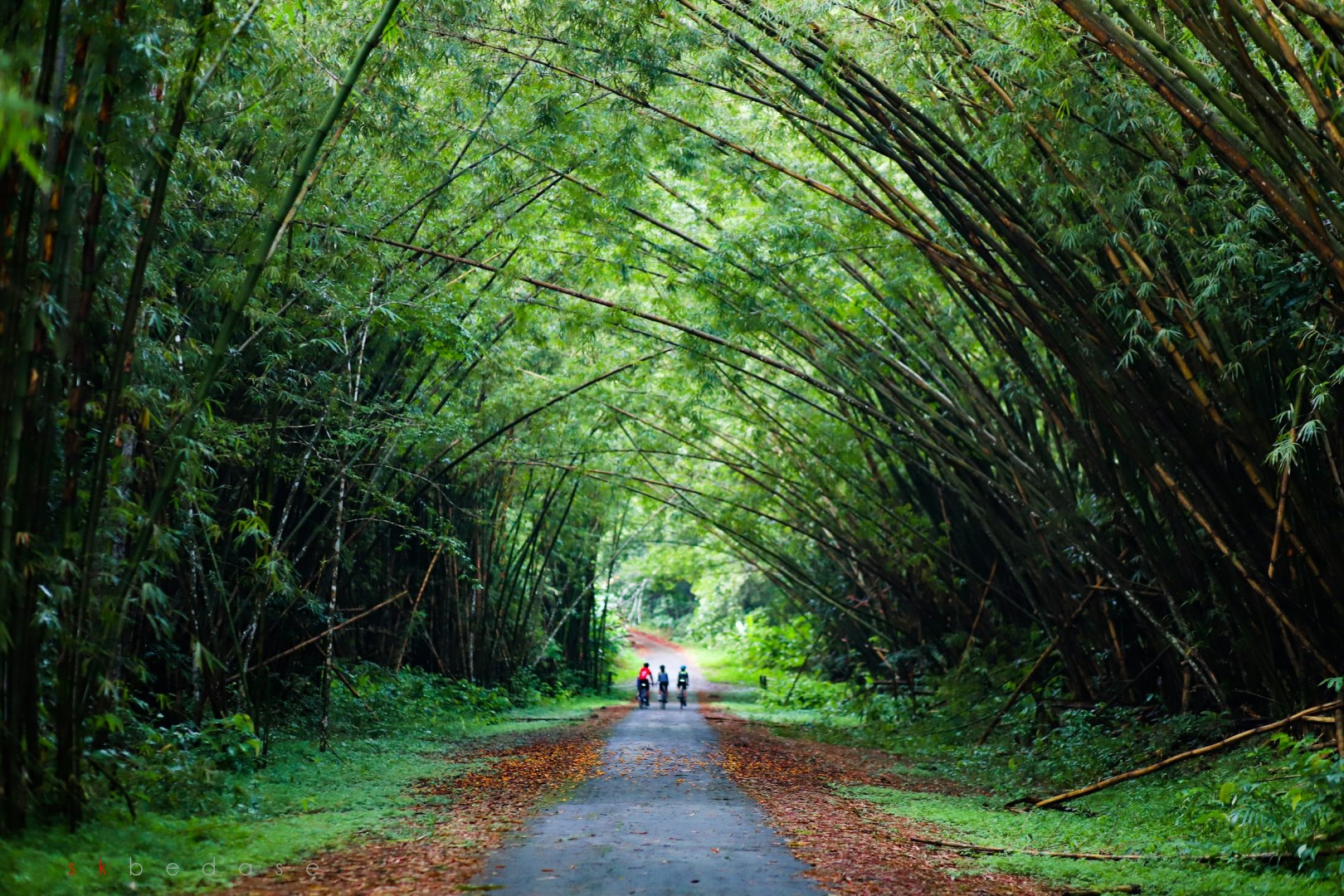
Chaguaramas is a coastal area on the northwestern peninsula of Trinidad, extending along the Gulf of Paria toward the Bocas del Dragon. The peninsula combines forested hills, sheltered bays, marinas, beaches, and offshore islands, creating a landscape that differs from the more urban areas around Port of Spain.