Rabida Island
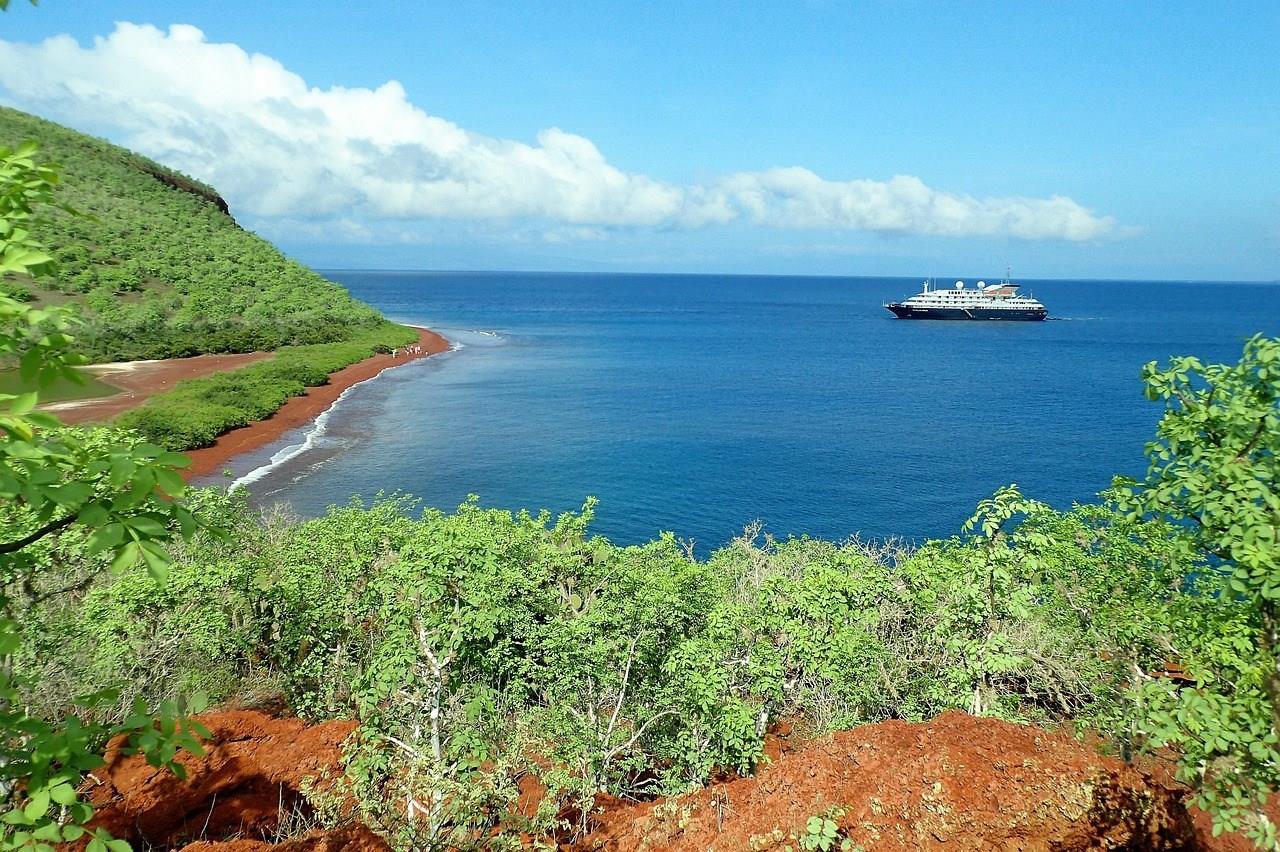
Rábida Island is one of the most visually striking islands in the Galápagos, known for its deep red volcanic shoreline and quiet, unspoiled atmosphere. Located near the center of the archipelago, the island is geologically young, with iron-rich lava giving its beaches a dramatic rust-colored hue.
Jersey
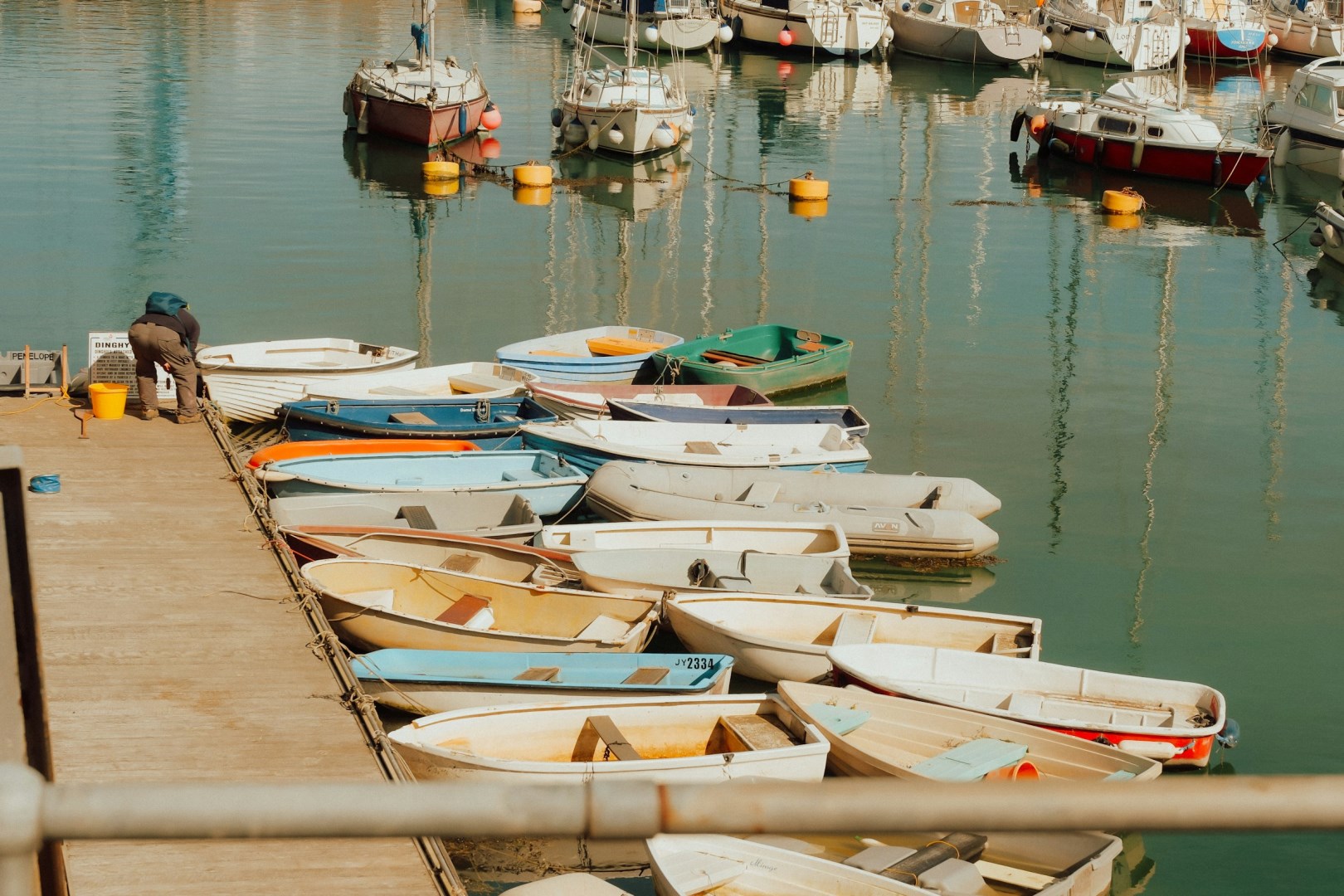
Jersey, the largest of the Channel Islands, is a destination that offers a unique blend of British and French influences, reflected in its history, language, and cuisine. Its strategic location between England and France has shaped centuries of cultural exchange and resilience, especially evident in sites like Mont Orgueil Castle. The island’s coastline features dramatic cliffs, hidden coves, and wide sandy beaches.
Beaver Creek
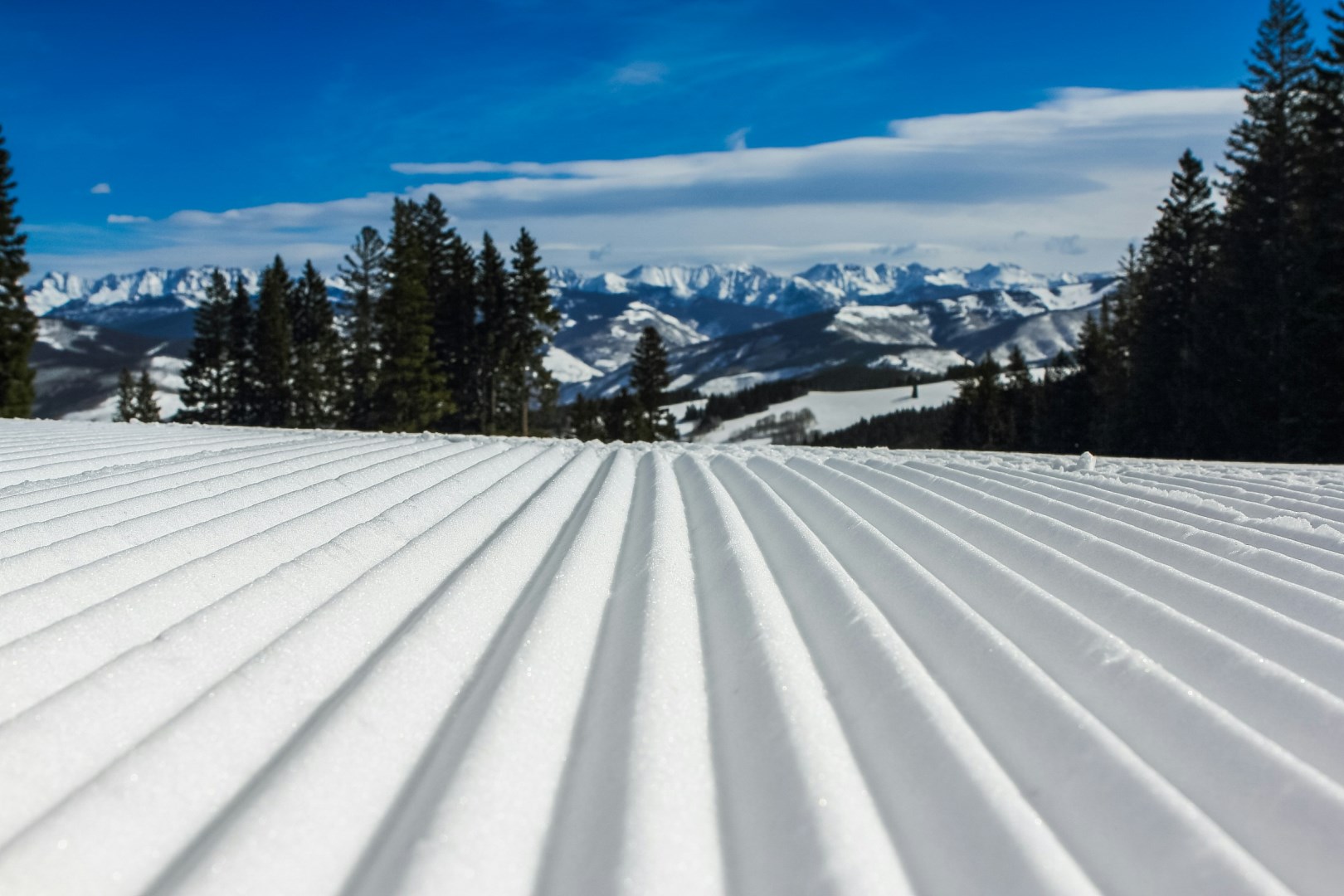
Beaver Creek is a mountain resort community in Eagle County, Colorado, set in the Gore Range of the central Rocky Mountains. The developed area sits among spruce and fir forests above the Eagle River Valley, with high peaks and alpine terrain surrounding the resort. Beaver Creek Resort is the community’s defining feature, providing year-round facilities for skiing, hiking, mountain biking, and other outdoor activities.
Lagoa do Fogo
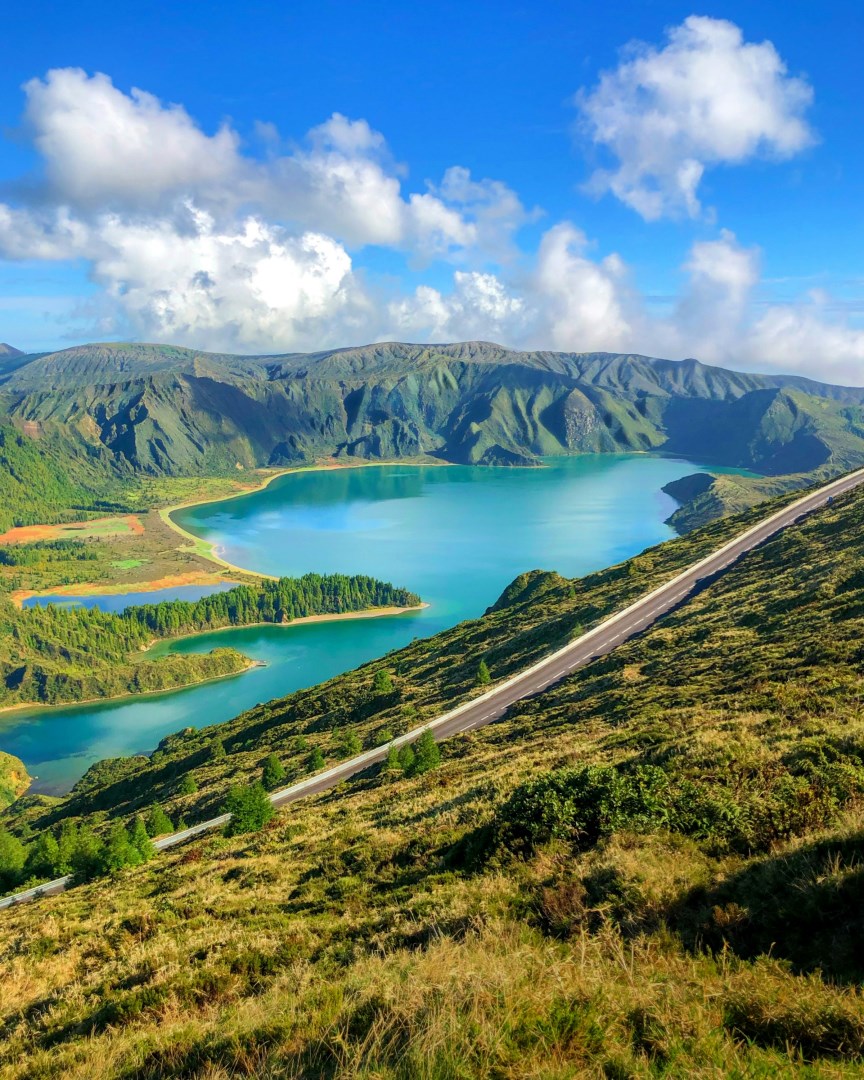
Lagoa do Fogo is a volcanic crater lake on São Miguel Island in Portugal’s Azores archipelago. Set within a protected landscape in the island’s central highlands, the lake occupies a large caldera surrounded by steep slopes covered with native vegetation. Its remote setting and undeveloped shoreline distinguish it from the more settled areas of São Miguel.
Dinosaur Provincial Park
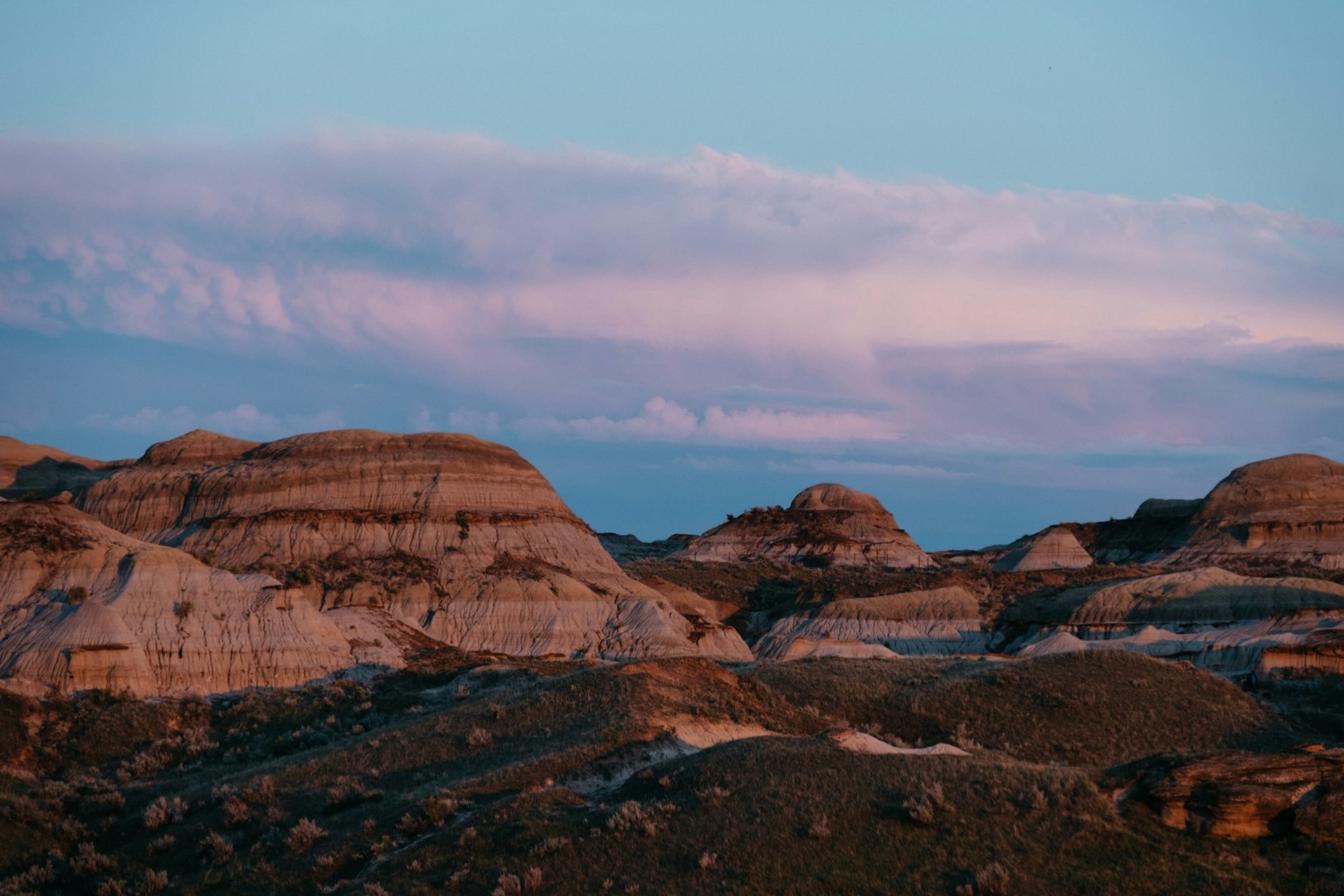
Dinosaur Provincial Park lies in the badlands of southeastern Alberta, along the Red Deer River. The park is recognized as a UNESCO World Heritage Site for both its geological landscape and its exceptional fossil record. Its dry valleys, eroded cliffs, hoodoos, and exposed rock layers reveal sediments from the Late Cretaceous period, when the region supported a very different ecosystem.