Përmet
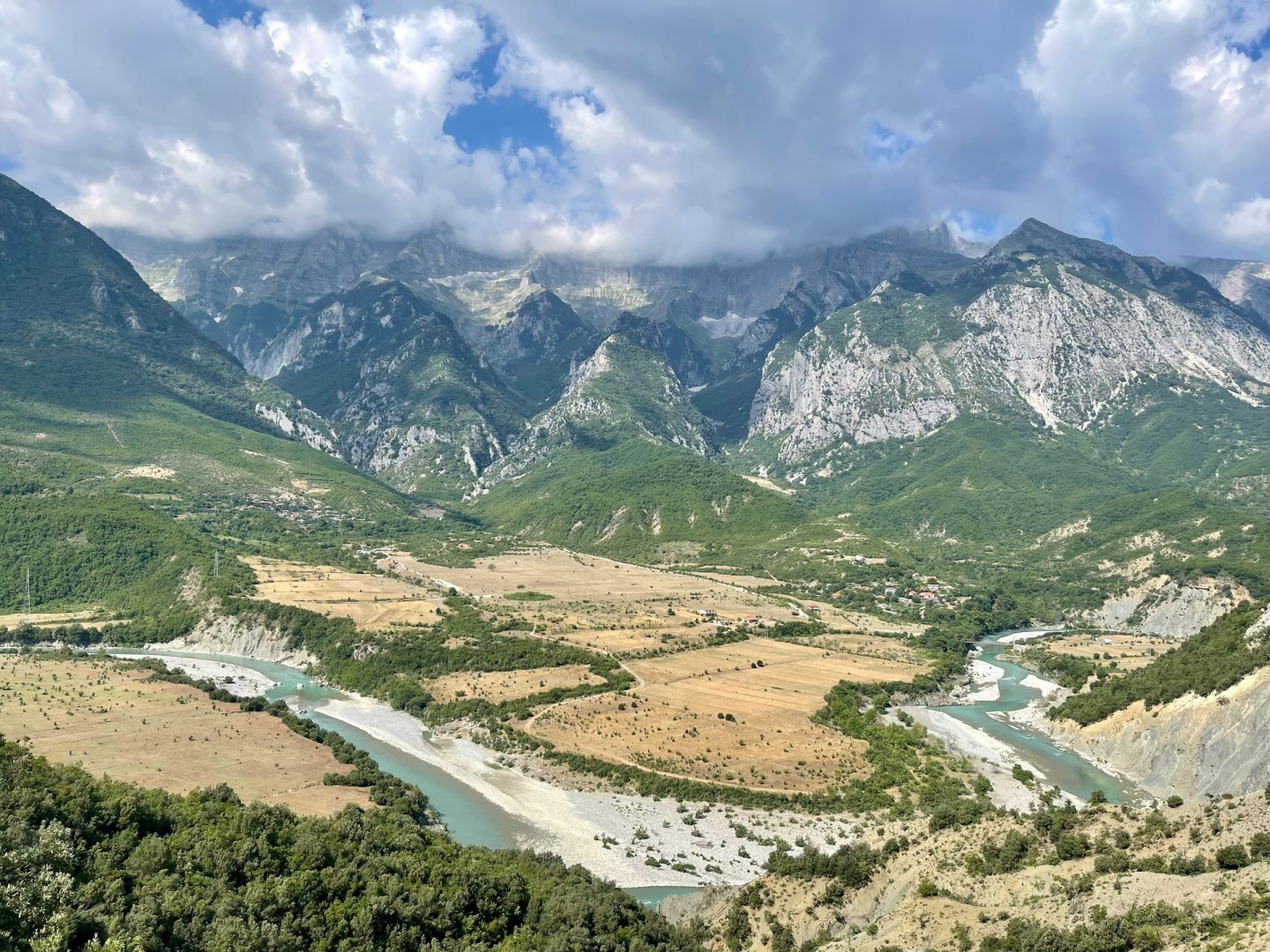
Përmet is a small town in southeastern Albania, situated in the Vjosa River valley between the Dangëlli and Trebeshinë mountain ranges. Often known as the “City of Roses,” it is surrounded by forested hills, river landscapes, and agricultural land. The town's position near the Vjosa and its tributaries gives the area a strong connection to water and mountain environments. Përmet is also a base for exploring nearby thermal springs, canyons, protected forests, and rural villages.
Saint-Pierre
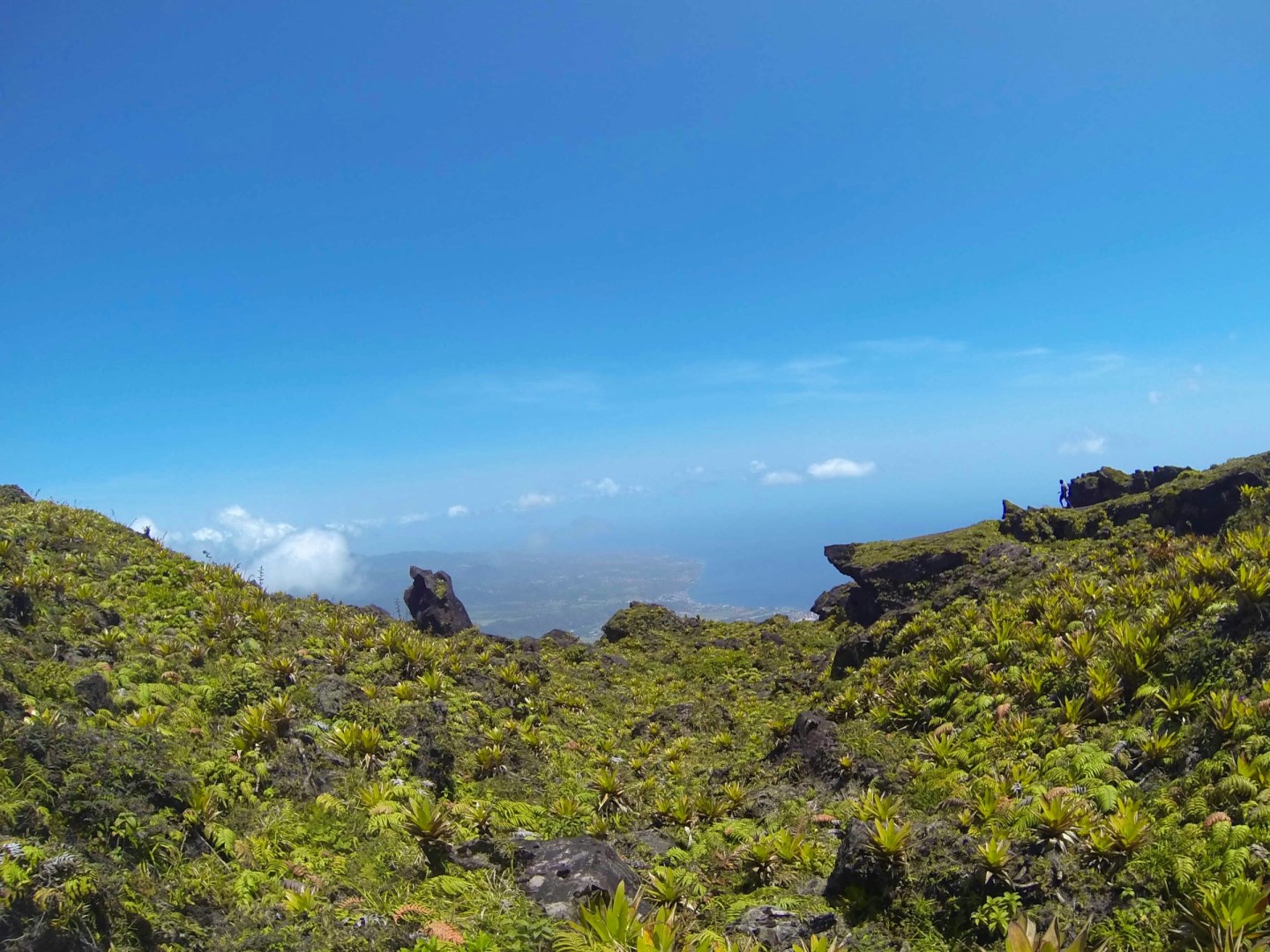
Saint-Pierre is a historic coastal town in northern Martinique, set between the Caribbean Sea and the slopes of Mount Pelée. Once the island’s principal port and commercial centre, the town was destroyed by the volcano’s eruption and later rebuilt around surviving ruins and archaeological remains. Today, Saint-Pierre is recognized as a Town of Art and History, with a landscape that combines the sea, volcanic mountain, historic streets, and remnants of the former city.
Chichén Itzá
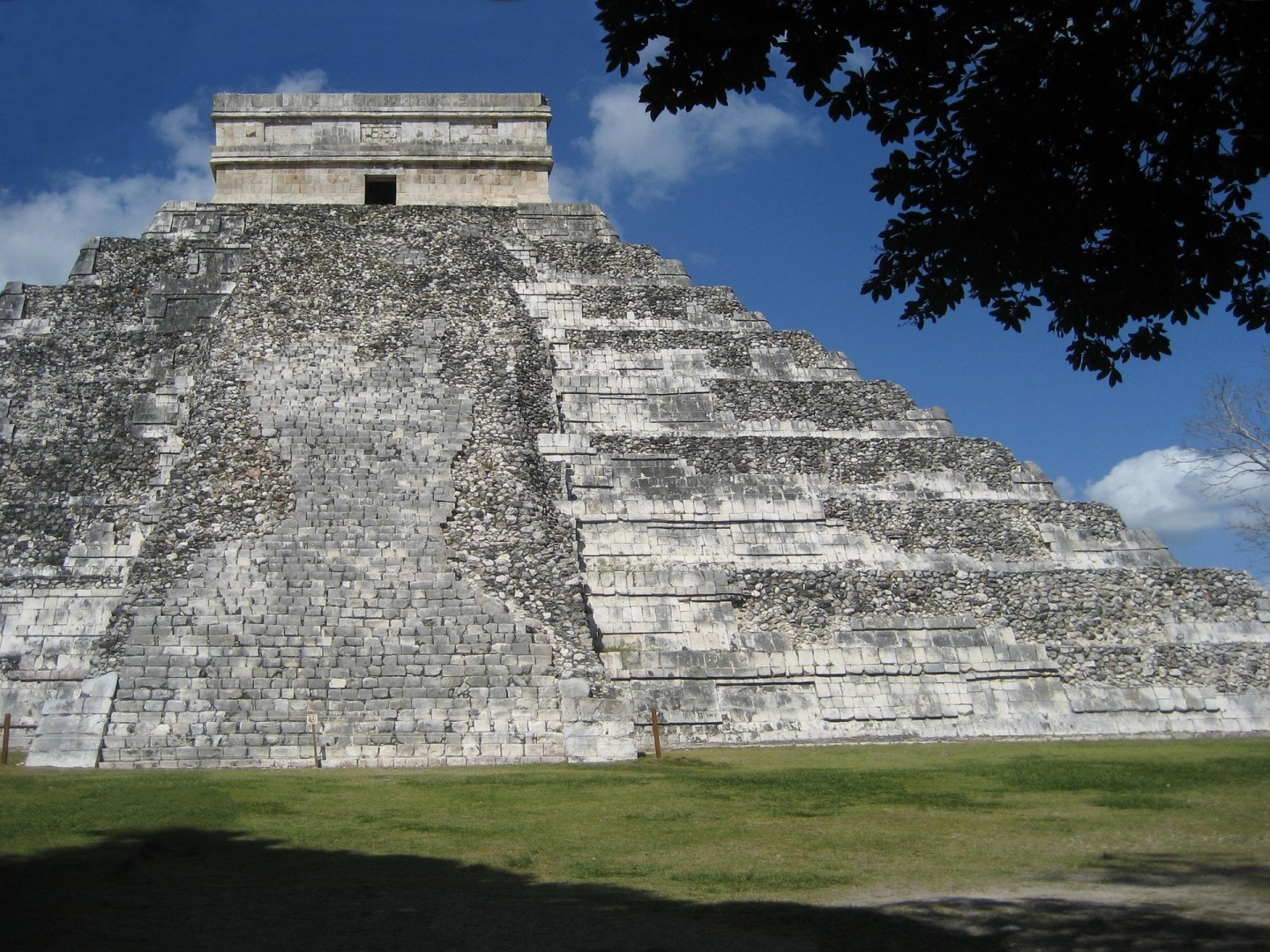
Located on the Yucatan Peninsula of Mexico, Chichen Itza is the site a well preserved Mayan ruins, including several large pyramid structures and more.
Taitung
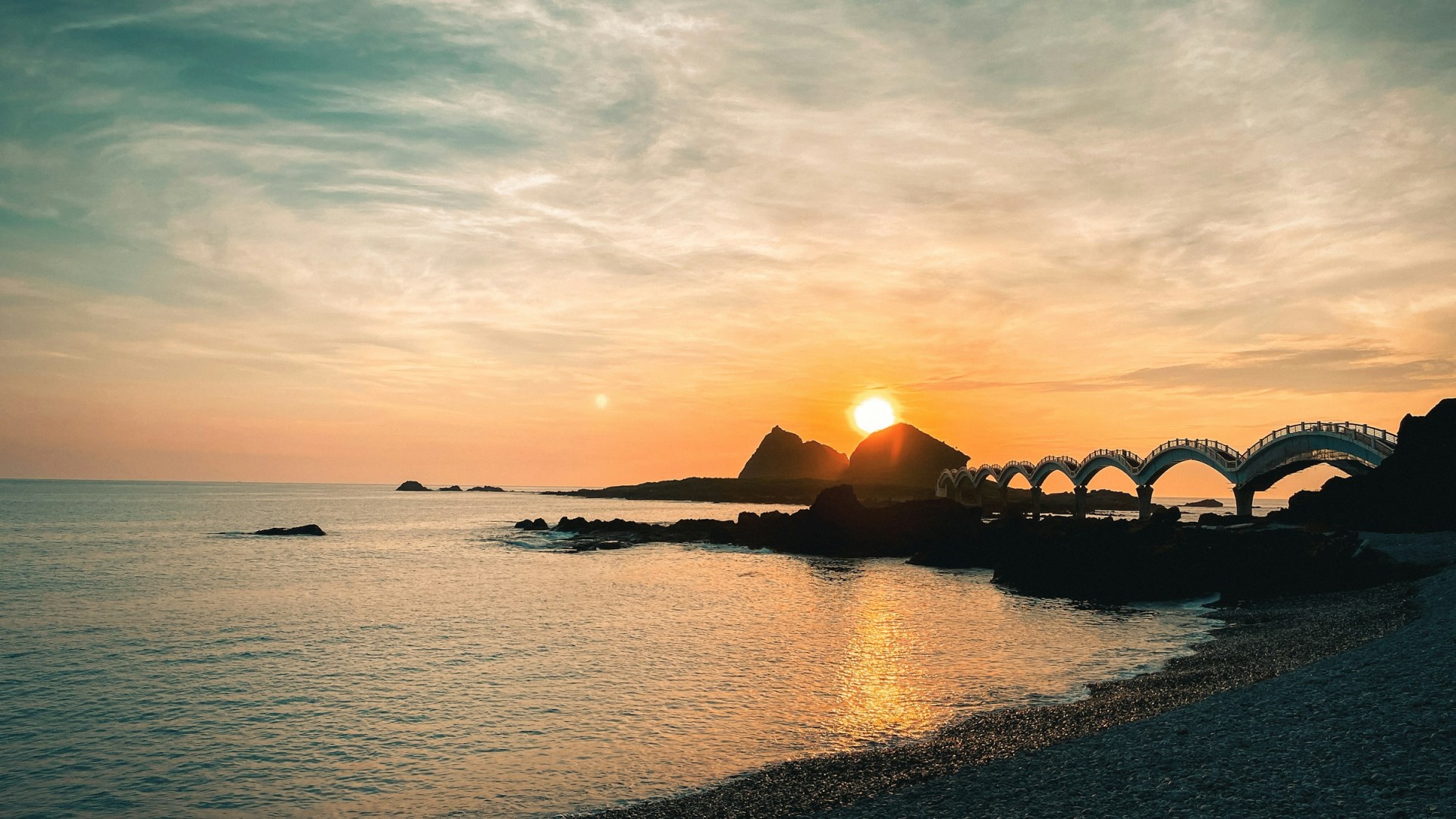
Taitung is a city on Taiwan’s southeastern coast, backed by the Central and Coastal Mountain Ranges and facing the Pacific Ocean. Its setting gives the city a distinctive relationship with both mountains and sea, while a slower pace of development has preserved broad open spaces and coastal landscapes.

Granada
Granada, nestled at the foot of the Sierra Nevada mountains in southern Spain, is a city where history and culture converge in a mesmerizing blend. The jewel of Granada is the Alhambra, a stunning palace and fortress complex that dates back to the 13th century. This UNESCO World Heritage Site is a testament to the city's Moorish past, showcasing intricate Islamic art and architecture.