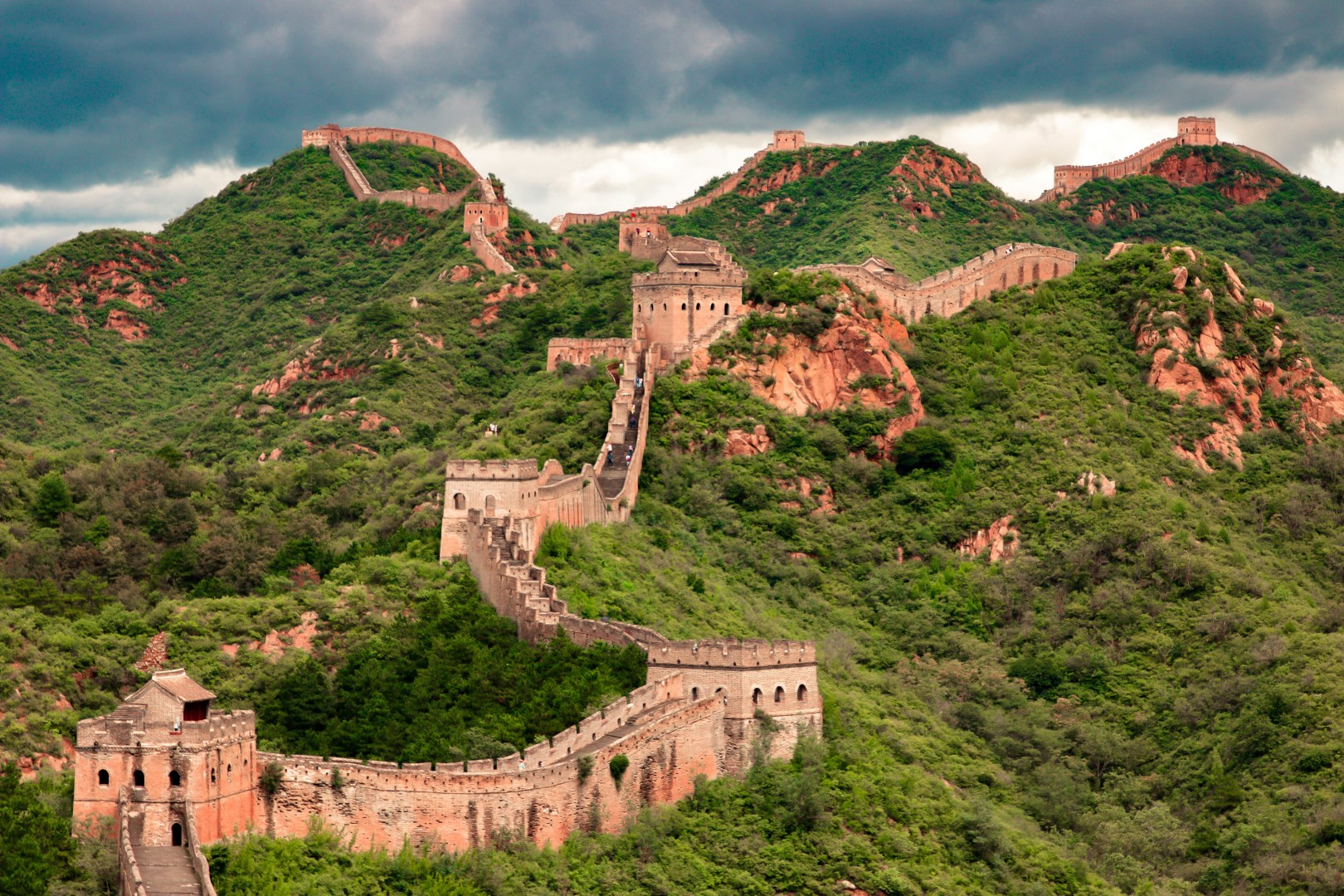
Xi’an, located in central China’s Shaanxi Province, served as the starting point of the ancient Silk Road and was the capital of 13 imperial dynasties. Its long history is most famously represented by the Terracotta Army, an underground army of life-sized warriors discovered in 1974. Each figure has distinct facial features, hairstyles, and armor, designed to protect Emperor Qin Shi Huang in the afterlife.
The Rhône River, flowing through the heart of France and into Switzerland, offers a captivating journey through one of Europe's most scenic and historically rich regions. Originating in the Swiss Alps, this majestic river winds its way southward, carving its path through picturesque landscapes, including the iconic lavender fields of Provence and the lush vineyards of the Rhône Valley.
Antigua is a city shaped by centuries of artistry, tradition, and natural forces. Set in a highland valley and surrounded by volcanoes, its streets are lined with colorful buildings, hidden courtyards, and open-air plazas. The Santa Catalina Arch is one of Antigua’s most recognizable features, originally built as a passage between two sections of a convent. Today, it frames a dramatic view of Volcán de Agua and is a popular gathering spot for both locals and visitors.
San Ignacio sits in western Belize’s Cayo District on the banks of the Macal and Mopan Rivers, where the town and its sister settlement of Santa Elena are linked by Belize’s lone suspension bridge. Its location also makes San Ignacio a gateway to both inland Belize and the nearby Guatemalan border, making it easy for curious travelers to explore beyond town limits.
Nestled in the heart of the Dolomites, Cortina d'Ampezzo is Italy's premier alpine destination, renowned for its breathtaking natural beauty and world-class ski resorts. Known as the "Queen of the Dolomites," this charming town has long been a magnet for outdoor enthusiasts and luxury travelers alike. Cortina offers some of the best skiing in Europe, all set against the dramatic backdrop of UNESCO World Heritage-listed mountains .
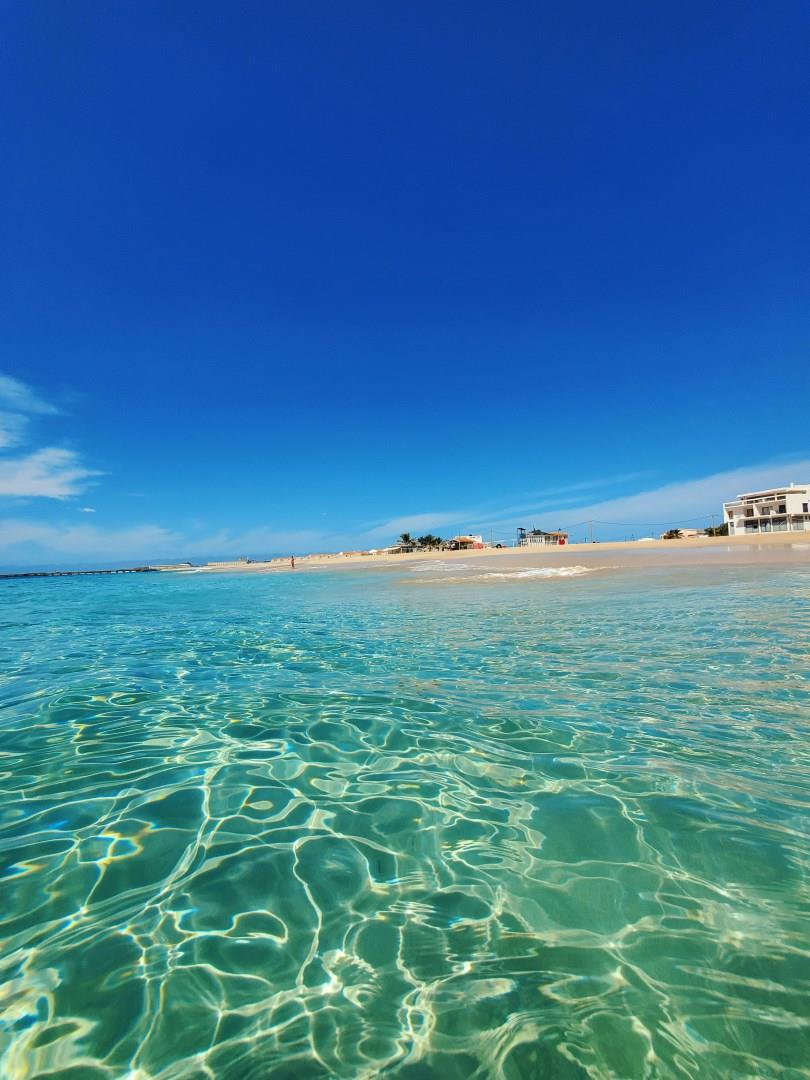
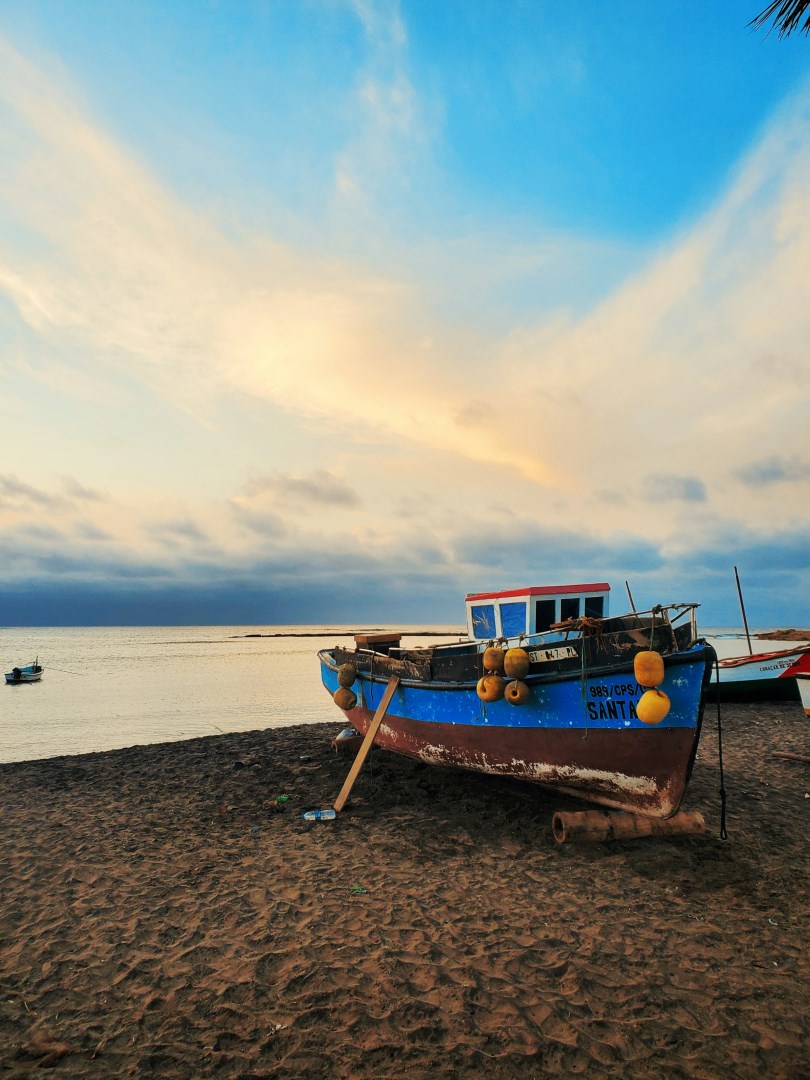
Maio, one of Cape Verde's hidden gems, offers a serene escape with its unspoiled landscapes and charming island atmosphere. This tranquil island, part of the Cape Verde archipelago, is renowned for its stunning beaches and laid-back vibe. The white sandy shores of Praia do Morro, with its crystal-clear waters and gentle waves, provide the perfect setting for relaxation and sunbathing, while the surrounding salt pans showcase Maio's historical role in the salt industry.
Cultural and natural exploration awaits in Maio's diverse landscape. The island is dotted with traditional villages that offer insights into local life and customs. The vibrant Festa de São João in the town of Vila do Maio is a highlight, featuring lively music, dance, and local cuisine that capture the island’s rich cultural heritage. Maio’s arid interior is also an intriguing area to explore, with its unique flora and fauna and the impressive Monte d'Igreja offering panoramic views.
For the adventure-seeker, Maio’s landscape provides opportunities for hiking and exploring its diverse terrain. The island's quiet nature reserves and remote beaches are ideal for those looking to escape the more crowded tourist spots and immerse themselves in nature. Trekking through the island’s rugged hills and dunes offers a chance to witness rare bird species and endemic plant life.
Fun Fact: Maio is the least populated of Cape Verde's islands, making it a pristine retreat where you can enjoy the untouched beauty of the Atlantic Ocean without the bustle of heavy tourism.