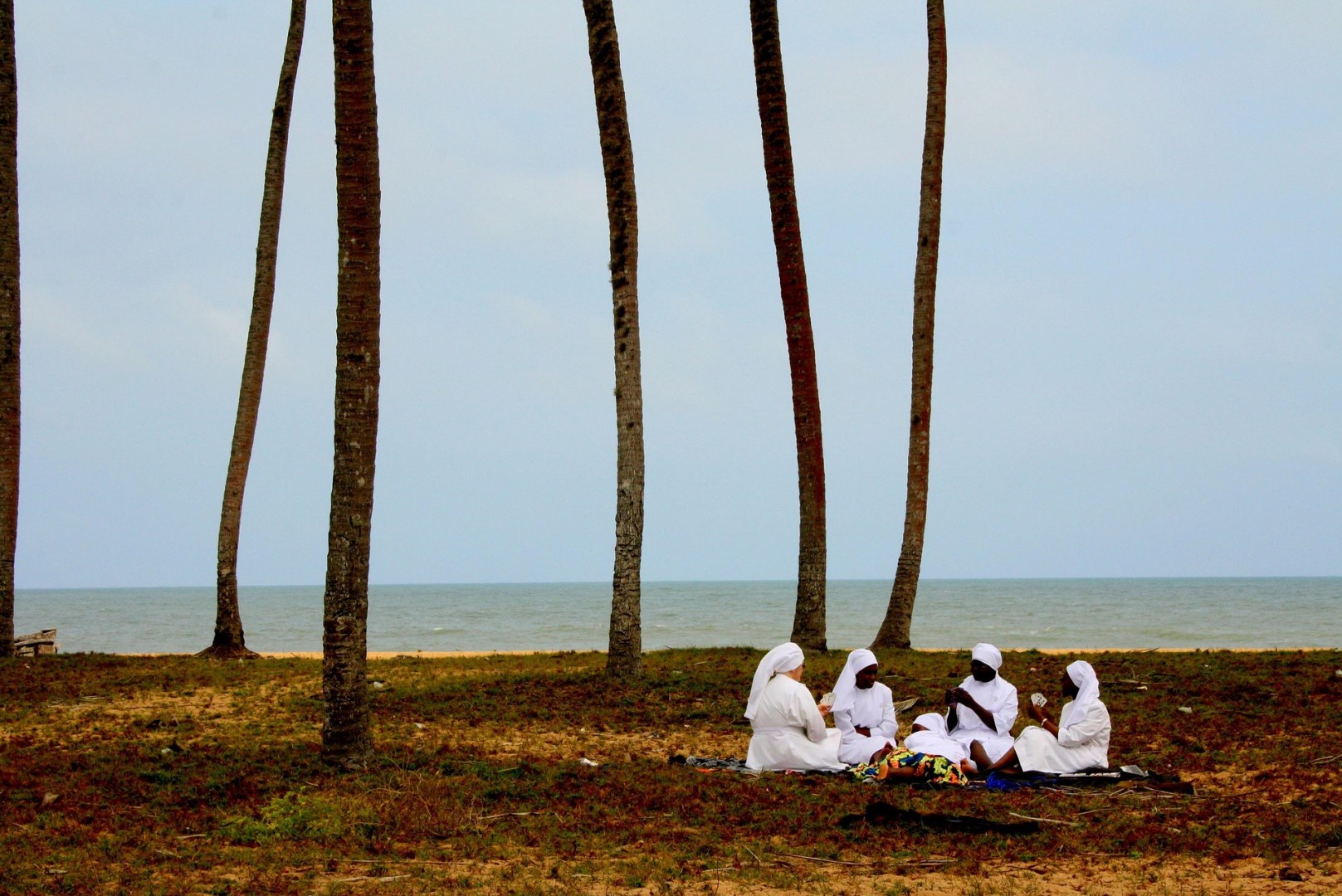
Benin
Tucked along the Gulf of Guinea in West Africa, Benin offers a vibrant blend of traditions, rich history, and colorful daily life that surprises and delights travelers at every turn. The country is the birthplace of Vodun (commonly known as Voodoo), a spiritual tradition still practiced widely and celebrated each January 10th with processions, drums, and dance in the city of Ouidah.

Svalbard
This mountainous archipelago offers magnificent views of stark white glaciers and snowfields, which cover a vast stretch of the region. Arctic flora and fauna fascinate; catch a glimpse of polar bears, reindeer, arctic foxes, and walruses amongst the mossy tundra and icy coasts. In the summer, visitors will witness the rare splendor of Svalbard’s midnight sun.

Chichicastenango
Chichicastenango, often simply called "Chichi," is a vibrant town in the highlands of Guatemala that offers an unparalleled cultural experience. Known for its lively indigenous market, which takes place every Thursday and Sunday, this bustling bazaar is one of the most famous in Central America. Here, visitors can immerse themselves in the rich tapestry of Mayan culture while browsing colorful textiles, handcrafted masks, and traditional pottery.

Valencia
Valencia, located on the Balearic coastline of eastern Spain, is a Mediterranean haven replete with stunning art, striking architecture, immersive museums, and inviting beaches. The heart of Valencia is the perfect place to explore the best that the city has to offer.
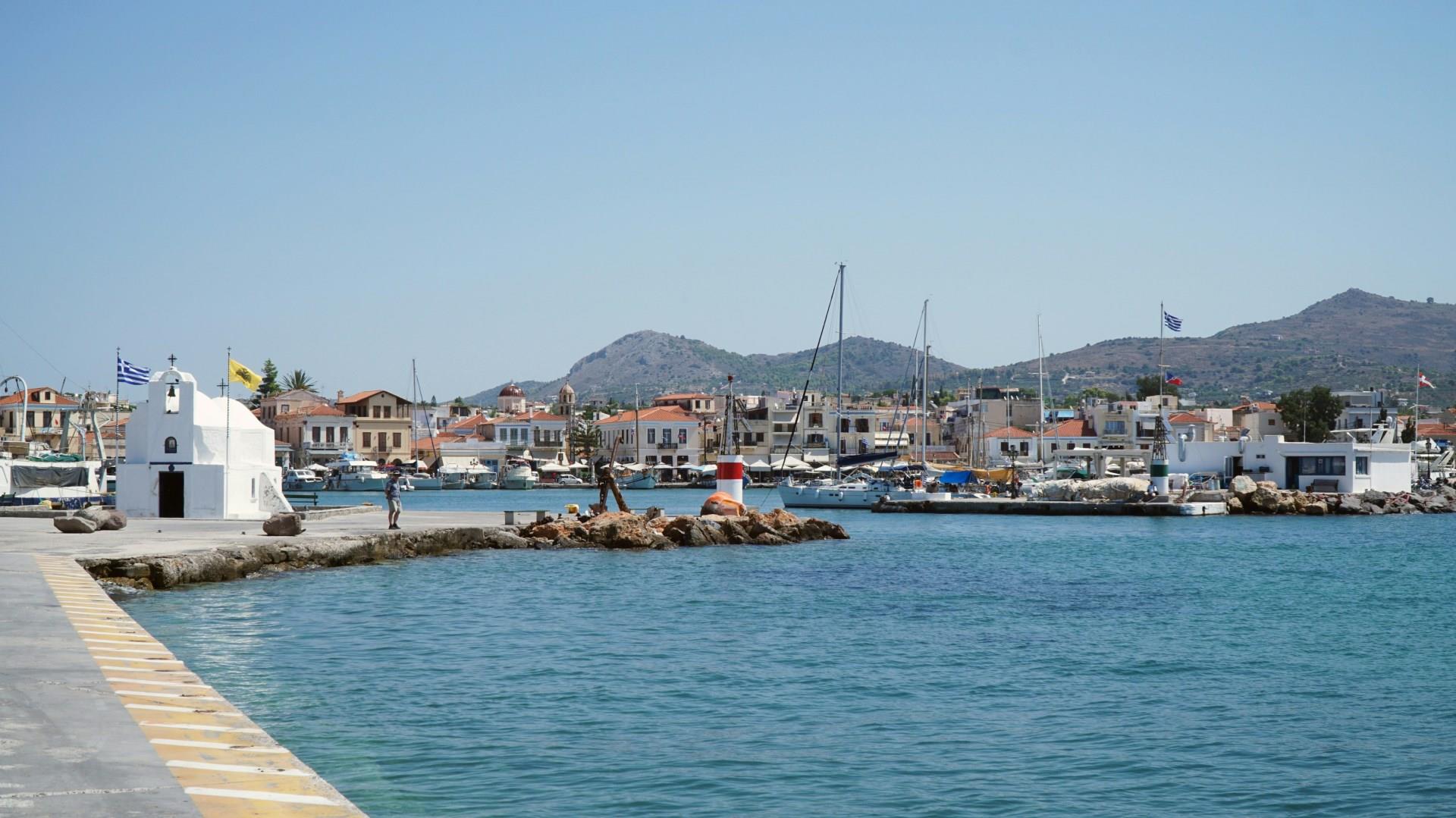
Aegina
Aegina, one of the Saronic Islands of Greece, is a short ferry ride from Athens yet feels far removed from the capital’s energy. Known since antiquity as a thriving maritime and cultural center, the island still preserves echoes of its past in archaeological sites and traditional villages.