Bagamoyo
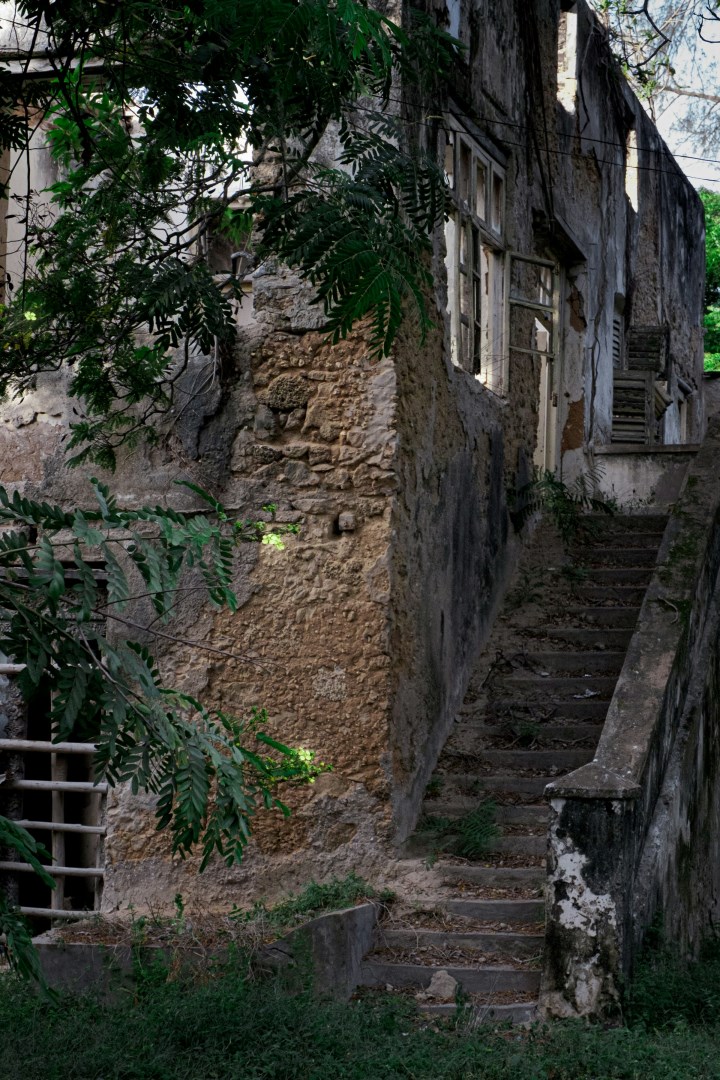
Bagamoyo is a historic coastal town in Tanzania’s Pwani Region, facing the Indian Ocean north of Dar es Salaam. Its old town contains Swahili, Arab, and German-era buildings, while the shoreline remains connected to fishing and dhow construction. Bagamoyo developed as an important port and inland caravan terminus, linking the coast with trading routes across the interior.
Morne Rouge Bay
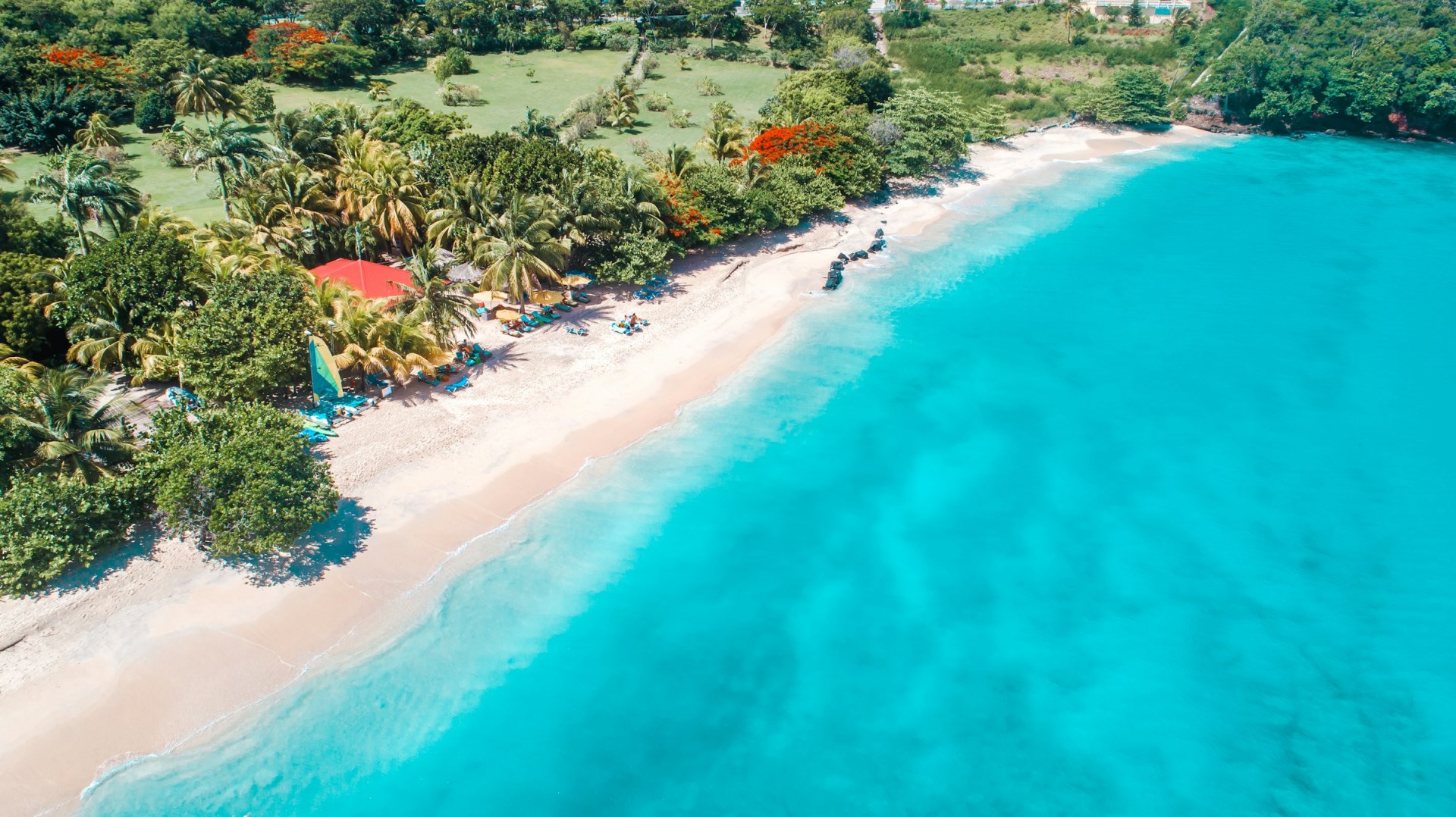
Morne Rouge Bay is a sheltered beach on Grenada’s southwestern coast, just south of Grand Anse and near the community of Morne Rouge. The bay curves around a small, protected stretch of pale sand, with calm Caribbean water and green hills surrounding the shoreline. Its sheltered position generally produces gentler conditions than Grenada’s more exposed Atlantic coast, making the bay suitable for swimming and paddling.

Palma
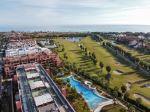
Enchanting Palma is the capital of Mallorca, Spain’s island paradise in the Balearic Sea. This picturesque town boasts historic castles and cathedrals, glittering beaches, and some of the island’s best culinary delights. Don’t let this city’s small size fool you; Palma houses truly magnificent architectural gems that make this island getaway well worth exploring.
Hazyview
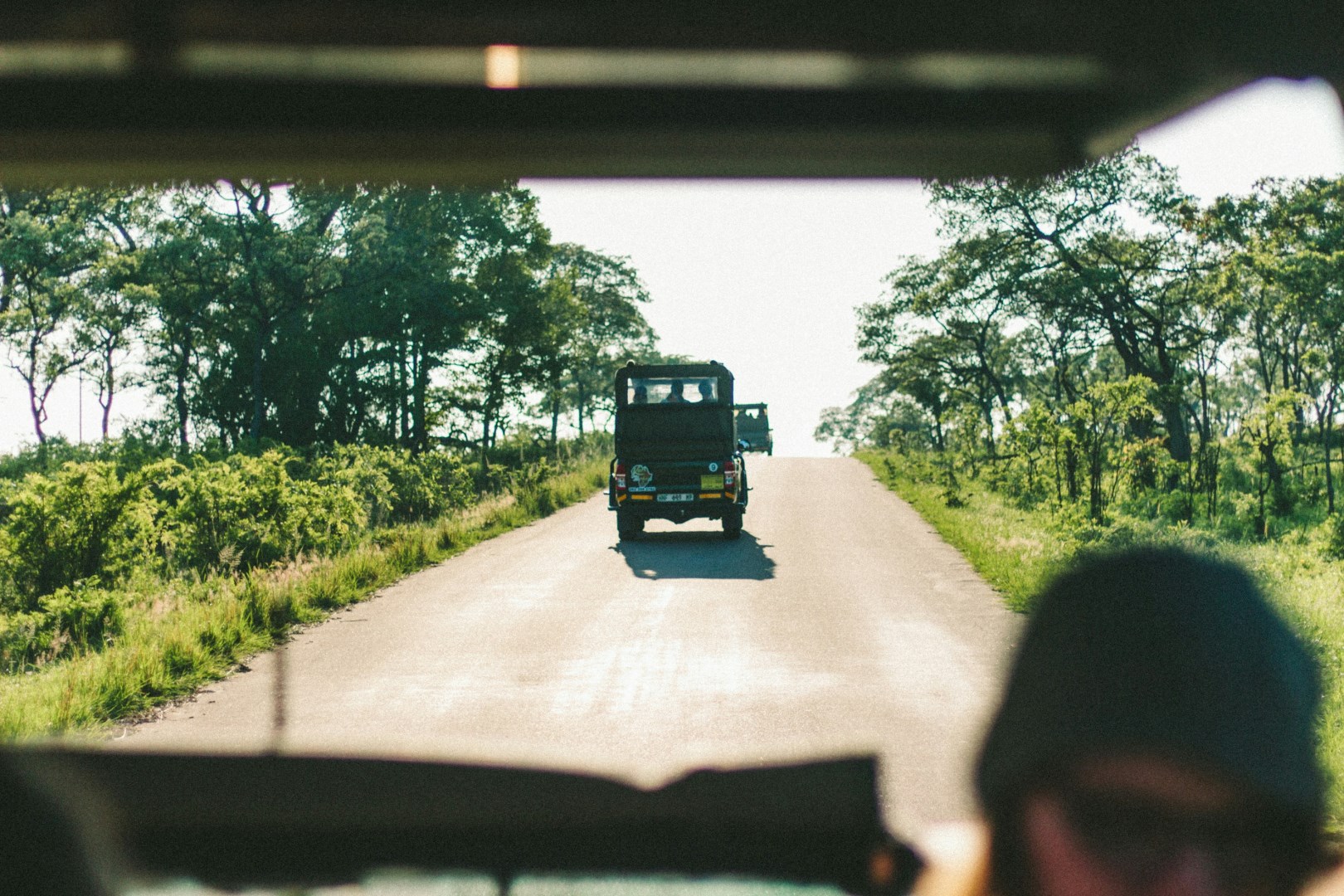
Hazyview is a small town in Mpumalanga Province in northeastern South Africa, positioned near the southern entrance of Kruger National Park.
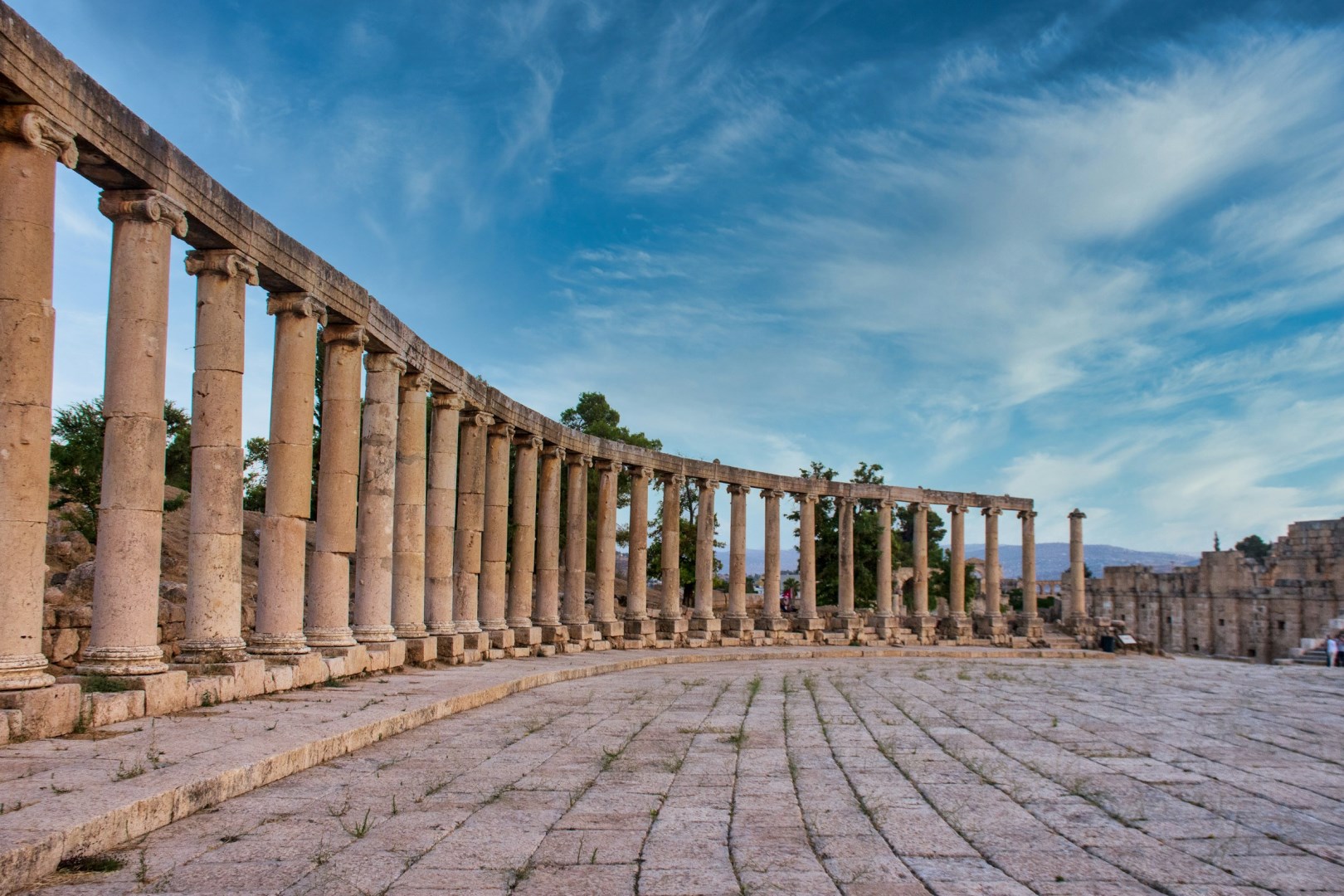
Jerash
Jerash is reached by a short drive (29 miles, 47km) north of Amman and is an ancient Graeco-Roman city, once known as Gerasa. It has been dubbed the 'Pompeii of the East', because of its extraordinary state of preservation. Jerash is a vast city, which flourished in the centuries immediately preceding and following the Christian era.