Luxembourg
Luxembourg City, the capital of the Grand Duchy of Luxembourg, is a stunning blend of medieval charm and modern sophistication. Perched atop dramatic cliffs and surrounded by deep gorges, this city offers a unique and breathtaking landscape. The UNESCO-listed Old Town is an essential starting point for visitors, with its ancient fortifications, narrow cobblestone streets, and grand squares.

Oslo
Oslo, Norway’s capital, stands at the crossroads of Nordic history and forward-thinking design. Originally founded over a thousand years ago by Viking King Harald Hardrada, the city has evolved from a medieval trading hub into one of Europe’s most modern capitals. Visitors can explore its layered past at the Akershus Fortress, a 13th-century stronghold still standing guard over Oslofjord, or walk through the preserved wooden homes of Damstredet.
Maligne Lake
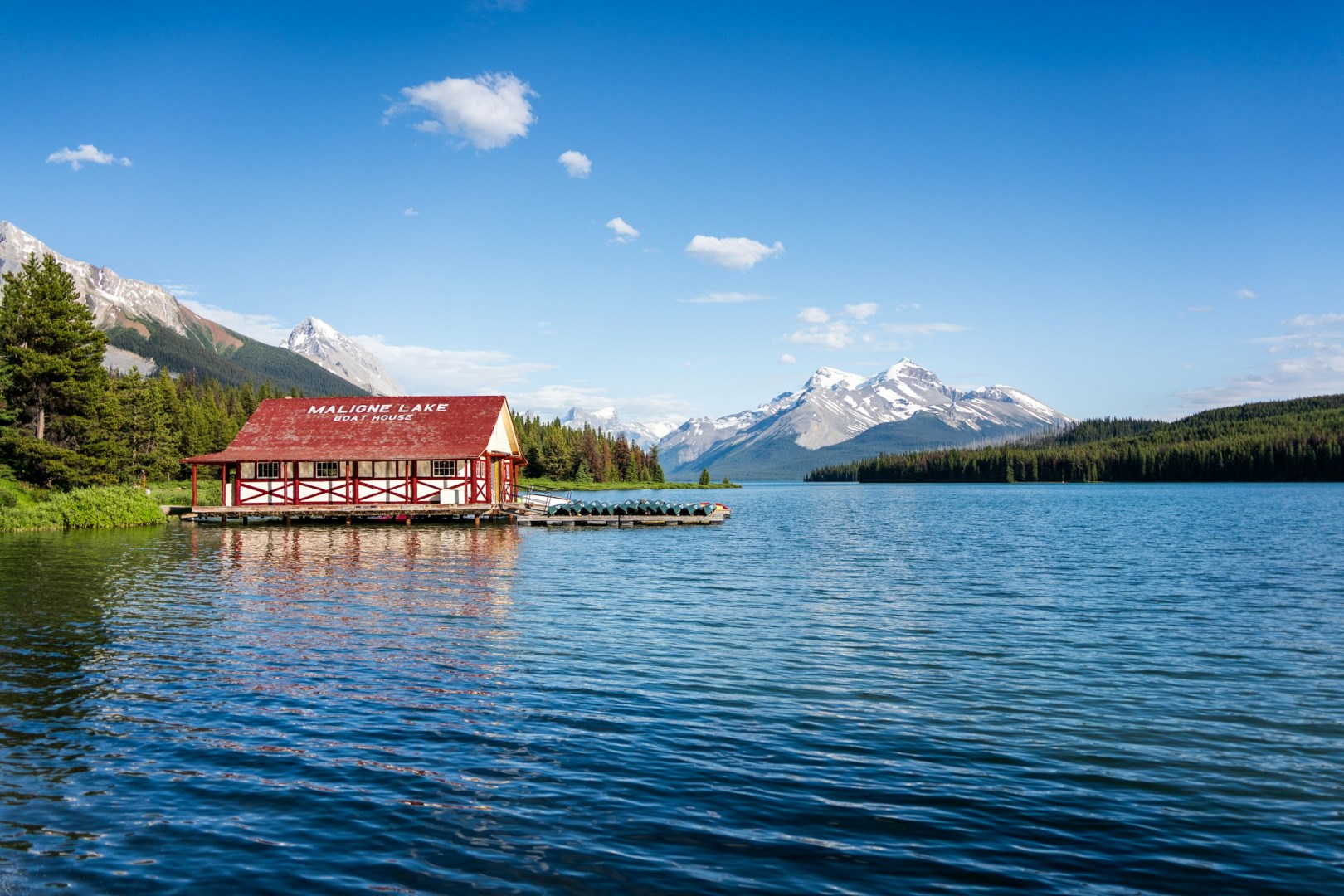
Maligne Lake is a long, glacially fed lake in Jasper National Park in Alberta’s Canadian Rockies. Surrounded by steep mountain peaks, forests, and alpine terrain, it is one of the largest lakes in the park and an important part of the Maligne Valley. The lake extends deep into the mountains, with several smaller islands and sheltered bays along its shoreline.

Constanta
Almost every modern scene in Constanta, Romania, is juxtaposed against 4th century Roman relics.
Bohol
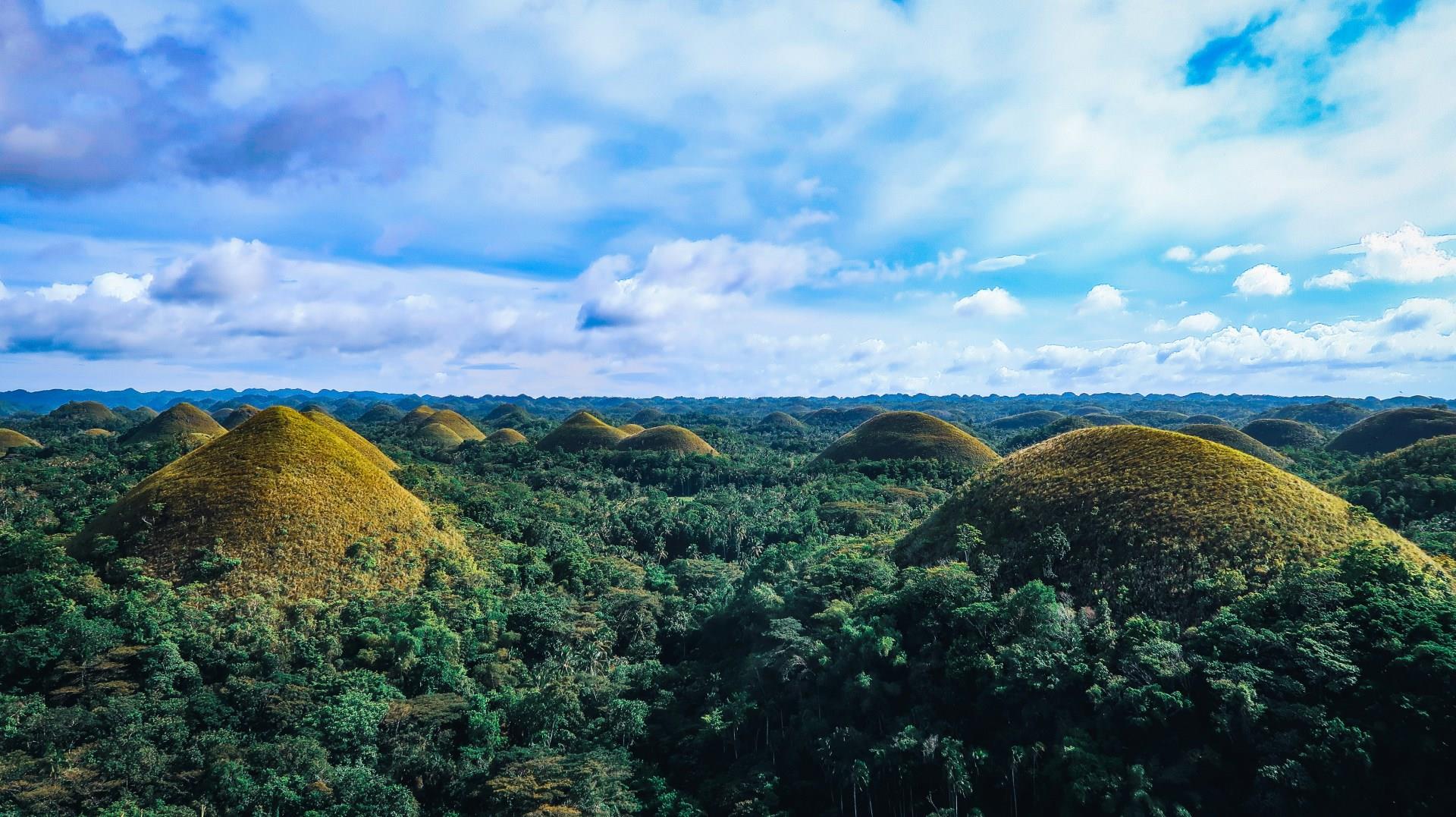
Bohol sits in the central Philippines, shaped by early Spanish contact and long-established rural communities. The island is known for its historic churches and for maintaining strong ties to agriculture and local governance, which have helped preserve a sense of continuity.