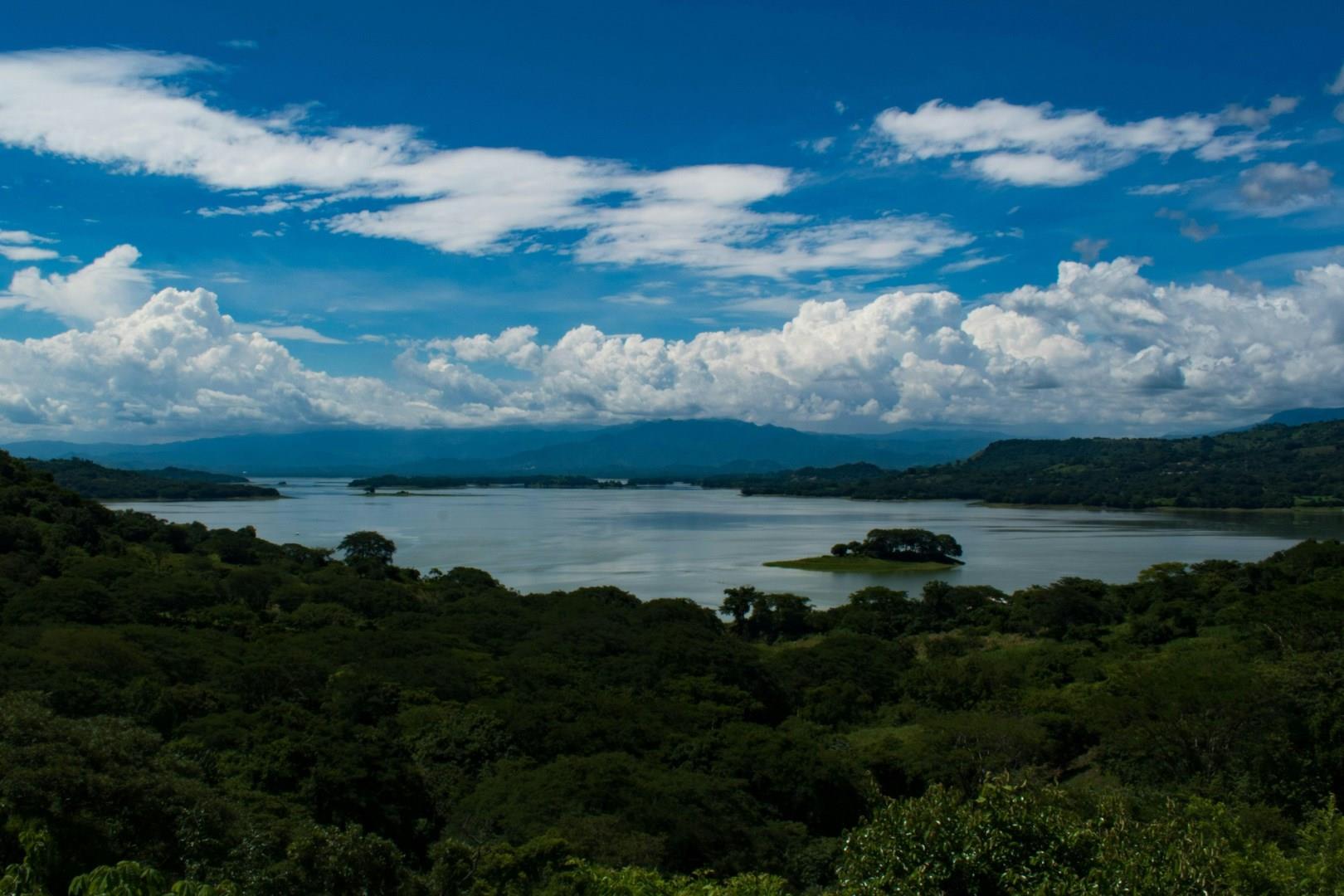
Suchitoto, located in the Cuscatlán department of El Salvador, is a hilltop town known for its cobblestone streets and scenic views of Lake Suchitlán. Once an important center for indigo production, the town still celebrates its dye-making history through artisan workshops where visitors can learn to create textiles using natural indigo. The name “Suchitoto” comes from the Nahuatl language and means “place of flowers and birds,” a nod to the area’s diverse birdlife and surrounding vegetation.
Germany offers a wide range of experiences, shaped by centuries of history, regional traditions, and striking landscapes. In Berlin, the past and present share the same streets. Visitors can walk along remnants of the Berlin Wall and then explore a thriving street art scene in neighborhoods like Kreuzberg and Friedrichshain. The city's Museum Island, a UNESCO World Heritage Site, houses ancient artifacts and 19th-century masterpieces just a short walk from modern coffee shops and rooftop bars.
Las Vegas, Nevada, is an electrifying city where glitz and glamour meet entertainment and excitement. Known as "The Entertainment Capital of the World," Las Vegas offers an unparalleled array of attractions, from its iconic casinos and luxurious hotels to its world-class dining and live shows. The city's entertainment scene is second to none, featuring legendary headliners, cutting-edge performances, and an array of themed attractions.
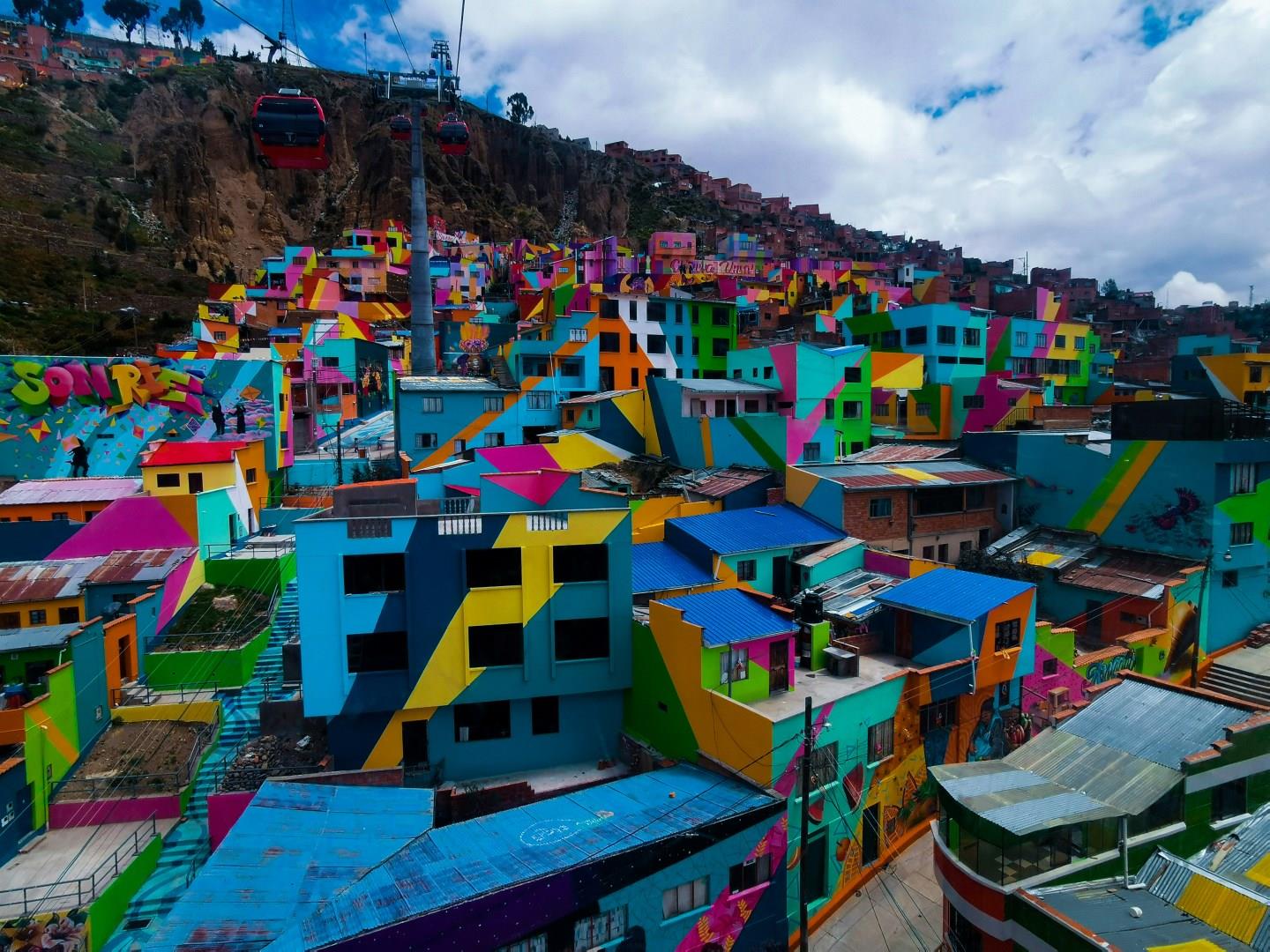
La Paz, Bolivia’s seat of government, is one of the world’s highest capital cities, dramatically set in a deep canyon carved by the Choqueyapu River. Founded in 1548 atop an important Indigenous settlement, the city has long been a crossroads of Andean cultures, colonial history, and modern political life.
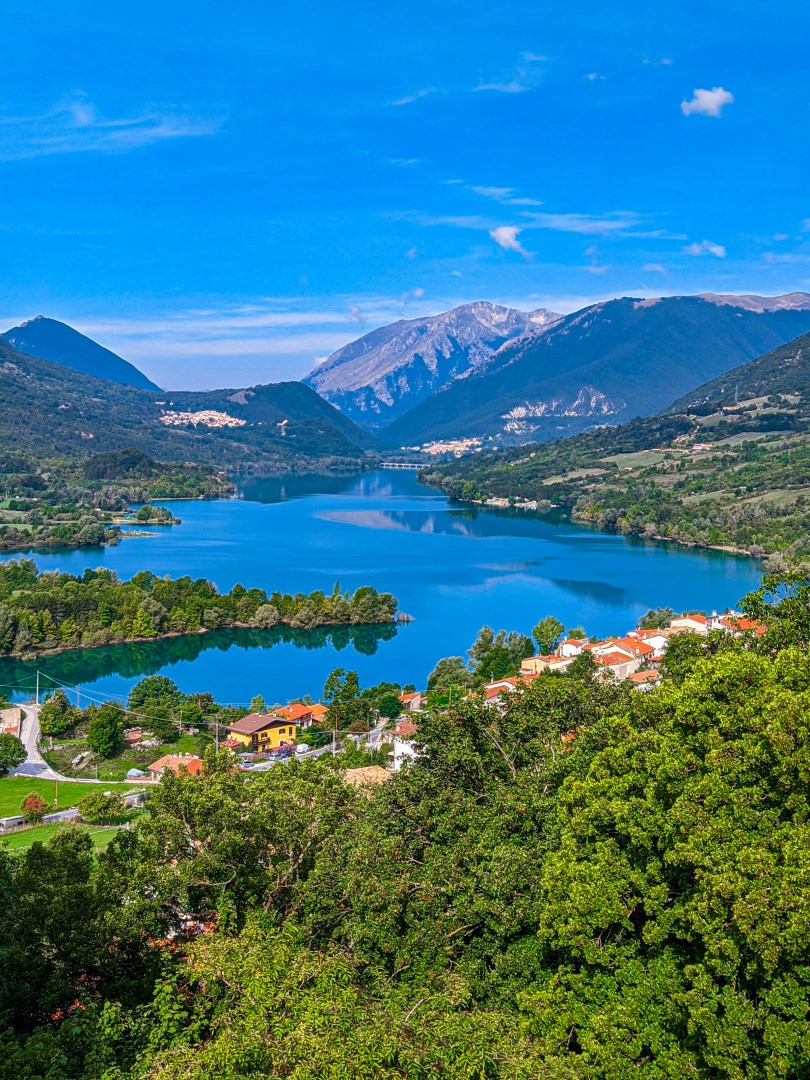
Photo Credit: Photo by Nicole Almendrada on Unsplash
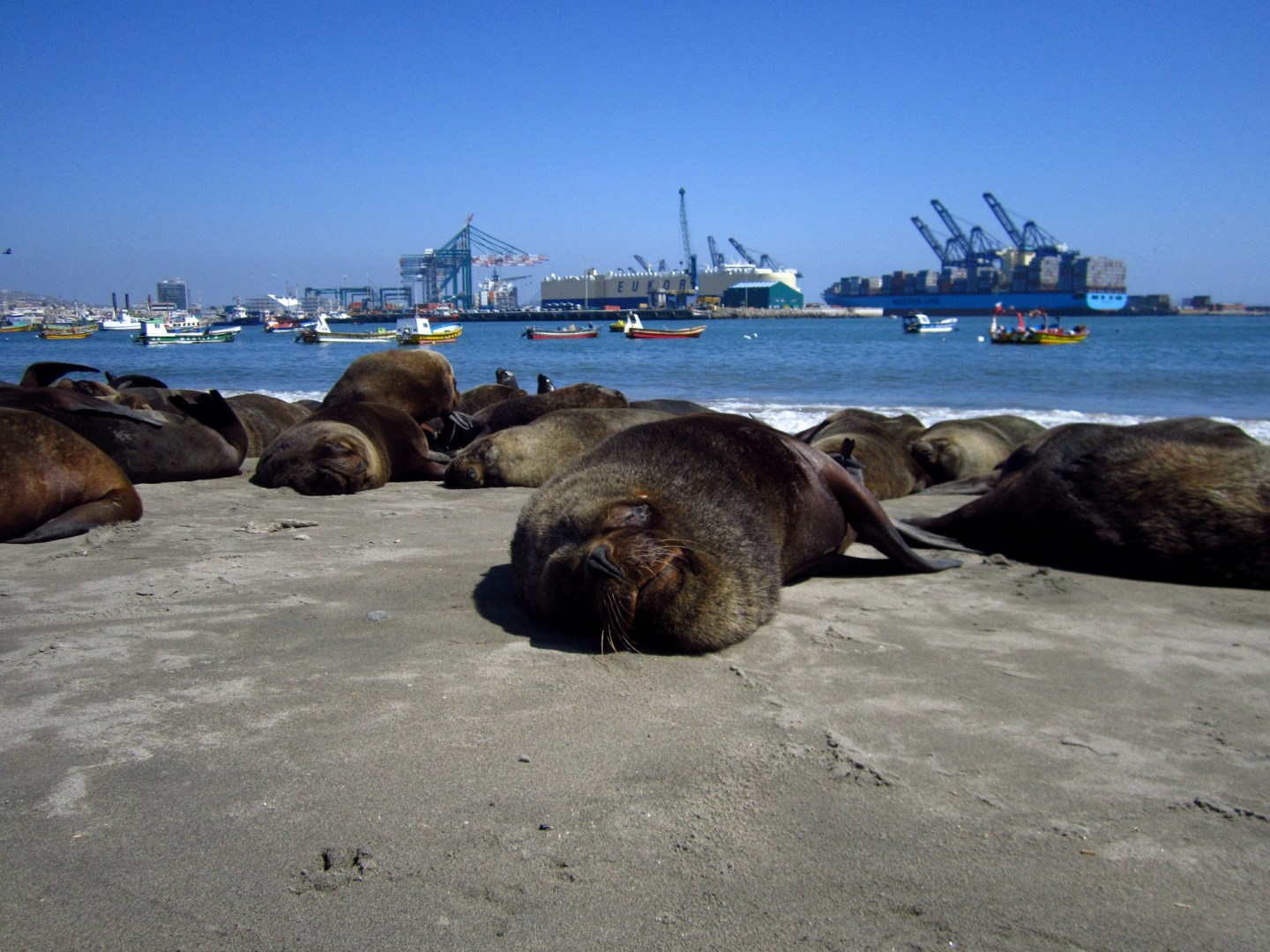
San Antonio, a coastal city in central Chile, offers a delightful blend of maritime charm and cultural vibrancy. Known for its bustling port and picturesque waterfront, San Antonio provides a gateway to the scenic beauty of the Chilean coast. The city's port is one of the most important in the country, making it a hub of activity and a key spot for experiencing Chile's maritime heritage. Visitors can explore the Port of San Antonio, where they can observe the busy workings of one of Chile's largest ports and enjoy the surrounding coastal views.
The city's lively Mercado de San Antonio is a must-visit destination. This bustling market offers an array of fresh seafood, fruits, and vegetables, reflecting the rich agricultural and marine resources of the region. Here, visitors can savor local specialties such as fresh ceviche and empanadas, experiencing the authentic flavors of Chilean cuisine. The market is also a vibrant place to witness daily life and interact with local vendors.
In addition to its maritime and culinary attractions, San Antonio is close to the beautiful beaches of the Algarrobo region, where visitors can relax on sandy shores and enjoy the mild Pacific waters. Algarrobo Beach and San Alfonso del Mar, renowned for its vast swimming pool, are particularly popular among those seeking a seaside retreat. The area offers opportunities for sunbathing, swimming, and various water sports.
A fun fact about San Antonio is that it is near the famous "San Alfonso del Mar" pool, which holds the Guinness World Record for the largest swimming pool in the world, stretching over 1,013 meters in length. Whether you're interested in maritime history, local cuisine, or simply soaking up the sun, San Antonio provides a delightful and diverse experience for all visitors.
Other Popular Destinations in Chile
Santiago
Flanked by the Chilean Coast Range and the snowy Andes, Chile's largest metropolis offers a dazzling array of sights and attractions for visitors to pursue. Mirrored skyscrapers, 16th-century churches, hip cafes, dance clubs... and did we mention the delicious Chilean cuisine?
Valparaíso
Valparaíso, Chile, is a city that beckons travelers with its vibrant street art, steep hillsides, and bohemian spirit. Known as the "Jewel of the Pacific," Valparaíso's historical importance as a major port during the 19th century has left an indelible mark on its architecture and culture.