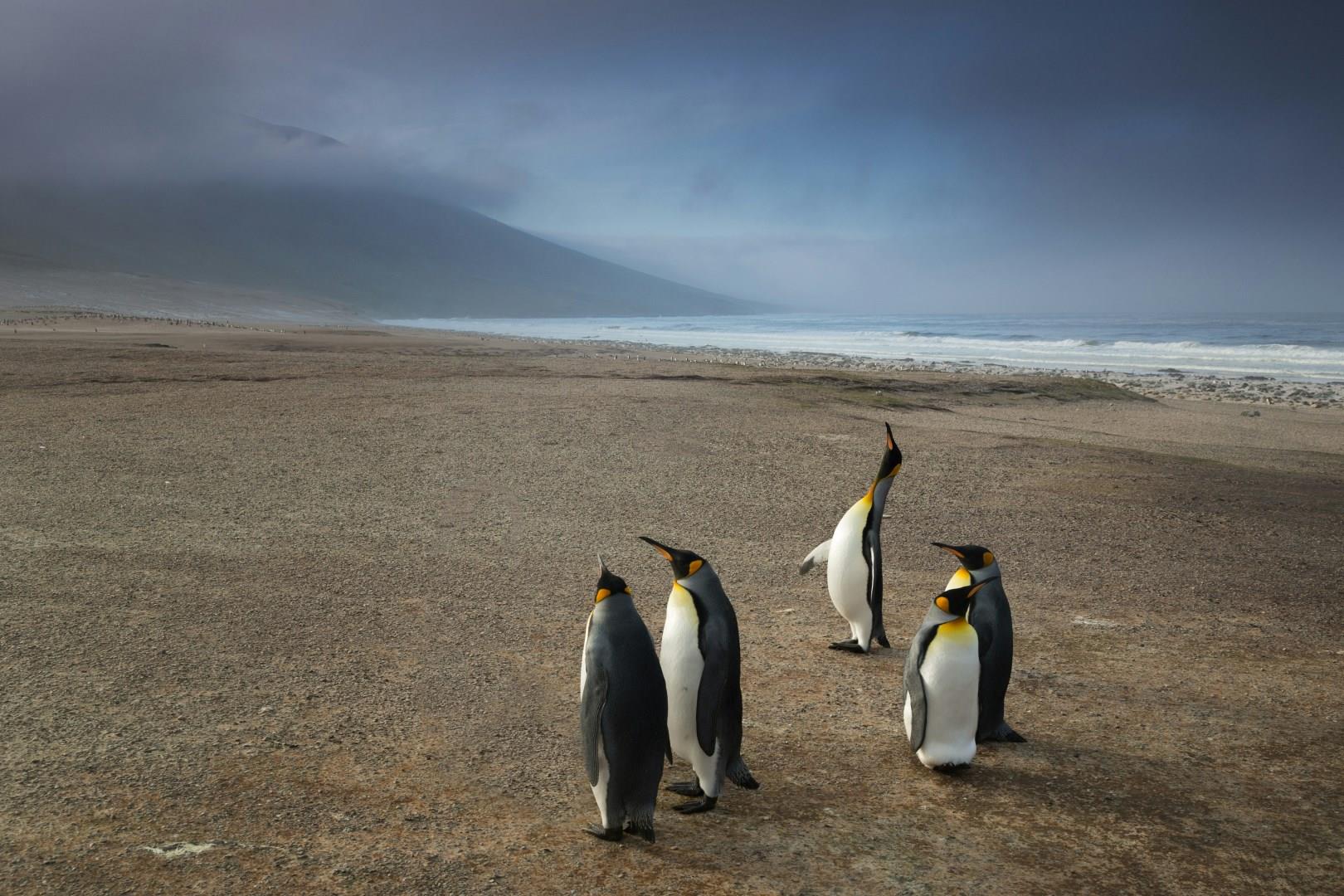
Falkland Islands
The Falkland Islands, a remote archipelago in the South Atlantic, offer a striking combination of wild open spaces, rich wildlife, and a way of life shaped by wind, sea, and resilience. With fewer than 3,500 residents spread across over 700 islands, the Falklands provide a rare opportunity to disconnect from busy modern life and connect with wide skies, rugged coastlines, and some of the most accessible wildlife experiences on the planet.
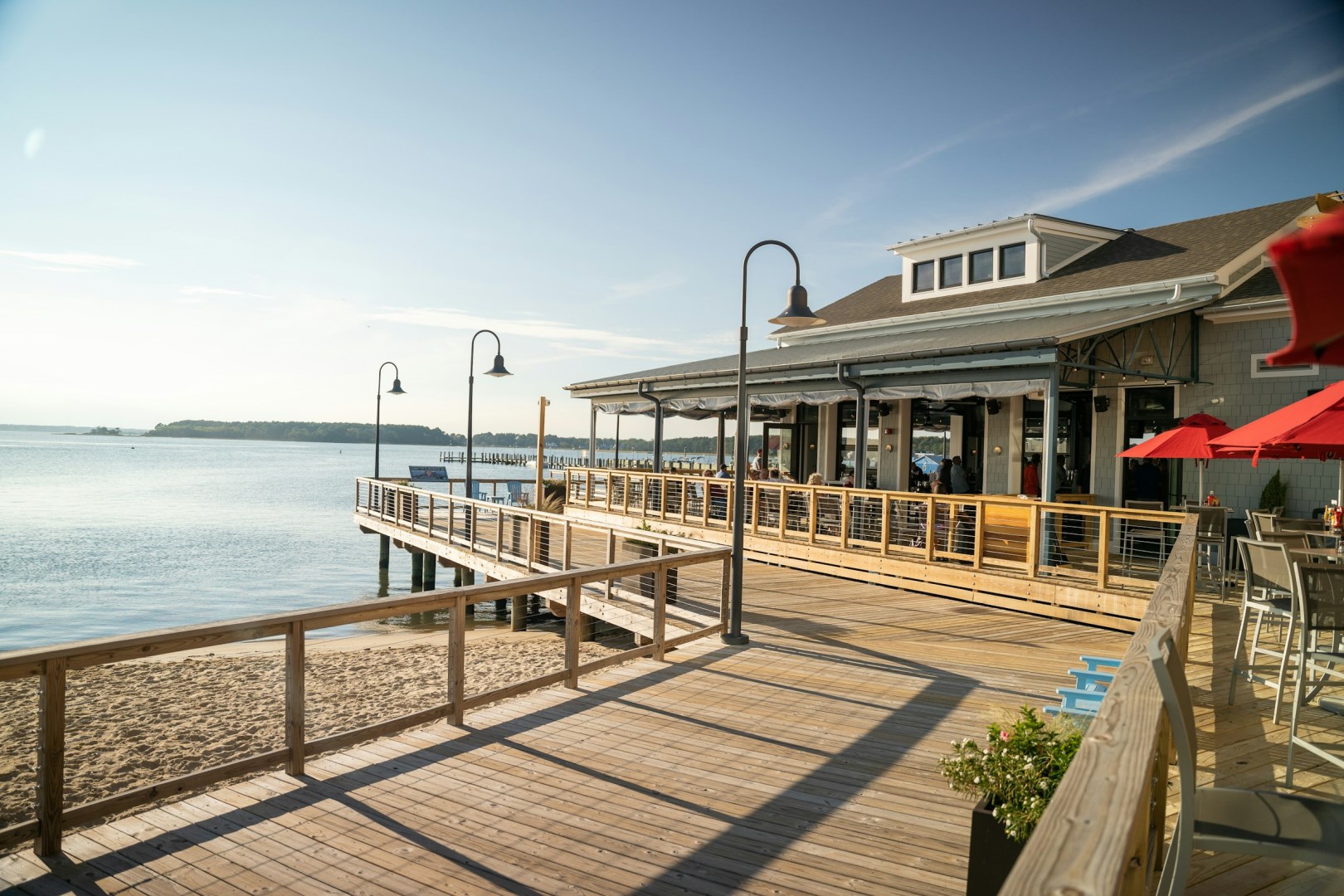
Dewey Beach
Dewey Beach is a compact coastal town in Sussex County, Delaware, situated on a narrow barrier island between the Atlantic Ocean and Rehoboth Bay. The community is known for its walkable layout, ocean beach, bayfront sunsets, and concentration of restaurants, bars, and live music venues. Its small footprint gives the town a distinct character, with most businesses and accommodations located within a few blocks of the water.

Nuku Hiva Island
Nuku Hiva is the largest of the Marquesas Islands in French Polynesia, a place where scale and isolation shape both history and daily life. Long before European contact, the island supported complex Marquesan societies known for stone architecture, tattoo traditions, and ceremonial sites, many of which remain scattered across its valleys.
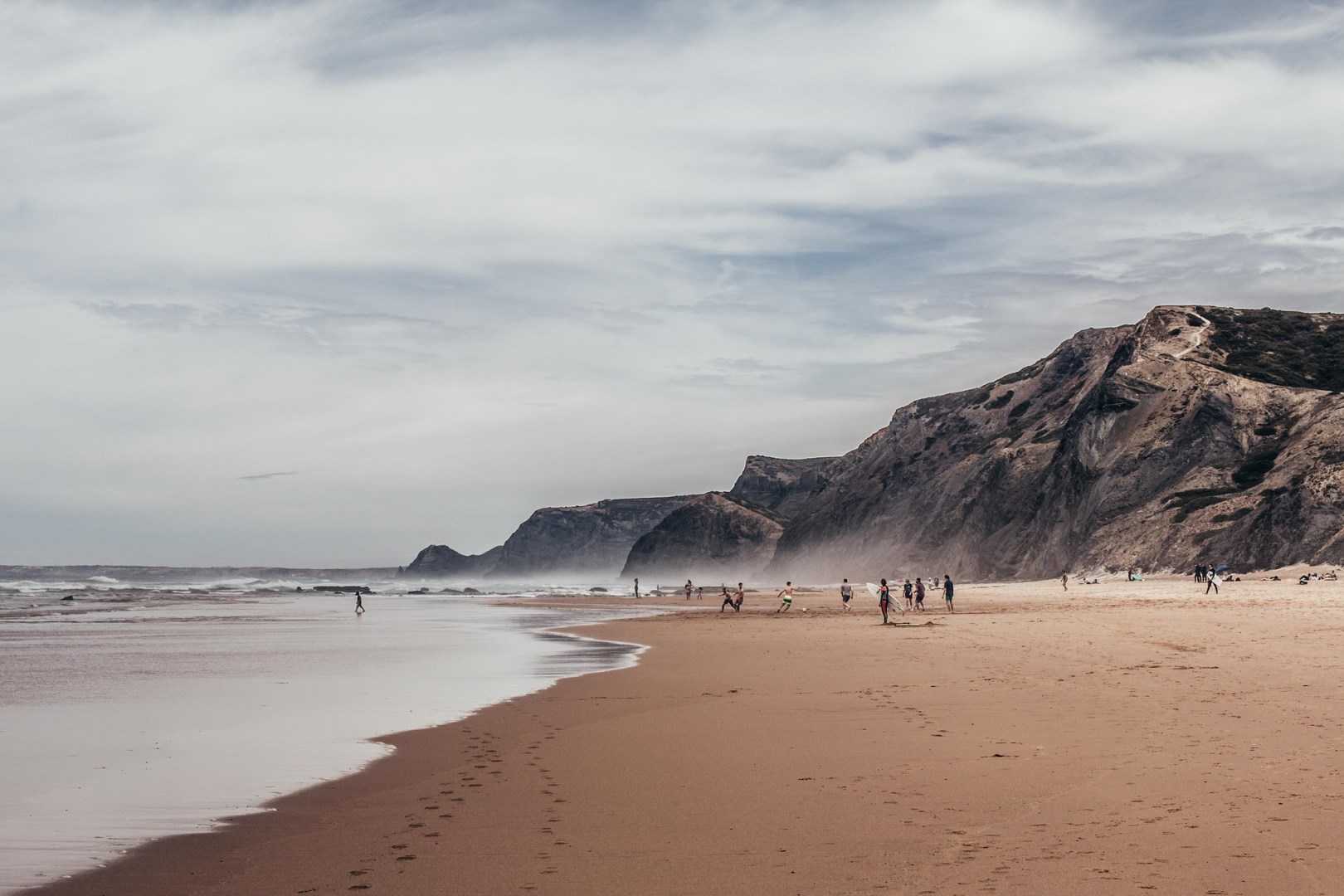
Faro
This is the most Moorish part of Portugal, the rich plain south of the Serra do Caldeirao, scalloped by the beaches and headlands of the Algarve. It is where, in early spring, blossoming almond trees carpet the still-brown hillsides with drifts of snow-like flowers, and the plain white facades of little houses are topped by intricately pierced chimneys that look like ice-cream cones.
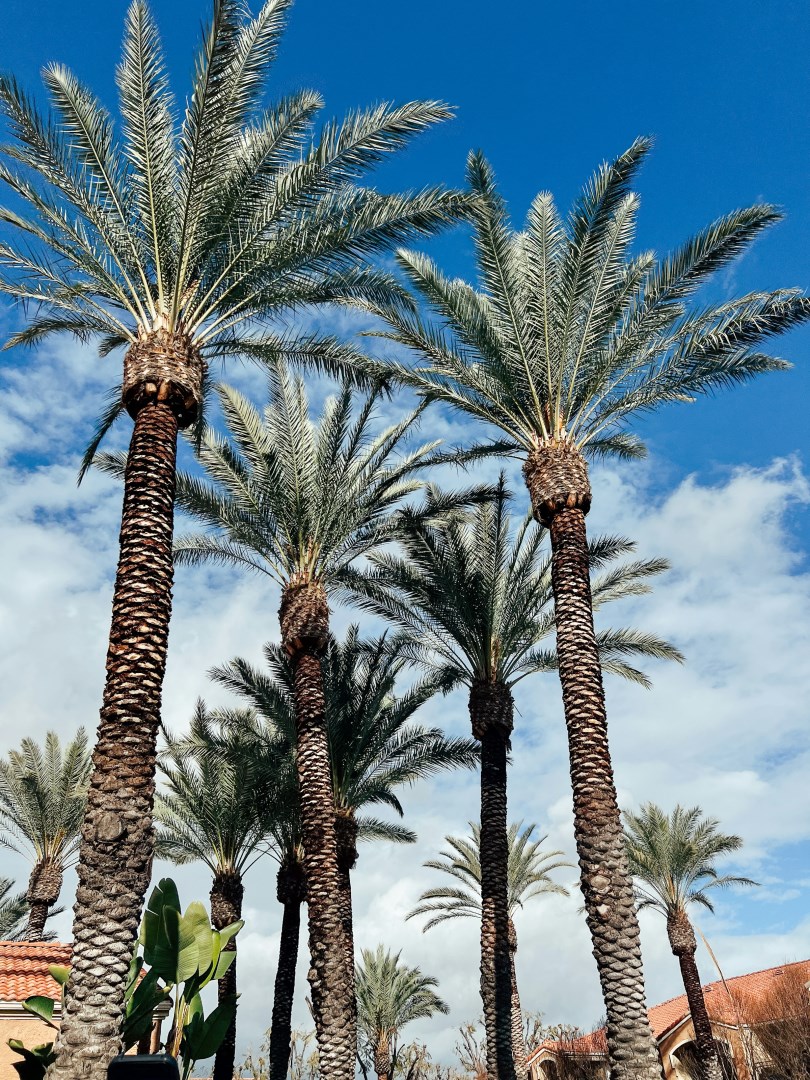
Ontario
Ontario is a city in Southern California’s Inland Empire, located in San Bernardino County at the foot of the San Gabriel Mountains. The city occupies a landscape that has been shaped by agriculture, residential development, and transportation infrastructure, with the mountains providing a prominent backdrop to the north.