Cinque Terre
Cinque Terre, a UNESCO World Heritage Site, is a slice of Italian paradise nestled along the rugged Ligurian coast. This collection of five fishing villages—Monterosso, Vernazza, Corniglia, Manarola, and Riomaggiore—offers visitors a breathtaking landscape of pastel-colored homes perched on cliffs overlooking the Mediterranean.

South Dakota
South Dakota, known for its striking contrasts, from sacred Indigenous landmarks to dramatic prairie landscapes, offers travelers a rare chance to experience stories etched in both stone and living tradition. Mount Rushmore may be the most photographed site, but just 17 miles away, the Crazy Horse Memorial tells a deeper story. In the west, the Black Hills are full of geological surprises and sacred sites. Custer State Park offers scenic drives where herds of bison often stop traffic.
Dubuque
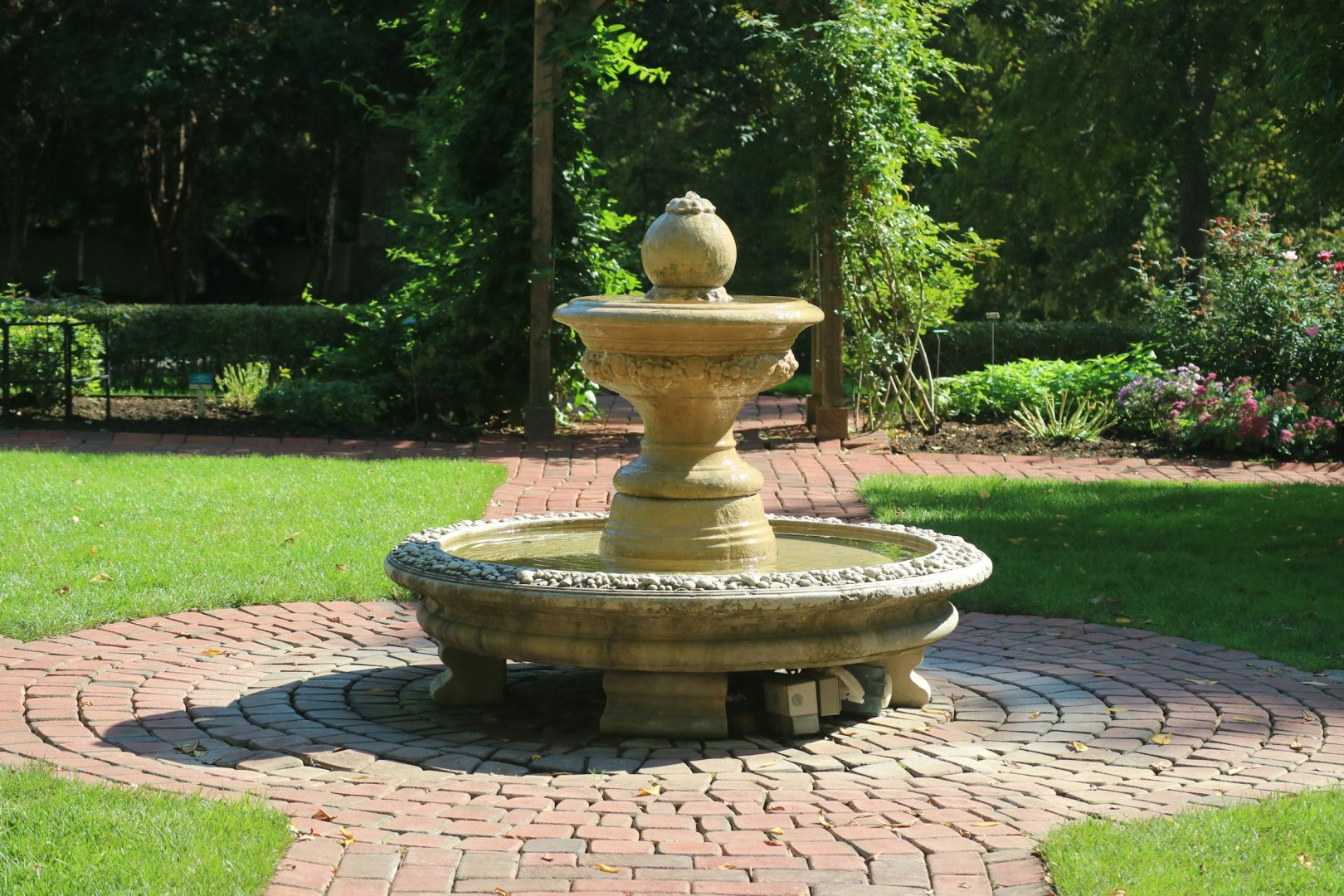
Dubuque sits along the Mississippi River in northeastern Iowa, where steep limestone bluffs rise above a broad river corridor. The city is Iowa’s oldest incorporated community and developed around river commerce, lead mining, manufacturing, and trade. Its historic downtown contains preserved brick buildings, churches, shops, restaurants, and the distinctive Town Clock, while the Port of Dubuque provides a more modern riverfront district.
Brasília
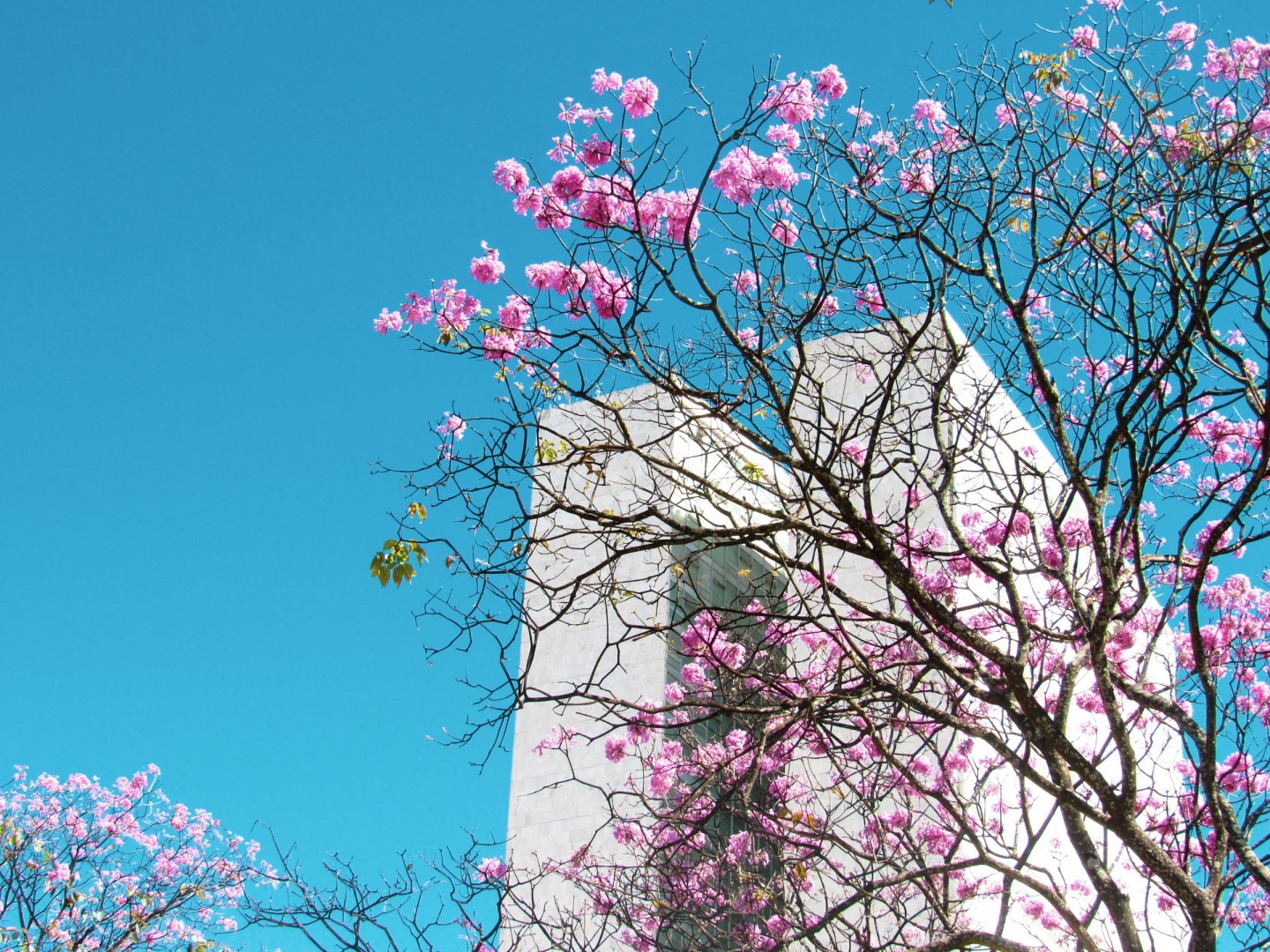
Brasília may be a World Heritage Site, but it is only of interest to town planning and architecture students, and those keen to witness the folly of man on a metropolitan scale. It must have looked good on paper, and still looks good in photos, but in the flesh, forget it. Designed by architect Oscar Niemeyer, urban planner Lucio Costa, and landscape architect Burle Marx, the city was built in an incredible three years between 1957 and 1960.
Big Sky
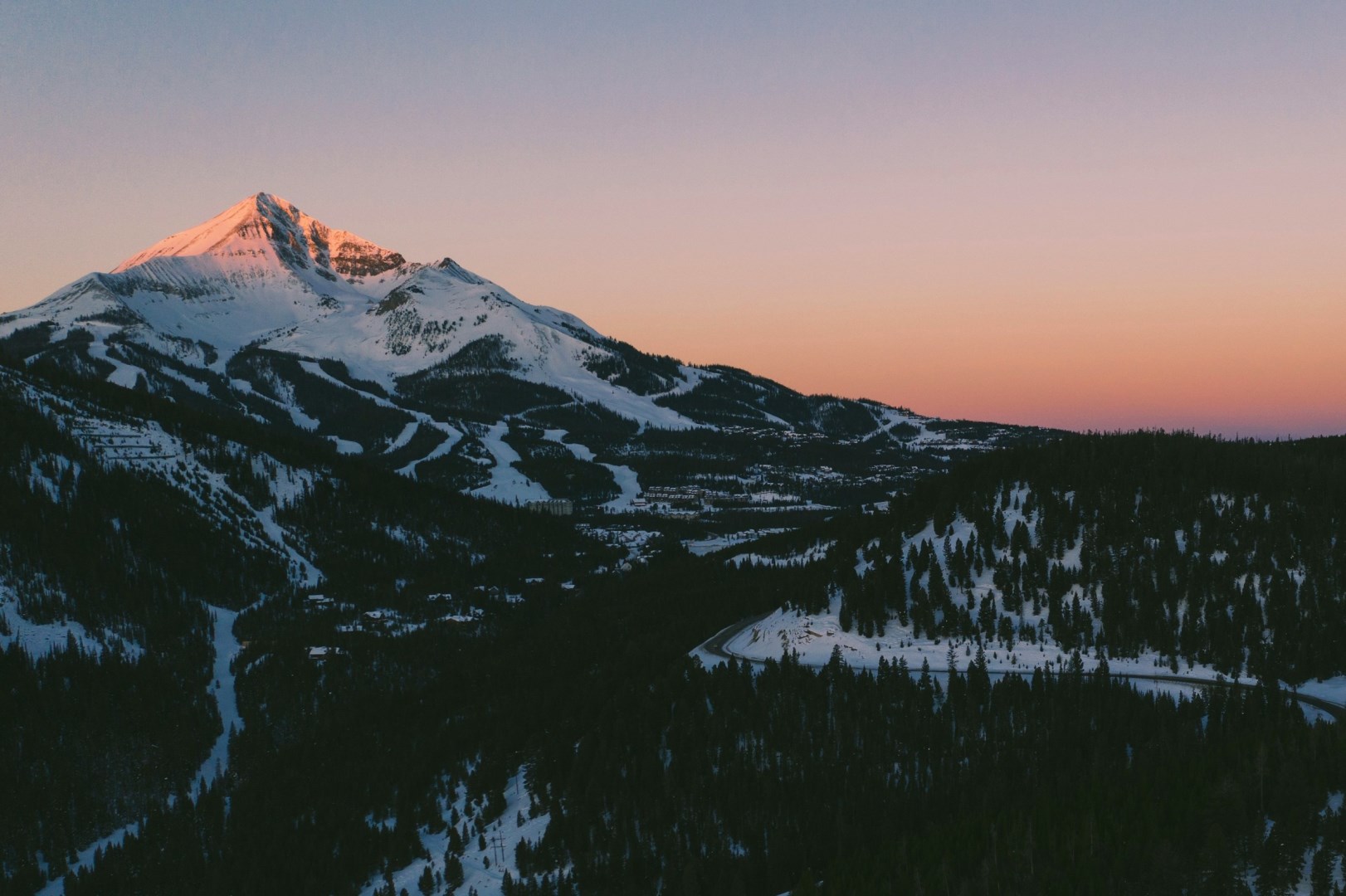
Big Sky, located in southwestern Montana, is a mountain town renowned for its expansive wilderness, world-class skiing, and outdoor adventure opportunities. Nestled between the Spanish Peaks and the Gallatin Range, it offers a dramatic backdrop of rugged mountains, dense forests, and alpine meadows.