
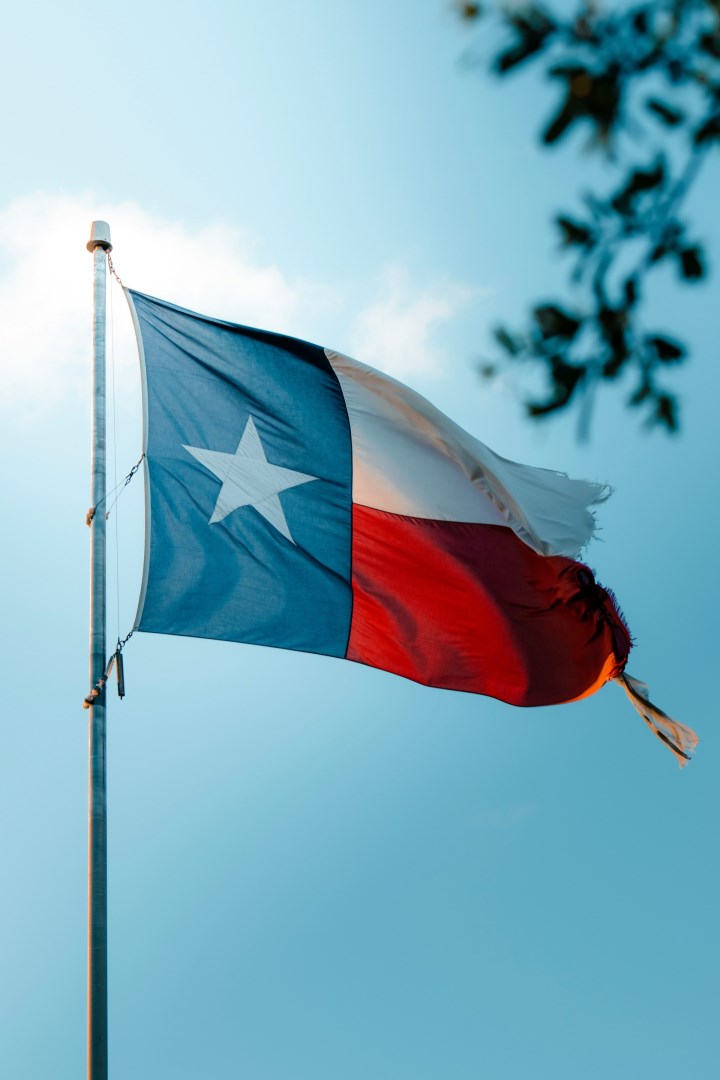
Texas
Texas is a state where size meets story from high plains to coastal shores, every region brings something distinct to the table. In San Antonio, visitors can walk through centuries of layered history starting at the Alamo, a site of one of the most famous battles in the state’s fight for independence. The nearby San Antonio Missions, a UNESCO World Heritage Site, offers a deeper look into the Spanish colonial influence that shaped the region.
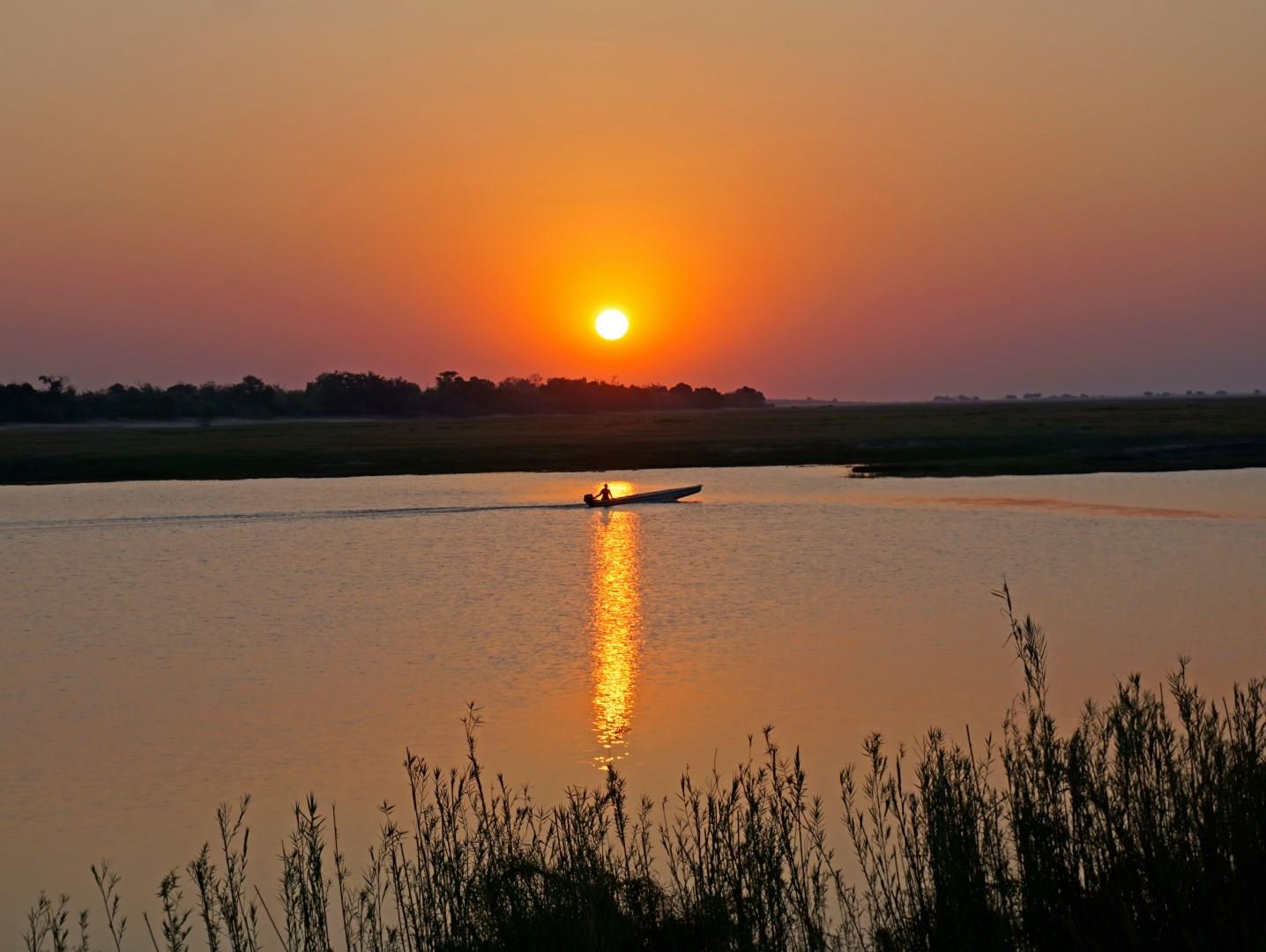
Chobe River
The Chobe River forms the northern boundary of the Chobe National Park. Animal lovers and safari enthusiasts know it as the place where the elephants congregate during winter's dry season and migrant birds are in full color during the wet summer months. The river itself is actually a section of the Cuando River, known as the Chobe from the seasonal lake Liambesi to its outflow at the Zambezi River.
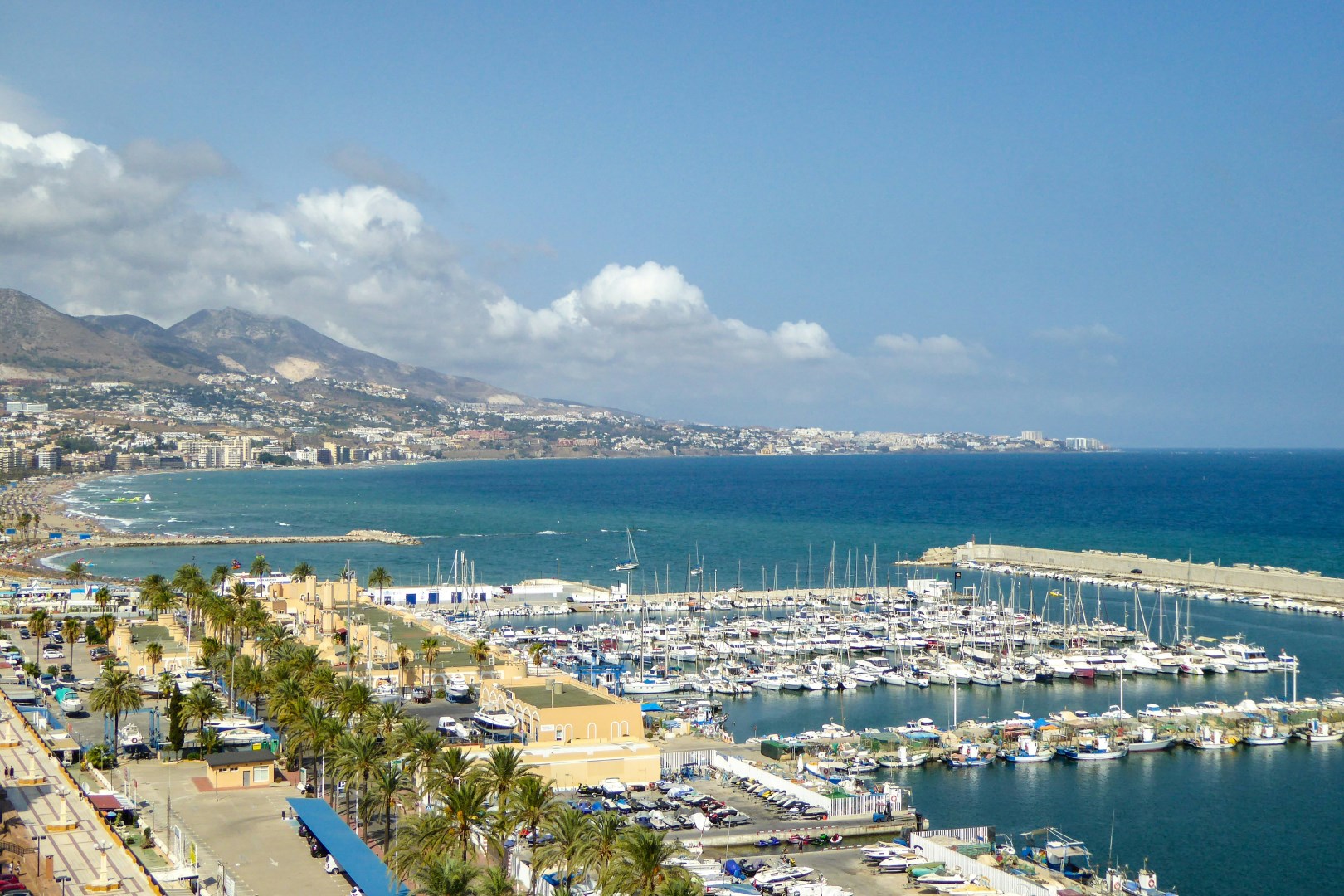
Fuengirola
Fuengirola is a coastal town in southern Spain, located on the Costa del Sol in the province of Málaga. It stretches along a wide sandy shoreline backed by a dense urban area of apartments, hotels, and promenades.
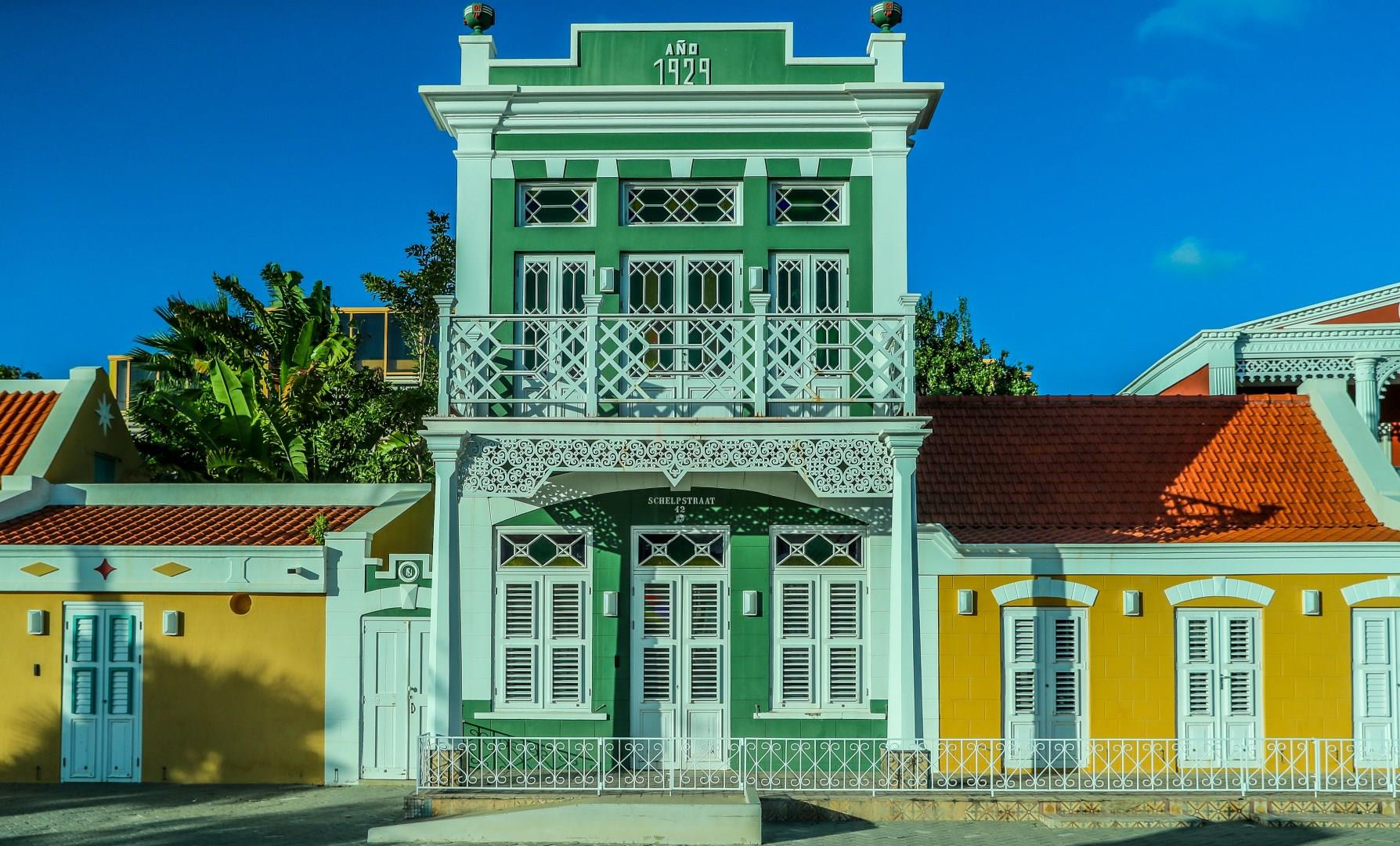
Oranjestad
Oranjestad, Aruba’s colorful capital, blends Dutch colonial charm with the island’s easygoing Caribbean character. The city’s pastel-painted buildings, adorned with gables and decorative facades, recall its Dutch heritage while housing modern boutiques, cafés, and museums.
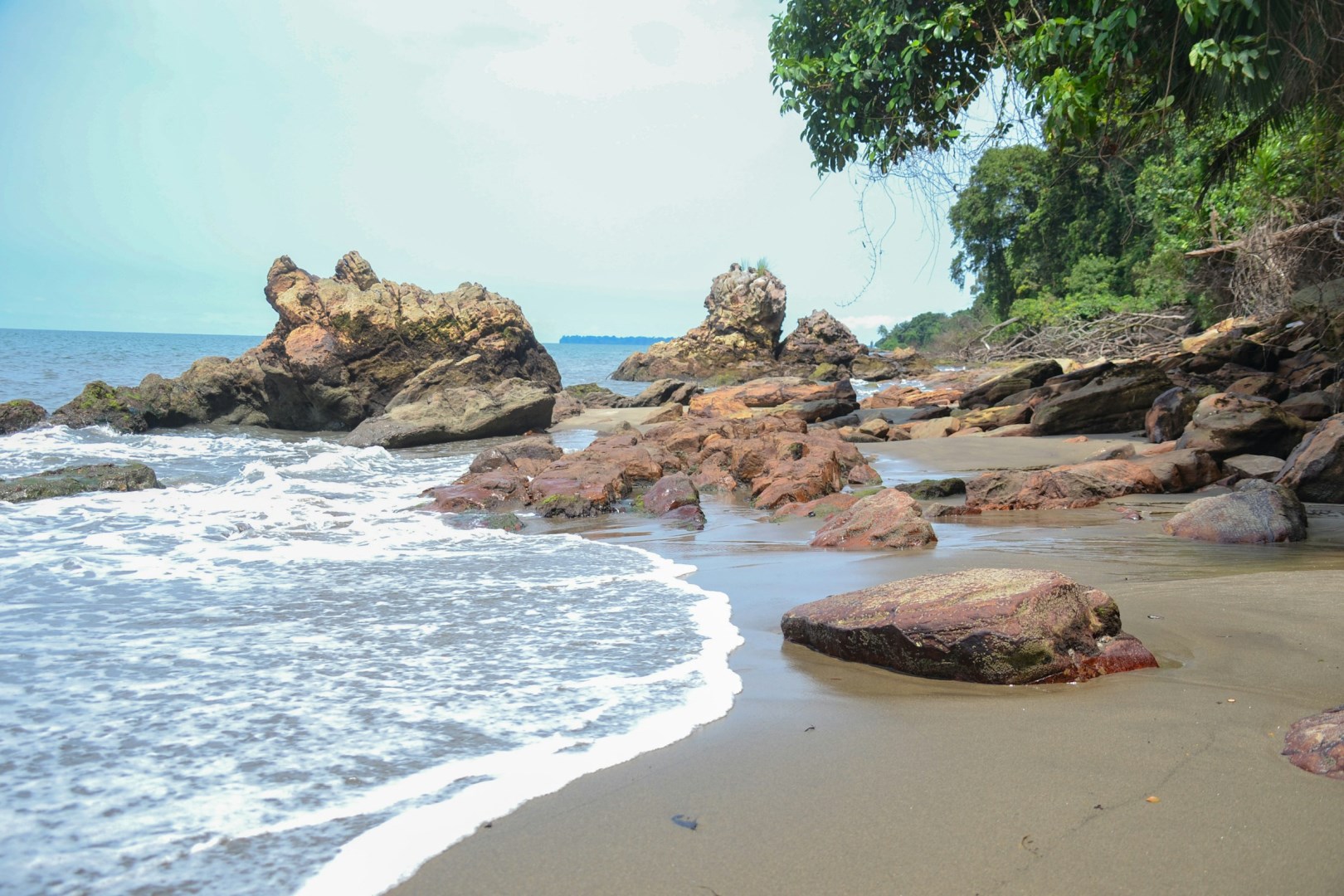
Gabon
Gabon, located on the west coast of Central Africa, is a country of lush rainforests, vast savannas, and a pristine Atlantic coastline. Despite its small population, it is home to remarkable biodiversity, including gorillas, chimpanzees, forest elephants, and countless bird species. National parks such as Loango and Ivindo protect these habitats, offering visitors a chance to experience Africa’s wildlife in relatively untouched landscapes.


