Rennes
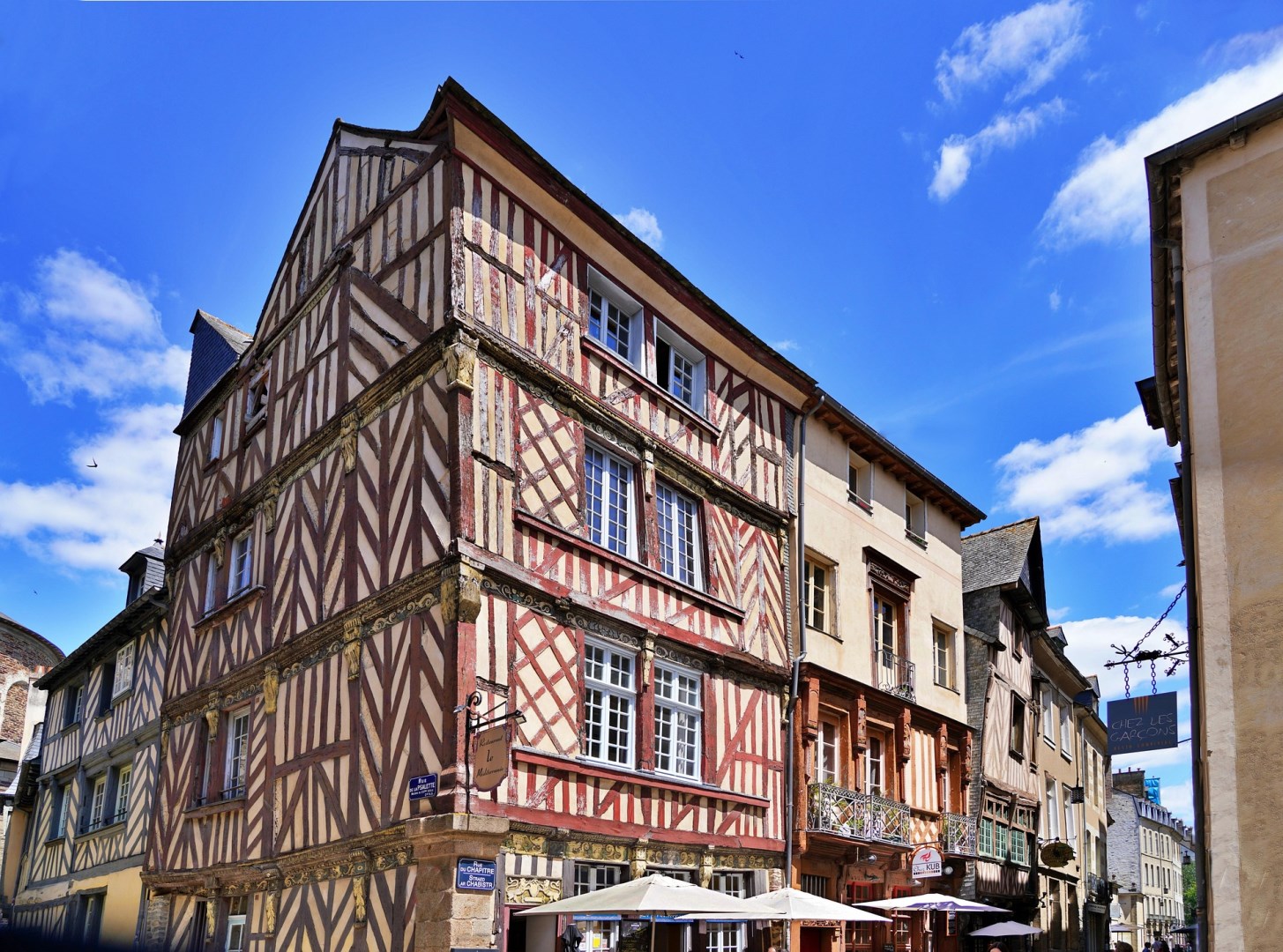
Ancient capital of Brittany, it was nearly destroyed by fire in 1720. Today it is known as an intellectural center with its famous Rennes University.

Cape Cod
Cape Cod, Massachusetts, is a captivating destination known for its scenic beauty and charming coastal villages. Stretching out into the Atlantic Ocean, Cape Cod offers a quintessential New England experience with its pristine beaches, historic lighthouses, and quaint towns. A visit to the Cape Cod National Seashore is a must, where visitors can explore miles of sandy shores, salt marshes, and tidal flats.

Maseru
Maseru, the capital of Lesotho, sits along the banks of the Caledon River near the border with South Africa. As the political and economic center of the country, it offers a mix of modern amenities, government offices, and bustling markets.

Hwange National Park
Hwange National Park, located in western Zimbabwe, is the country’s largest protected area and one of Africa’s premier wildlife reserves. Covering more than 14,600 square kilometers, it is renowned for its extraordinary diversity of animals and habitats.
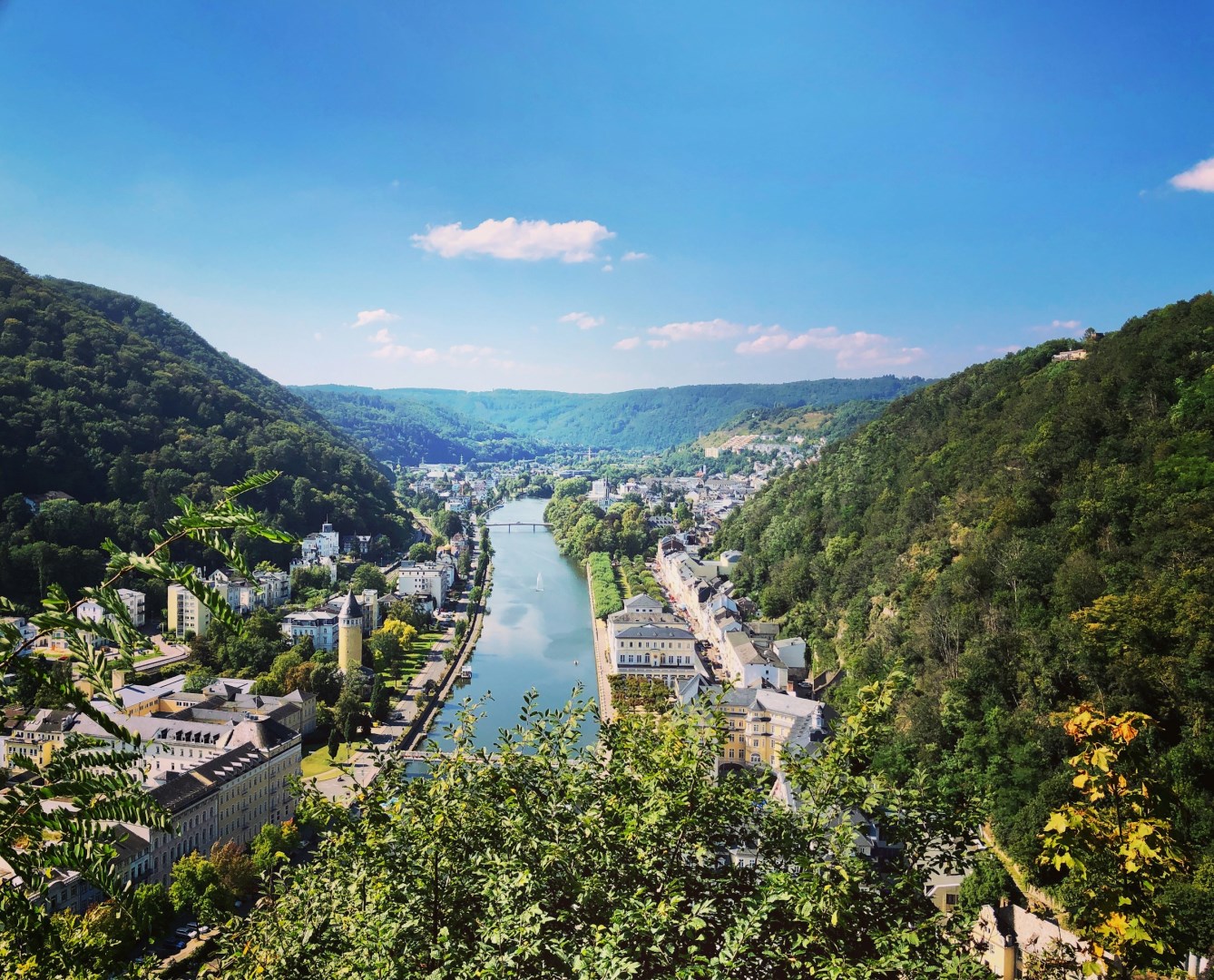
Bad Ems
Nestled between the Westerwald and Taunus, this charming spa town on the Lahn has a lot to offer for a carefree stay. Along with the wide variety of health facilities the Emser springs ensure relaxation and well-being while leisure and cultural events take care of your other needs and desires. Highlights include the flower carnival, the Jacques Offenbach festival and the Rose Ball.