Örebro
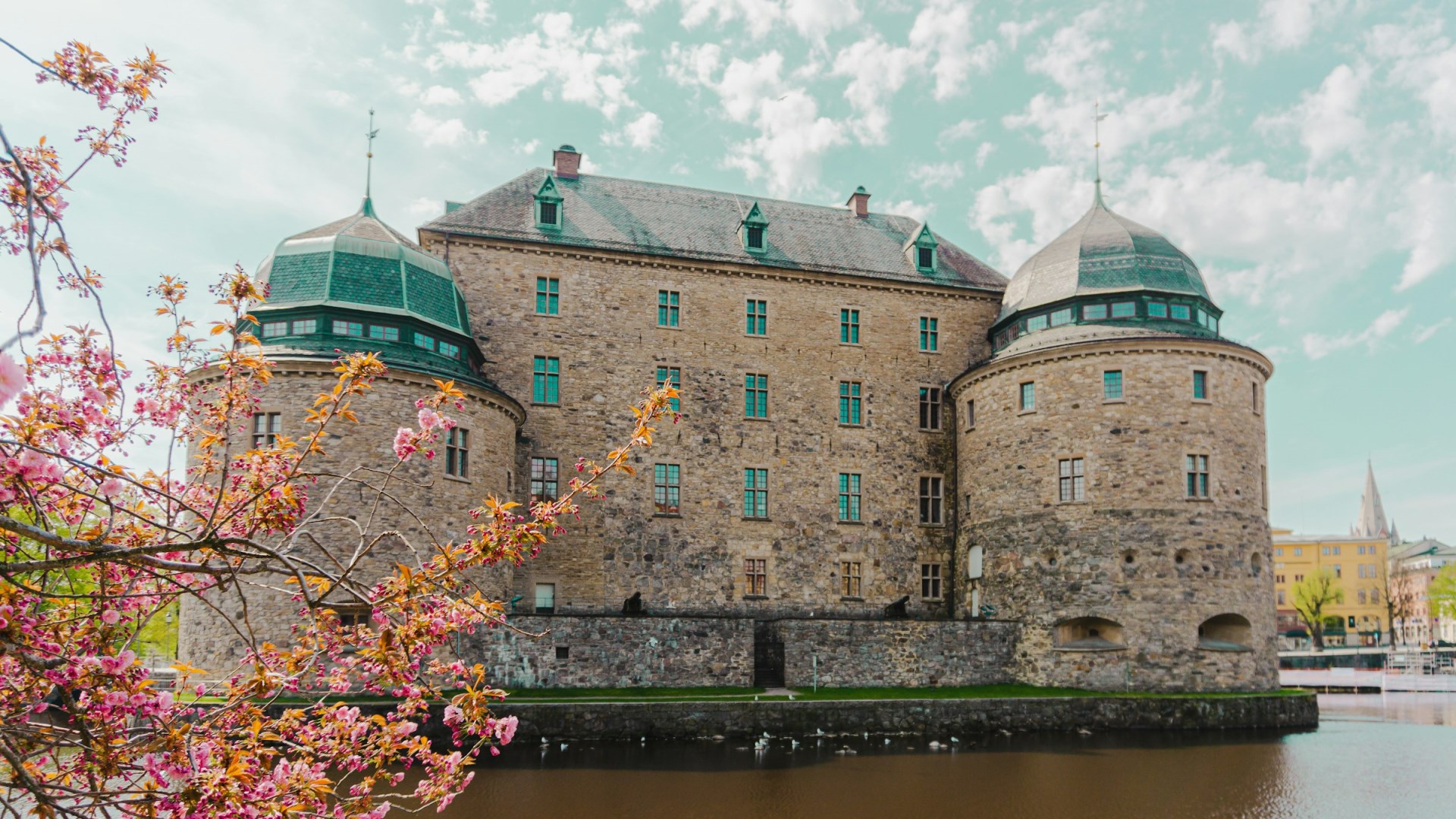
Örebro today is the eighth largest city in Sweden, with about 119,000 inhabitants. The city is no longer dominated by any particular industry or trade, and now has a many-facetted economy. Industry is directed towards metal goods, machines, foods and graphic products. The former shoe town has become a prominent center for education.
Yanbu
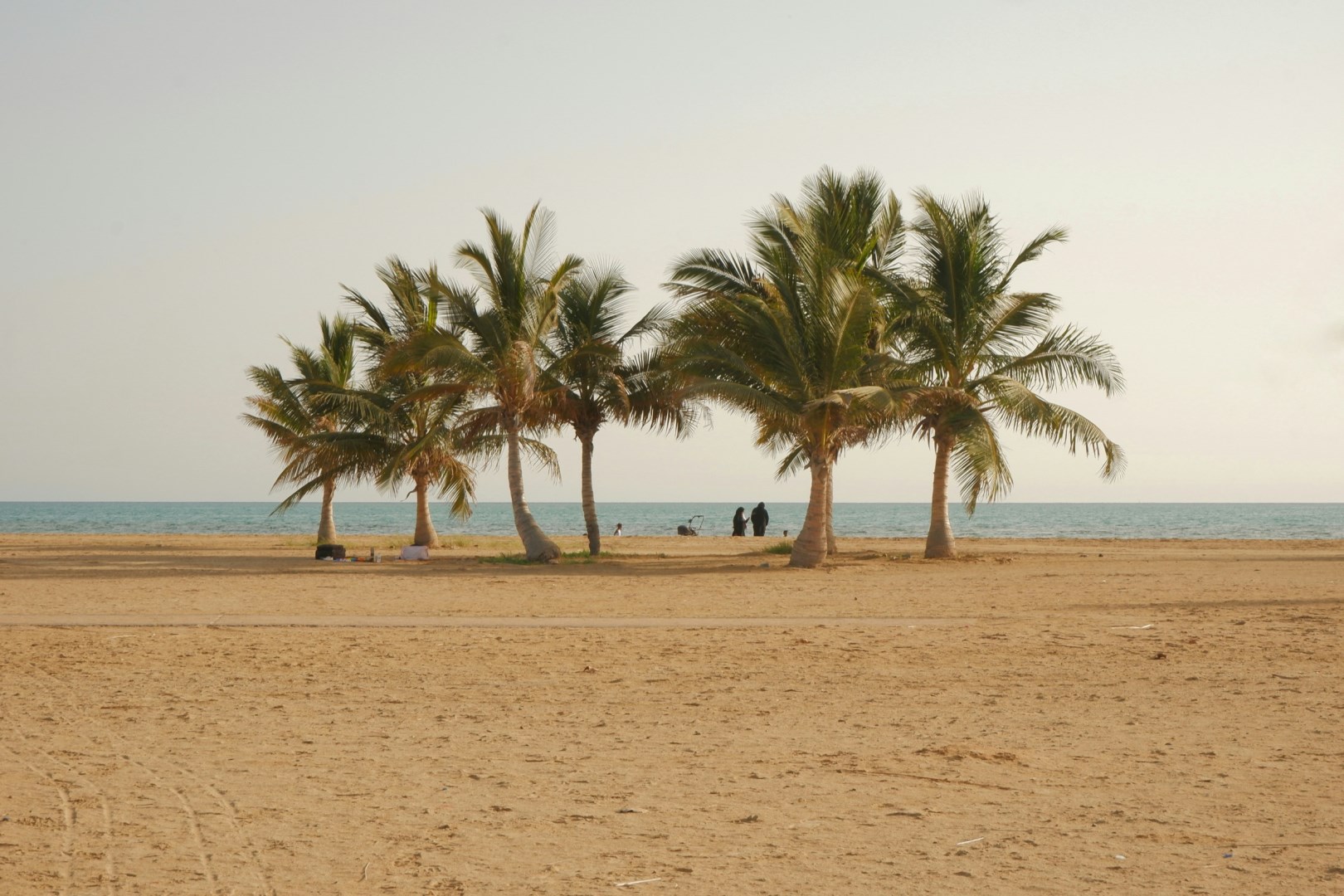
Yanbu, located on the Red Sea coast of Saudi Arabia, is a city where ancient history meets modern allure. As one of Saudi Arabia’s oldest port cities, Yanbu has a rich maritime heritage that is evident in its well-preserved historical sites. A visit to the Yanbu Historic Area reveals charming traditional architecture and the vibrant local culture.

South Queensferry
Nestled on the southern shore of the Firth of Forth, South Queensferry is a picturesque town in Scotland that offers a delightful blend of historical charm and stunning natural beauty.
Orpheus Island
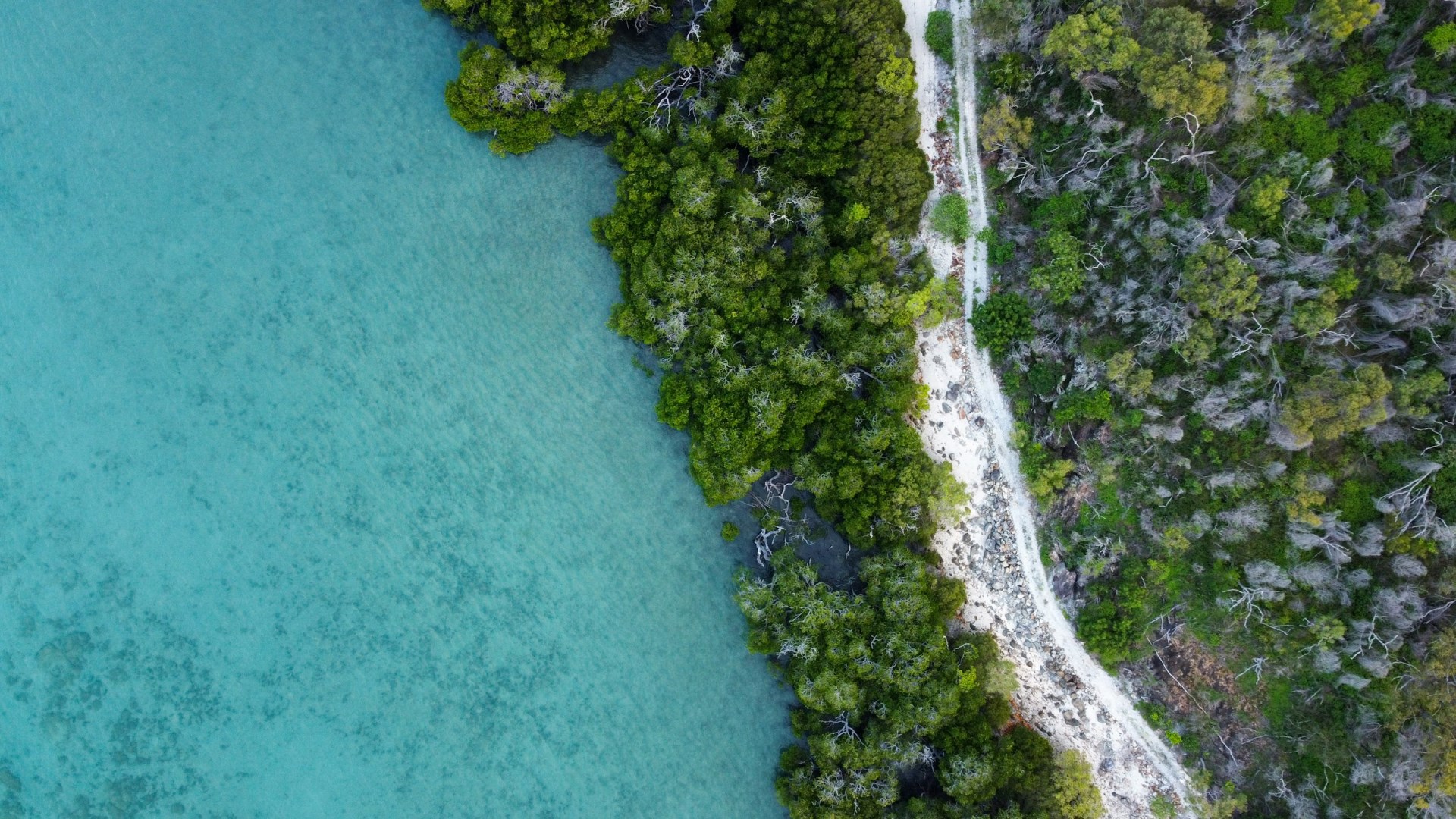
Orpheus Island is totally unspoilt and has its own National Park. Beautiful sunny beaches offer you total seclusion. You can also enjoy sailing, windsurfing, snorkeling and coral viewing. A choice of beach-front bures or studios, along with some of the fines food and wine selections in Australia, make Orpheus a great choice for your island stop over.
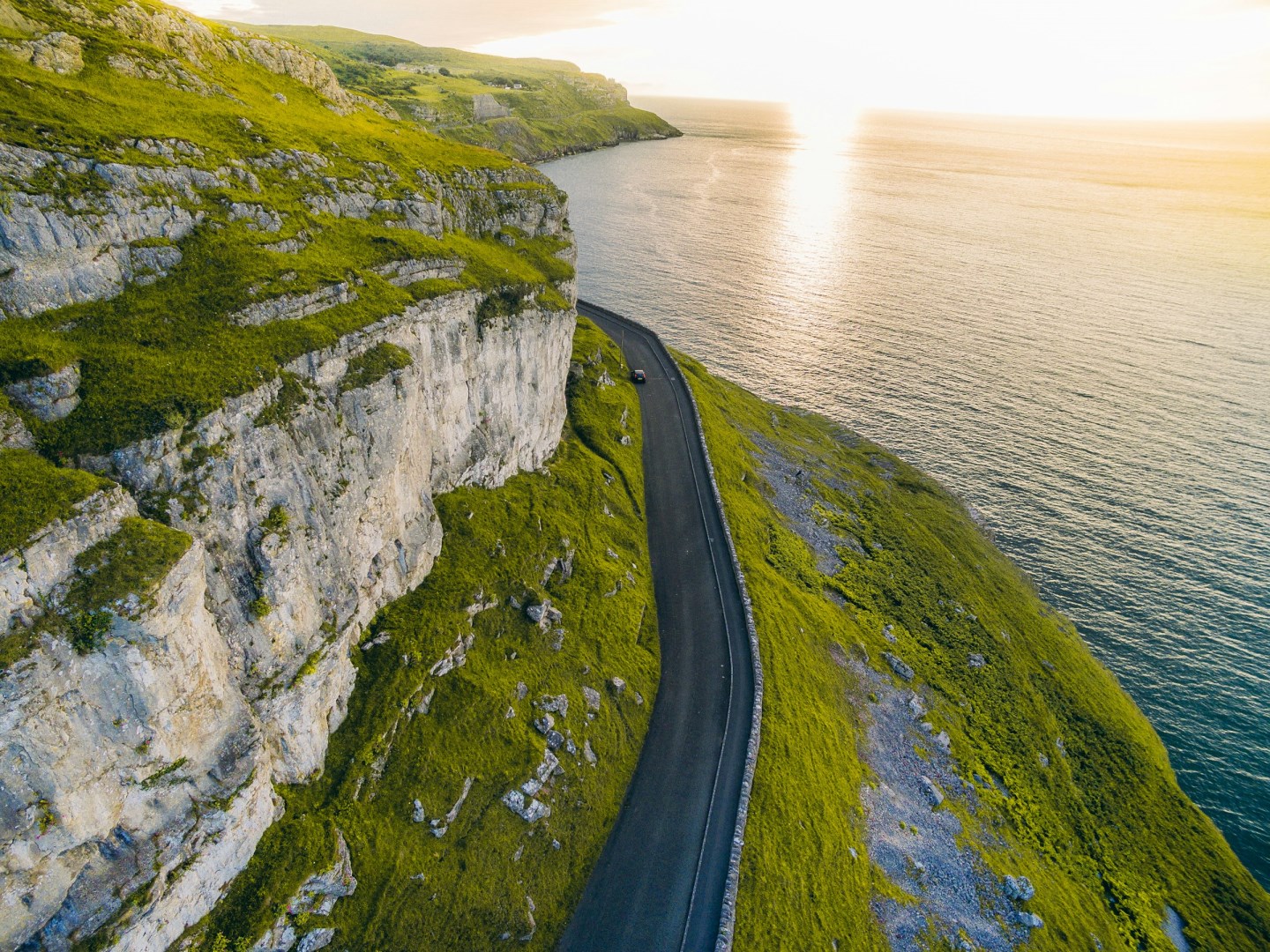
Llandudno
Llandudno has two beaches on either side of the town. The quieter West Shore with it's sandy beach has a view of the Conwy Estuary, Isle of Anglesy and Puffin Island, site of a Cistercian monastery. Spanning over two miles of the crescent bay is the North Shore. On the pier there are places of amusement including Professor Peabody's Playplace containing supervised activities for the children. On the opposite side is Craig-Y-Don, a paddling pool for the toddlers.