Valparaiso
Valparaíso, Chile, is a city that beckons travelers with its vibrant street art, steep hillsides, and bohemian spirit. Known as the "Jewel of the Pacific," Valparaíso's historical importance as a major port during the 19th century has left an indelible mark on its architecture and culture.
Fort William
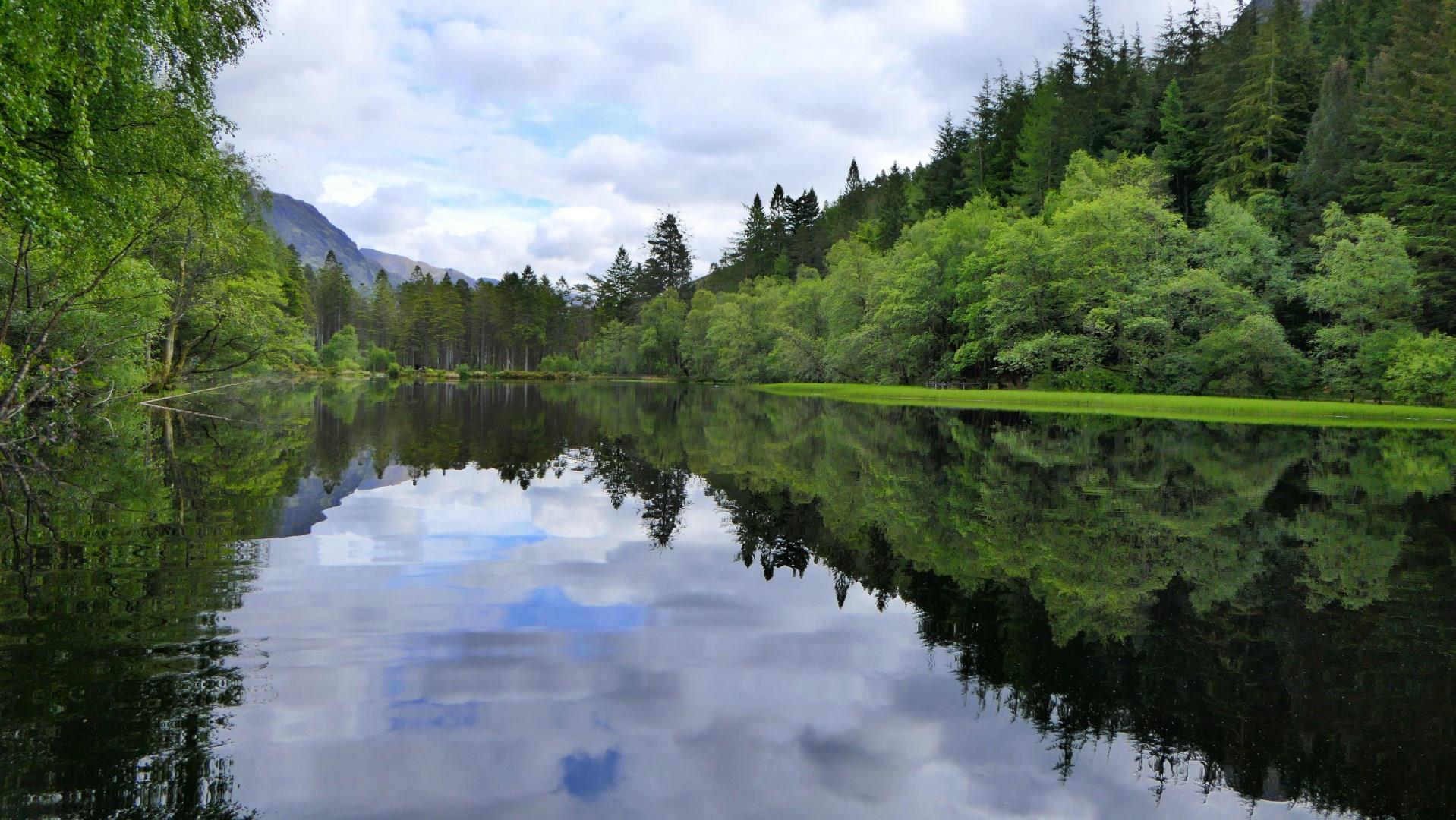
Fort William, located on the western edge of the Scottish Highlands, is often referred to as the “Outdoor Capital of the UK,” but there’s more here than rugged landscapes. Ben Nevis draws hikers from across the world, but visitors don’t need to climb to its summit to experience the scenery. Not far from town, Glen Nevis offers film fans a familiar view, scenes from *Braveheart*, *Harry Potter*, and *Highlander* were all filmed in this dramatic valley.

Bamberg
Bamberg, located in northern Bavaria, stands out for its remarkably preserved medieval layout, which earned it a spot on the UNESCO World Heritage list. Built on seven hills and often compared to Rome for that reason, the city’s architecture reflects over a thousand years of uninterrupted development. Bamberg is well known for its beer, and not just in the usual Bavarian sense. The city has more breweries per capita than any other town in Germany, and it’s the birthplace of rauchbier.
Socotra
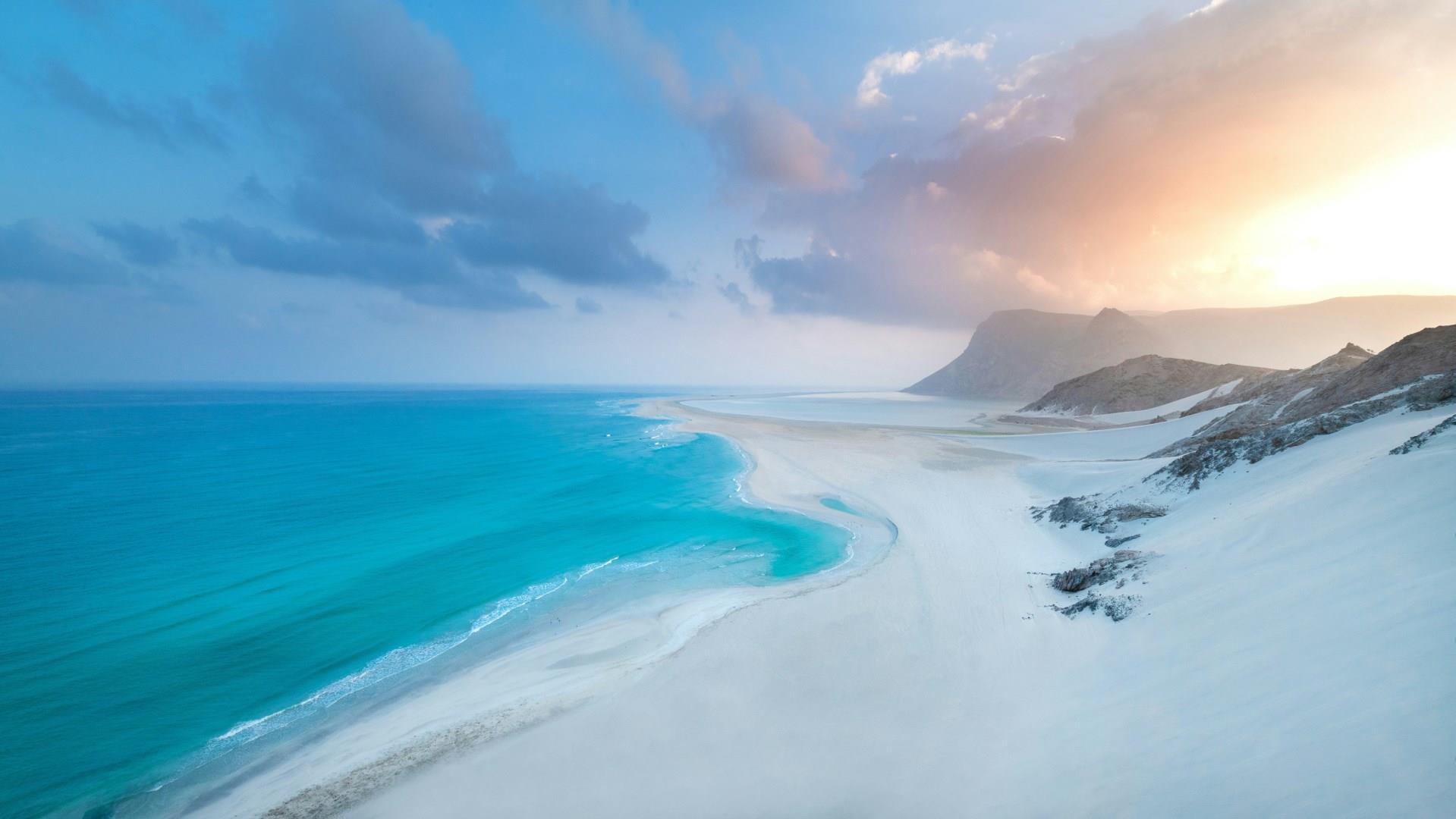
Socotra rises from the Arabian Sea like a world apart, its landscapes shaped over millennia. The Dragon’s Blood Trees, with their umbrella-shaped crowns and deep red sap, stand among the most iconic sights here. In places like Dixam Plateau and Homhil Forest, these trees gather in sparse formations, creating scenes that feel both ancient and alien. The resin remains valued for traditional dyes and remedies.
Keelung
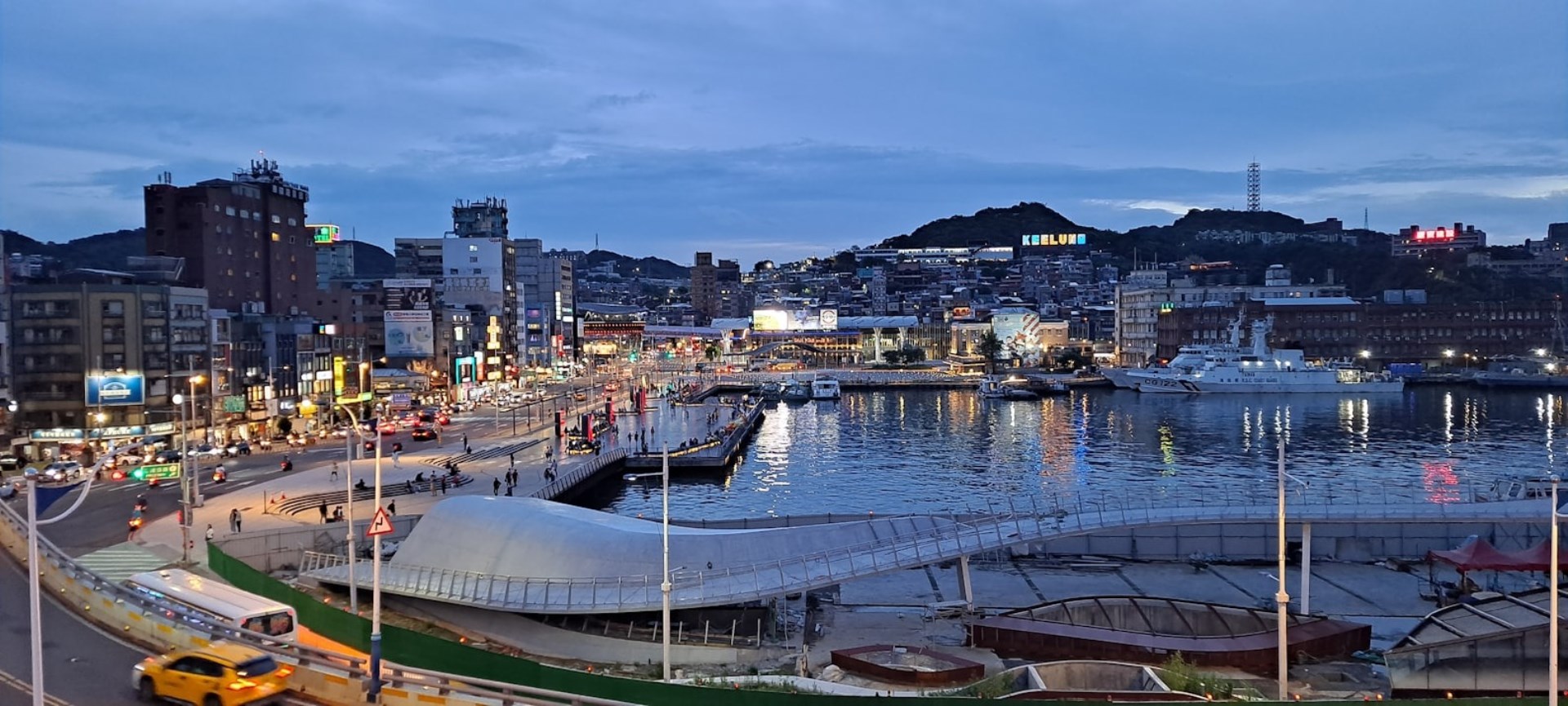
Keelung, a bustling port city in northern Taiwan, offers a unique blend of maritime history, vibrant street life, and natural beauty. Known for its scenic coastal views and rich cultural heritage, Keelung is a gateway to exploring the island's northern region. The city’s most iconic landmark is the Keelung Harbor, one of the busiest ports in Taiwan, which provides picturesque views and a bustling atmosphere.