Cologne
This cultural capital and university city holds more than 2,000 years of history and is the cultural hub of Germany. Marvel at the gorgeous twin-spired Cologne Cathedral, known for its gilded medieval reliquary and sweeping river views, or lose yourself in one of Colonge's many museums for a few hours. Cologne boasts of having most pubs per person in Germany, so make sure you sit down for a refreshing regional Kölsch beer during your travels!

Lake Como
Lake Como, nestled in the Lombardy region of northern Italy, offers a sublime retreat with its stunning landscapes and elegant charm. Renowned for its crescent shape and crystal-clear waters, Lake Como is framed by lush hills and dramatic mountain scenery. The lake's picturesque towns, such as Bellagio and Varenna, showcase charming cobblestone streets, historic villas, and lush gardens.
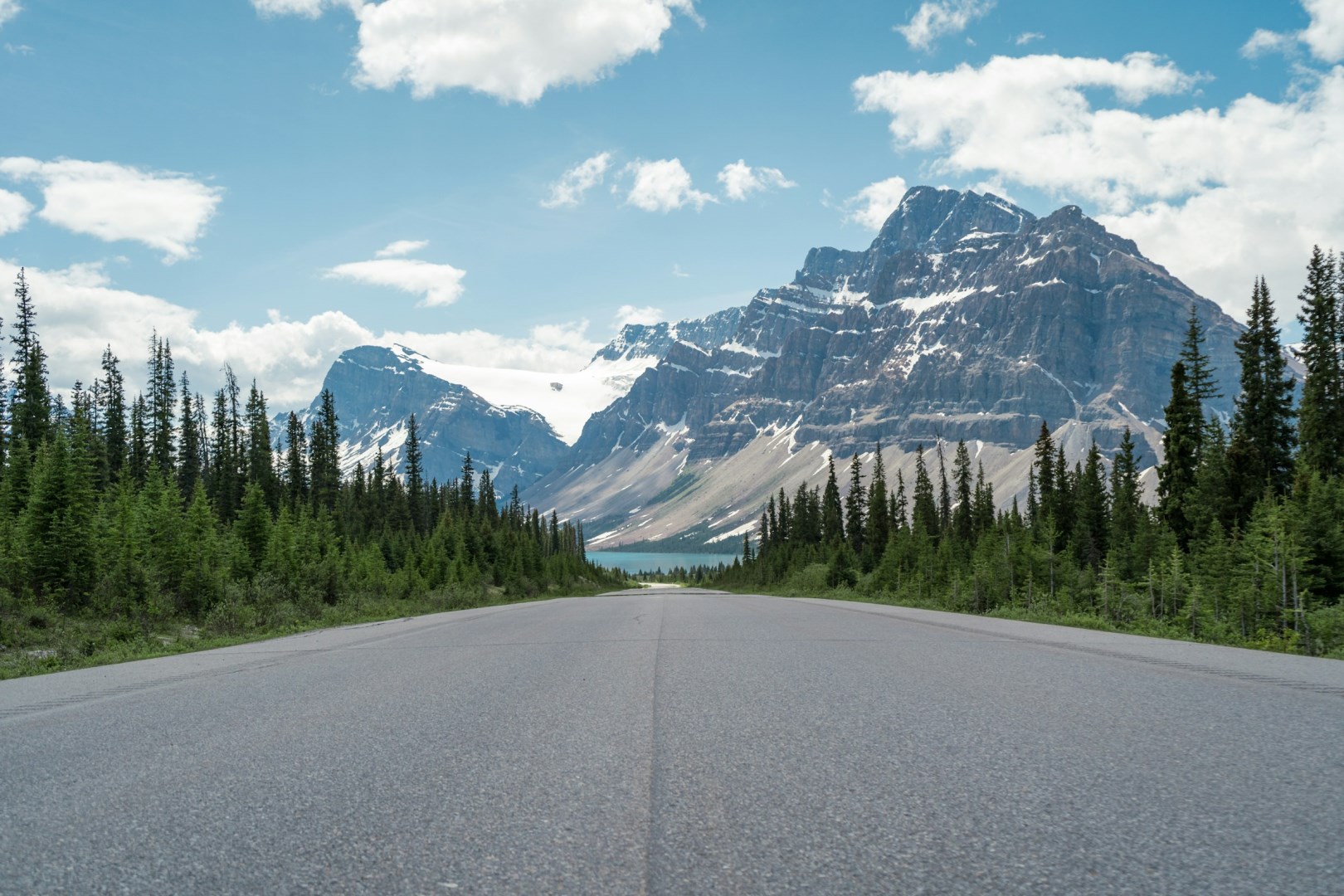
Icefields Parkway
The Icefields Parkway is a scenic mountain highway connecting Lake Louise and Jasper through the Canadian Rockies of Alberta. The route follows valleys between rugged peaks, passing glaciers, turquoise lakes, alpine meadows, forests, and major river headwaters. It crosses the Continental Divide and runs through both Banff and Jasper national parks, forming part of a UNESCO World Heritage landscape.

Sarajevo
Sarajevo, the capital of Bosnia and Herzegovina, is a city where history, culture, and resilience converge. Often called the "Jerusalem of Europe," Sarajevo is a place where East meets West, reflected in its diverse architecture, which seamlessly blends Ottoman, Austro-Hungarian, and modern influences.
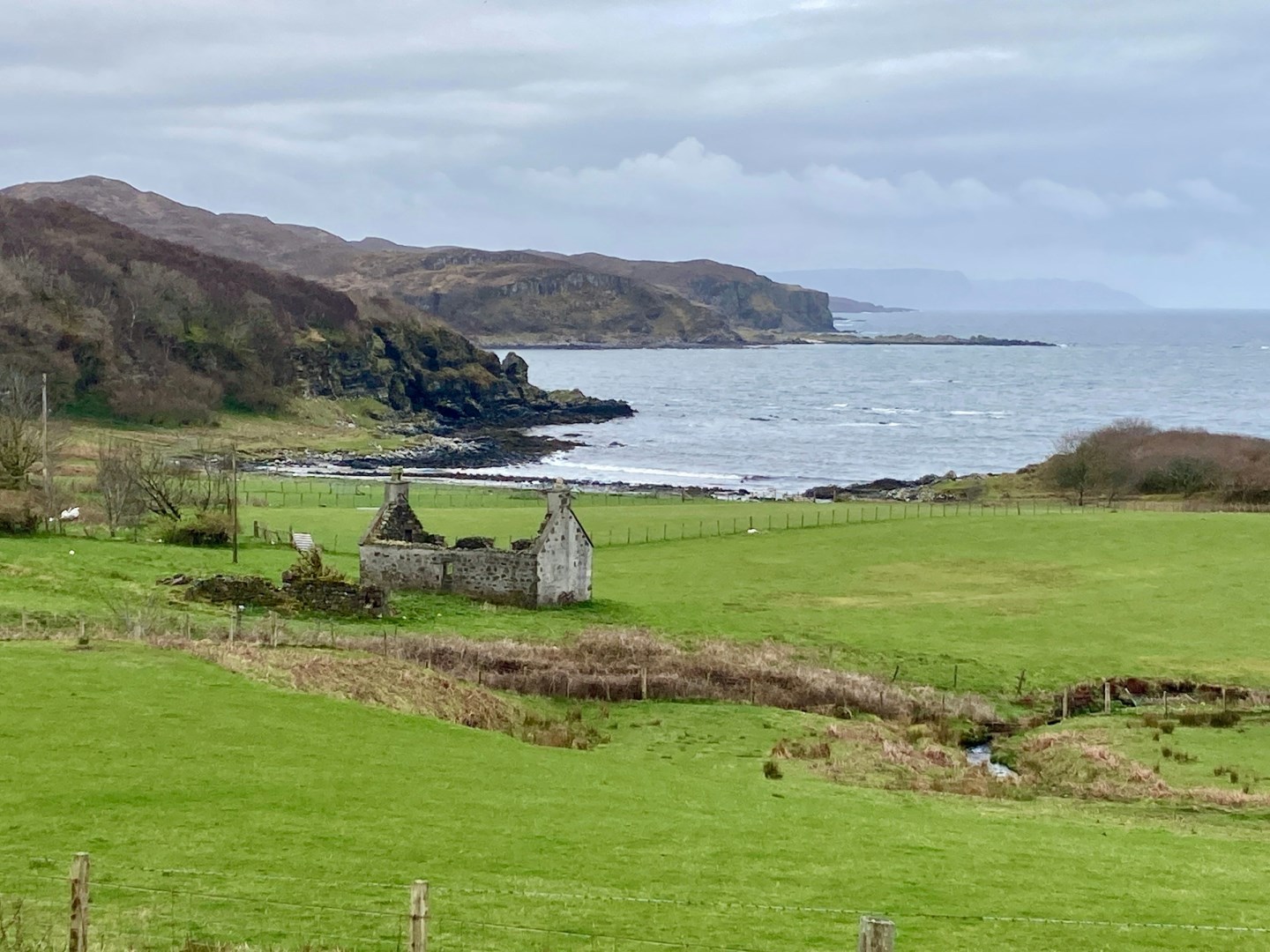
Isles Of Scilly
Located off the southwest tip of England, there are about 150 small islands that make-up this set of islands.